Destroying 9 million drones a year: A glimpse of NATO’s cutting edge, and the vision for future warfare

From using AI to make different C2 systems interoperable, to cross-domain targeting, to various ways to down drones, the NATO FUSE event provided a glimpse of the Alliance’s vision to radically expand its level of interoperability, networked targeting, and robotisation.

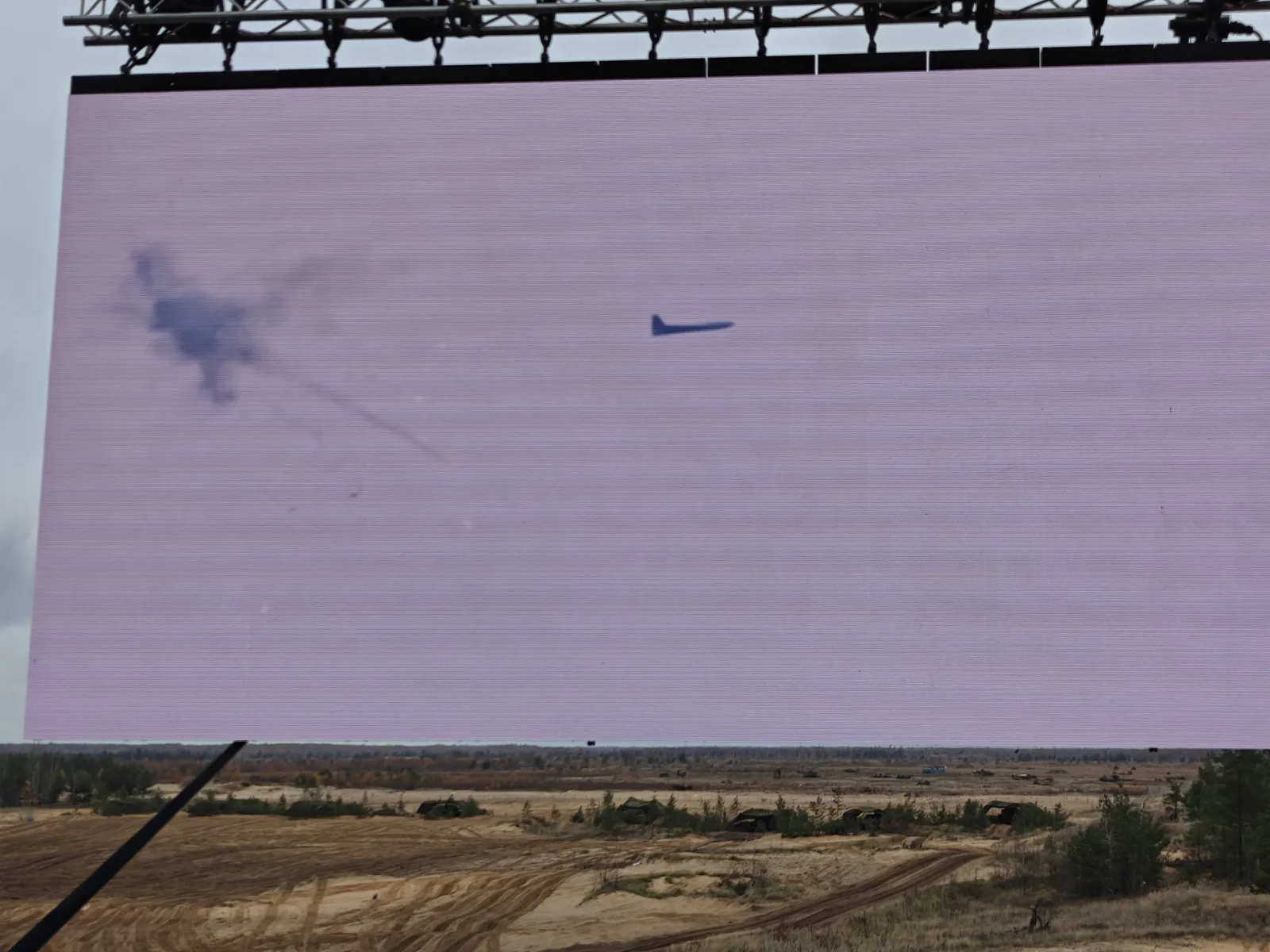
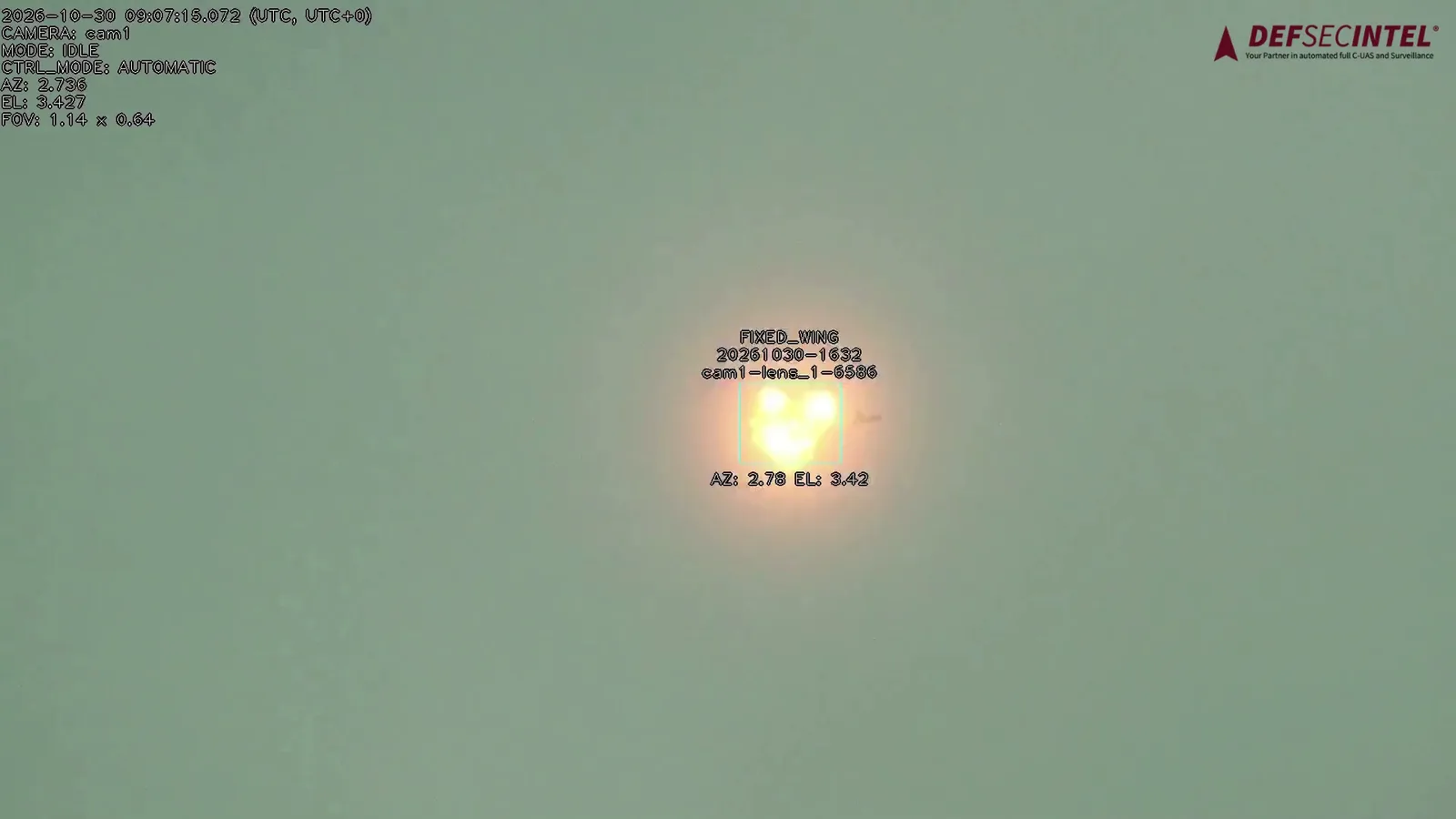
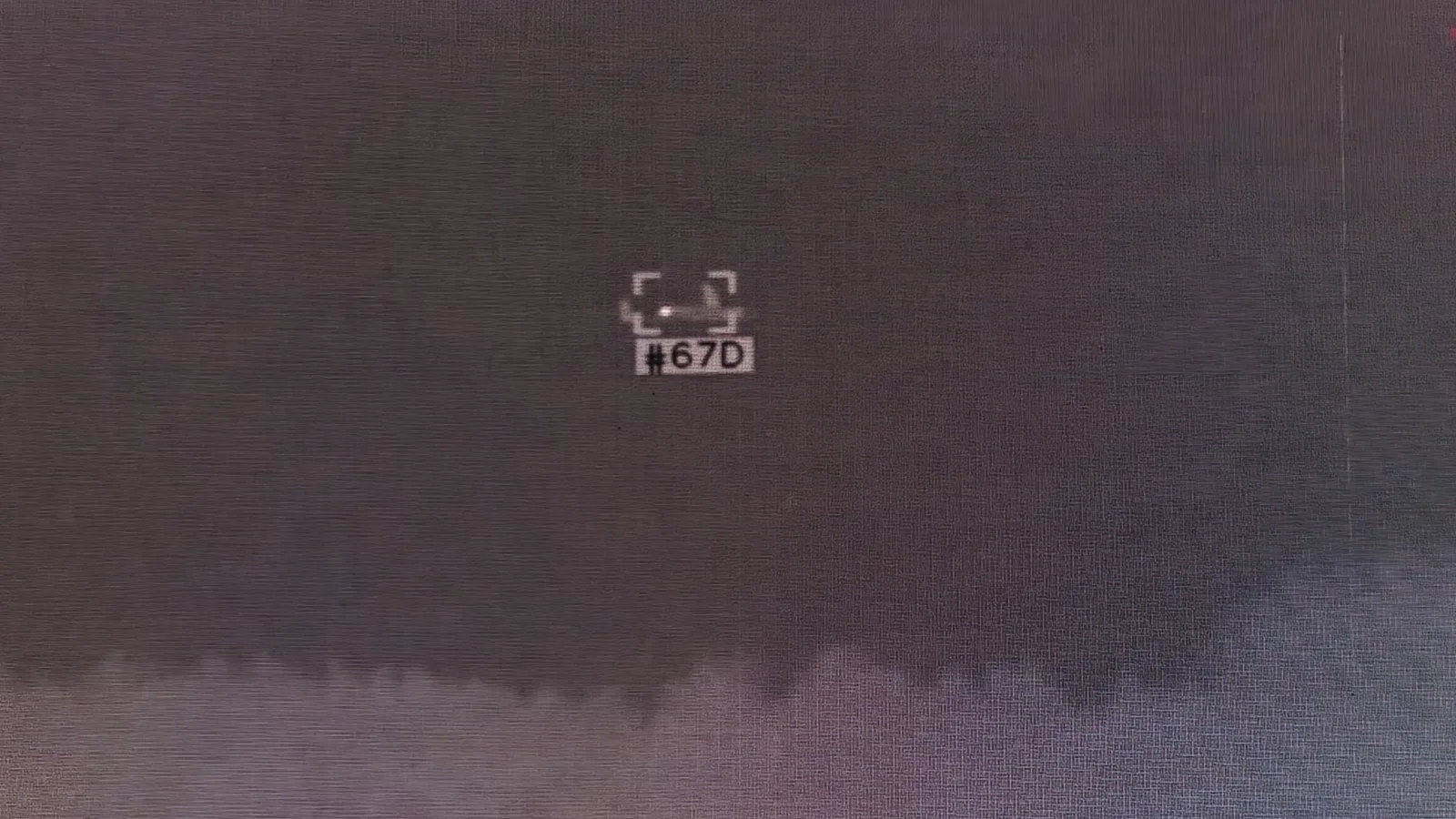
Seen at the NATO FUSE event: A Shahed-136 representative target being tracked through a Leonardo thermal camera post-interception, as it continued to lose altitude in an extended glide.
A Shahed-136 representative target being tracked through a Leonardo thermal camera post-interception, as it continued to lose altitude in an extended glide. (Mark Cazalet)
Mark Cazalet

At the NATO FUSE event, held from 28-30 October 2026, Warsight got a glimpse of the cutting edge of NATO operational experimentation in battlefield connectivity, networked command and control (C2), sensor-to-shooter systems, and counter-unmanned aerial vehicle (C-UAV) solutions at the Ādaži military base in Latvia.

The event was set in the closing days of a two-week series of operational experiments run by NATO Allied Command Transformation (ACT) at the Ādaži and Sēlija training areas in Latvia. The series effectively rolled three separate exercise strands into one connected series:

  • Digital Backbone eXperimentation (DiBaX),
  • Next-Generation Targeting (NGT),
  • Layered Counter-UAS Initiative (LCI-X).

The test series were a chance for the Alliance to test out the latest solutions in a field environment, see how well they worked, while also giving industry ‘range time’ to test and improve some of their latest solutions, and get the chance to collaborate on solutions with other manufacturers.

“This is experimentation at an Alliance scale, demonstrating the full power of 32 nations’ worth of innovative human capital” said Lieutenant General Marcus “Steroid” Annibale, USMC, Deputy Chief of Staff for Capability Development (DCOS CAP DEV) at NATO ACT, to a group of press.

“Three connected strands help us fuse everything together: digital backbone experimentation, known as DiBaX, next-generation targeting or NGT, and layered counter-UAS, LCI-X. Together, they form one operational chain to sense, connect, understand, decide, and act. One chain to achieve effect,” Lt Gen Annibale explained.

“First, the digital backbone connects the force. DiBaX tests the secure networks, data services, and interfaces that allow sensors, commanders, and effectors to operate as one. Connectivity turns separate systems into a single force. Second, next-generation targeting turns data into decisions. It creates a shared targeting picture across nations and systems, giving commanders timely, trusted, and traceable options that enable faster decision-making on the battlefield. Finally, LCI-X brings sensors, command and control [C2] systems, and effectors together against fast-evolving, uncrewed threats,” he outlined.

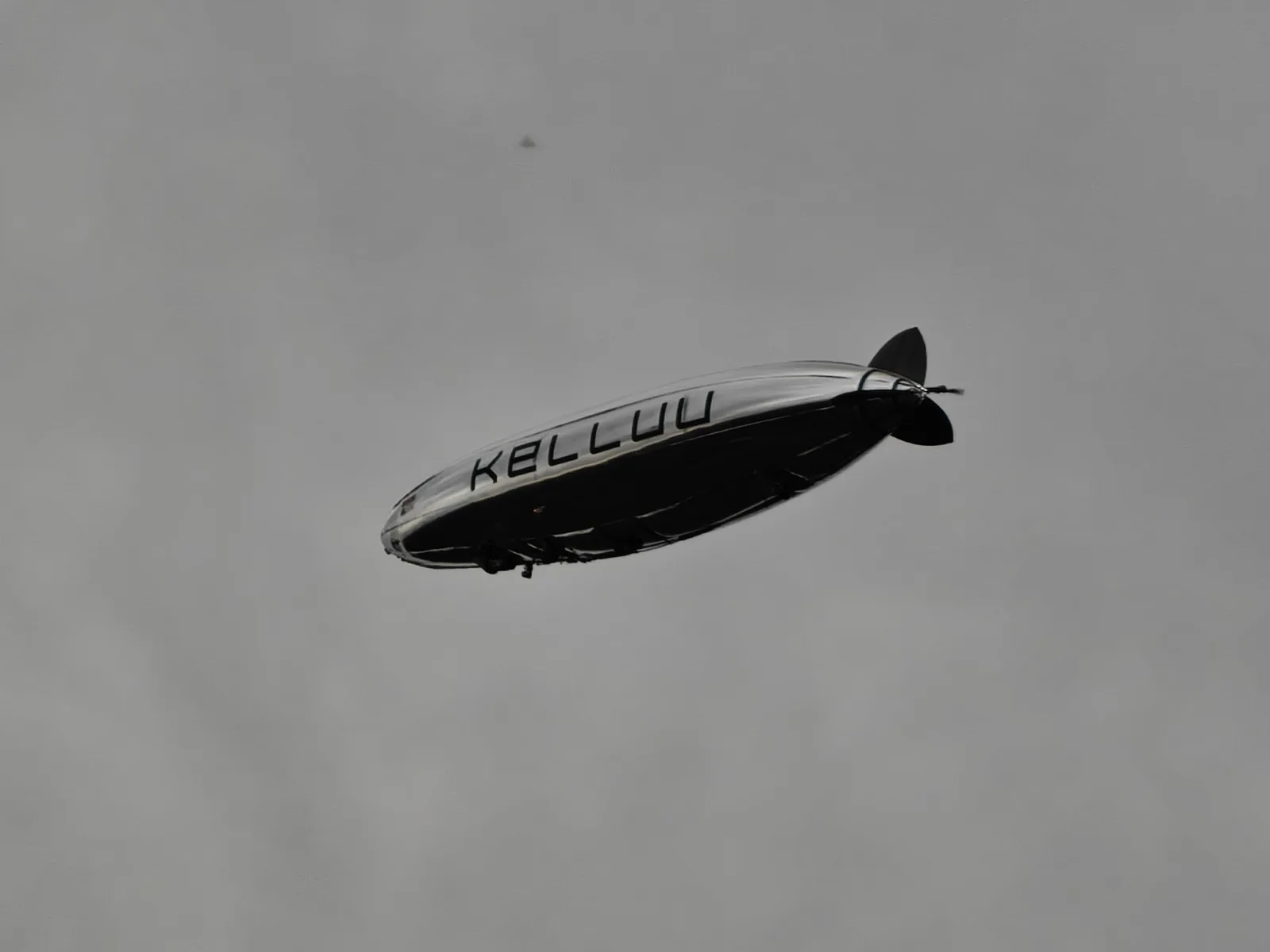
Out on one of the Ādaži base ranges, a Kelluu hydrogen-powered airship was used to provide intelligence, surveillance and reconnaissance (ISR) and battlefield networking functions to friendly forces as part of the DiBax experiment.
Out on one of the Ādaži base ranges, a Kelluu hydrogen-powered airship was used to provide intelligence, surveillance and reconnaissance (ISR) and battlefield networking functions to friendly forces as part of the DiBax experiment. (Mark Cazalet)

Yet operational experimentation isn’t new, so what made the NATO FUSE event unique? In a separate briefing, Admiral Pierre Vandier, Supreme Allied Commander Transformation (SACT), explained:

“In a nutshell, what we are trying to do is something which is absolutely new, in that we are not making glossy events. It’s not a show. It’s not an armament show. It’s building something different. Why? Because we are facing a very evolving landscape. Not just drones, but all the tech is moving very fast, and we need to think ahead of the problem and not just try to put them together after solutions exist.”

“So today, in three domains which are: targeting, digital backbone, and counter-drone systems; we want them to work together between the companies with NATO to see what are the problems to solve, what are the startups to invent? We have the venture capitalists that are helping…to accelerate their business. Instead of having them going after the event, knocking the door of the bankers or the VCs, now they have them in the room,” Vandier continued.

“What I want to do here is to stop the ‘innovation theatre’. It’s not something for show. Things need to happen. We need to have the military and the industry working together on a daily basis and not making something for the shows,” he concluded.

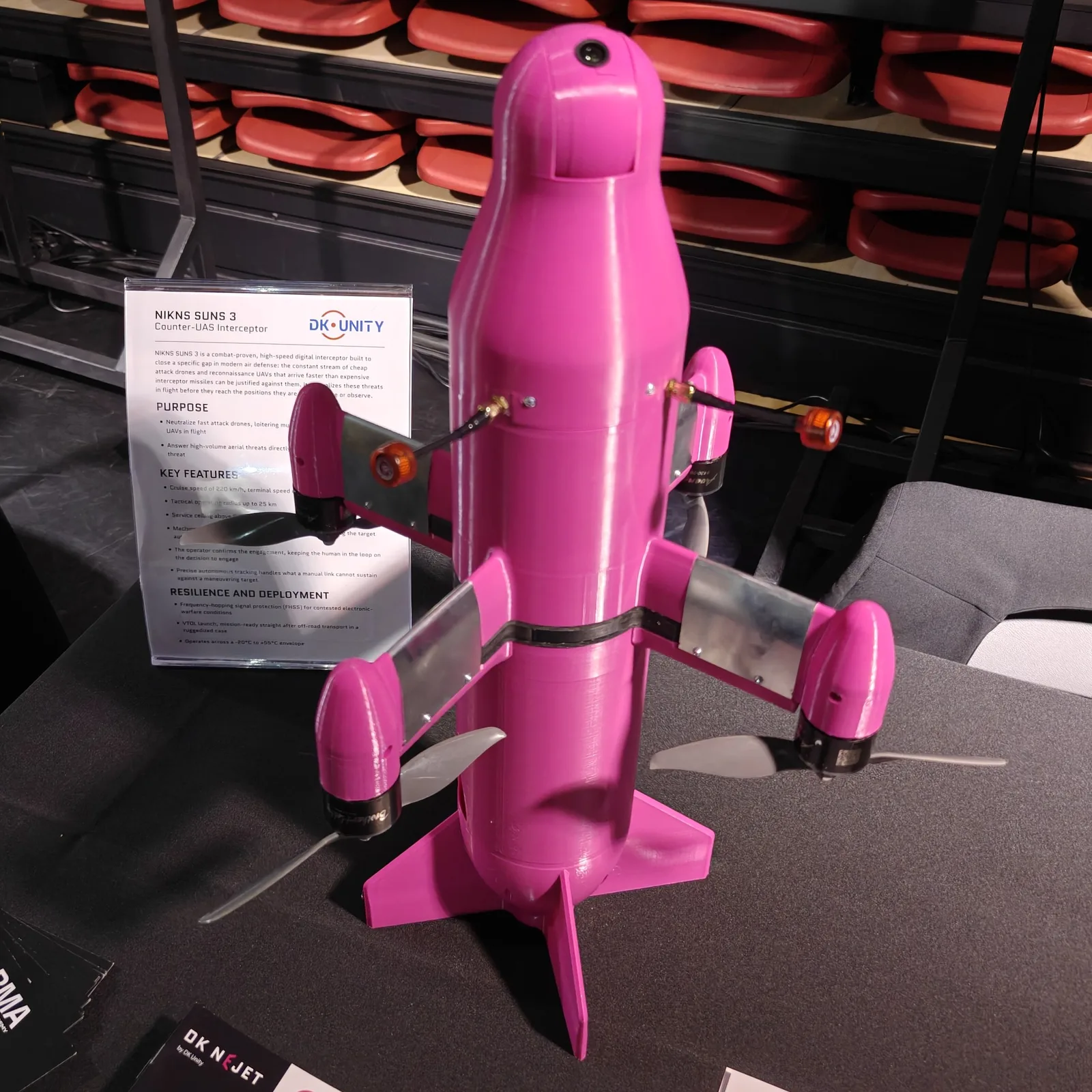
A bright pink NIKNS SUNS FPV interceptor from Latvian company DK Unity on display at FUSE. The event brought members of industry to conduct experiments on Latvian test ranges, as well as showcase and discuss their solutions directly with members of allied armed forces, and venture capitalists.
A bright pink NIKNS SUNS FPV interceptor from Latvian company DK Unity on display at FUSE. The event brought members of industry to conduct experiments on Latvian test ranges, as well as showcase and discuss their solutions directly with members of allied armed forces, and venture capitalists. (Mark Cazalet)
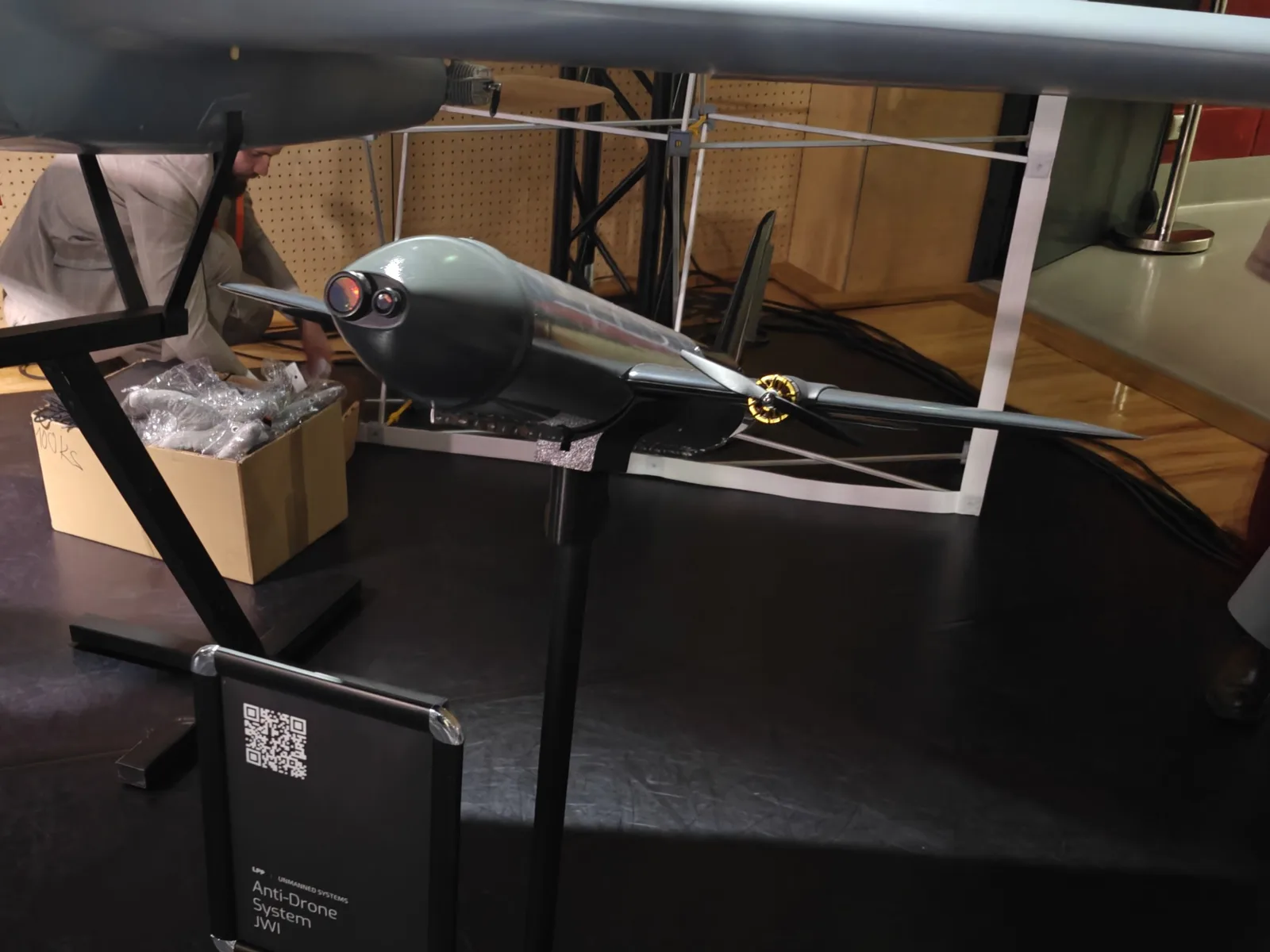
One of the more notable new C-UAV solutions seen at NATO FUSE was this twin-engine, fixed-wing FPV interceptor from Czech company LLP Unmanned Systems.
One of the more notable new C-UAV solutions seen at NATO FUSE was this twin-engine, fixed-wing FPV interceptor from Czech company LLP Unmanned Systems. (Mark Cazalet)

Explaining why there had been a long time lag between Russia’s invasion and the kind of efforts seen with FUSE, Vandier explained:

“Why it was not done before? To be very frank, it’s because we are lagging behind. I think the speed of movement is slow. The pledge for 3.5% [of GDP on defence] was only in [2025], it was the summit of The Hague. Then between the pledge and the real money it takes some time. Then from real knowledge to contract, it takes time. That’s where we are here today.”

So what is the grand vision these combined operational experiments are building toward?

Building toward Mosaic warfare

“The ambition is a broad alliance capability. So scale would be cross-border, cross-echelon, integrated battle formations, being able to pass off targets, understand, correlate, attack axes, and defend smartly with the best effector that makes the most sense. That’s the ambition” Annibale said.

He explained the basic principles behind what is known as ‘Mosaic warfare’ – a concept of warfare where commanders can combine different platforms, sensors, effectors, in different ways to create unique force package ‘mosaics’ to achieve a goal or effect.

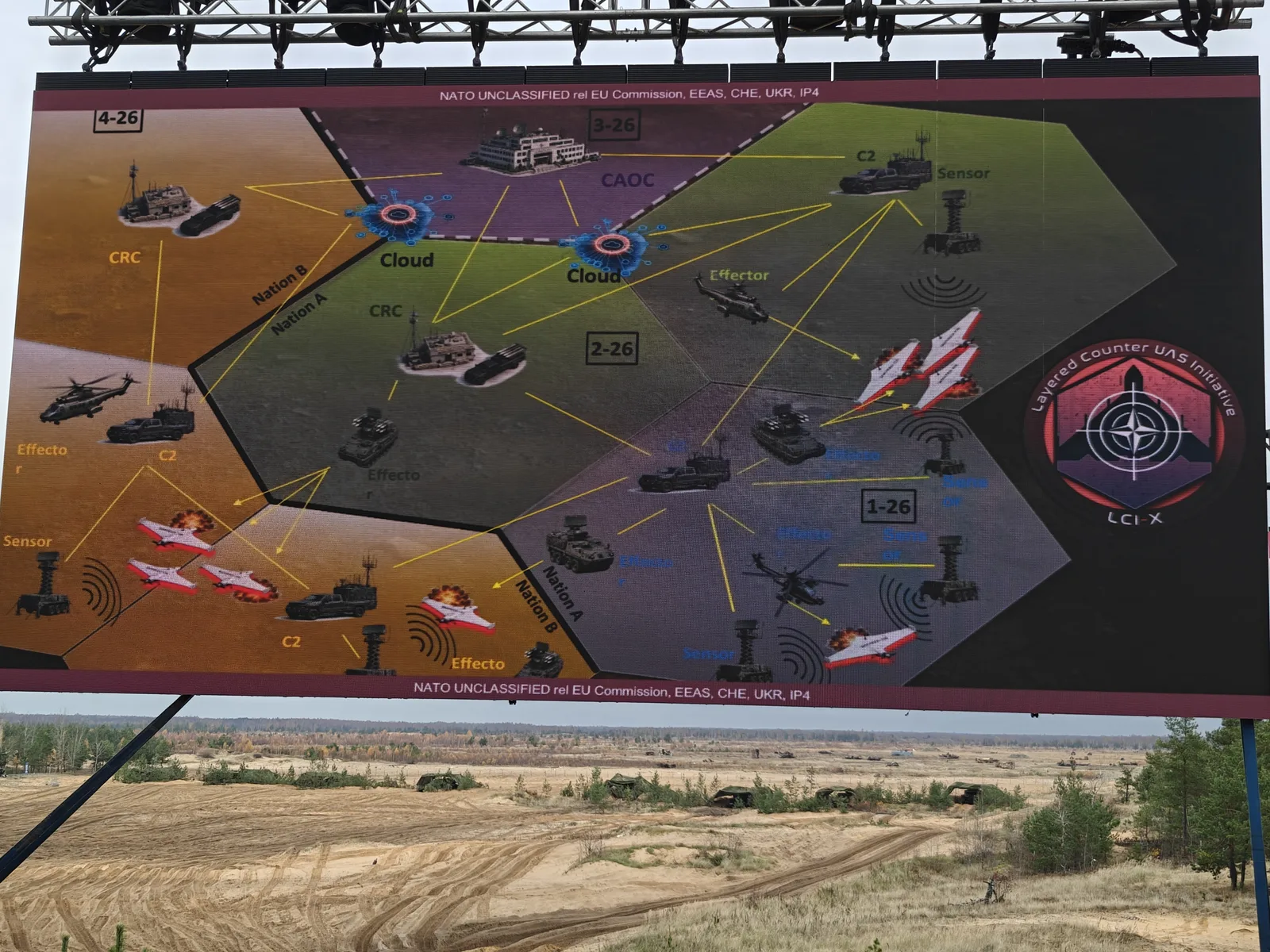
“The ambition is scoped right now in a cell to mosaic pattern. So think kind of like on a game board with hexagons, where you want to defend one area, then you add another hexagon, another hexagon, build a mosaic, and then build that connective tissue,” Annibale explained.

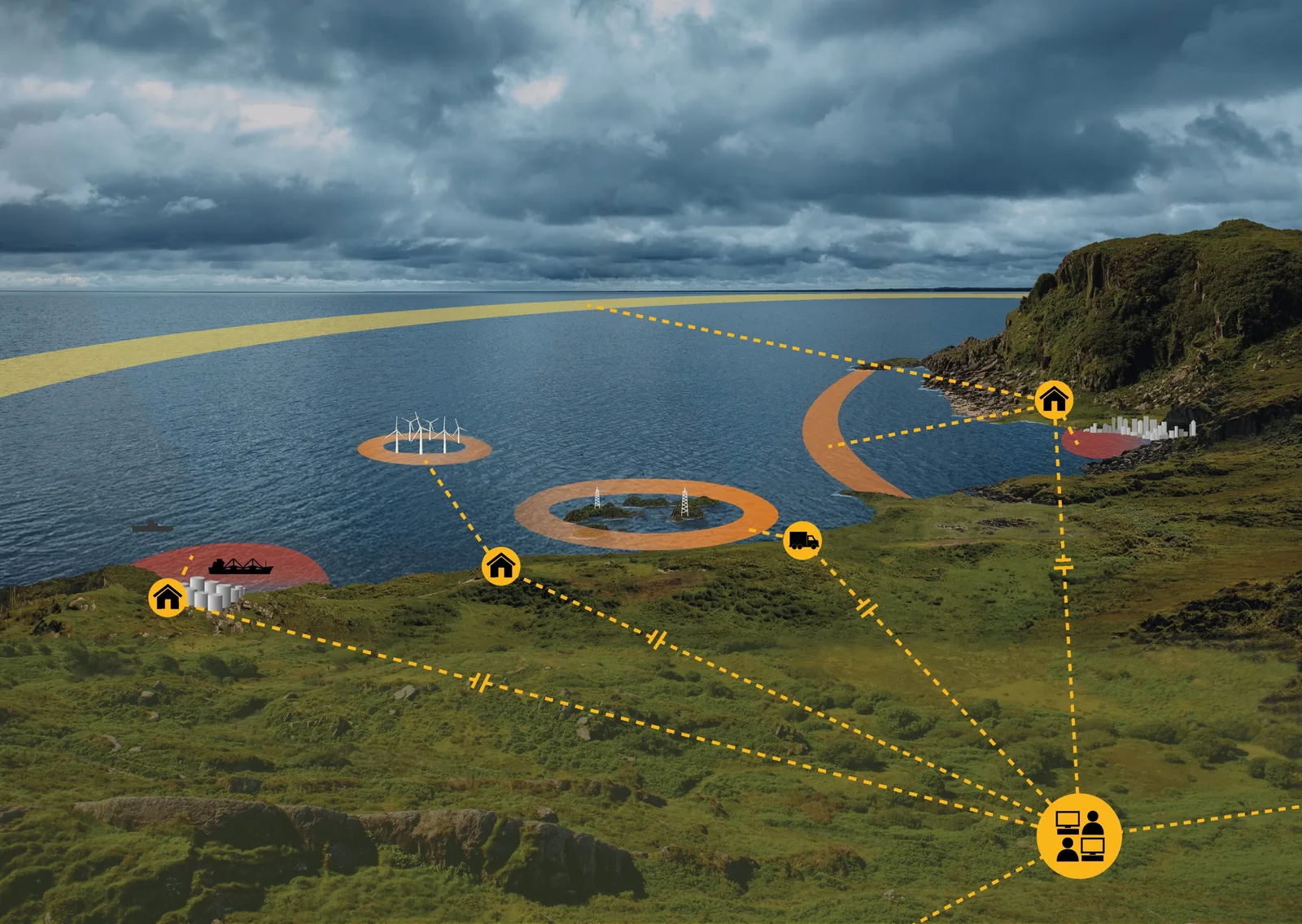
A glimpse at the kind of cross-border, cross-domain C-UAV ‘mosaic’ being built toward through the LCI-X experiment series.
A glimpse at the kind of cross-border, cross-domain C-UAV ‘mosaic’ being built toward through the LCI-X experiment series. (Mark Cazalet)

The overall idea is to create a very flexible and adaptable force, built on distributed networked sensing and strike capabilities, where there is generally (at least in theory) a route to achieving the required effect, simply by substituting different tiles within the force package ‘mosaic’.

However, looking at the realities of war in Ukraine, one of the main challenges is scale, particularly in the C-UAV mission. As Warsight has previously reported in May 2026, Ukrainian sources have stated that every day Russia launches over 7,500 first-person view (FPV) drones, 1,500 fixed-wing strike drones (such as the Molniya series), and provides over 2,000 surveillance flights. Although these are spread over a very long front, this is nonetheless makes for a lot of targets.

With this in mind, Warsight asked Annibale about how the Alliance was approaching the problem of scaling capabilities, to which Annibale responded:

“We’re testing those kind of mosaics, so the scale is obviously not comparable to where our ambition is, but it is certainly testing the tactical skills that we want to scale to. To scale to that…you have to really scale this across the entire transatlantic alliance. But I think we’ve got a good approach, and we’re at the ‘crawl’ stage, but hopefully we’ll give you some more thoughts on how we get to the next walking stage.”

Indeed, over the course of the two-day visit, Warsight got the chance to learn about NATO’s current thinking behind how to scale its capabilities to the levels comparable to what has been seen in Ukraine.

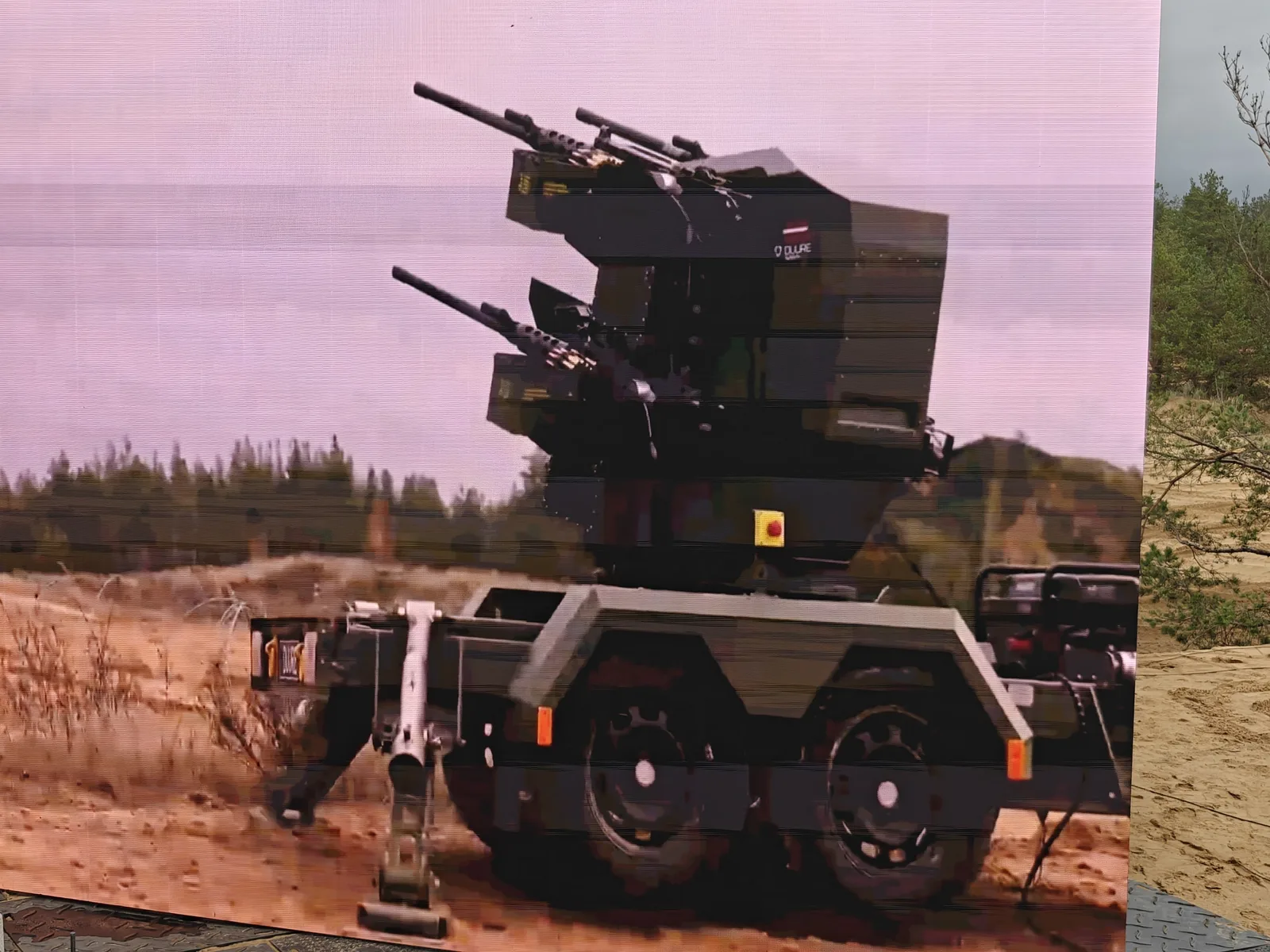
One of the stranger C-UAV solutions showcased at the Ādaži range was a trailer-mounted turret with a quad 12.7 mm heavy machine gun armament from Latvian company WEMPS. While conceptually reminiscent of the WWII-era M45 Maxson quad mount, this system is remotely operated, and provided with a modern optoelectronic sighting system.
One of the stranger C-UAV solutions showcased at the Ādaži range was a trailer-mounted turret with a quad 12.7 mm heavy machine gun armament from Latvian company WEMPS. While conceptually reminiscent of the WWII-era M45 Maxson quad mount, this system is remotely operated, and provided with a modern optoelectronic sighting system. (Mark Cazalet)

No time for STANAGs

To make scaling viable, and reach the vision Lt Gen Annibale outlined, the first hurdle to overcome is that of force interoperability. Here, the first challenge is how to achieve interoperability within a 32-country alliance where many users use completely different C2 systems made to various standards.

In discussions with unnamed NATO officials, Warsight learned that STANAGs (standardisation agreements) in fast-moving technological fields such as software are increasingly seen as an anachronism. The core argument could be summarised as ‘STANAGs move at the speed of bureaucracy, while technology changes at the speed of technology.’

Adm Vandier confirmed this outlook, noting, “the main effort is interoperability, and the problem we have today is that interoperability has made in the past in a very stable world where we could take years to define a STANAG. It was it was a fight between the nations to impose their standards. We don’t have this time anymore, and so this event is leading to a new definition of interoperability.”

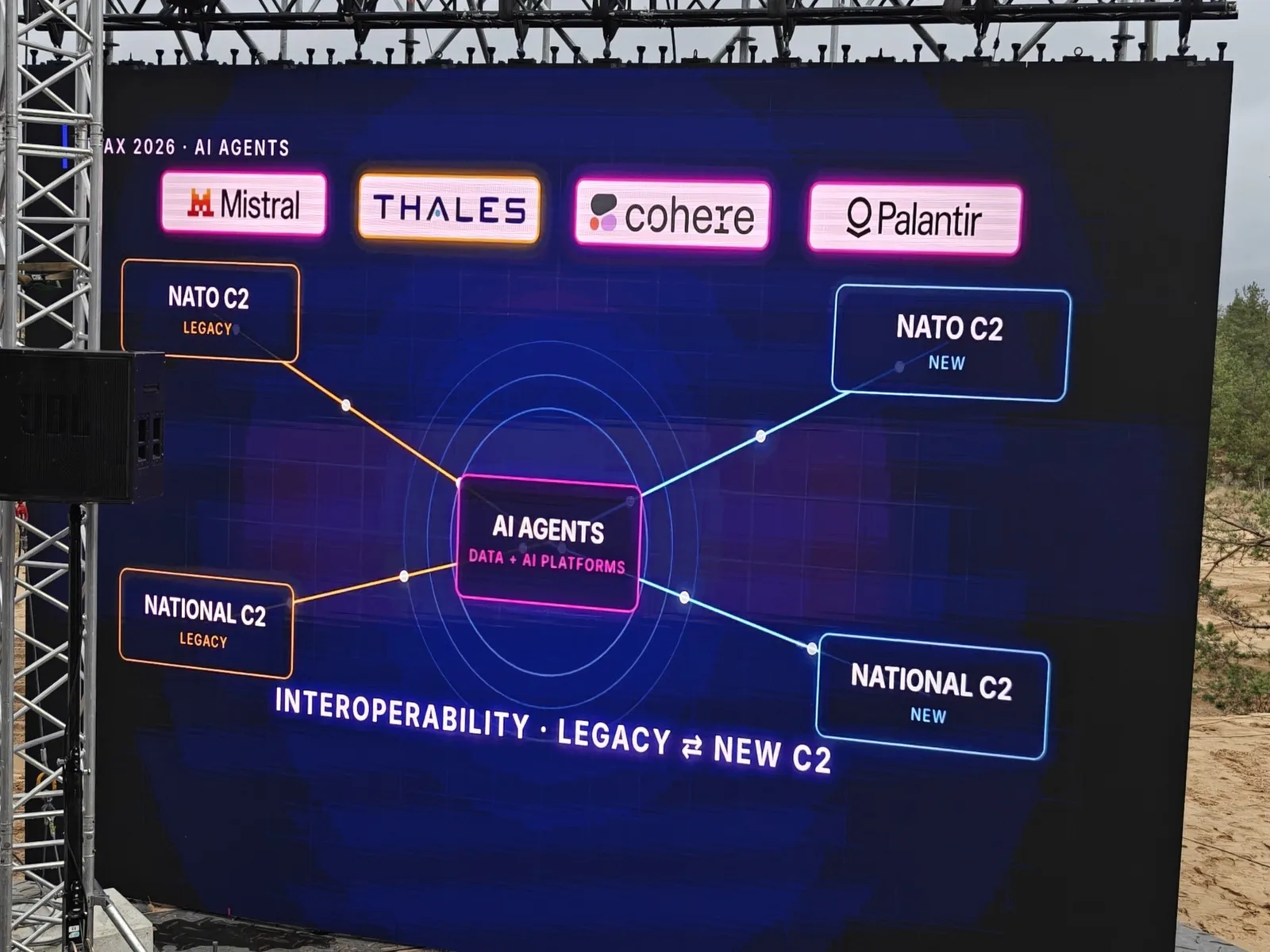
Consequently, one of the main efforts of the exercises was an experimental effort to bridge varied C2 systems, using AI to function as a real-time translation layer between two different systems. According to NATO officials, the experiment had proven successful, demonstrating what could be done with AI to effectively bypass a lack of standardisation.

An example of how AI is being used to bridge interoperability gaps between disparate C2 systems or, sensor-to-shooter systems, including legacy versions. What is remarkable is that this was set up within a single day as part of the experiment.
An example of how AI is being used to bridge interoperability gaps between disparate C2 systems or, sensor-to-shooter systems, including legacy versions. What is remarkable is that this was set up within a single day as part of the experiment. (Mark Cazalet)

“As an example, here we work with SAPIENT, with ASTERIX, which is a data format for radars, and we work with Lattice, which is another standard built by US industry. And so we want them to work together. We have the first experiment between Maven and a French data solution, where we pipe some data back and forth for targeting, and we just we want the system to be open, to make it connected, because we will not have 100% of the nations buying the same solution, we know that,” Vandier explained.

NATO officials made it clear that the hope was to be able to build upon this proof-of-concept, to reach the point where it is possible to effectively obviate the need for STANAGs in certain fields.

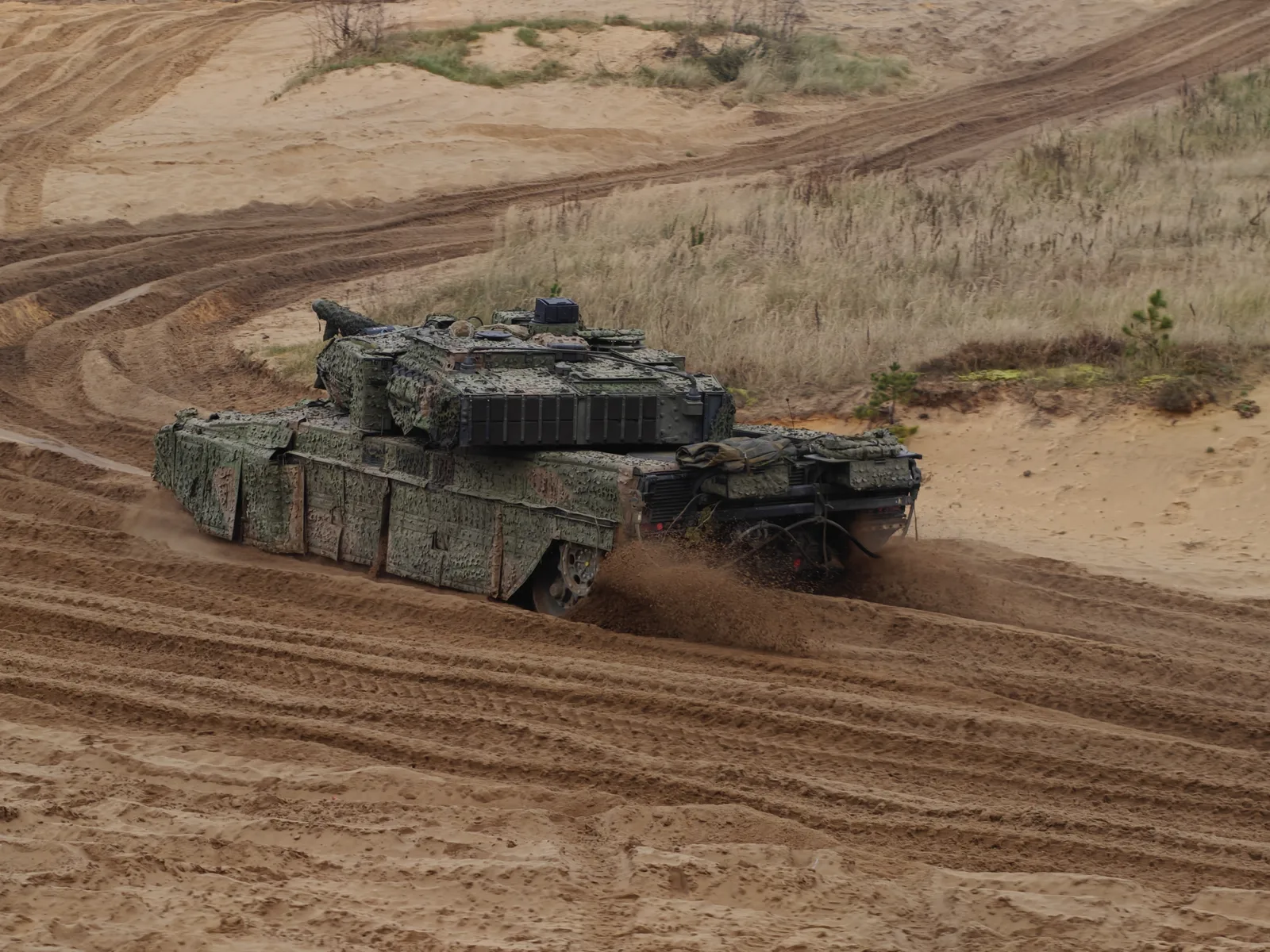
Leopard 2A7DK tanks were included within the DiBax/NGT experiment series. A NATO official explained: “What the platoon sees, the JOC (Joint Operations Centre) sees.”
Leopard 2A7DK tanks were included within the DiBax/NGT experiment series. A NATO official explained: “What the platoon sees, the JOC (Joint Operations Centre) sees.” (Mark Cazalet)
NATO FUSE (Schnitt)
A platoon of Danish Leopard 2A7DKs engage static targets at the Ādaži range. (Mark Cazalet)

Winning the internal argument

One of the most important, yet frequently under-discussed aspects of any form of major change within militaries is the internal debate. In the context of a large multinational organisation like NATO, members can pull in very different directions, which can create a form of institutional deadlock. Sometimes, the only way to realign competing visions, is to wait for a hefty dose of reality to strike.

Adm Vandier explained how this played out within the Alliance: “We had during two years, a strong debate among the allies on the reality of the lessons from Ukraine. So we had a lot of countries saying ‘we have a different military [to Ukraine], we have different tools, we have the F-35, we have PATRIOTs, we have a lot of things, and so this war is not a war we should take lessons from’. I think today, ‘Epic Fury’ has shown that on the Gulf state side, something has happened, and then you need to change. But it’s quite recent, because this debate was strong, and it was a good argument not to do anything.”

This indicates how deeply Operation Epic Fury has influenced the debate within NATO.  Throughout the US/Israeli strike campaign, Iran has shown itself capable of staying in the fight and responding asymmetrically, using a combination of massed drones, ballistic missiles, and mines to close the Strait of Hormuz to maritime traffic, carry out strikes against US regional bases, and damage or destroy oil and gas infrastructure belonging to Gulf states. Similar tactics were then mimicked in the Red Sea by Iran’s Houthi allies in Yemen, causing further destabilisation within oil and gas markets.

Without a cost-effective means of dealing with massed drones and missiles, US and Gulf state surface-to-air missile (SAM) stocks rapidly depleted, leaving their forces vulnerable to further strikes from Iran and its proxies in Yemen and Iraq, and unable to reopen the Strait of Hormuz through force of arms.

One of the tests at the Ādaži range showed a successful engagement of a Shahed-136 representative aerial target with an FPV interceptor. Following the FPV interceptor’s warhead detonation, the target began to gradually lose altitude until it finally hit the ground.
One of the tests at the Ādaži range showed a successful engagement of a Shahed-136 representative aerial target with an FPV interceptor. Following the FPV interceptor’s warhead detonation, the target began to gradually lose altitude until it finally hit the ground. (Mark Cazalet)

Russia’s overall drone and missile production capacity is assessed to be significantly greater than Iran’s, with recent estimates putting Geran-2 production rates at 2,800 per month, and Geran-4/5 production at 3,000 per month, and Iskander family short-range ballistic missiles (SRBMs), including the Kinzhal aeroballistic variant, at around 50-70 per month.

At the smaller end of the scale, things look even worse. Russian First Deputy Prime Minister Denis Manturov claimed in June 2026 that Russia produces around 15,000 FPV drones per day – a figure which is probably reasonably credible (or at least not massively exaggerated) given previous Ukrainian statements on Russian drone launch rates at the front. Put another way, this equates to over five million FPV drones a year. This is a numerical trend which shows little sign of coming down anytime soon.

Reflecting on the problem of drone mass, Vandier said, “I think today, ‘if we go in contact with Russia one day…how will we deal with millions of drones?’ We need to be ready for that. And so the level of robotisation in the units needs to ramp up at the speed of light.”

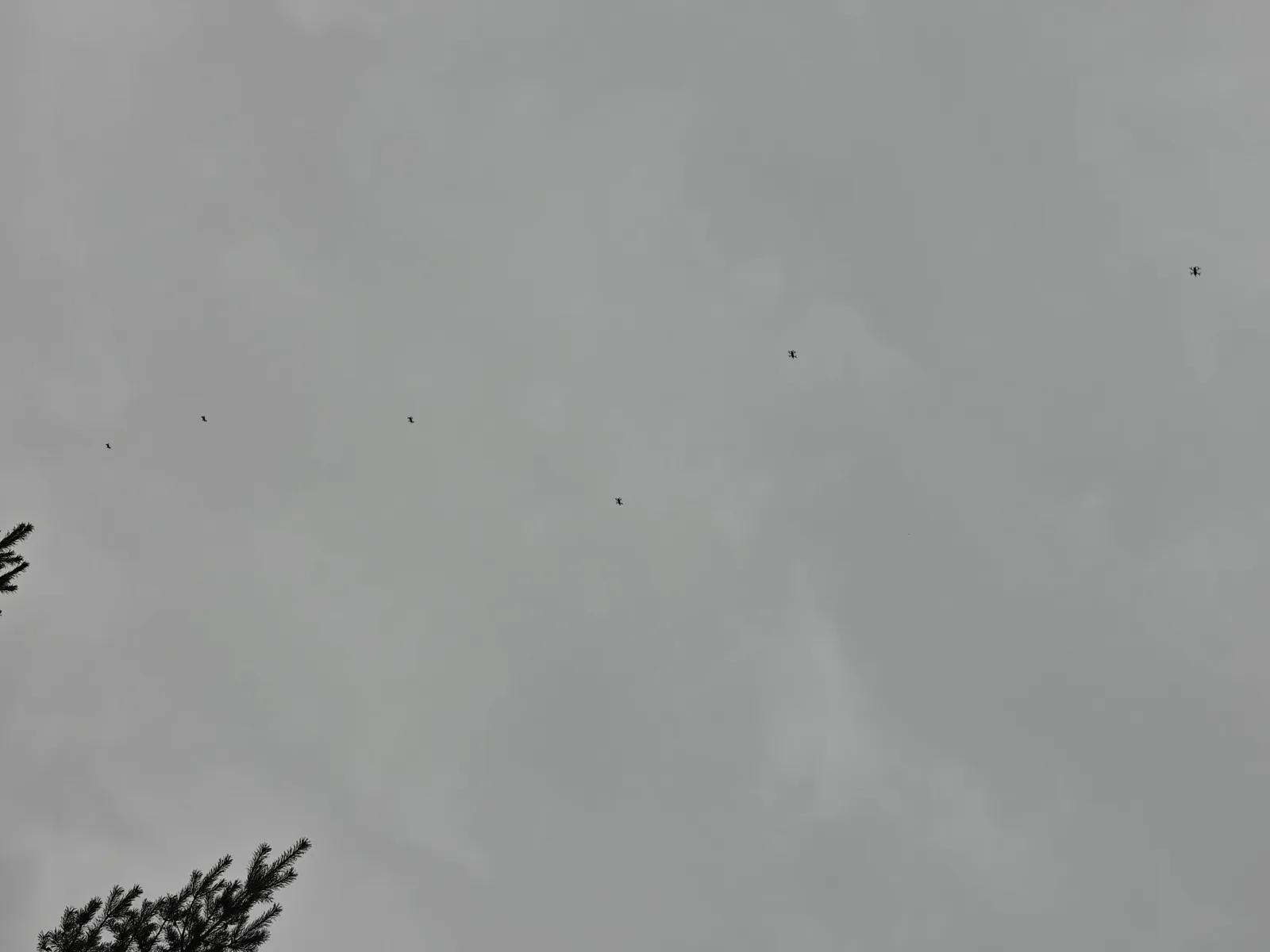
A quadcopter drone swarm followed the group of press up toward the Ādaži range.
A quadcopter drone swarm followed the group of press up toward the Ādaži range. (Mark Cazalet)

He added, “A unit which is not protected today is a unit endangered. Would it be an aircraft base? Would it be a surface combatant? Would it be an army brigade? You need that kind of [C-UAV] protection, and you need to work in this robotic environment, and to be ready to have a casualty level, which is very, very high. The figures given by Ukraine is roughly between [30,000] and 40,000 a month, of injured people on the other [Russian] side. So it’s bloodshed, it’s really a meat grinder. We need to be ready for that.”

Scaling requires a mindset shift

So it would seem that the prevailing understanding is that dealing with massed drones requires a fairly significant change to force design. Indeed, increasing the level of robotisation will invariably involve procuring large numbers of unmanned platforms of all types.

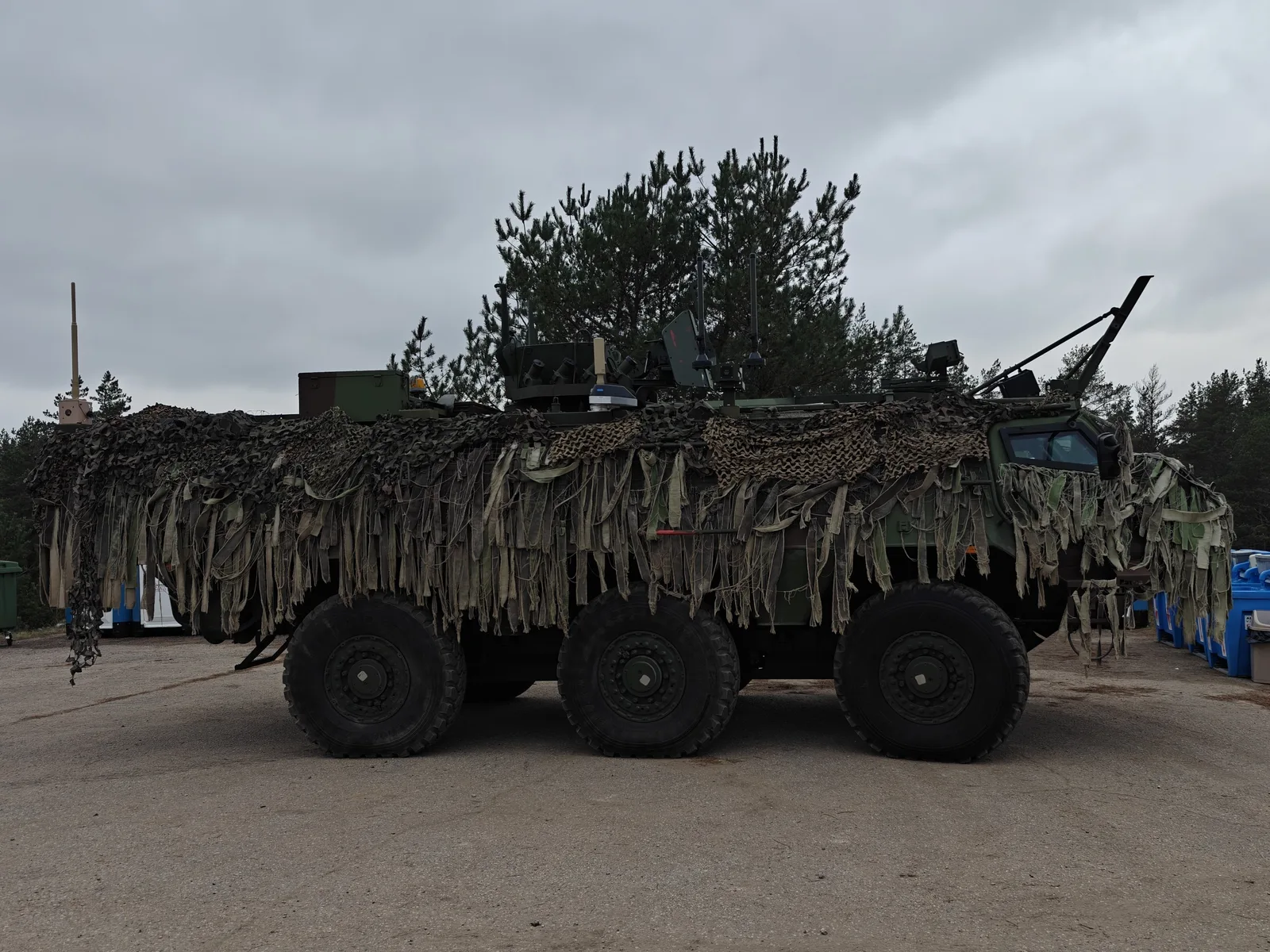
An interesting new variant of the Patria 6×6 was seen at the Ādaži range, understood to be configured for control of unmanned platforms and/or as a C2 node, with operators at control stations housed in the rear crew area.
An interesting new variant of the Patria 6×6 was seen at the Ādaži range, understood to be configured for control of unmanned platforms and/or as a C2 node, with operators at control stations housed in the rear crew area. (Mark Cazalet)

However, one of the core concerns among armed forces has been that because the technology changes so fast, anyone that buys a large stockpile of current-generation unmanned platforms risks them being obsolete by the time they are needed. This can be thought of as ‘obsolescence anxiety.’

Vandier addressed this kind of thinking, noting, “[one] argument is: ‘because it’s obsolete, we should buy less and wait.’ I don’t think that anyone in China would see [Xi] Jinping and say the same thing. And so the obsolescence is just sometimes an excuse not to do things. We need to change our mindset…You don’t say yourself: ‘I will not buy a phone because I’m waiting the next generation of iPhone.’ You buy it, and then you buy it again.”

In response to a Warsight question on how to address obsolescence anxiety, Vandier said: “I think war is the essence of obsolescence. So at the moment you destroy everything, I think we need to accept that. We are in a technological age where obsolescence is everywhere…your phone, your computer, your car, everything will be obsolete. And so the economy is about obsolescence. Why should the military be out of it?”

While Vandier’s thinking seems sound in the face of the onward march of technical progress, good military theory can often clash with the ugly reality of limited budgets. Warsight asked whether this would mean that NATO countries would need to begin divesting some of the traditional, more expensive military capabilities to free up budget to continuously acquire new unmanned platforms.

To this, Vandier was quick to explain that the sacrifice in conventional platforms could be relatively small given the price differentials, “at the expense of a single big, expensive capability, you have hundreds of others. At the expense of, I’d say, a frigate, you will have 6,000 USVs [unmanned surface vehicles], which is more than all of NATO needs. Have you an idea of number of surface combatants we have in NATO? It’s 200. So you pay for one, and then you have covered what you need. So it’s not a question of trade-off. It’s just a question of mindset.”

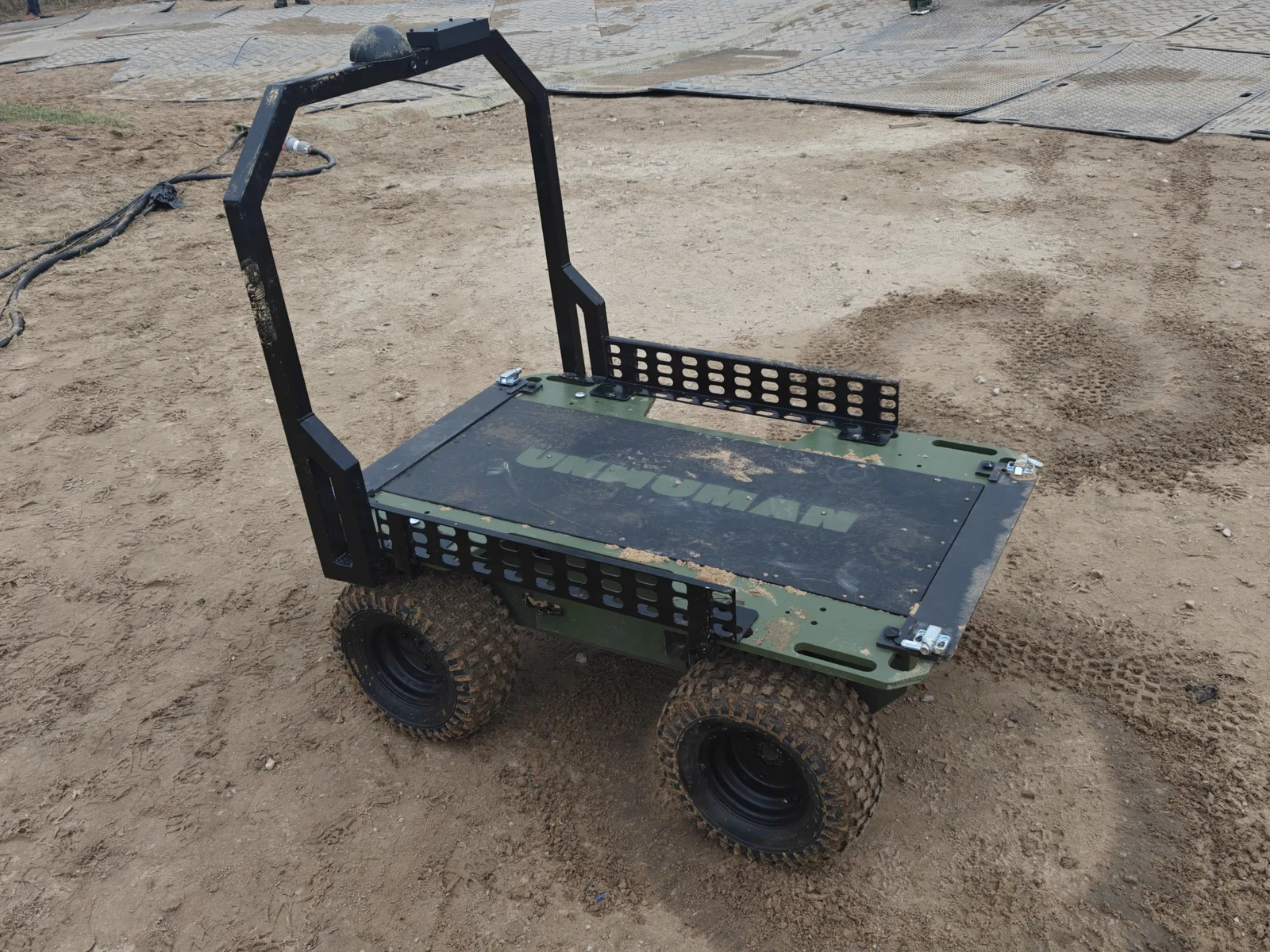
An Unhuman unmanned ground vehicle (UGV) from Latvian company Brasa Defence Systems, seen here configured in the cargo carrier role. Unmanned platforms such as this can replace larger and more expensive manned platforms in some roles. While one of these will not carry as much as a logistics truck, twenty might, and smaller vehicles would present a less obvious target during last-mile supply runs close to the front.
An Unhuman unmanned ground vehicle (UGV) from Latvian company Brasa Defence Systems, seen here configured in the cargo carrier role. Unmanned platforms such as this can replace larger and more expensive manned platforms in some roles. While one of these will not carry as much as a logistics truck, twenty might, and smaller vehicles would present a less obvious target during last-mile supply runs close to the front. (Mark Cazalet)

Responding to a Warsight question on what kind of level of funding militaries would need to devote to repeatedly procuring new unmanned platforms, Vandier said:

“the growth of the budget gives margins we didn’t have before. And so I think it’s good deployment of the money where we should allocate a minimum percentage to the new [technology], I would say that 5% will be enough. We can afford 5%, instead of more expensive, exquisite platforms in limited numbers. And we know that we will face this this mass on the other side. If we are not able to kill nine million drones a year, then probably, we are in danger.”

Such figures are sobering. They entail NATO forces being capable of downing aerial targets at a rate of several orders of magnitude more than has ever been done in history, and being credibly ready to do so within a timescale of just a few years.

Reaching the level of capability outlined by Annibale and Vandier is going to require a monumental transformative effort by the 32-member alliance. While politics may still have a role to play in deciding the speed of this transformation, the coming years are likely to be extremely busy for the C2, targeting, and C-UAV market segments.

Share post

You may be interested in

Categories

All NewsOperationsPolitics

Used tags

Allied Command TransformationC-UAVC2DiBaxLatviaLCI-XNATONetworked TargetingNGTOperational Experimentation

Similar posts