Thales was recently awarded the a US Navy contract for remote mine-hunting capabilities, and has conducted a demonstration with HII to show how its systems can support MCM operations.
Thales moves forward with development of uncrewed systems for MCM role
On 2 November 2026 Thales announced that its Advanced Acoustic Concepts (AAC) subsidiary had secured a USD 53.9 million US Navy contract for two Remote Mine Hunting (RMH) modules and engineering support.
According to Thales, the capability enables sailors to remotely detect, locate, and classify undersea mines. The RMH includes an multi-view towed synthetic aperture sonar, plus AI-augmented automatic target recognition (ATR) algorithms.
On 17 November 2026, a Thales spokesperson told Warsight that the company “will deliver the first 2 RMH modular kits by 2029 with the potential of follow-on kit options through 2039.” The company also confirmed, “this is the first integrated Remote Mine Hunting capability requested by the US Navy.”
The company highlighted to Warsight that the RMH towed synthetic aperture sonar (TSAM) sensor “can be integrated onto both manned and (preferred) unmanned surface vessels [USVs] to provide remote standoff capability.”
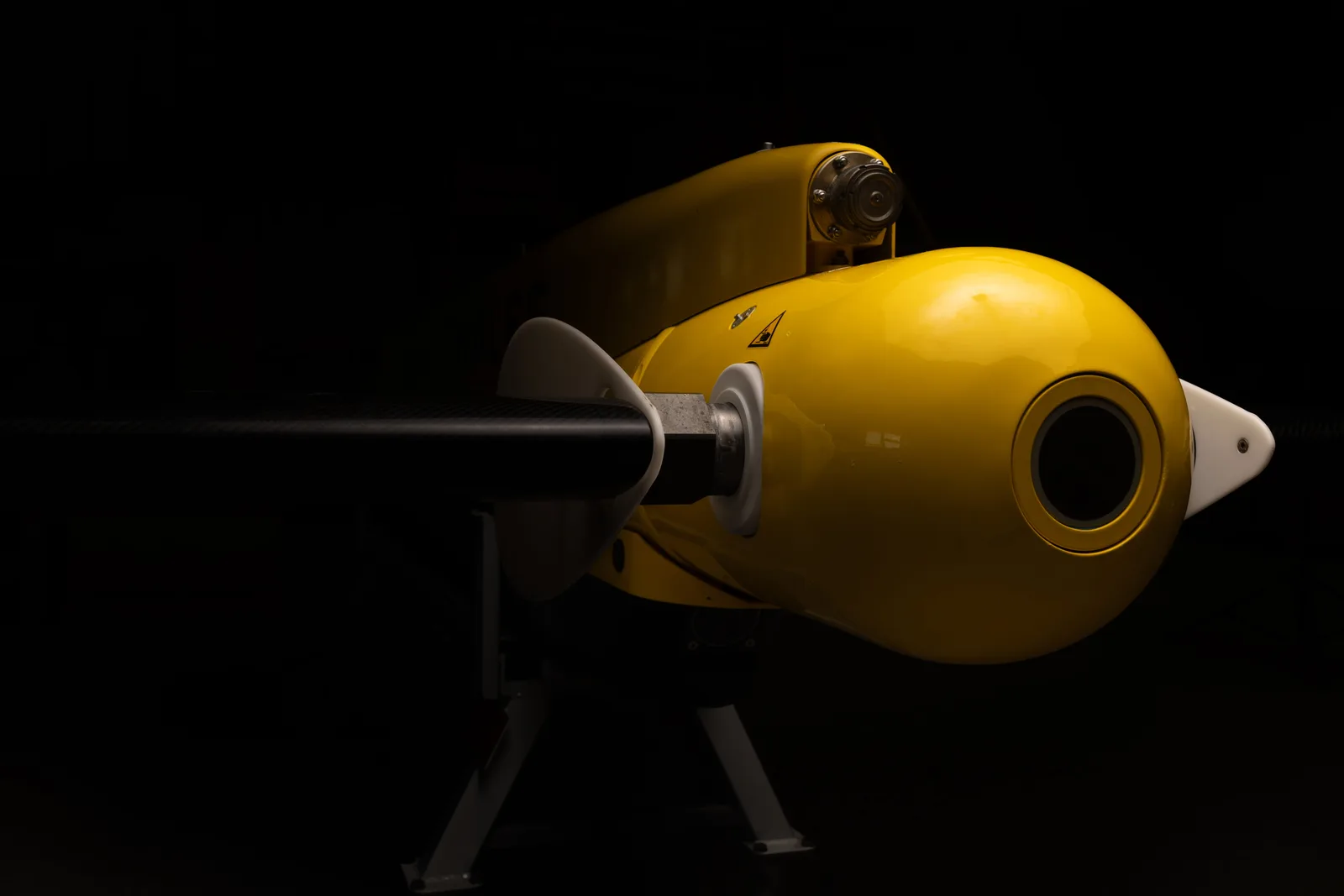
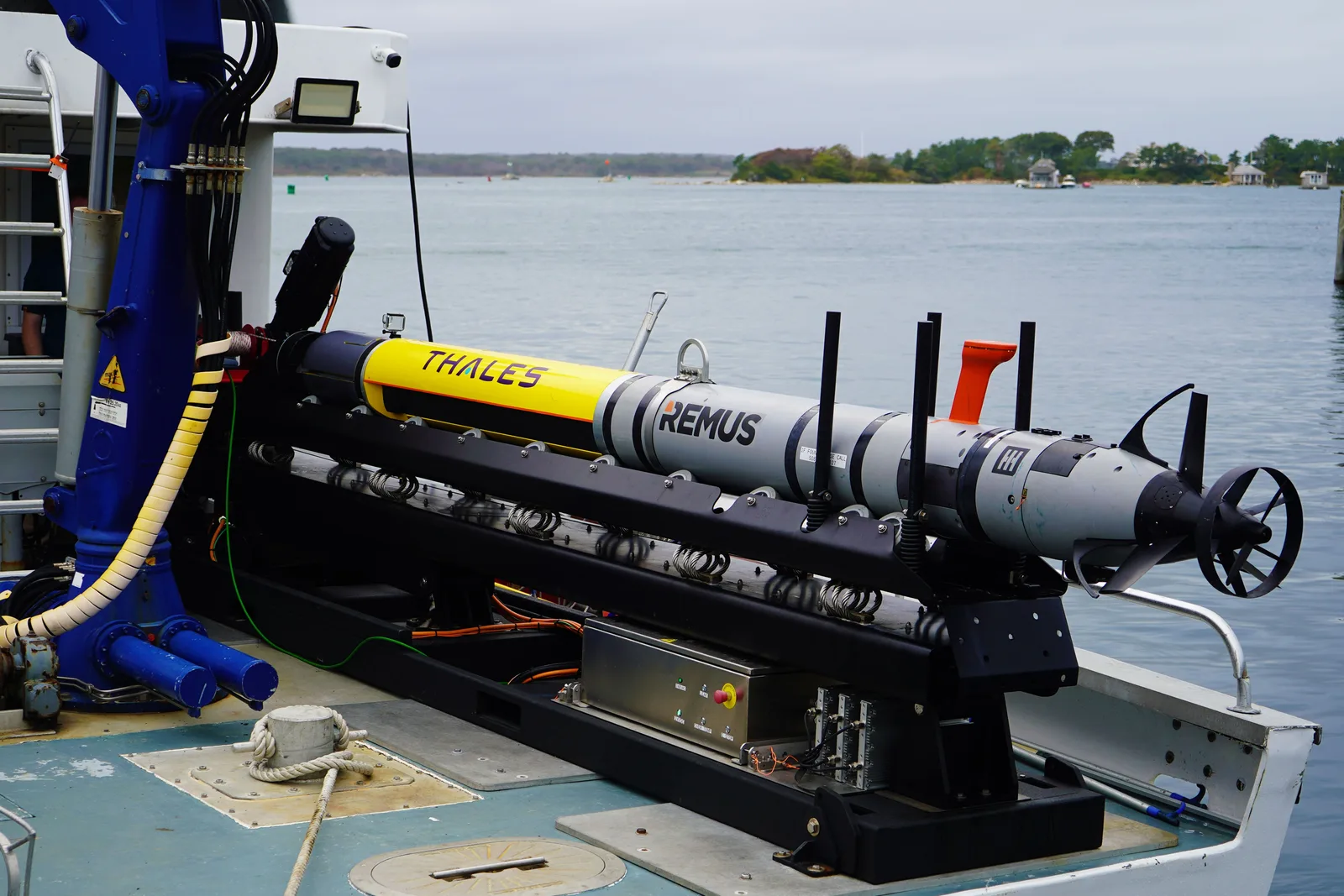
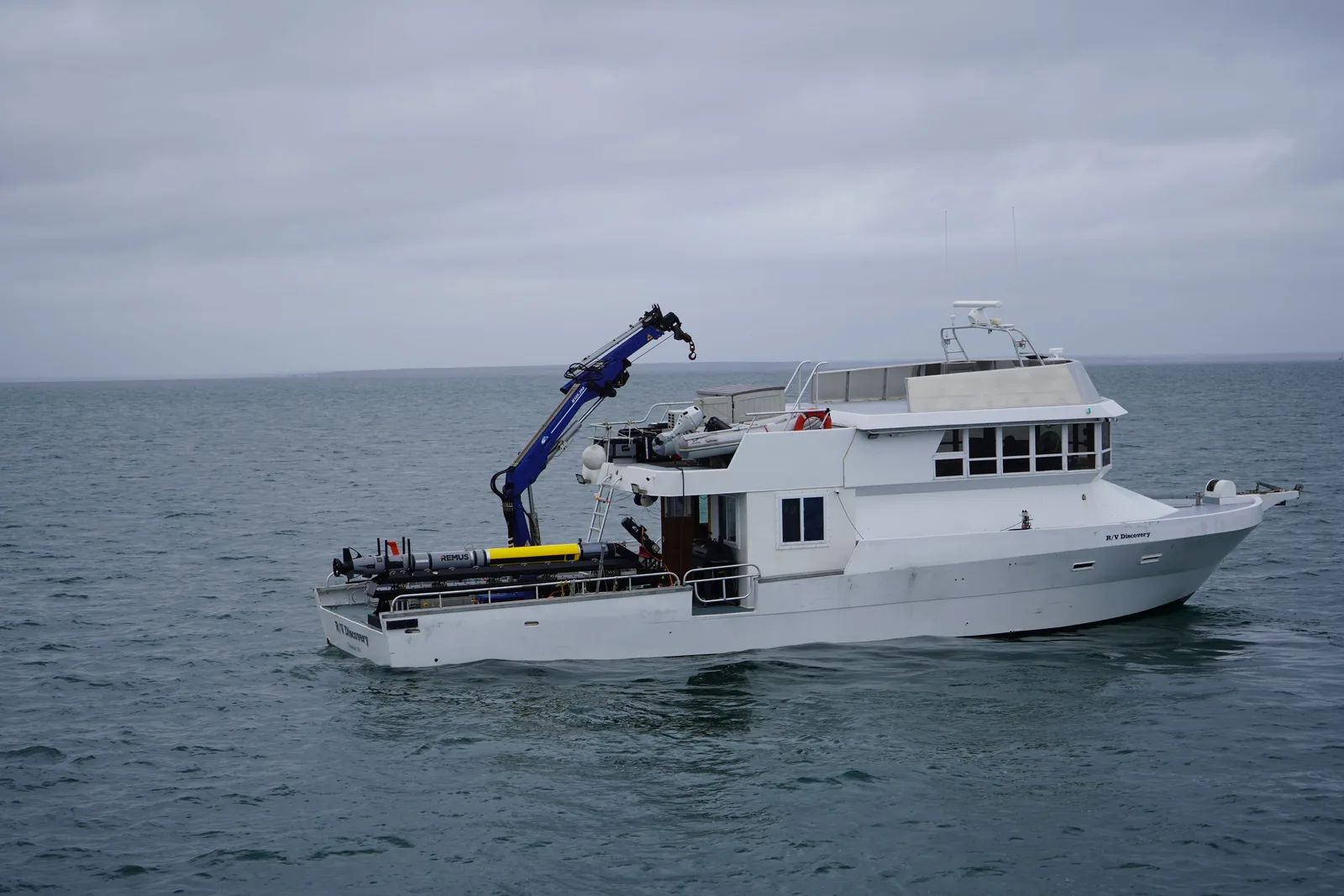
The company is also turning to partnerships to provide more comprehensive solutions to naval services. On 3 November, Thales and HII announced a successful demonstration of Thales’ Expeditionary Pathmaster – described as an “open and modular expeditionary mine countermeasure architecture” designed to “integrate autonomous platforms” – which was integrated aboard one of HII’s REMUS 620 uncrewed underwater vehicles (UUVs).


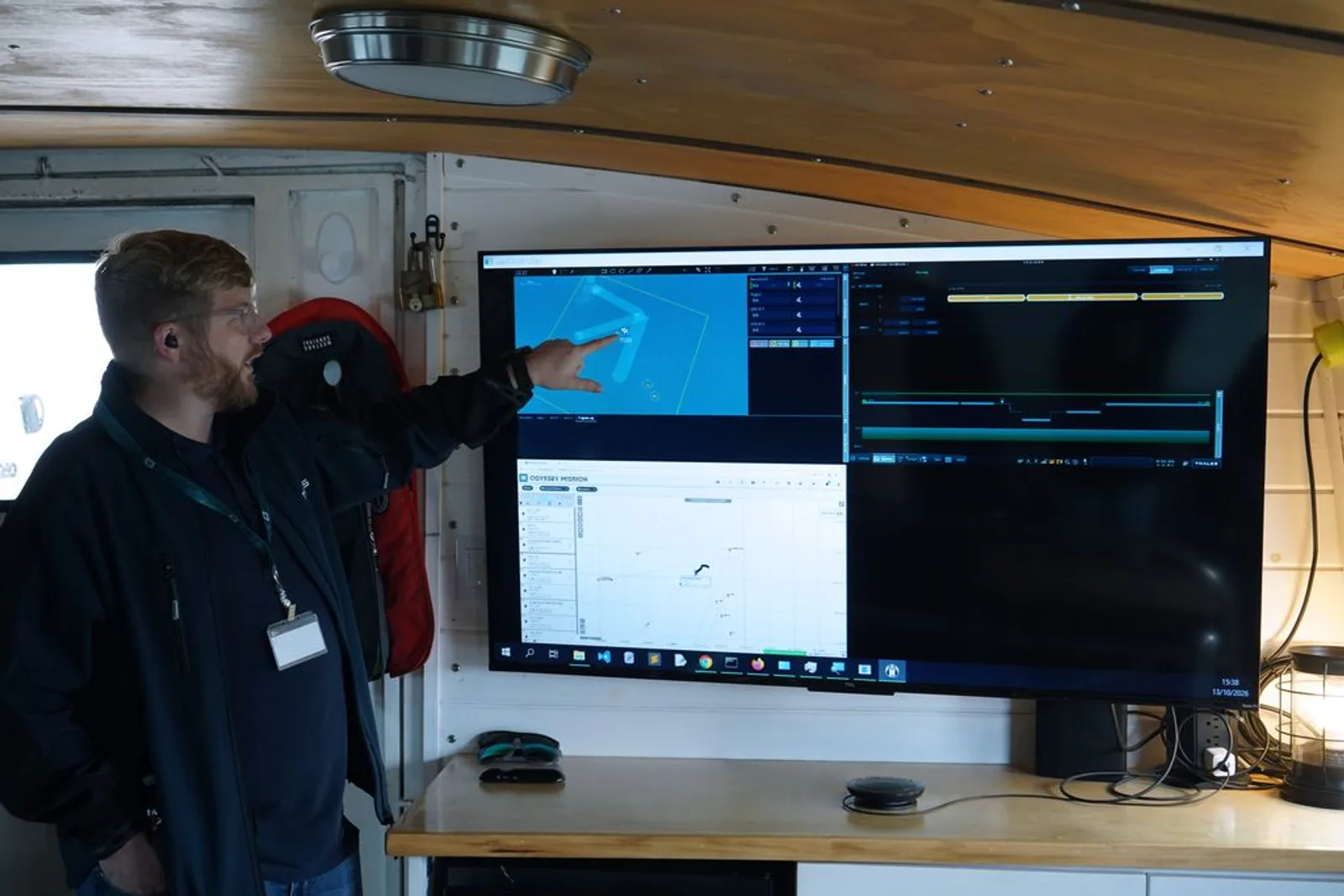
The exercise also integrated “HII’s Odyssey mission management solution and Thales’ Advanced Acoustic Concepts’ ANGLER mine neutralisation capability.”
The demonstration went as follows: the REMUS 620 and Thales SAMDIS 600 multi-aspect sonar located potential mine threats, while Thales software analysed the detected threats. Finally Thales AAC’s ANGLER underwater effector and Remotely Operated Vehicle (ROV) completed the mission, which included “providing the means to engage and neutralise the identified mine.”
The growing importance of unmanned MCM
Mine countermeasures (MCM) systems, training, and equipment are in high demand, with naval mines a major concern for navies and shipping networks, as exemplified by mine contamination in the Strait of Hormuz and Black Sea. USVs and UUVs provide a good option to locate and neutralise underwater mines without putting humans in danger.
In a 30 September 2026 analysis piece, Admiral (ret.) Massimo Vianello and Master Chief Petty Officer (ret.) Giovanni Giorguli, both from the Italian Navy, argued that “the military value of the naval mine lies not only in its destructive potential, but also in the uncertainty it creates.” The “unknown” factor of what lurks in the depths of the sea can slow operational tempo and “compel the adversary to commit specialised assets” to clear an area.
The demand for USVs and UUVs designed for MCM missions can also support the development of hybrid fleets, which is a goal for several global navies, particularly the US Navy.

Thales explained to Warsight that a mix of crewed and uncrewed vessels can “deliver greater mine-hunting capacity at greater standoff distances,” with RHMs being towed by uncrewed vessels providing “a much higher clearance rate than a single manned mine-hunting ship (a practice done today).”
Additionally, having a USV and UUV with an MCM package onboard, ready for quick deployment, can significantly speed up the time needed for a ship to clear an area where underwater mines could be hiding, rather than waiting for a specialised vessel to arrive to perform the same search-and-neutralise operation.
Expanding MCM experimentation
For navies worldwide, learning to make use of USVs and UUVs in the MCM role has required significant testing, operational experimentation, and sharing experience. Numerous such efforts have taken place over the course of 2026 in the European and the Asia-Pacific theatres.
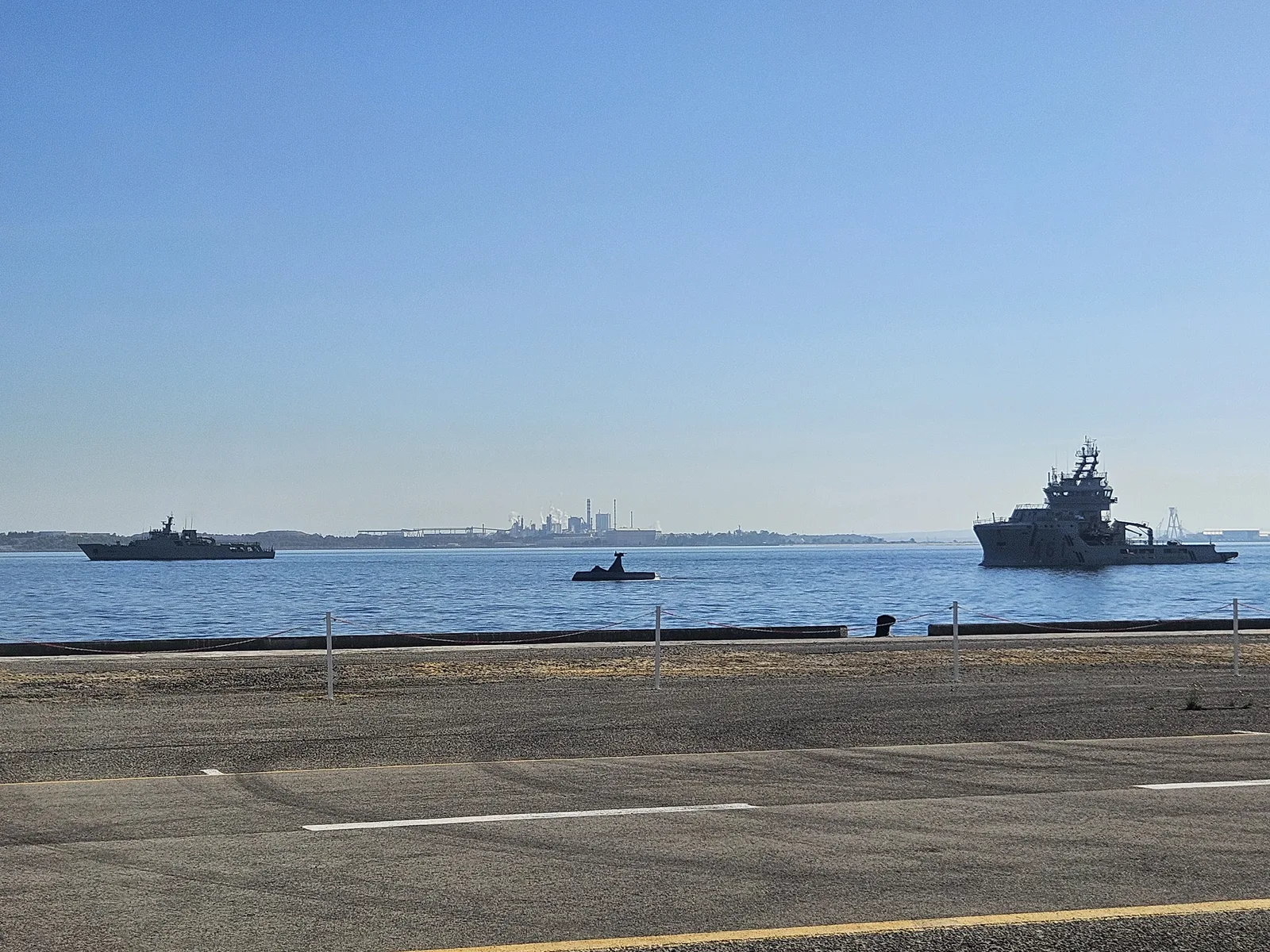
The Portuguese Navy-led Robotic Experimentation and Prototyping with Maritime Uncrewed Systems (REPMUS) is the leading exercise to test new maritime uncrewed technologies, including novel MCM technologies. The 2026 edition involved 19 NATO navies and took place from 31 August to 25 September off the coast of the Tróia peninsula, Portugal.
From 13-22 May, vessels assigned to Standing NATO Mine Countermeasures Group Two (SNMCMG2) participated in Exercise ITA MINEX 2026 taking place in the Mediterranean Sea, which included “professional exchanges regarding the evolving role” of USVs in MCM operations.
From 9-24 July, the US Navy and the Japan Maritime Self-Defense Force (JMSDF) engaged in Mine Warfare Exercise 2JA 2026.
On 16 October, off the coast of Busan, South Korea, the US Navy, the Republic of Korea Navy, and 15 partner nations carried out the ninth Multi-National Mine Warfare Exercise 2026 (MNMIWEX 26), which included vessels like the US Navy’s Avenger-class MCM ship USS Chief (MCM 14) and mine-laying and hunting vessels from the ROK Navy Mine Warfare and Salvage Flotilla 52.

Share post