REPMUS 26: Serial demonstrated an attack on a NATO frigate using over 60 uncrewed platforms

During the REPMUS 26 exercise, a serial showcased how massed maritime uncrewed platforms could be used to both attack and defend a Portuguese Navy Frigate. The experiment highlights how alliance navies are accelerating the generation of uncrewed mass at scale.

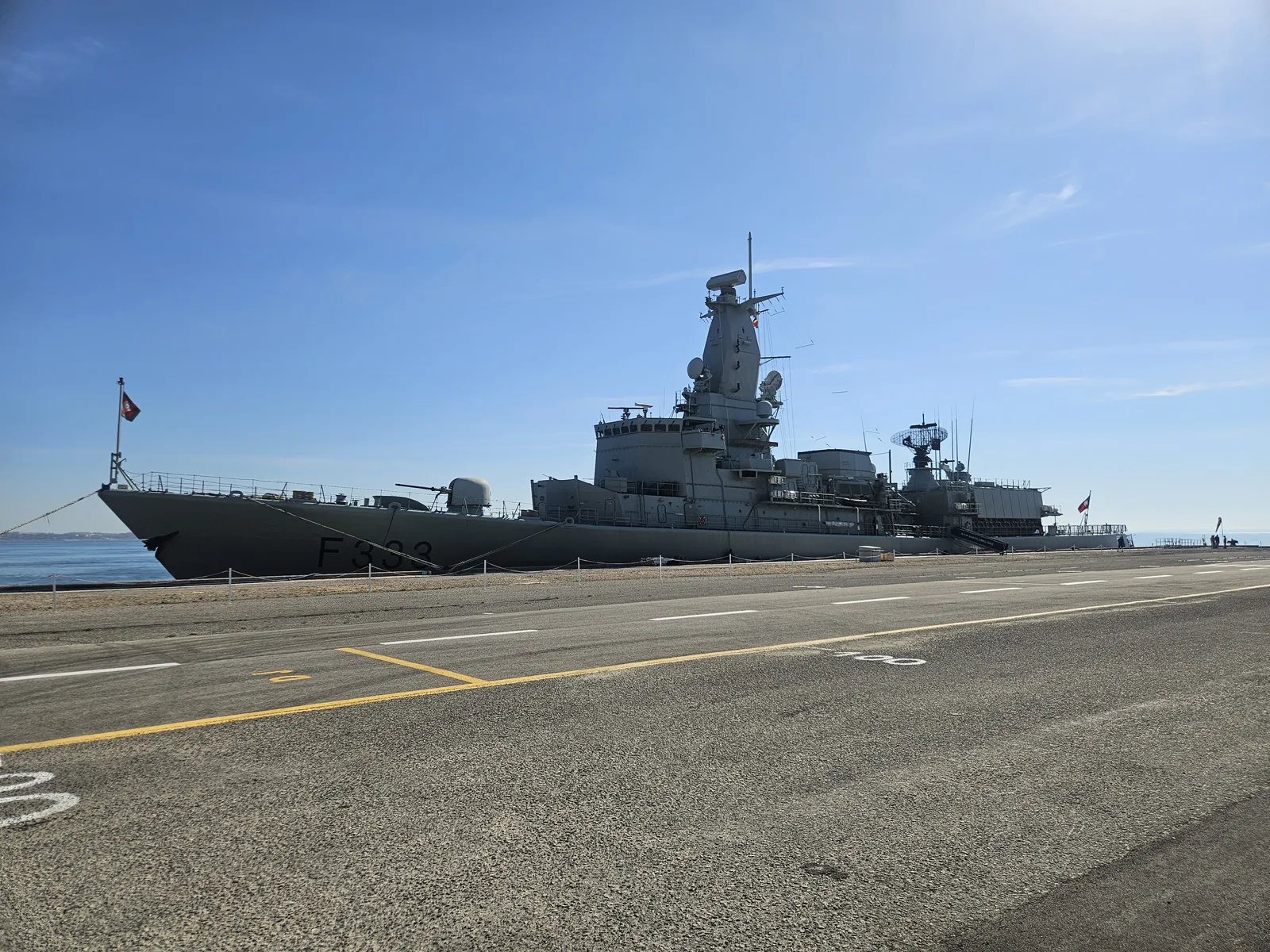
The Portuguese Navy M-frigate NRP Bartolomeu Dias was the centrepiece of a REPMUS 26 serial that saw integrated layers of uncrewed systems used to attack and defend the vessel.
The Portuguese Navy M-frigate NRP Bartolomeu Dias was the centrepiece of a REPMUS 26 serial that saw integrated layers of uncrewed systems used to attack and defend a crewed platform. (Dr Lee Willett)
Dr Lee Willett

In September 2026, during a serial conducted at the ‘REPMUS 2026’ exercise, the assembled NATO navies demonstrated their growing ability to generate mass using maritime uncrewed systems (MUS), and to integrate such MUS mass with crewed platforms in realistic operational scenarios.

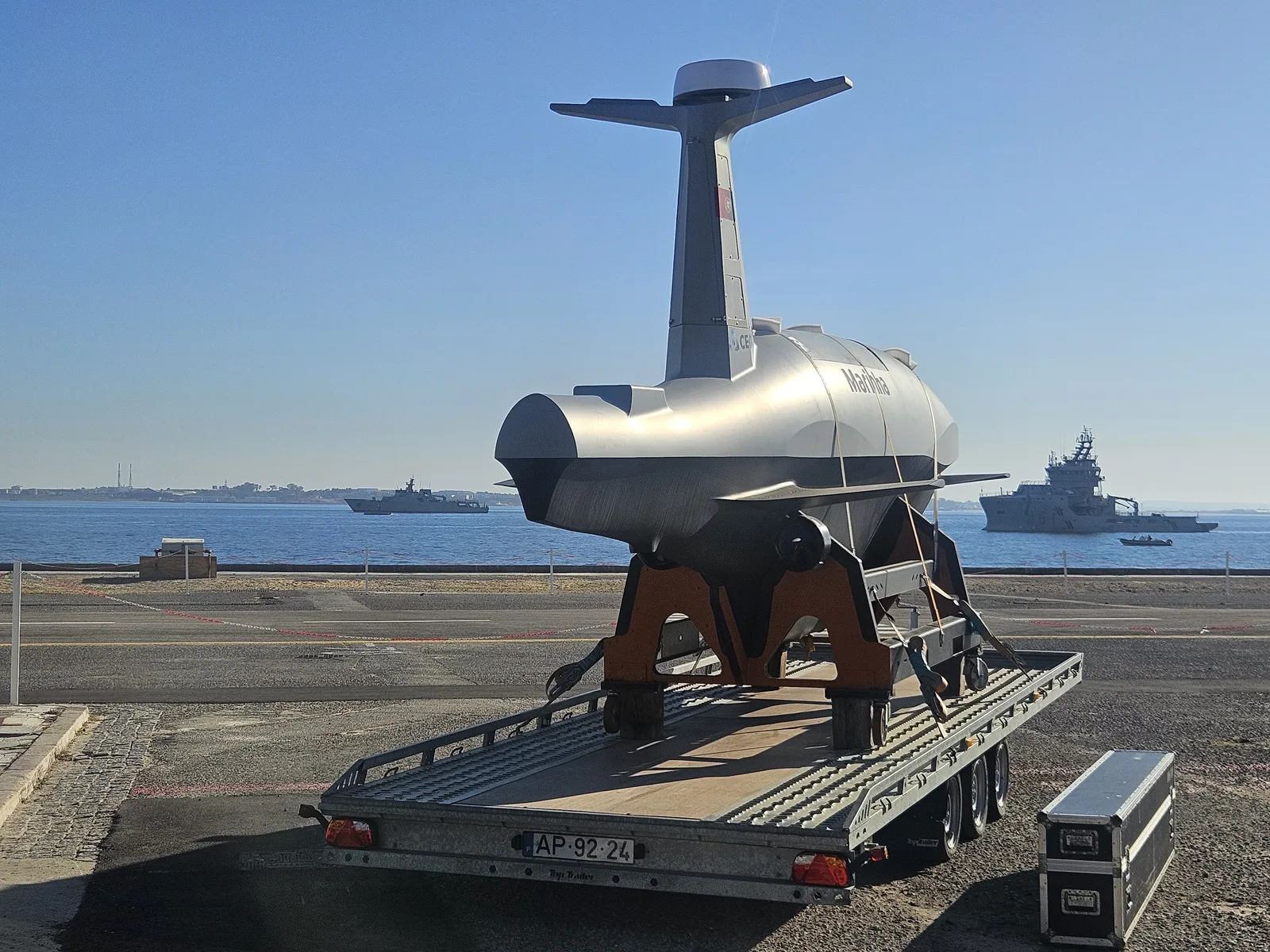
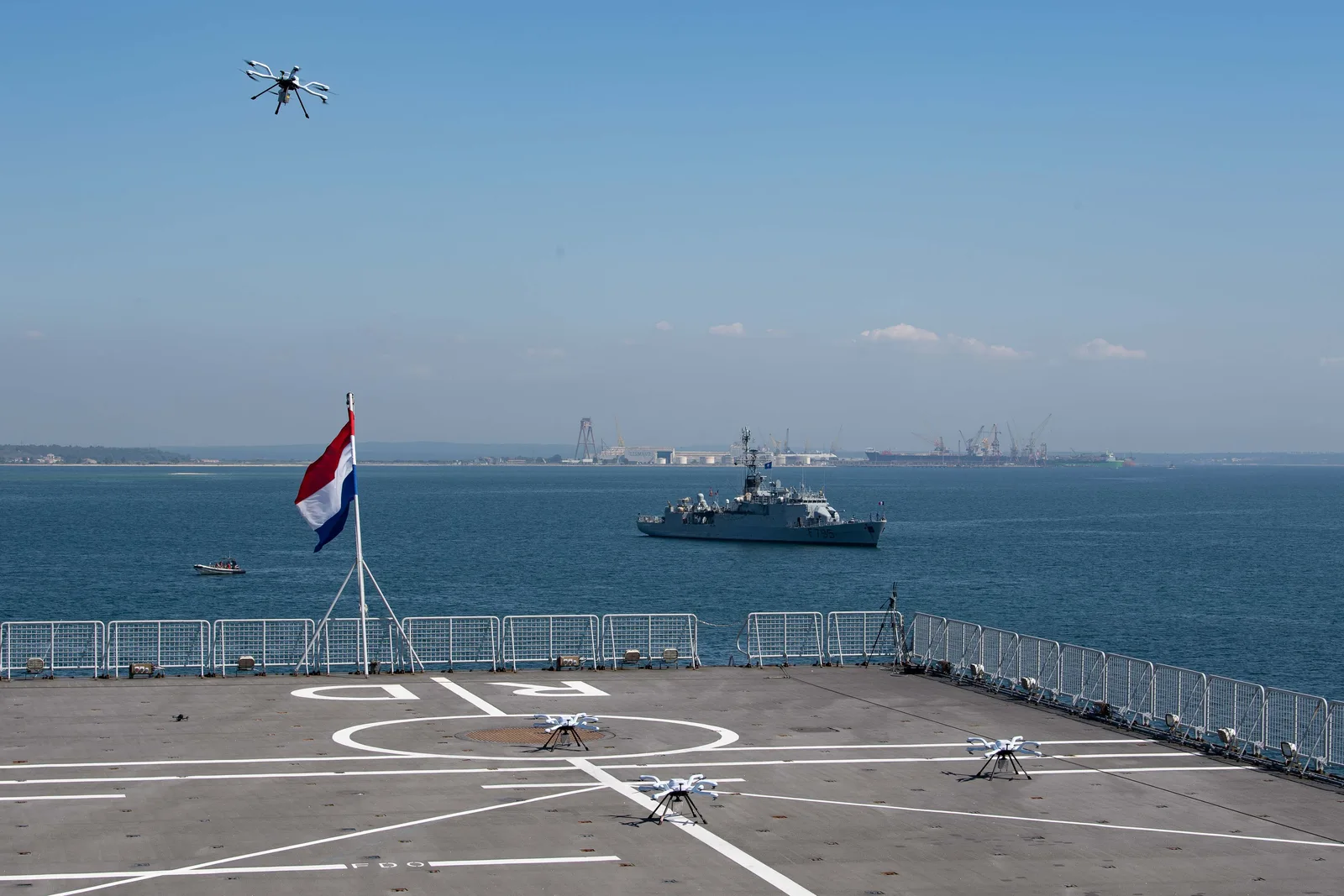
In one serial, the Portuguese Navy’s M-class frigate NRP Bartolomeu Dias was deployed to patrol a NATO maritime exclusion zone, escorted by up to 30 uncrewed surface vessels (USVs) and uncrewed aerial vehicles (UAVs). The frigate was attacked by a force numbering more than 60 USVs and UAVs. The outcomes of the serial were not discussed at the time.

While the patrol was a straightforward, routine task for NATO naval forces, the introduction of integrated MUS layers on both ‘sides’ of the serial underlined the level of complexity now being generated in ‘REPMUS’ activities, Captain Caldeira de Carvalho – Director of CEOM (Centro de Experimentação Operacional da Marinha), the Portuguese Navy’s operational experimentation (OPEX) centre – told media during a visit to the exercise’s final week.

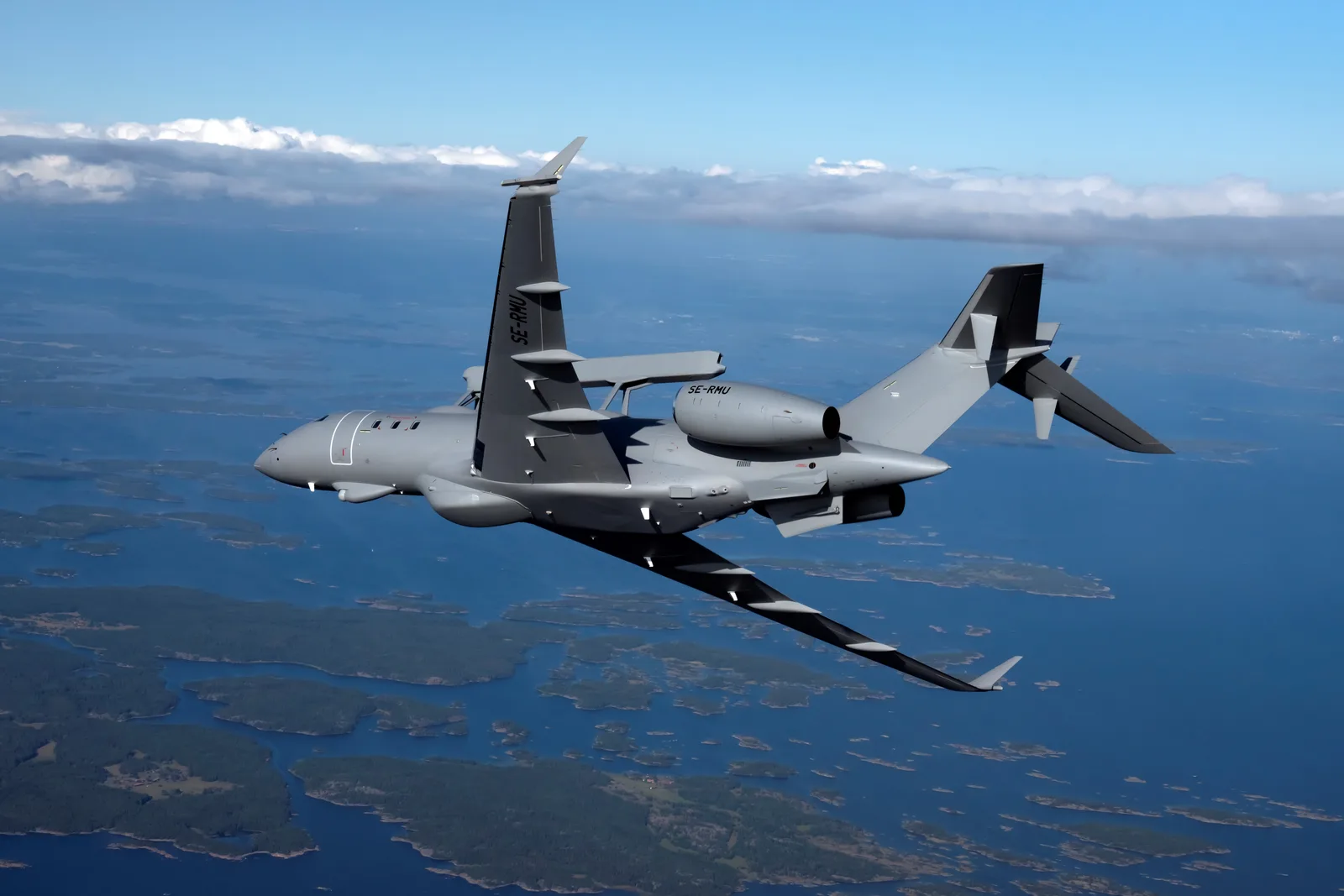
“You’re talking about a very complex serial,” Capt Carvalho continued. For example, he explained, within the ‘red force’ targeting the frigate, “The UAVs were not used for attack; they were used to locate the frigate and to manoeuvre the USVs to enter [the area] and attack the ship.”

In the case of the defensive ‘blue force’, he added, “We have a complex exercise, with crewed and uncrewed systems working together to defend [the frigate] from uncrewed systems.”

Throughout REPMUS 26, the ‘red force’ was run by Commander Task Group (CTG) Valhalla, consisting of the exercise’s Nordic and Baltic participants but also Ukraine. Ukrainian forces have participated in REPMUS for several years. This participation permits new technologies to be introduced to the Ukrainians, who then ‘test’ them in both exercise and battle.

“It’s a ‘win-win’ situation,” said Capt Carvalho. “We give them the assets and teach them how to … use them; they add the combat experience to the doctrines and the tactics, techniques, and procedures [TTPs] we use.” The Ukrainians’ participation, including as the ‘red force’, thus adds something fundamental, Capt Carvalho explained: “It gives us another perspective on using USVs as an integrated force, and shows us ways to develop doctrine and [TTPs] for USVs.”

REPMUS (Robotic Experimentation and Prototyping with Maritime Unmanned Systems) is a combined Portuguese Navy/NATO annual exercise, which takes place around the Tróia peninsula, southern Portugal, across the first three weeks in September. It is continuing to build from its baseline as an exercise driving technology innovation to one connecting such innovation to contemporary naval warfare requirements through implementing complex, high-level OPEX.

Simplicity and complexity

The complexity was underlined further in the REPMUS serial and across the exercise by the fact that command and control (C2) of the collection of crewed and uncrewed platforms was conducted using nine separate (national and other) command and control (C2) systems that were networked together using a ‘mesh network’ construct.

Networking these nine software set-ups was itself enabled by the fact that each complied with NATO Standardisation Agreement (STANAG) 4817, the alliance standard developed to ensure a common architectural framework for MUS C2 systems and to enable MUS vehicle interoperability, integration, and interchangeability. “The systems all talk with each other and all coordinate with each other,” Capt Carvalho said.

The ‘mesh network’ also draws in and integrates data from commercial maritime sources – like AIS (surface vessels) and ADS-B (aircraft) – and then feeds it into a common operational picture shared across all assets.

“All the command systems are interoperable: they receive the same feed and everyone has the same picture. Some have different tools than others, but the feed [into] the systems is the same, and all of them see the same scenario,” said Capt Carvalho.

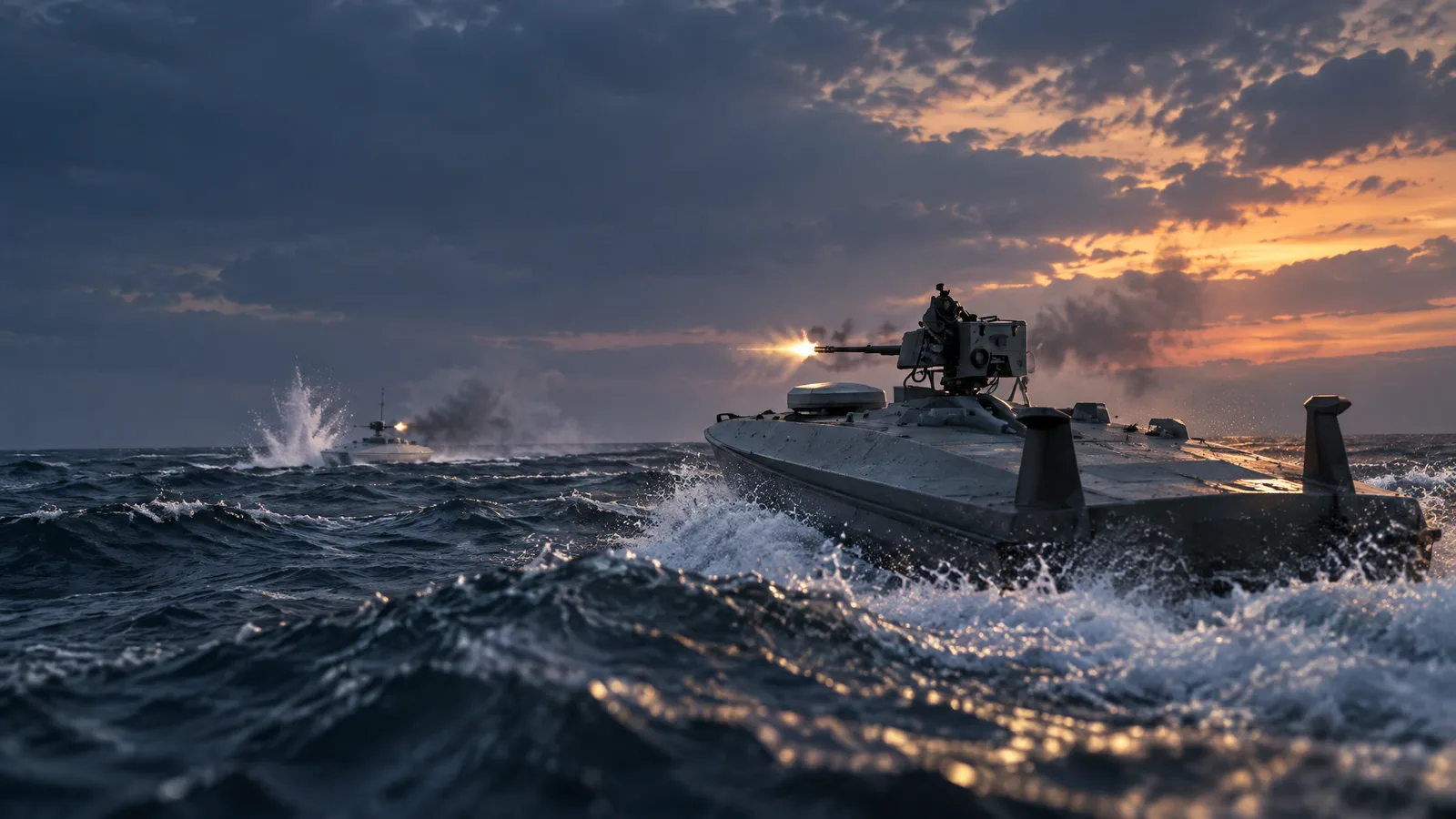
Cued and guided by UAVs, USVs were used in the serial to prosecute the frigate target. Pictured is a Portuguese Navy Barracuda USV.
Cued and guided by UAVs, USVs were used in the serial to prosecute the frigate target. Pictured is a Portuguese Navy Barracuda USV. (Dr Lee Willett)

Within this integrated C2 network, REPMUS is further moving the needle on crewed/uncrewed integration. The naval operators – the humans in the loop – retain the operational perspective on the maritime battlespace and generating the ‘what’ in a mission, but the MUS are tasked with co-ordinating together to determine and deliver the ‘how’.

“The ‘blue’ and ‘red’ assets are obliged to transmit their own position…The ‘data mesh’ connects all the information,” said Capt Carvalho. Moreover, he added, “We have positive control of where the assets are and assure their safety, [and have] separation of the assets before the confrontation.”

Real-world operating environments mandate NATO navies to generate a level of training and readiness that is supported by live tactical exercises, like NATO Allied Maritime Command’s ‘Dynamic’ series, which include the use of classified information and activities and an emphasis on training the doctrine and capabilities already in hand.

REPMUS is not designed to deliver that level of classified capability and complexity, said Capt Carvalho. However, its focus on testing innovative technologies is increasing and accelerating emphasis on those that bring ‘real-world’ operational relevance. Here, the captain explained, the uncrewed vehicles themselves are often well-proven, but it is testing and integrating their payloads and trying different ones that is crucial at REPMUS. “More than the asset itself, you are training the payloads and interoperability, and the [focus on] digital tasking,” he said.

The current conflicts in the Gulf and Ukraine are both illustrating how the protagonists are building and using ordnance en masse. Scaling MUS in mass terms is a core NATO operational requirement. Capt Carvalho said NATO navies already have the capacity to scale up the tactical capability in their MUS vehicles, but where REPMUS is also important now is in scaling up MUS TTPs and doctrine for operational application.

Innovation to operation

REPMUS was conceived as an exercise focused on developing innovative MUS-related technologies. Today, the pressing reality of real-world threats means it is rapidly accelerating its contribution towards generating operationally ready MUS-based capabilities.

The frigate serial highlighted how the exercise is now linking emerging uncrewed system technologies directly into operational requirements and outputs. A vehicle developed by a university research team or a small-to-medium enterprise can be tested at the event before being integrated into the combat system and wider battlespace network of a multi-million Euro frigate, said Capt Carvalho.

The tactical-, operational-, and strategic-level impact of REPMUS for NATO deterrence and defence, and the increased real-world relevance it is layering through OPEX, is something the Portuguese Navy and NATO continue to underline. “We must show that … crewed and uncrewed systems are the future, and we must go with it,” said Capt Carvalho.

Share post

You may be interested in

Categories

All NewsSea

Used tags

MUSNATONaval WarfarePortugalPortuguese NavyREPMUSUAVsUkraineUSVs

Similar posts