The renegotiation of the US-Israel Memorandum of Understanding covering military aid could drive a greater Israeli push for localised defence industrialisation.
Package negotiation: Israel’s US military financial support
A negotiated peace in the Middle East in the late 1970s came with a significant military support package from the United States that was granted to both Israel and Egypt in an effort to maintain a mutual conventional deterrent. The Foreign Military Financing (FMF) programme was used as a vehicle to deliver this assistance, while also ensuring the US defence-industrial base could receive appropriate support. Israel’s aid was codified into 10-year agreements in the late 1990s, with negotiations for the 2028-38 agreement now underway.
As the negotiations have begun in earnest, Israel has been increasing its efforts to expand its own domestic industrial capabilities. The approaching end of the current US-Israel Memorandum of Understanding’s Off-Shore Procurement funding has come as politicians in both Israel and the US seek to tap into nationalist sentiments around defence, security and manufacturing. Israeli Prime Minister Benjamin Netanyahu said in an interview in January 2026 that he was aiming to “taper off” US military aid to Israel to zero over the next decade, which came shortly after comments in December 2025 that the Israeli government would spend INS 350 billion (USD 110 billion) to develop its own defence- industrial base.
There is a significant impetus driving the negotiations. US mid-term elections in November 2026 could lead to a US Congress that is hostile to the Trump Administration and its policies towards the Middle East. Legislative elections in Israel in late October 2026, meanwhile, are expected to be a defining point for the country, as the electorate will ultimately be endorsing or rejecting the policies of the Netanyahu government over the past four years.
FMF structure
The origin of the US FMF arrangement can be traced back to the 1978 Camp David Accords and subsequent 1979 Egypt-Israel Peace Treaty. Through bilateral agreements with the US, financial support for Israeli and Egyptian military capabilities was subsequently codified through US budgets. Aid levels were initially established at USD 3 billion over three years from 1979, divided into USD 800 million in cash grants and USD 2.2 billion in Foreign Military Sales (FMS) credits. Egypt, similarly, was to receive USD 1.5 billion over three years from 1979 and up to USD 500 million in annually in FMS credits.
A supporting financial facility, known as Off-Shore Procurement (OSP) funding, was created in the 1980s to support local manufacturing, research and development (R&D), and domestic security of supply. Initially used as a vehicle to support the development of the Lavi fighter aircraft, the cancellation of the Lavi programme in 1987 saw a redefinition of the OSP funding to support other Israeli R&D and production programmes.
In the late 1990s the US government moved to a process of planned disbursement of finances with Israel as part of its reshaping of economic aid to Israel. The process changed to a 10-year memorandum of understanding (MoU) process, which reduced the government liability that would follow if it was passed as a law. The total amount of aid to Israel under the first MoU was valued at then-USD 26.7 billion, of which USD 21.3 billion was in military aid.
The second MoU, covering 2009-2018, was agreed in 2007. A military aid package was agreed, valued at USD 30 billion over 10 years, with 26.7% (approximately USD 800 million) of each year’s grant to be converted to Israeli shekels for procurement of Israeli-made equipment.
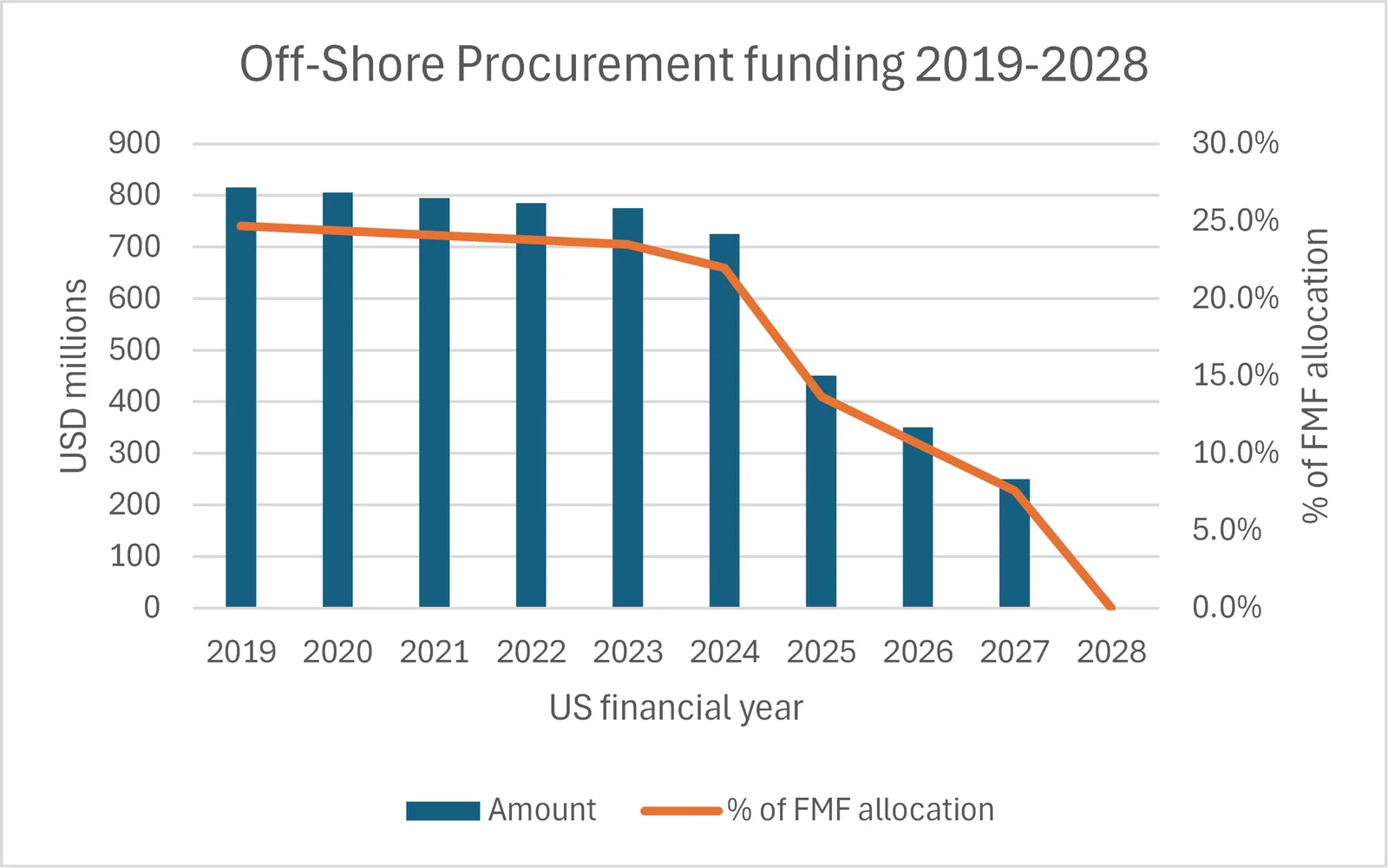
The most recent agreement, covering 2018-2028, was agreed in 2016 and introduced significant changes to previous MoUs. One of the most critical changes was the ending of the OSP facility over a phased period, with the USD 815.3 million level in 2019 being reduced annually until being phased out in 2028. The US would, however, commit to providing USD 500 million each year for the co-operative development, production and procurement of missile defence technology. Israel was to match the missile development funds – either financially or non-financially – and agree to 50% or more production of co-developed equipment in the US.
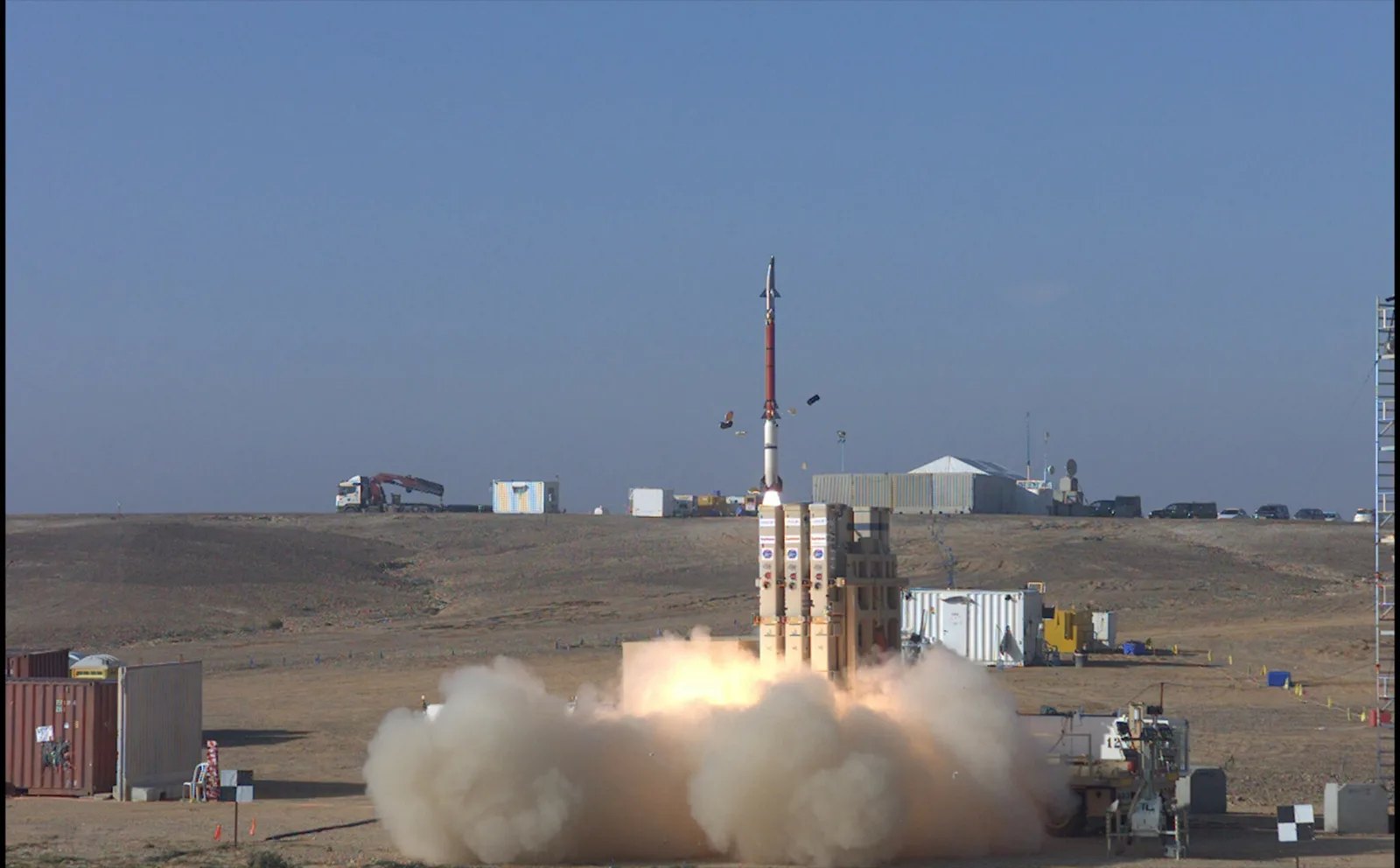
Despite the largess of US FMF grants, the US has continued to expand its support for Israel. Following the 7 October 2023 terrorist attacks by Hamas, the US agreed in April 2024 to provide an additional USD 3.5 billion in FMF, of which USD 769.3 million could be converted to Israeli shekels for production in Israel. Additionally, a further USD 4 billion was allocated for missile defence, with USD 1 billion being allocated for procurement of David’s Sling air defence systems and USD 3 billion for Iron Dome air defence system procurement. A further USD 1.2 billion for development of the Iron Beam high-energy laser air defence system was also provided.

US footprint
As a response to the phasing out of the OSP provision, Israeli firms have been expanding their manufacturing and operational base in the US. This has been geared to ensure they can continue to leverage US FMF financing while meeting requirements for US jobs and supply chain procurement. It also has the benefit of reducing friction in intellectual property transfers and export controls when collaborating on co-development projects.
Of the three main Israeli defence companies – Elbit Systems, Rafael Advanced Defense Systems and Israel Aerospace Industries (IAI) – there is a wide variety of technological capabilities and offerings located in the US.
Elbit Systems has a long-established relationship with the US Department of Defense through its subsidiary Elbit Systems USA, recently rebranded as Twenty-Six Defense. The company employs 3,300 staff working on subsystems such as avionics, missile warning systems, pilot helmets, aircraft components, armoured vehicle systems and upgrades, and precision weapon seekers. The company’s footprint was significantly expanded in 2019 following the acquisition of Harris Night Vision after the Harris Corporation’s merger with L3 Technologies.
Elbit Systems USA established a manufacturing facility in North Charleston, South Carolina, in 2023 to manufacture the Sigma 155 self-propelled howitzer (SPH) for Israel and export customers and mobile command post vehicles for the US Army. Initial production of the Sigma 155 (known as the Ro’em in Israeli service) takes place at the North Charleston facility, with final assembly and integration taking place at Elbit facilities in Israel. Despite its expanded manufacturing base, the company closed a factory in Raleigh, North Carolina, in early 2026. The facility, which manufactured aerial surveillance equipment, had faced pressure from local protest groups over its ties to US military and homeland security customers.
Rafael USA, a subsidiary of Rafael Advanced Defense Systems, was established in 1993 and has expanded to production and development sites on the east coast of the US and in California. Partnerships with major US primes have included Lockheed Martin for the SPICE family of bomb guidance kits and SPIKE NLOS missile, Northrop Grumman for the Litening airborne targeting pod, Leonardo DRS for the Trophy active protection system, and Kratos Defense and Security Solutions for rocket motors.
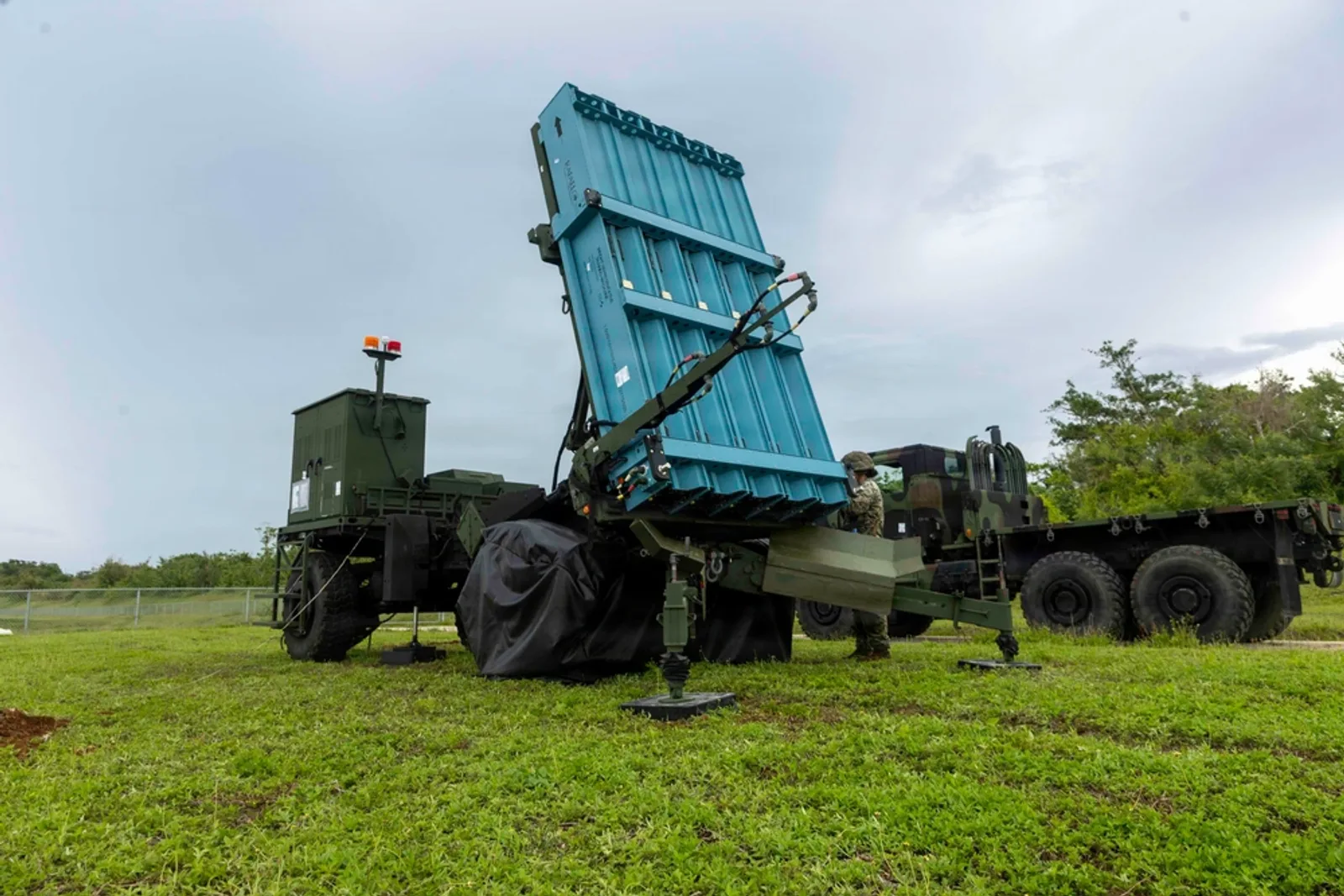
The company’s most notable venture in the US has been the formation of Raytheon-Rafael Area Protection Systems in 2020 to support the development and manufacture of the Iron Dome system. An initial teaming agreement between the two companies was signed in 2014 to co-produce components in the US, with orders for a variant of Iron Dome coming from the US Army in 2019 and US Marine Corps (USMC) in 2025. The venture received an order worth USD 1.25 billion in November 2025 to supply Iron Dome Tamir interceptors from its facility in Camden, Arkansas. The Arkansas facility will also produce SkyHunter interceptors – nearly identical to the Israeli Tamir effector – for the USMC’s Medium-Range Intercept Capability (MRIC) system.

IAI’s footprint in the US is centred on the development of the Arrow ballistic missile defence system, which was jointly developed by the Israel Missile Defense Organisation and the US Missile Defense Agency. IAI subsidiary Stark Aerospace is a Mississippi-based company involved in the manufacturing of subsystems and components. Production of Arrow 3 canisters was transferred from Israel to Stark Aerospace in 2018. IAI subsidiary ELTA North America is also involved in the Iron Dome project, manufacturing radars for the platform from its site in Maryland. Additionally, the company works on a variety of electronic warfare, counter-UAS and airborne intelligence, surveillance and reconnaissance (ISR) technology. IAI also operates a venture capital fund, IAI Catalyst, to provide investments and in-kind support to technology startups in the US.

Improving domestic self-sufficiency
Despite the significant financial and technological support from the US and its defence industry, the risk of intervention related to exports to Israel is still an issue. An example of this was a Congressional 2023 resolution being introduced by Representative Ilhan Omar to disapprove export licences where the Israel Ministry of Defense (IMOD) was the end user. While unsuccessful, the attempt to have the licences revoked showed that there was a potential to interdict the systems by denying export approval. Other challenges by legislators in the US, notably in April 2026, demonstrated that there was disquiet among policymakers that could restrict equipment exports to Israel.
Within Israel, the country has an industrial offset programme in place to ensure that economic returns are generated from foreign defence acquisition. The diversification of the country’s procurements – particularly from Germany – has helped to reduce its reliance on the US, but there is still a significant amount of equipment supplied by the US. Offsets and industrial participation with Germany on submarines, for example, has led to agreements with TKMS to support the “development, integration and commercialisation of advanced naval defence solutions” as well as submarine maintenance and sustainment.
In January 2025 the IMOD awarded a contract worth NIS 1 billion (EUR 0.29 billion) to Elbit Systems to produce air-launched munitions and establish a raw materials manufacturing capability. The deal was announced by the IMOD as part of a “blue and white” procurement policy that would prioritising domestic defence “strengthen the economy, expand domestic production lines, and ensure optimal response to the IDF’s [Isreal Defense Force’s] current and future operational needs”.

Arming a competitor?
The collaborative projects around air defence have, however, meant that Israeli firms are now successfully competing against the US in some traditional markets in Europe and the Middle East. While overall co-developed platforms such as Iron Dome and David’s Sling are marketed and sold internationally, co-developed subsystem products such as radars are used to enable other systems such as Rafael’s SPYDER air defence system.
Continued successes by Israeli-made equipment against a raft of air threats over the past year have served to demonstrate and validate their capabilities and support competitive bids. Israeli concept-of-operations practices built on the IDF’s own experiences also helps to enable users to deploy their systems effectively. As Israel moves into a new era of air defence systems, the country has transitioned away from the Patriot and HAWK anti-aircraft and anti-ballistic missile systems and replaced them with layered systems comprising Iron Dome, David’s Sling and the Arrow family. In addition to their proven operational track records, the effector cost is also being pushed as a better price when compared to US and European systems.
Conflicts over the past year have highlighted the need for secure supply chains and the benefits of a diversification of defence platforms as manufacturing capacity is outstripped by demands to restock effector magazines. Countries that have been involved in military operations are now seeking to replenish their stockpiles, while others are buying new systems as part of modernisation efforts, preventative magazine expansions or for onward donations to Ukraine.
Major customers in Europe for Israeli air defence systems have included Finland, Germany and Greece, with procurements breaking records for Israeli defence exports. Germany’s acquisition of the Arrow 3 ballistic missile defence system in 2023, valued at USD 3.5 billion (later expanded to USD 6.6 billion) represented Israel’s largest export contract. The EUR 3 billion Greek Achilles Shield package, signed on 31 August 2026, involved the acquisition of the David’s Sling, SPYDER, and Barak MX systems, along with radars from IAI’s ELTA Systems and a command-and-control system to be developed by Rafael. Noted as one of Israel’s biggest defence deals, the acquisition will involve the supplementation or replacement of Greek air defence systems, which include US-supplied M901 Patriot PAC-2 and Russian S-300PMU1 systems at the higher level, some older US MIM-23B Improved HAWK systems at the medium level and a number of short-range systems, including the Russian 9K331 Tor-M1 and 9K33 Osa-M systems, US/Swiss Skyguard-Sparrow systems, French Crotale systems and US FIM-92 Stinger systems, along with various anti-aircraft guns.
In a short-term view, the diversification of suppliers towards Israel may reduce some of the pressure on US manufacturing and supply chains. For the US industrial base, revenues are going to be increasingly driven by fulfilment of domestic orders, and the relief from export orders may provide breathing space to replenish US stockpiles.
Outlook – the next MoU
The juxtaposition of the US ‘Buy American, Build American’ policies with Israel’s ‘Blue and White’ procurement policies will lead to a tug-of-war over manufacturing work and the accompanying jobs and associated economic benefits. The phasing out of the OSP means the Israeli government will need to increase its defence budget to support investment, import substitution and indigenisation to deliver its aims for military users and industry. While jobs may win votes, finding the money to generate the orders and build the facilities might be a challenge.
The conflict in Gaza and military operations against Iran and Lebanon will have put a significant strain on Israeli military stockpiles, and replenishing them will require inputs from both foreign and domestic sources. The potential interdiction of foreign supply, through declined or revoked export approvals, could slow down restocking. Changing political attitudes in Washington, DC, particularly after the US mid-term elections, could lead to export licence revocations and not just political posturing by those in the House of Representatives or Senate.
The renegotiation of the FMF agreement could also lead to an Israeli desire to revoke the quid pro quo of the peace agreement that comes with the aid package. The perception of security for Israel, and how the state addresses threats, could drive self-sufficiency policies. Removing the risk of embargoes on equipment supply will give the country more freedom to address threats in the way it sees fit. However, the threats to Israel may be on the wane. The end of the Syrian civil war and the war against Iran have reduced the threats to the state, in addition to proxy threats from Hezbollah in Lebanon. The war in Gaza has also left the territory and Hamas in disarray, reducing the potency of that threat from the Israeli security landscape.
Israel’s next MoU with the US will lock in funding for a decade. While it may not be the last, both the US and Israel may be seeking a decline in the overall package price. Such a move will win support from both US parties, while Israel will be able to frame it as an act of enablement for its foreign policy and security aims. The caveat may be that, as seen in 2024, emergency increases in funding will be granted, which will reduce the effectiveness of the political lever that the US can pull.

Share post