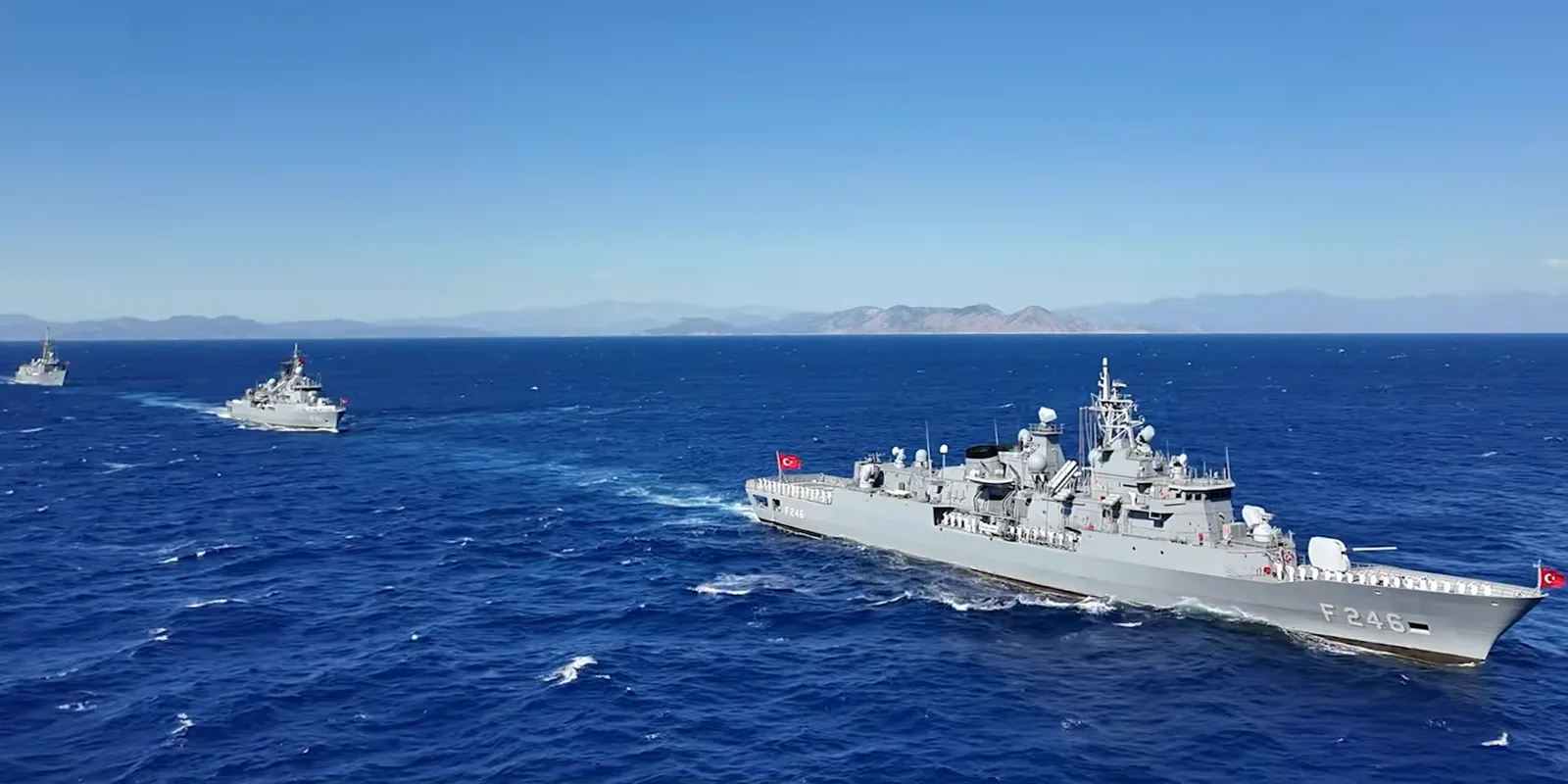
The Central Asian militaries are beginning to modernise in earnest. Consequently, the region is seeing a growing demand for drones. Türkiye has emerged as a leading supplier in the unmanned market segment, but China, Israel, and Russia, remain in the mix, accompanied by a nascent but growing domestic drone industry.
Central Asia’s growing appetite for drones
The militaries of the five Central Asian countries– Kazakhstan, Kyrgyzstan, Tajikistan, Turkmenistan, and Uzbekistan – inherited a large inventory of platforms and systems after gaining independence from the Soviet Union. Three and a half decades later, the five militaries are modernising their equipment and these countries are turning to extra-regional suppliers.
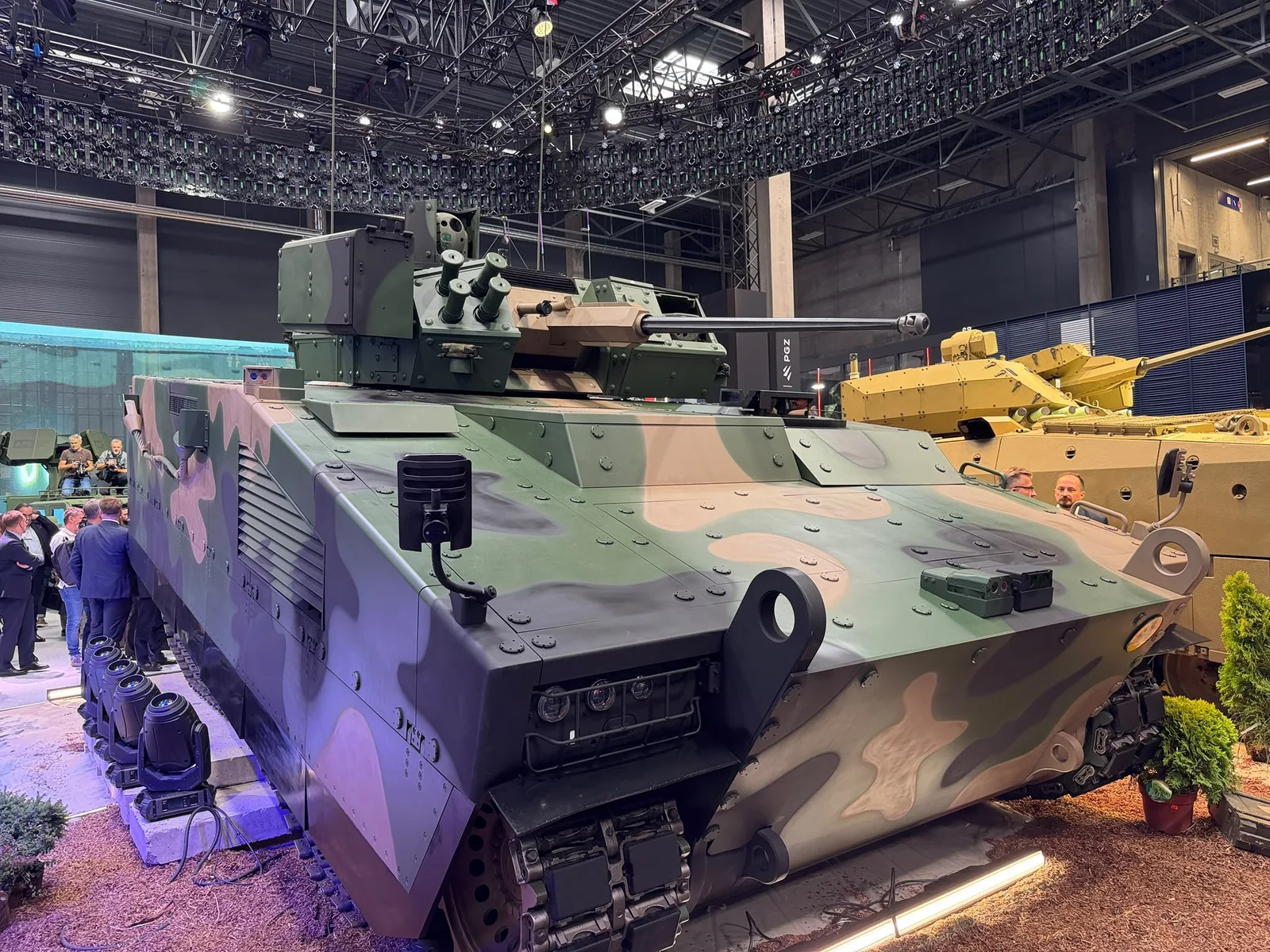
For example, Kazakhstan has received its first Airbus A400M transport aircraft in December 2024, while in February 2026 Embraer announced the sale of two C-390 Millennium transport aircraft to the Uzbekistani Air Force. Domestic industries are also developing ground vehicles such as armoured personnel carriers (APCs), and modernising legacy systems. Moreover, drone fever has arrived in the region.
The region’s primary security concerns include extremism & terrorism, either religious or based on a political ideology, as well as crimes like smuggling and border issues. However, regional geopolitics and inter-state relations must be considered, as the likelihood of warfare is minimal but not inconceivable.
Kyrgyzstan and Tajikistan had a series of border clashes between 2021 and 2022, though relations have improved. In the early stages of the Russian invasion of Ukraine, there were also concerns that Russia may attempt to carry out some operation in Kazakhstan to restore control over its ‘near abroad’. Another regional consideration is Afghanistan, as the Taliban and Pakistan had a short-lived armed conflict earlier this year.
The drones have landed
Since several Central Asian nations are not known for their transparency, the information presented here is based on open-source data. In recent years, all five have acquired drones from various suppliers. As I have discussed in a 2025 report for the Turan Center, Türkiye has emerged as a major provider, supplying drones to four of five Central Asian states.
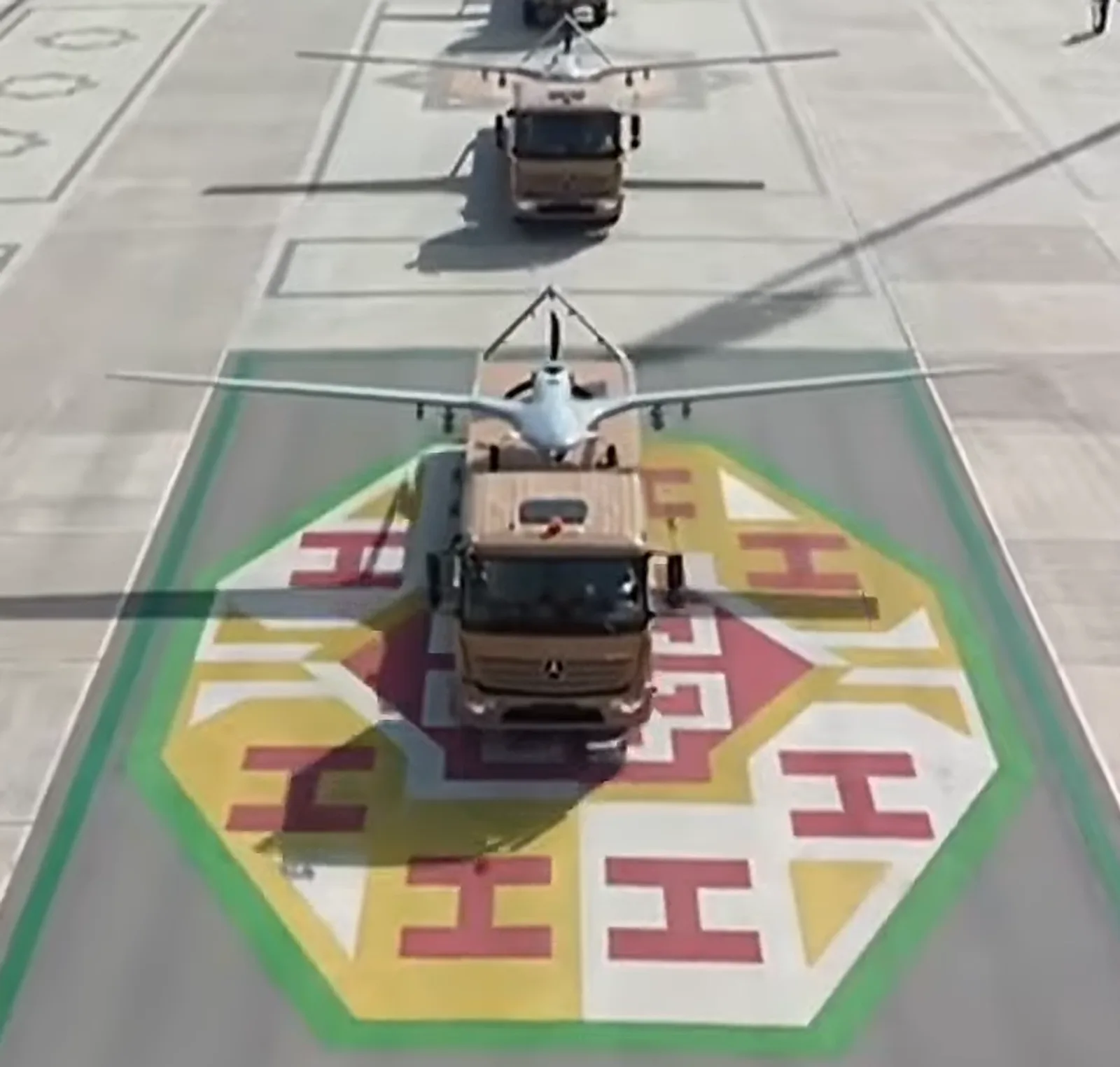
According to the Stockholm International Peace Research Institute (SIPRI): Kyrgyzstan operates the Aksungur, Anka-S, Akinci, and Bayraktar TB2 drones; Kazakhstan has acquired Anka and TAI Aksungur drones; while Uzbekistan and Turkmenistan both have Bayraktar TB2 drones.

Kiran Baez, a researcher with the Atlantic Council Turkey Program, explained to Warsight that the number of Turkish drones exported to Central Asia “is opaque, and likely remains relatively low, with Uzbekistan having confirmed operating at least four [Bayraktar] TB2s, and three each for Kyrgyzstan and Turkmenistan.”
Other suppliers also matter. During the 2025 Dubai Air Show, Airbus confirmed that Uzbekistan acquired the Flexrotor vertical take-off and landing (VTOL) drone. According to the defence information provider Janes, other drones showcased by Tashkent in parades include the Chinese-built Chengdu Wing Loong 1 MALE system, the domestically built Lochin (Falcon) VTOL drone, Elbit Systems Skystriker, AeroVironment Puma 3 AE, and a Russian-built ZALA 421-16E. As for Tajikistan, the border service reportedly operates Chinese-made Wing-Loong drones.
Back in a 2025 report about military drone usage across Central Asia for Current Time, Michael Hilliard, Director of Defence and Security Analysis at the Oxus Society for Central Asia, summarised that the region’s militaries “operate drones of Turkish, Chinese, Israeli, Russian, and American manufacture, as well as Kazakhstani models assembled domestically – often through joint ventures with foreign partners.”
While Ankara has emerged as a major exporter to Central Asia of Medium and High Altitude Long Endurance (MALE, HALE) drones, the Atlantic Council’s Baez stresses that Beijing is also a supplier. “For Central Asian countries, the choice to increasingly invest in Turkish drones should not be viewed as adversarial or even majorly damaging to China,” he explained. Moreover, “buying Turkish drones simply reflects a desire to avoid overreliance on only one or two major partners, as well as the fact that Turkish drones are simply better battle-tested” in conflicts like Ukraine, Libya, Sudan, Syria, the Caucasus (the Second Nargorno-Karabakh War), and elsewhere, Baez added.
Domestic manufacturing
An alternative to increase bilateral cooperation would be to manufacture drones within Central Asia through partnerships with extra-regional defence industries. Again, Türkiye is leading the charge as Turkish Aerospace Industries (TAI) has announced plans to manufacture its Anka drones in Kazakhstan. “The 2026 joint venture (based on a 2022 MOU) between TAI and Kazakhstan Engineering was the first of its kind to produce the ANKA drone anywhere outside of Türkiye,” Baez told Warsight. Ankara is also reportedly supporting Tashkent in manufacturing drones domestically, but how developed this programme is remains unclear.
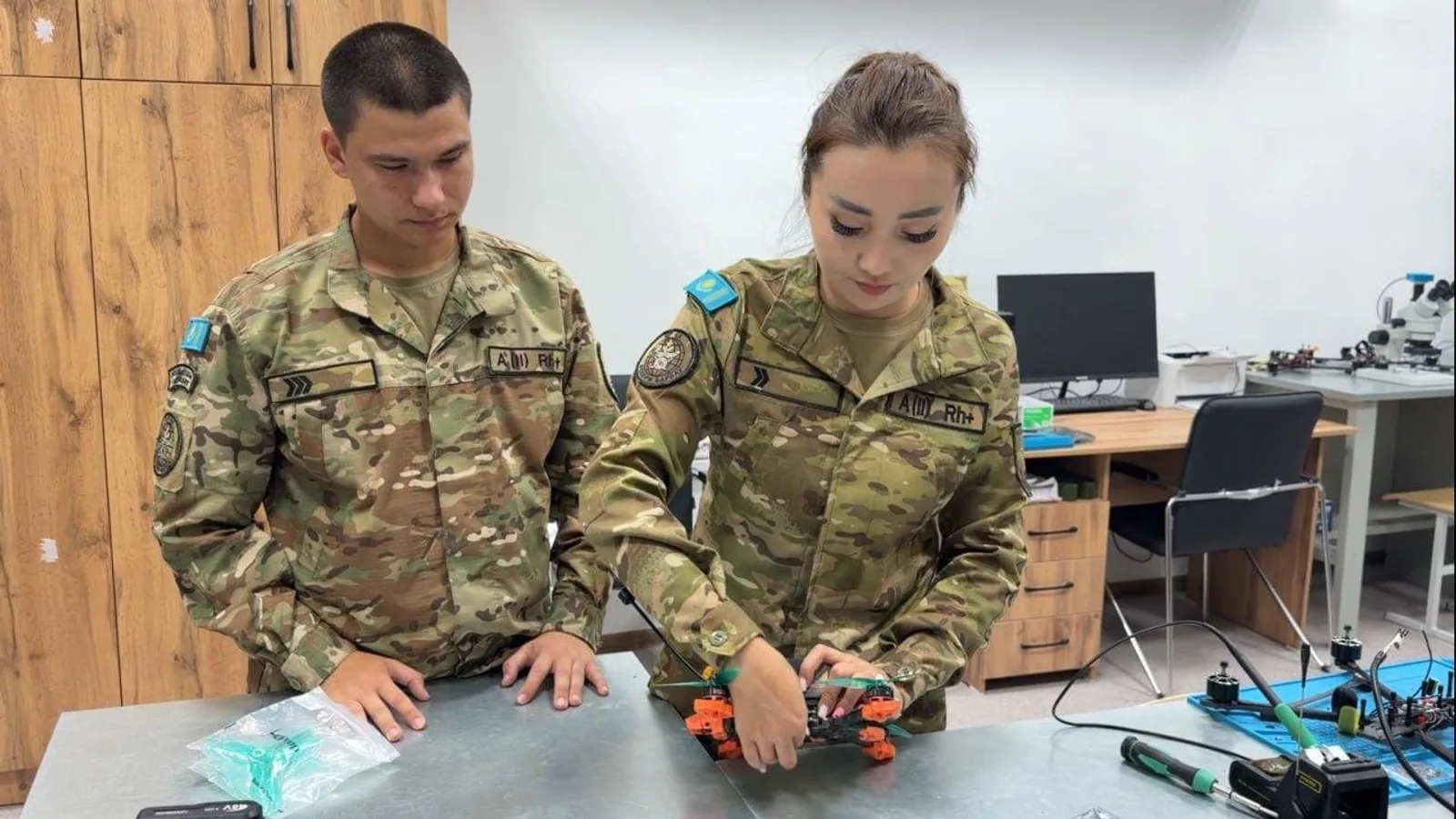
Additionally, Kazakhstan’s Ministry of Defence issued a press release in July 2026 praising Junior Sergeant Dinara Teleuova, who is tasked with “independently assembl[ing] FPV drones, install[ing] electronic components, configur[ing] flight controllers, and test[ing] the drones before their first flight.” Other images released by the MoD show that Kazakhstan is domestically producing small rotary-wing drones.

Meanwhile, on 22 July, Uzbekistan’s President Shavkat Mirziyoyev visited the Nurafshon Maxsus Texnika company to inspect locally manufactured and modernised military vehicles and platforms. Due to the visit, the local news outlet Gazeta.uz reportedly reviewed a “110-page catalogue of products from the country’s defence industry,” which includes a variety of drone models, “like fixed-wing and rotary-wing aircraft, quadcopters, FPV drones [and] an aerial target.” While the domestically manufactured Lochin is indeed being used, the quantities involved are unclear.
Moreover, in April 2026, Kyrgyzstan’s former defence minister, Major General Abibilla Kudaiberdiev, called for the jumpstart of domestic drone production. A report by the local news outlet 24.kg explained that Kudaiberdiev “reported that work is underway with foreign partners, including Chinese companies, to launch joint production,” without providing more information. Also in April 2026, Kyrgyzstan’s President Sadyr Japarov visited the Dastan plant and ordered the start of drone production, but no further information is available on specific models or capabilities.
Tajikistan is the only country that has not acquired Turkish drones. This is unsurprising as Bishkek has stronger relations with Tehran. In fact, in 2022, the Islamic Republic News Agency reported a meeting in Dushanbe between the Chief of Staff of the Iranian Armed Forces, Major General Mohammad Bagheri, and then-Tajikistan’s President Emomali Rahmon. A topic discussed was the inauguration of an “Iranian factory for building drones in Tajikistan,” specifically the Ababil 2 drones. However, as of March 2026, RFE/RL could not confirm if the factory even exists.
Training
Training is also ongoing. For Kazakhstan, training in drone warfare falls under the country’s new military doctrine which, according to local news agency Tiek.kz, acknowledges the “widespread use” of uncrewed systems and the development of countermeasures.


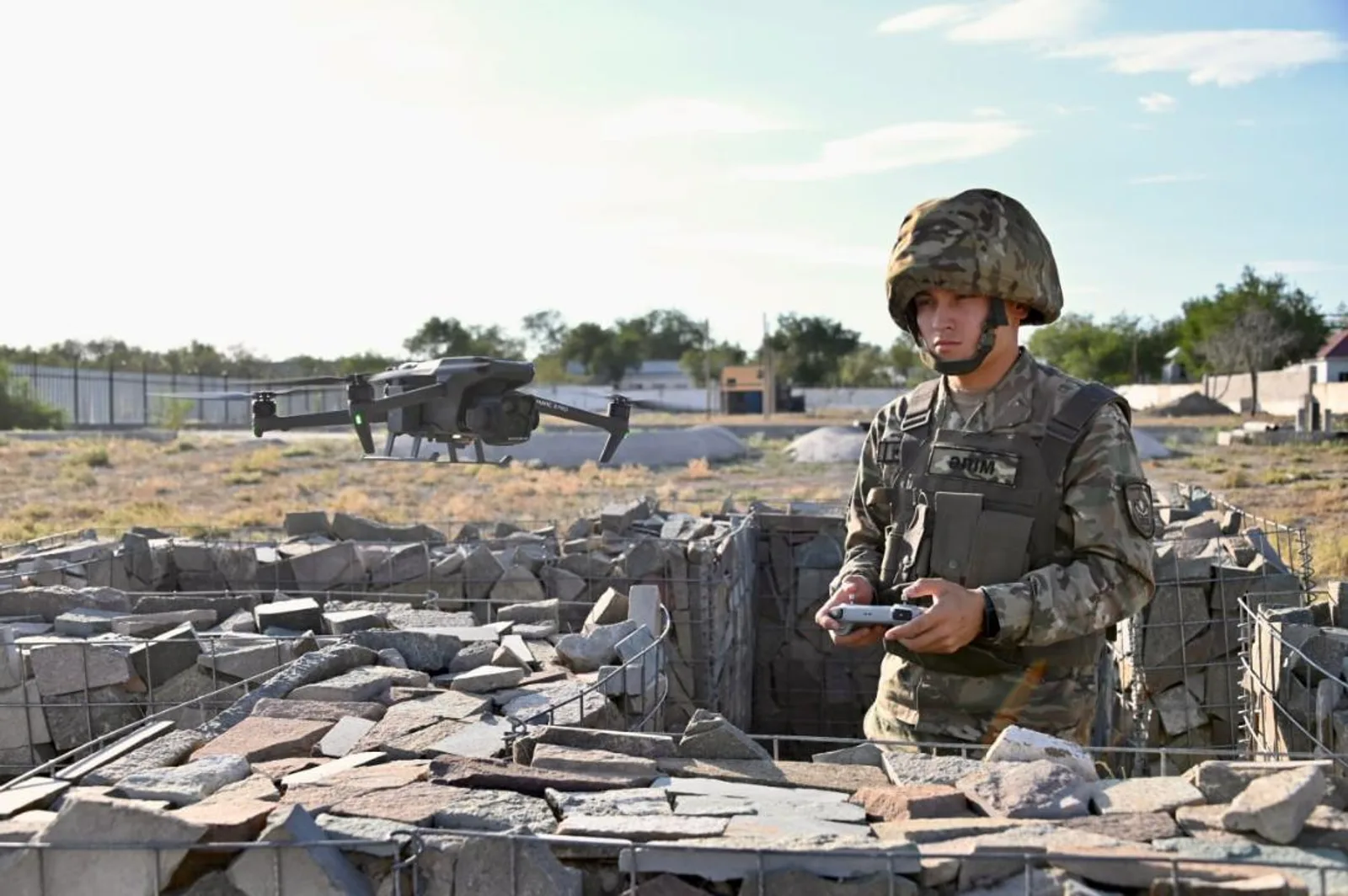
Training is ongoing, as the Kazakhstani news agency QazInform reported in July 2026 that military institutions are “placing an emphasis on the use of” drones. “A special focus of the practical training is on unmanned aerial systems. Cadets are mastering reconnaissance, fire correction, surveillance, and situational assessment using UAVs, as well as countermeasures against enemy drones,” said the Head of the Kazakh MoD’s Department of Military Education and Science, Colonel Murat Olzhabayev.
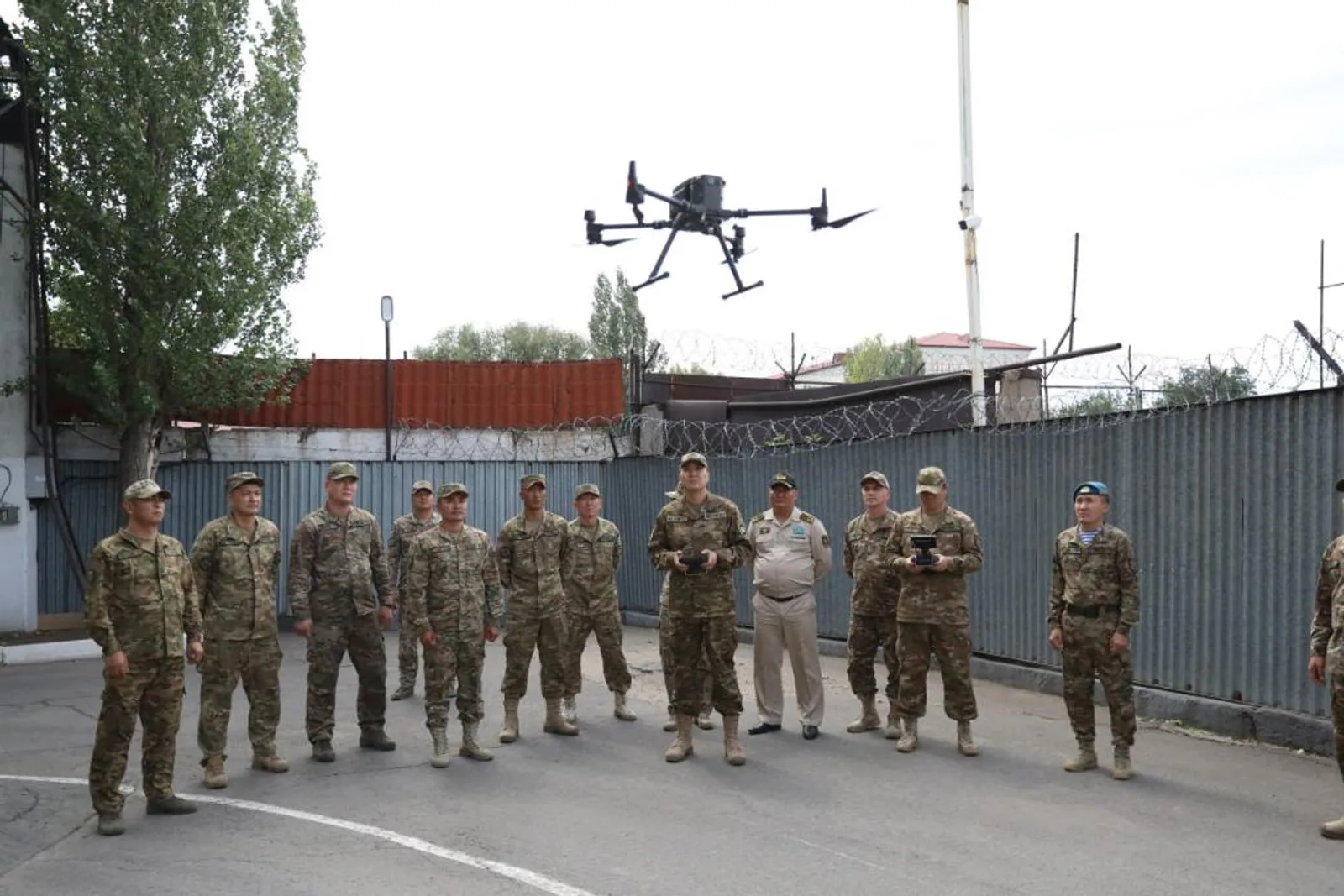
The MoD has released press releases showing troops training in drone warfare, including counter-drone operations. Moreover, in 2025 the MoD established the Sarbaz+ project to teach recruits about new defence technologies, including drone warfare. Unit 78460 in Almaty was the pilot unit for the programme.
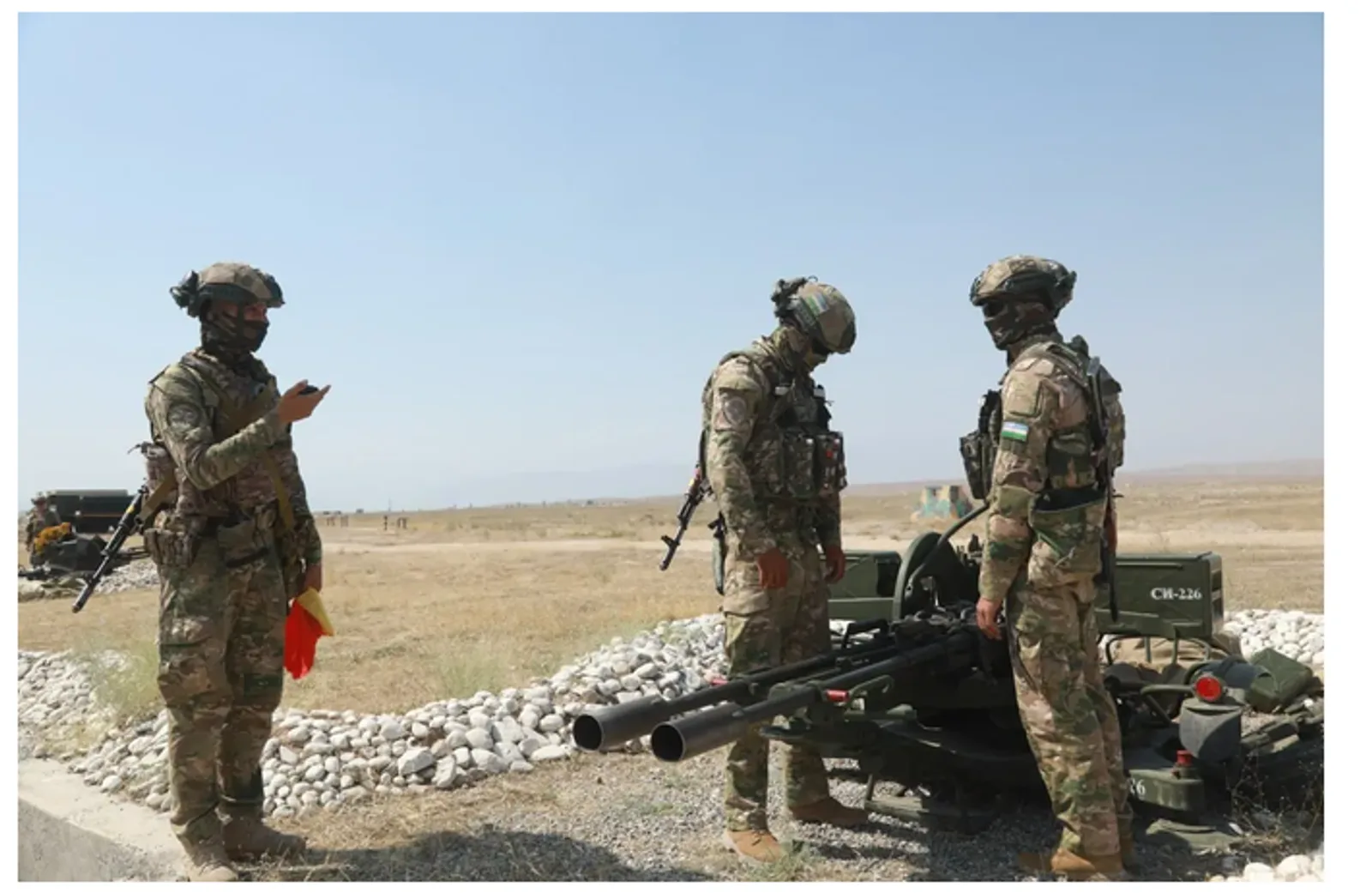
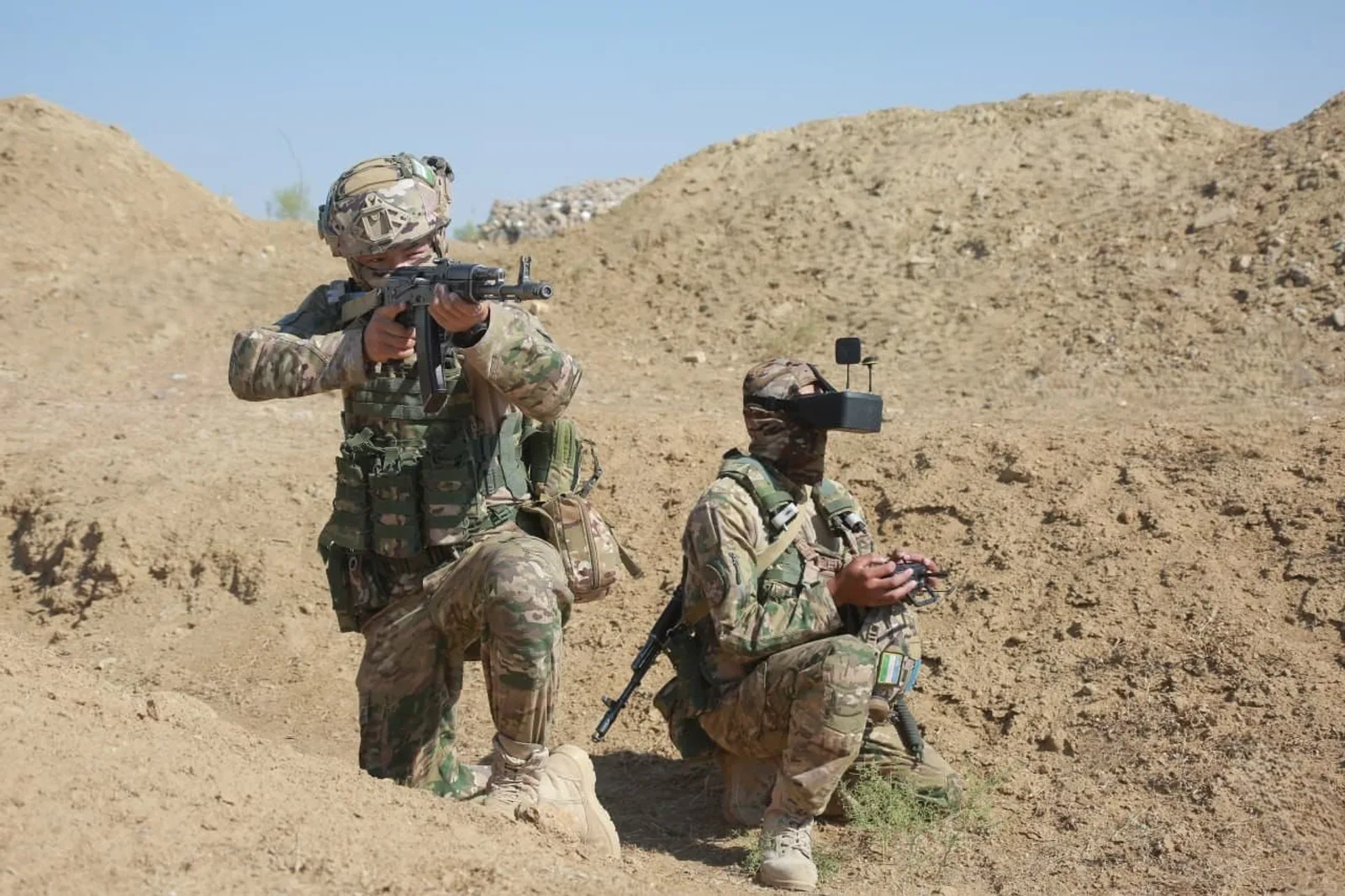
Meanwhile, in March 2026, Uzbekistan’s Ministry of Defense has also published videos of dismounted troops deploying small rotary-wing drones during training exercises, though the model is unclear. In July 2026, air defence units assigned to the Eastern Military District carried out an exercise at the Fergana training ground focused on detecting, tracking, and neutralising small, low-altitude drones. That same month, photos at the Nukus training ground (Northwest Military District) show one soldier wearing a headset, suggesting they are operating a first-person-view drone of an undetermined model.

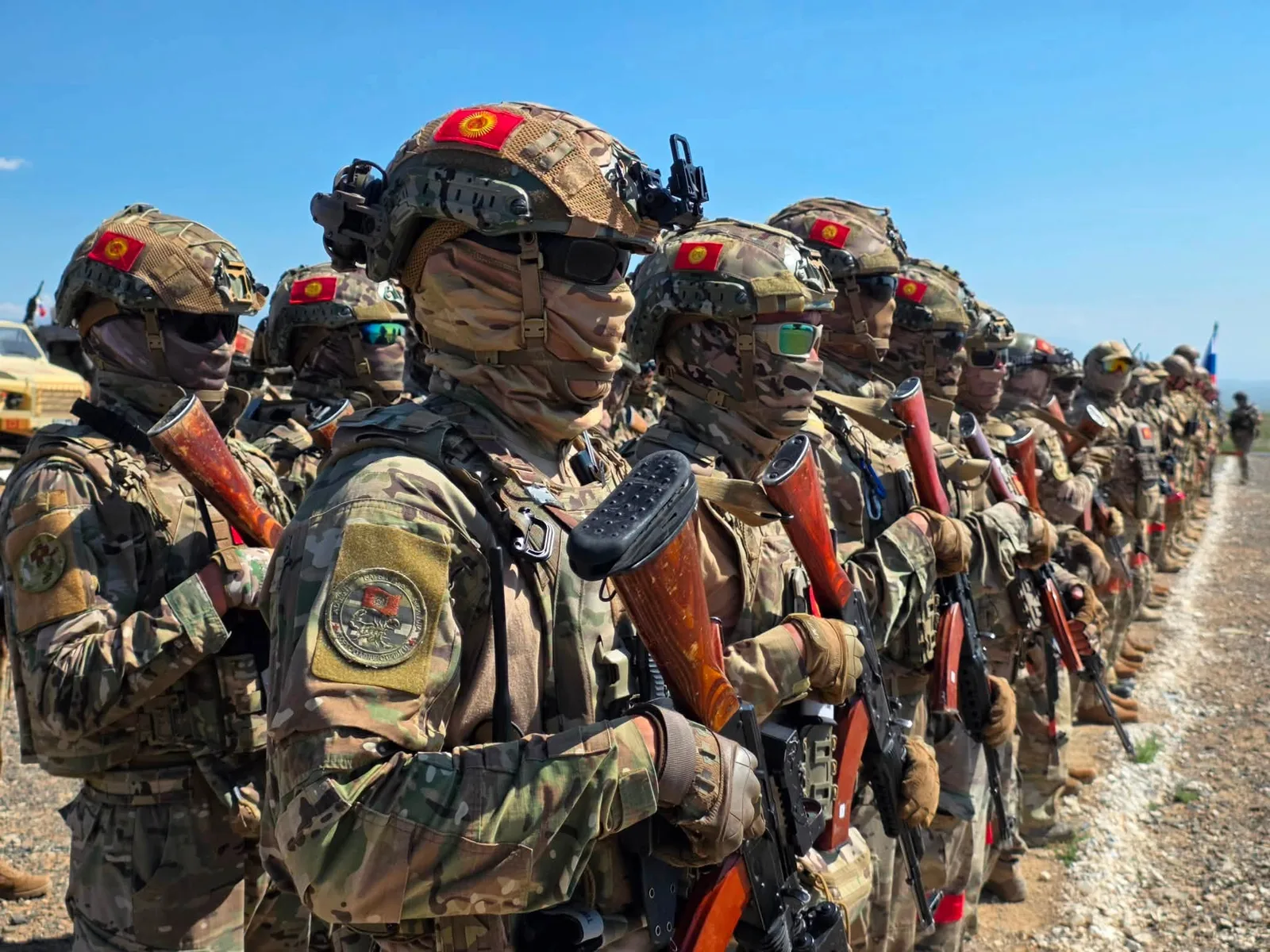
As for Kyrgyzstan, the joint Kyrgyz-Russian tactical exercise Tsentr-2026 (ENG: Centre 2026) took place on 11-17 August 2026, with troops from both countries. The manoeuvres included 500 military personnel and up to 100 pieces of military equipment, including “FPV [first-person view] drones,” the Kyrgyz MoD explained.

Looking ahead
Drones have arrived in Central Asia; now the question is how they will be used. Some of the drones acquired can carry lethal payloads, so that they could be credibly used in inter-state conflicts. However, given regional geopolitics and security concerns, they will most likely be used for standard intelligence, surveillance, and reconnaissance (ISR) missions, particularly border patrol – to combat smuggling and border migration along the borders with Iran and Afghanistan, to combat illegal mining, and to search for insurgents. The platforms will be particularly useful for countries with vast territories and insufficient troops (including border guards). Moreover, drones can help troops monitor geographically challenging regions, such as deserts or mountainous terrain.
One final issue to keep in mind are costs and attritability. So far, open-source data suggests that the number of imported drones acquired by Central Asian governments is limited. Limited availability of systems makes the available inventory relatively precious, at least for more capable MALE and HALE drones. On the other hand, Kazakhstan is already producing small, rotary-wing drones, which can be manufactured en masse for lower echelons. Other domestic drone programs in neighbouring states, even for basic small drones, will be beneficial for local armed forces to adapt to this new style of warfare.
Share post