A new variant within Rafael’s Ice Breaker missile family takes aim at the growing low-cost cruise missile market.

Russia’s bombardment of Kyiv turns it into a ‘frontline city’
Russia’s strategic bombardment of the…

A new variant within Rafael’s Ice Breaker missile family takes aim at the growing low-cost cruise missile market.
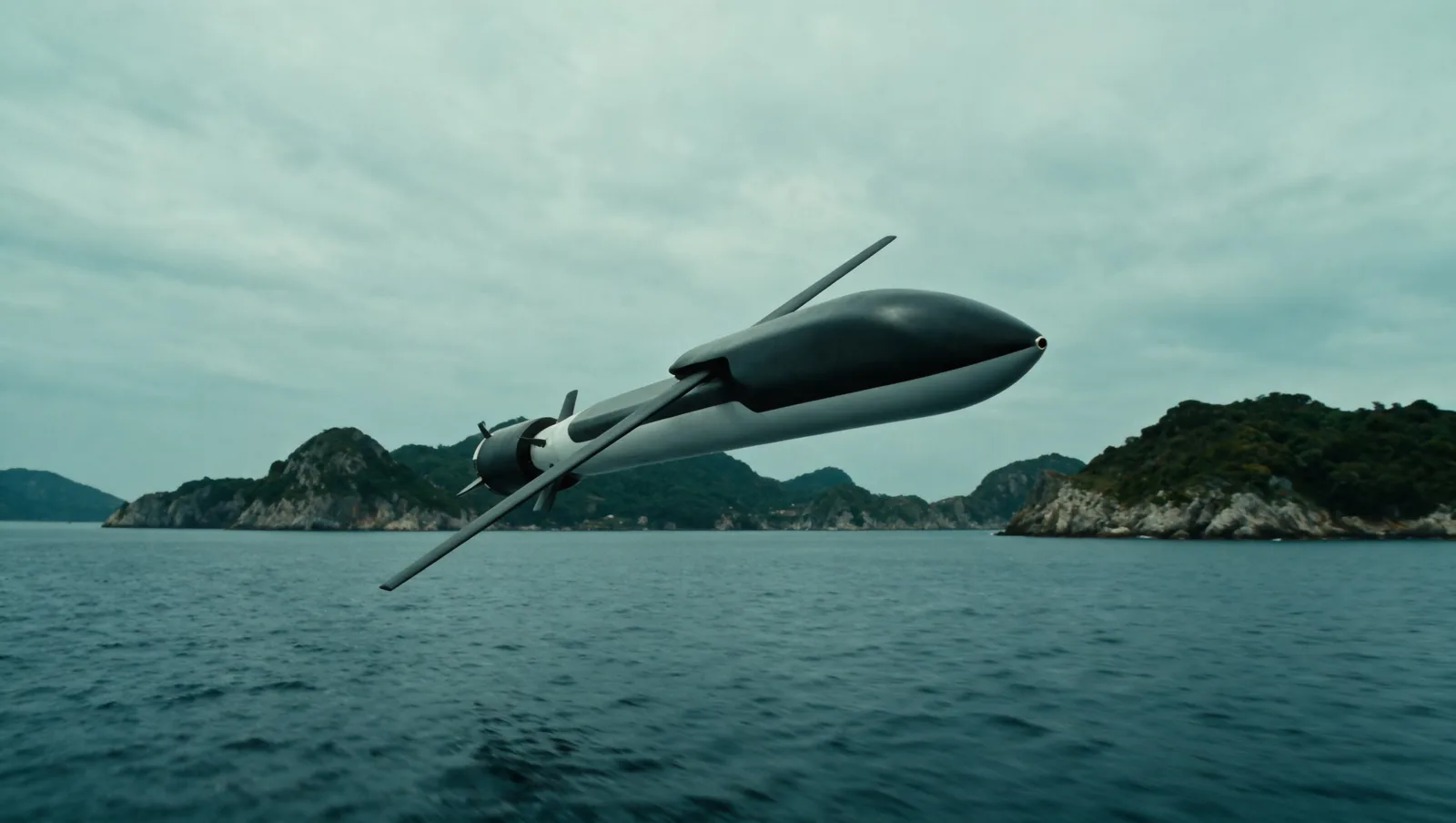
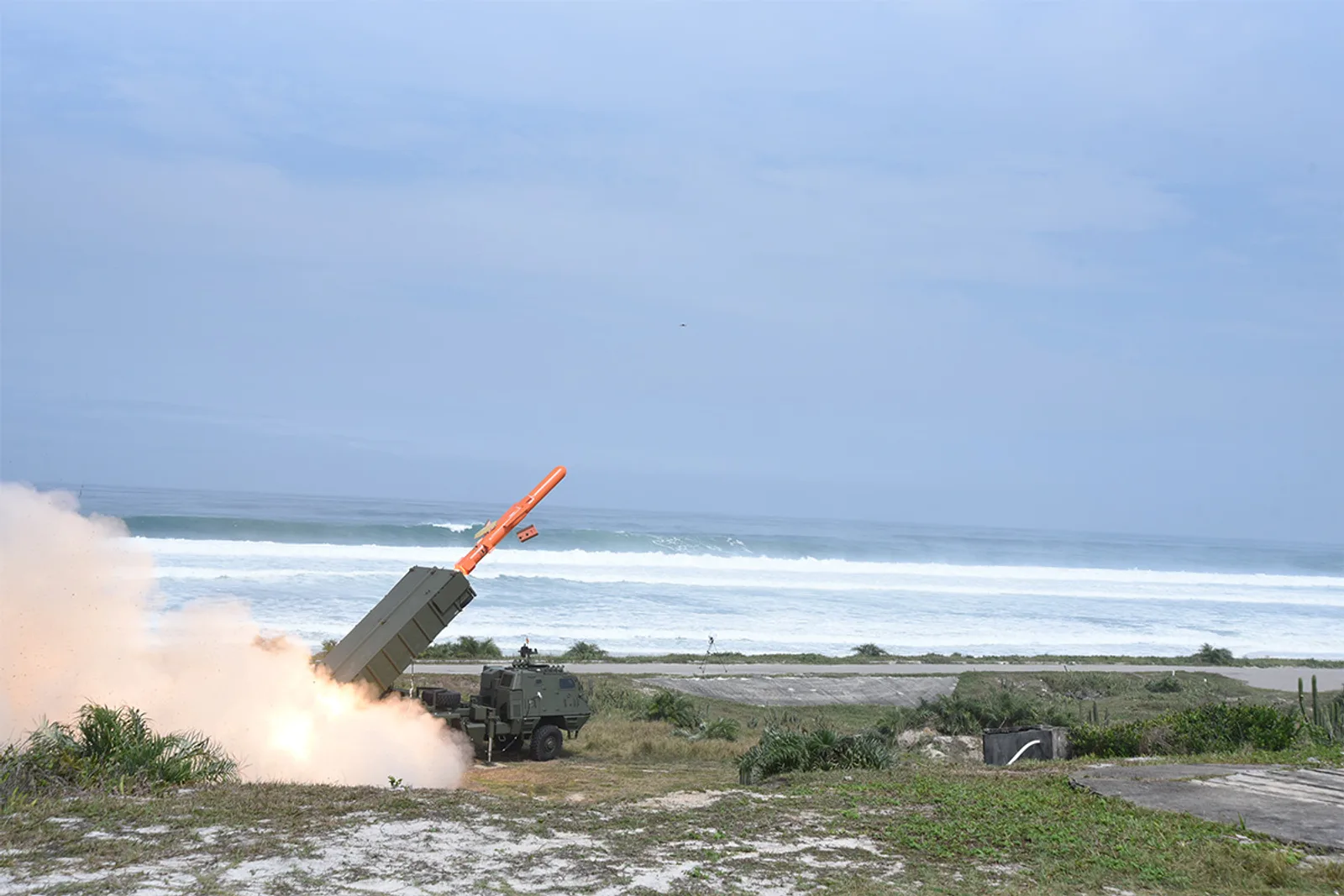
Israel’s Rafael unveiled the latest version of its Ice Breaker family of strike weapons on 11 November 2026. Called Super Ice, the weapon is capable of carrying a 1,000 lb (454 kg) warhead over an extended range.
The range of the Super Ice was not disclosed by the company, but is expected to be further than the Ice Breaker’s 300 km range. The company noted that the Super Ice’s flight and sensor package is supported by autonomous navigation technology to allow for operation without direct datalinks to a launcher or control centre, building on the Ice Breaker’s existing fusion of internal navigation systems, anti-jam GPS, and terrain-contour-matching imaging.
Like the Ice Breaker, the Super Ice utilises an imaging infra-red (IIR) opto-electronic sensor system, which allows for image-matching targeting and supports all-weather operation.
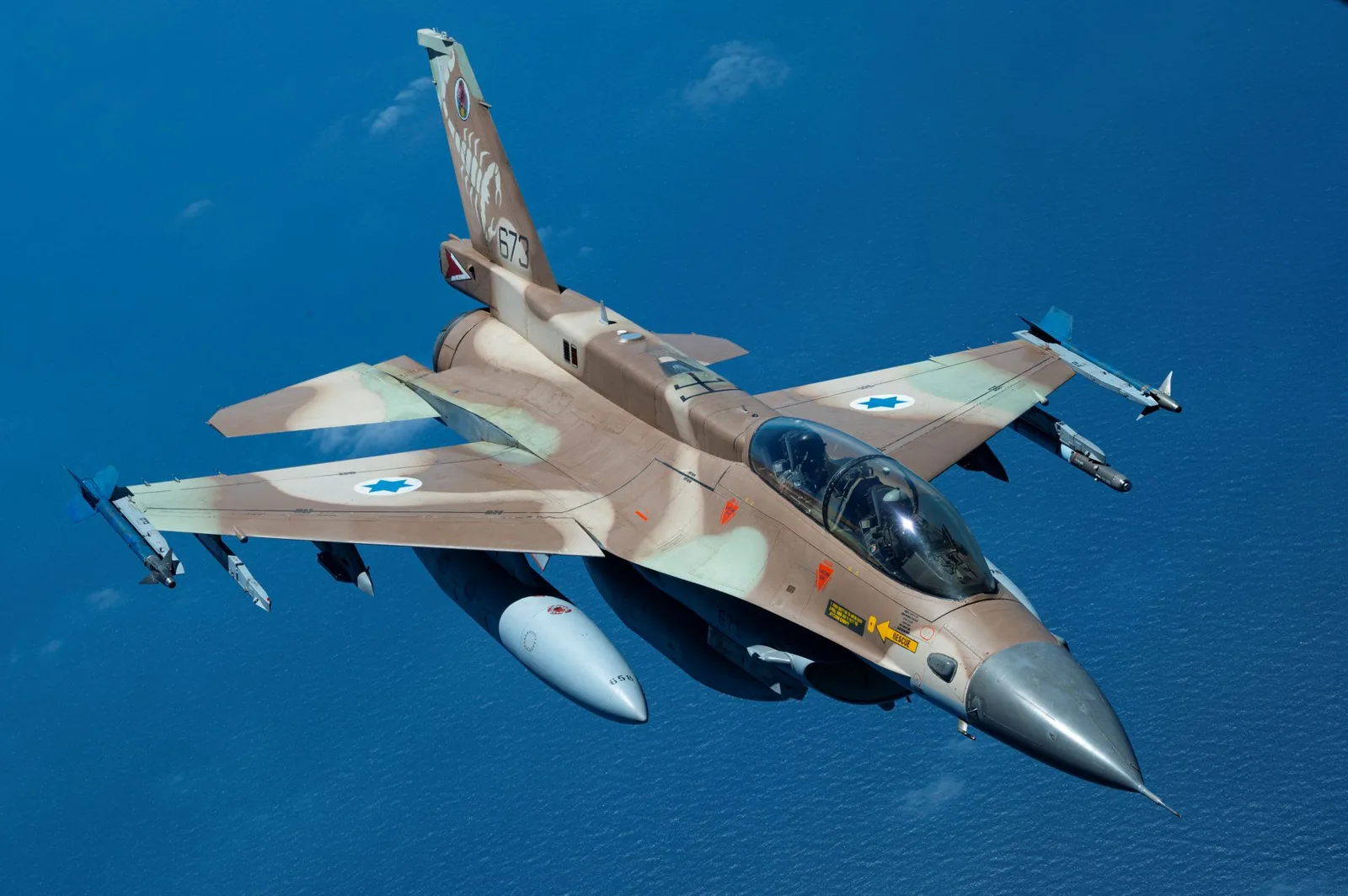
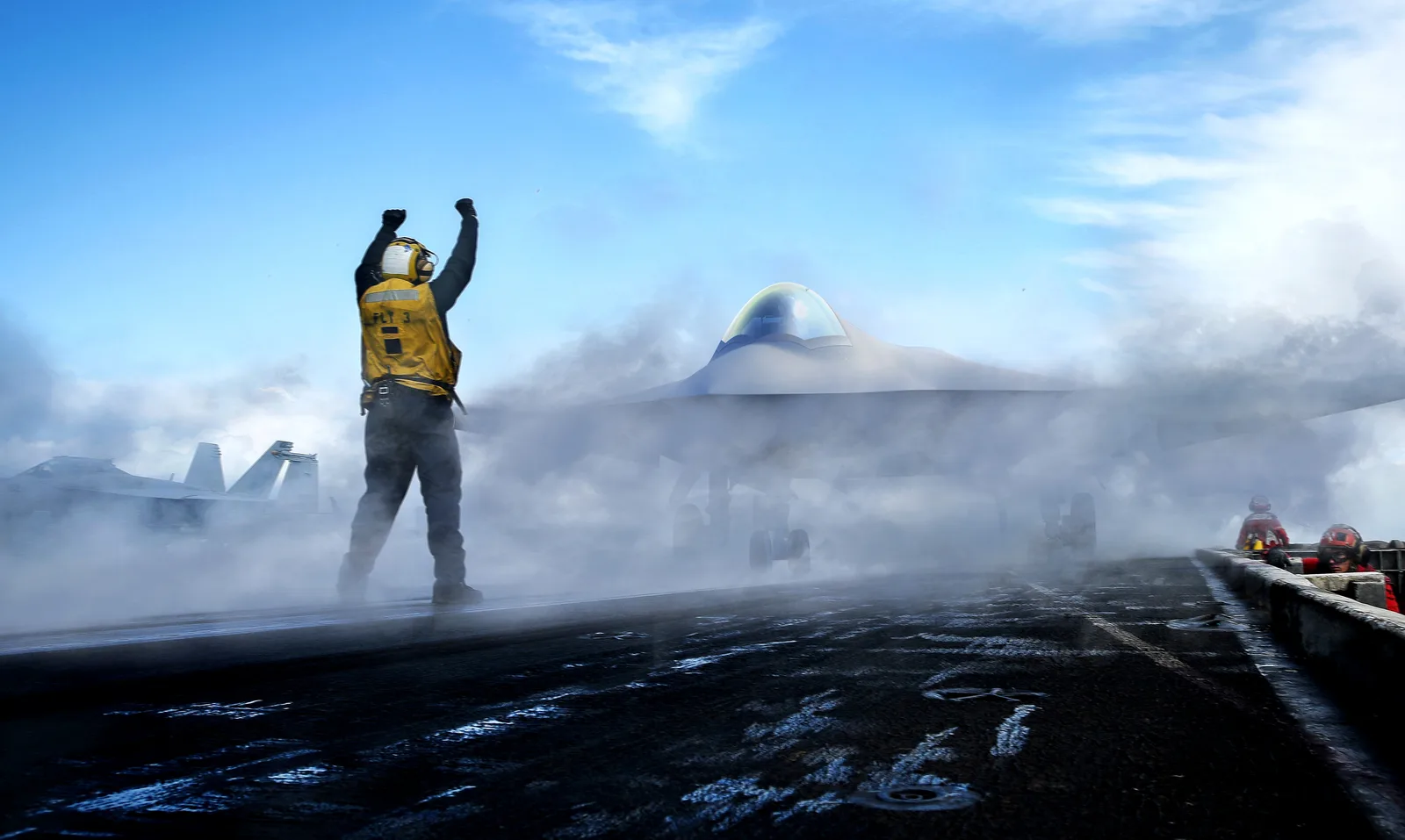
The company claims that the Super Ice can be launched from land, sea and air platforms, using the existing launch infrastructure of the Ice Breaker family, and has a warhead compatible with the Mk 83 freefall bomb. One rendering of the missile appears to show an expendable solid rocket booster at the rear.
The Ice Breaker has already attracted interest from a variety of customers, with India’s Bharat Dynamics Limited signing a joint production agreement in January 2025. The US’ General Atomics also signed a collaboration agreement in 2025 to develop and market the missile in the US as the Bullseye, with renderings showing a containerised launch system for four missiles. Azerbaijan has also been noted as a customer, following a display at the country’s Victory Day parade in November 2025.
The new variant possesses significant increases over its baseline, including a warhead that is four times the weight of the original.
The growing demand for low-cost, long-range strike weapons has been driven by the success of Ukraine’s campaign against Russia utilising locally developed systems. New and updated operational doctrines around deep strike are being developed to push greater battlefield depth and better strategic targeting of sites such as ammunition dumps, command-and-control (C2) centres and logistics facilities. Advancements in artificial intelligence and targeting now mean that the cost of entry for militaries wishing to extend their range is now significantly lower than systems such as the Tomahawk cruise missile were in the past.
The development of the low-cost cruise missile market is continuing to gather pace internationally as a result. Countries are seeking to break dependence on traditional suppliers, such as the US. Ukrainian experience with systems such as ATACMS and GMLRS have demonstrated the need, but the supply is limited and efficiency is dropping as Russia develops countermeasures. These factors have influenced the entry of weapons from new companies to the market, such as the Destinus Ruta, Rotron Aerospace SkyLance and MGI Defence Tigershark, with government investments from the UK and others helping to expedite development, manufacturing and fielding.
Integration will, however, continue to be a handbrake on deployment. For air-launched systems, US platforms such as the Lockheed Martin F-16 Fighting Falcon, newer F-16V Viper and F-35 Lightning II require integration that necessitates US government approvals in addition to extensive engineering testing and certification. In the case of the F-35, integration of European weapons such as the MBDA Meteor beyond-visual-range air-to-air missile (BVRAAM) began in 2017 and is not expected to reach full operational capability until the 2030s. Other nations, such as France and the UK, may be more open to integrating new systems onto their aircraft.
Rafael’s development and marketing of both land- and sea-launch capabilities will help to build out the market potential for the Super Ice while avoiding these integration issues. With the weapon marketed as having its own mission planning and C2 system, this affords an independence for operators that broadens force integration while reducing reliance on countries such as the United States.
Extended-range munitions – previously limited to 300 km by the Missile Technology Control Regime (MTCR) framework – have become increasingly important to support stand-off and deep strike operations. While Israel is not a signatory to the agreement, other nations have been effectively walking away from the MTCR as they seek to enhance their security and operational capabilities.
Israel’s significant export markets across Asia and South America, and increasingly into the Gulf states, deliver some significant promise for the new system. Israel can also sell equipment more easily to markets where Western companies would face internal barriers over export controls and approvals. High-value markets, such as India, come with technology transfer and workshare requirements that may deter the export of systems from the US and Europe, in addition to political attitudes to regional peace and security.
The ability to generate mass over yield for long-distance attacks through better planning and targeting means that a single strike effort – such as that delivered by a nuclear weapon – is now moot. Saturating air defences with more weapons ensures greater likelihood of mission success, making conventional deterrence more effective, or at least more practicable, than nuclear deterrence.
As capability entry barriers are lowered, more countries will be able to build a deterrent capability against their adversaries. While arguments for wider nuclear proliferation support the idea of a ‘nuclear peace’, greater conventional strike capabilities against more important societal targets may deliver the deterrence that security demands.