On 29 September 2026 Boeing was awarded a USD 20 billion contract for the full-scale development of the US Navy’s new sixth-generation F/A-XX carrier-based strike fighter. Many observers were baffled by the selection of Boeing.


On 29 September 2026 Boeing was awarded a USD 20 billion contract for the full-scale development of the US Navy’s new sixth-generation F/A-XX carrier-based strike fighter. Many observers were baffled by the selection of Boeing.
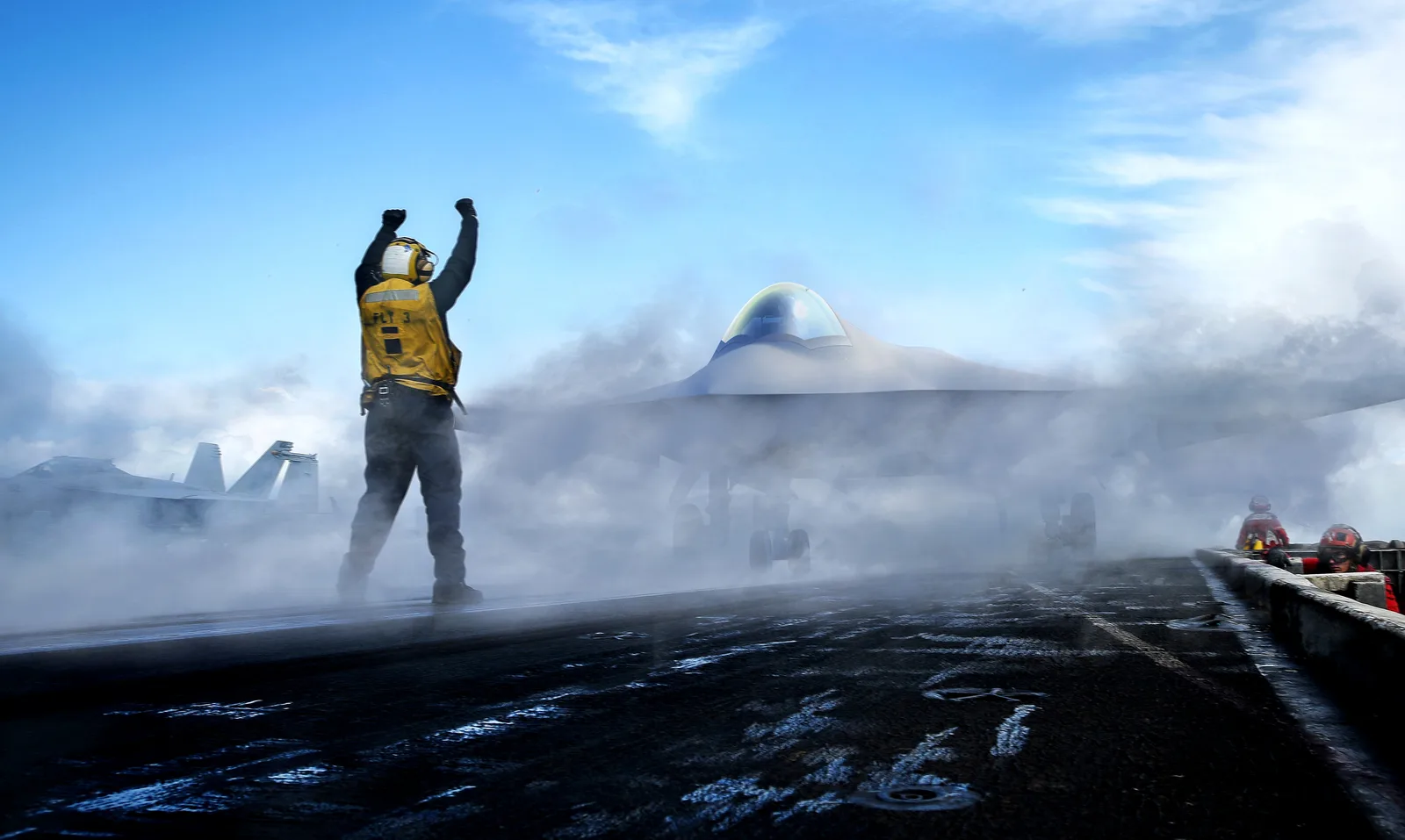
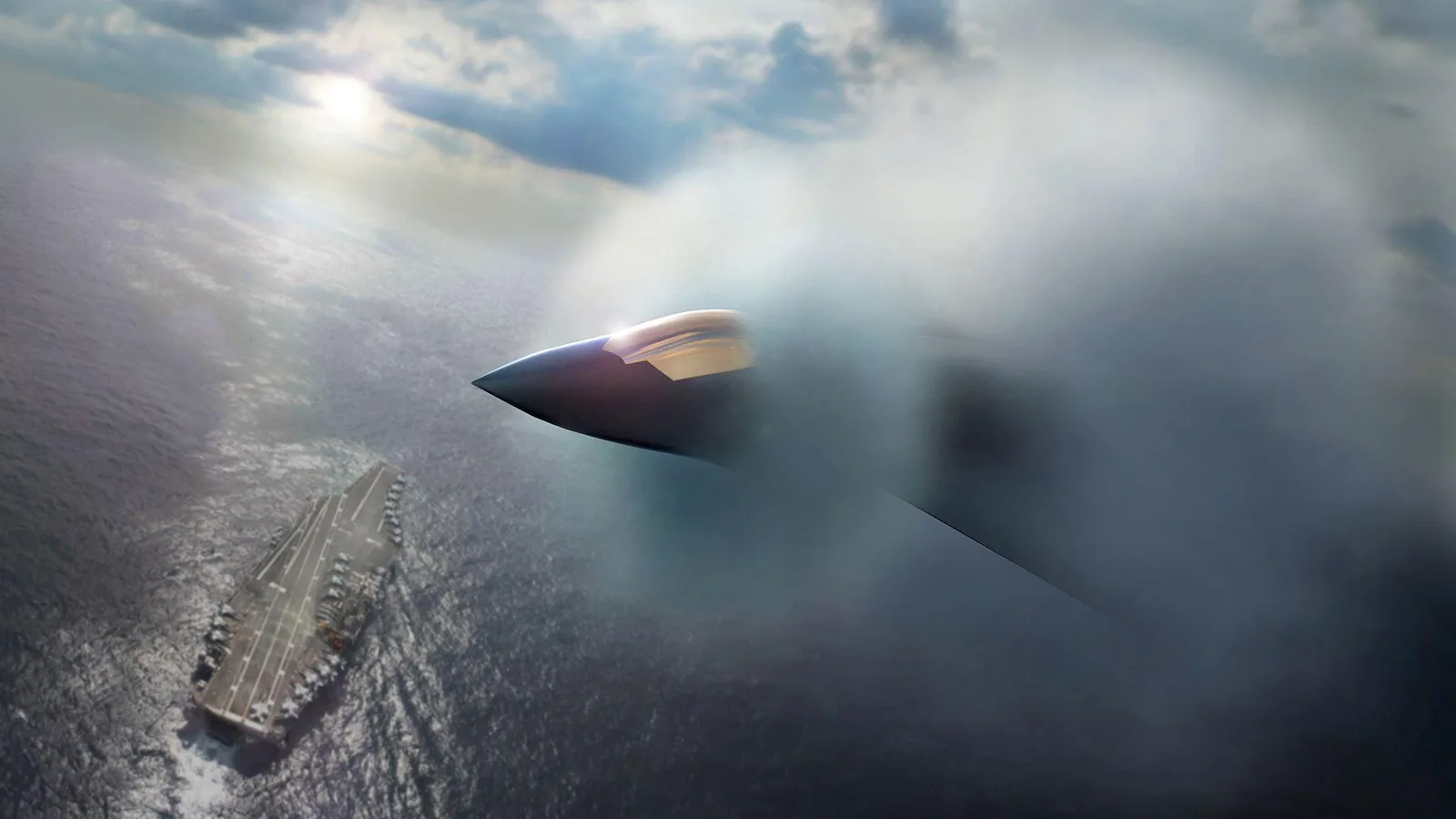
The long-delayed outcome of the US Navy’s sixth-generation F/A-XX carrier-based strike fighter contest was finally announced on 29 September 2026. The Boeing Company was awarded the USD 20 billion (EUR 17.87 billion) full-scale development contract for the new carrier-based strike fighter, having previously ‘won’ the US Air Force (USAF) Next Generation Air Dominance (NGAD) aircraft competition in March 2025. The contract covers the procurement of multiple test aircraft for ground, airworthiness, systems and weapons integration testing.
Like the near-parallel USAF NGAD competition, the F/A-XX procurement began as a three-horse race between Boeing, Lockheed Martin and Northrop Grumman. Northrop Grumman stepped away from the NGAD competition in July 2023, while Lockheed Martin was eliminated from the F/A-XX programme in March 2025 after its proposed design failed to meet the service’s specific performance, operational and/or design criteria. This left NGAD as a contest pitting Boeing against Lockheed Martin and F/A-XX as a battle between Boeing and Northrop Grumman.
There was never any real prospect of both requirements being fulfilled by a common design, nor even by variants of a common design, since the size and weight constraints imposed by carrier operations were felt to be entirely incompatible with NGAD payload/range requirements. There may also have been a concern that the joint approach and common core airframe used in the F-35 programme had led to difficulties for all variants. The US Navy has always been clear that its new fighter would have a separate and different airframe from the USAF NGAD aircraft. It also seems to have been decided that the F/A-XX design will be powered by a derivative of an existing fighter engine and not by one of the new adaptive propulsion systems under development for the USAF NGAD.
Once Boeing was selected for NGAD, many assumed that industrial base and risk considerations would lead to Northrop Grumman inevitably winning F/A-XX.
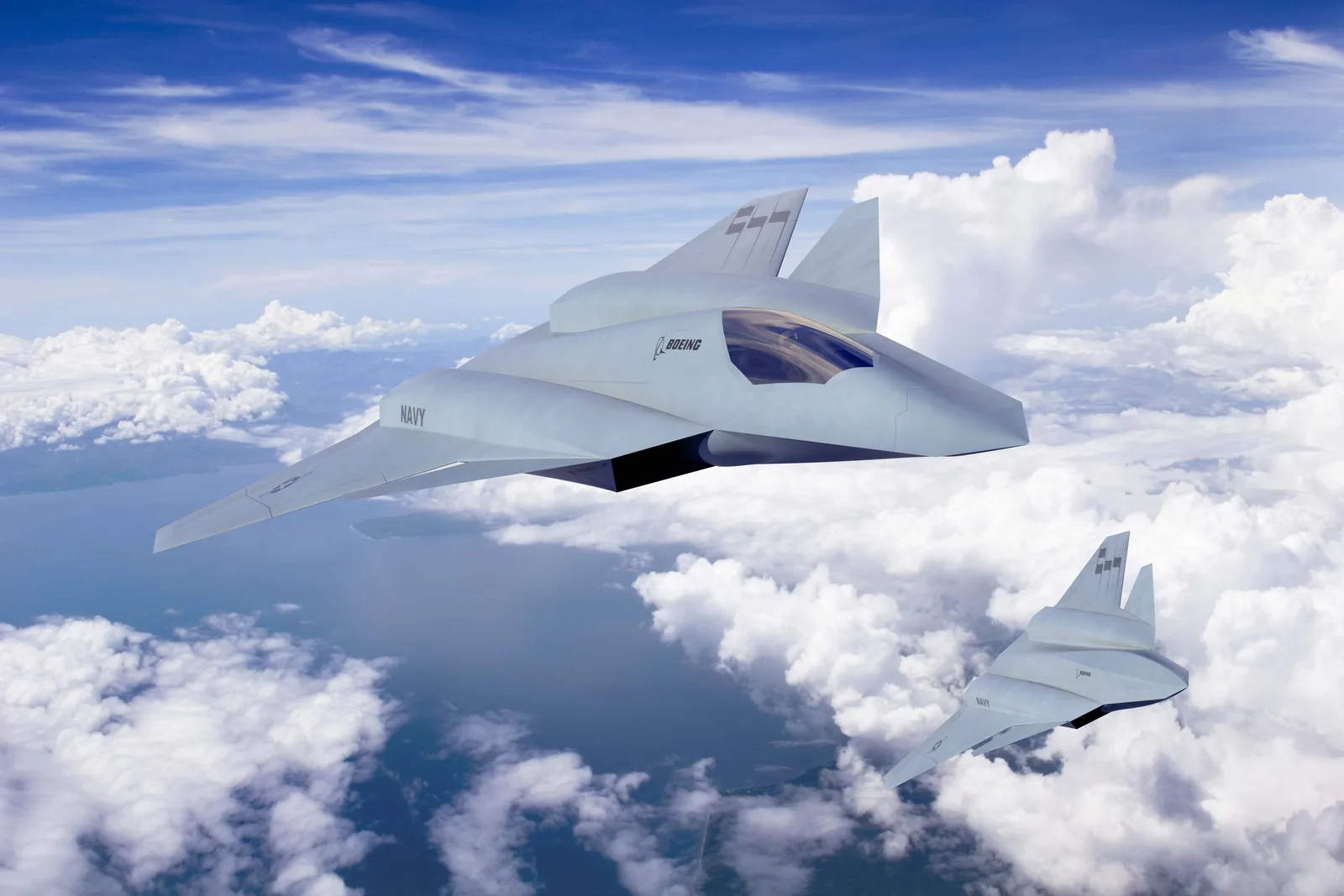
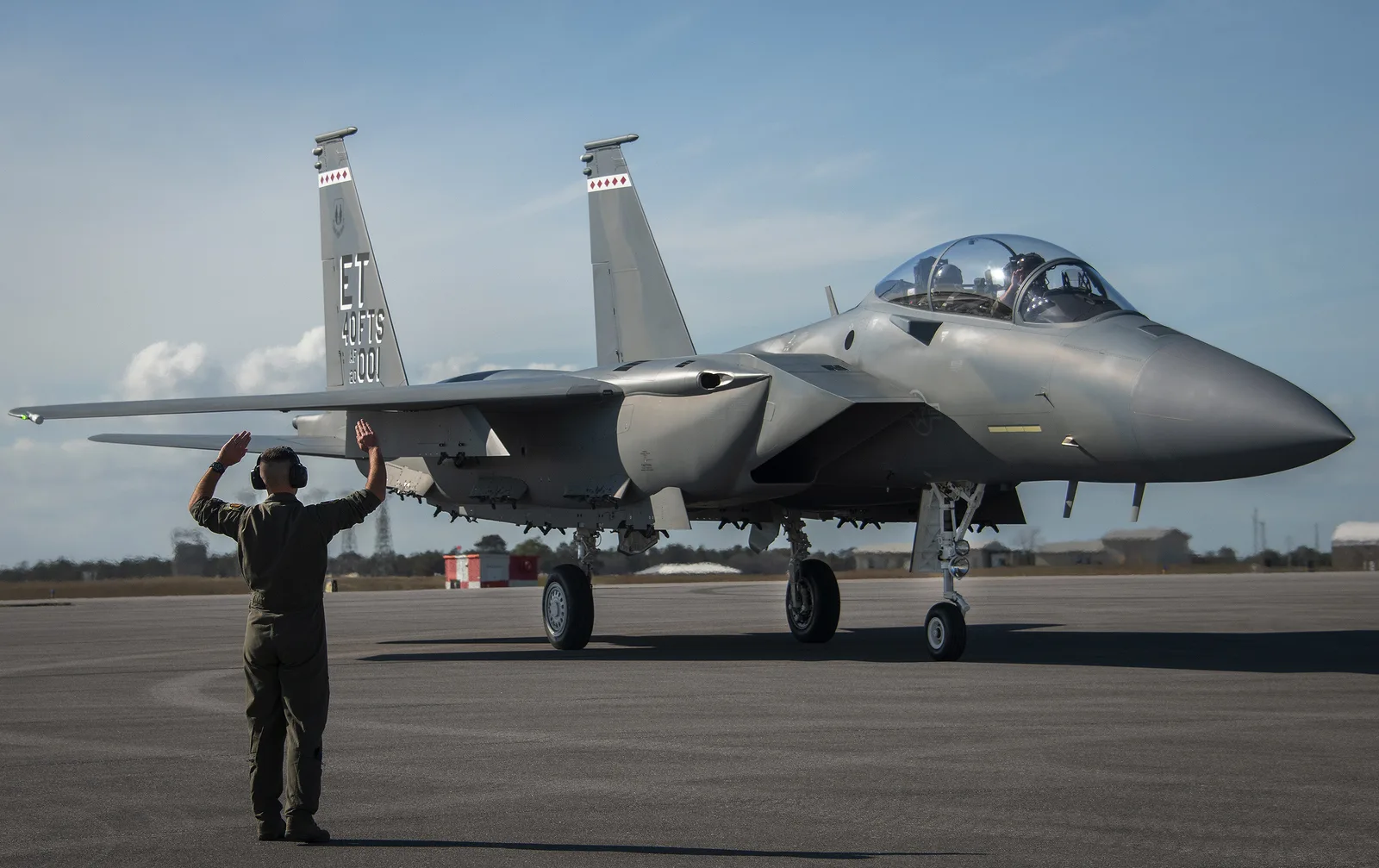
Some had been surprised when Boeing won the NGAD competition, since the company has struggled to execute other high-profile defence programmes, including those for the T-7A Red Hawk advanced jet trainer, the KC-46A Pegasus tanker/transport aircraft, modernisation of the B-52 Stratofortress bomber, the E-7A Wedgetail airborne early warning and control aircraft, and the VC-25B Presidential transport aircraft. Even the company’s more successful military programmes like the F-15EX Eagle II strike aircraft and the MQ-25 Stingray carrier-based aerial-refuelling drone have not been without significant technical, manufacturing, cost and schedule challenges.
Nor has Boeing ever designed and built a modern low-observable (LO) combat air platform (unless in the world of black programmes) and its existing tactical air portfolio all originated as McDonnell Douglas projects. The same is, of course, true of Northrop Grumman, which has not designed and built a manned tactical combat air platform since the F-5E Tiger and F-14 Tomcat. This is a consequence of allowing Lockheed Martin to gain an effective near monopoly over tactical fighters with the F-16, F-22 and F-35. A desire to not extend this monopoly (together with capacity concerns and the multiple failings of the F-35 programme) may have been behind Lockheed Martin’s failure to win the NGAD contract.
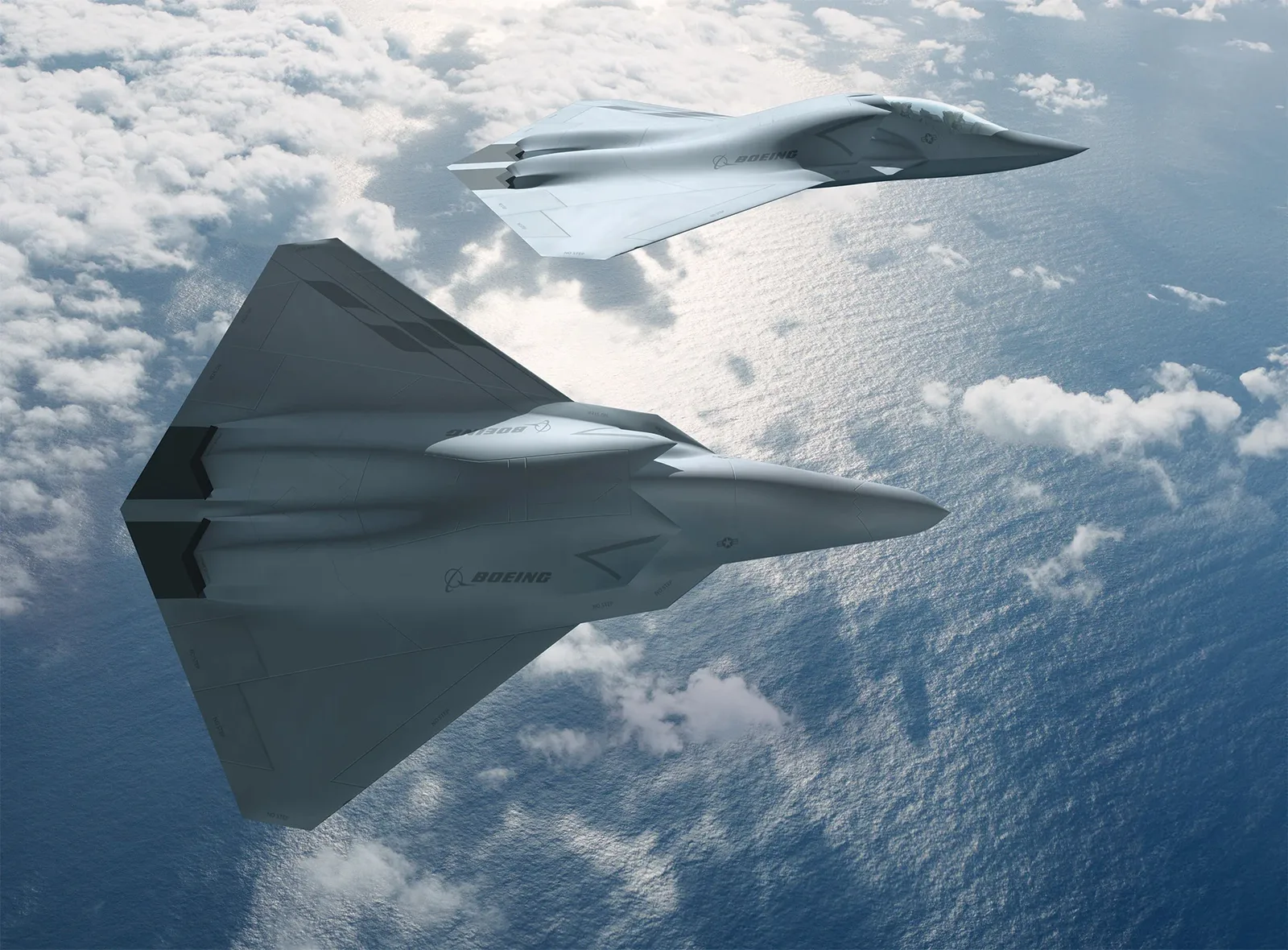
However, if giving one of the US military’s future sixth-generation fighter programmes going to Boeing was a risk, many believe that giving the company both was gratuitously irresponsible and potentially dangerous while also establishing a new US ‘fighter monopoly’. The double win certainly marked a turnaround for Boeing as a fighter manufacturer, with some having feared that the company’s historic St Louis fighter factory would close following the end of production of the F-15EX and the F/A-18E/F. As a consequence, Boeing has effectively frozen out both of its competitors and rivals in the production of manned combat air aircraft, potentially dealing both Lockheed Martin and Northrop Grumman a major blow and effectively locking them out of the sixth-generation fighter market.
As little is known about the reasons behind the F/A-XX decision as is known about the design of Boeing’s successful F/A-XX contender, but Warsight will suggest what some of those reasons might be after briefly summarising what is known about the aircraft and Boeing’s successful bid.
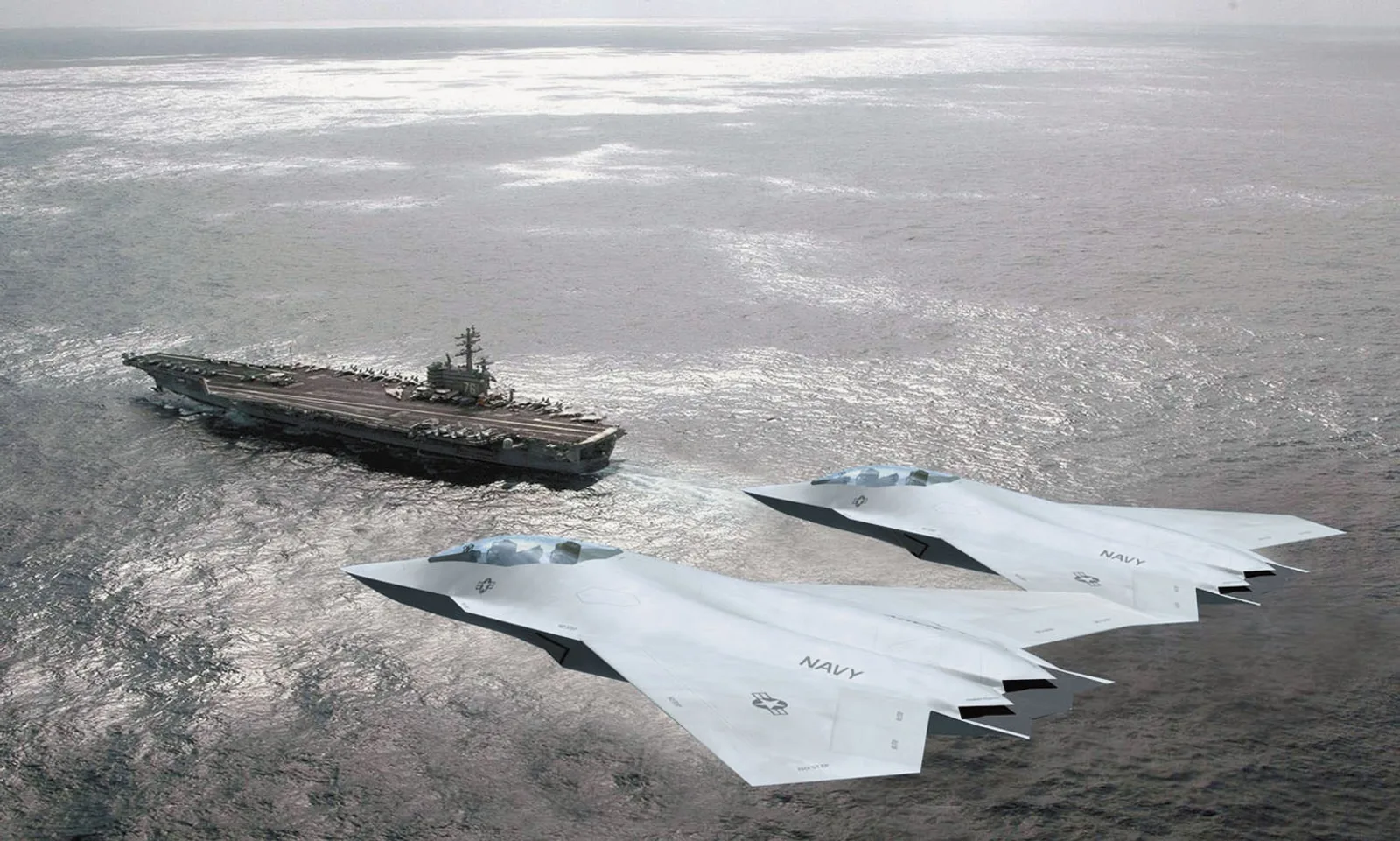
After the USAF NGAD contract was awarded some expected that the F/A-XX would be next, but nothing happened, while in July 2025 the White House said that moving forward with F/A-XX could damage what was now the F-47, at least 185 of which are expected to be ordered to replace the F-22A Raptor. Concerns were expressed at the ability of the supply chain to support both programmes simultaneously and at the ability of the budget to fund both.
The F-47 has now entered its engineering and manufacturing development (EMD) phase and a first flight is reportedly expected as early as 2028. Admiral Daryl Caudle, the US Chief of Naval Operations, bemoaned the long delay in awarding an F/A-XX contract, complaining that the longer timeline was putting unwelcome pressure on Super Hornet sustainment and would require improved F-35C programme performance in order to better bridge the gap before F/A-XX service entry.
The F/A-XX contract award was announced on 29 September 2026, just before the end of the fiscal year, when USD 972 million in F/A-XX research and development funding in the fiscal 2026 Defense Appropriations Bill was set to expire.
Boeing greeted the multi-billion-dollar contract award by saying that the new fighter would “revolutionise advancements in open mission systems architecture, advanced mission systems and operational reach and capacity”.
Steve Parker, president and chief executive officer of Boeing Defense, Space & Security, stated, “It’s an honour to be selected to produce the navy’s first sixth-generation platform. Backed by decades of work, bolstered by game-changing innovations and solidified by the investments we’ve made in new facilities uniquely suited to build multiple products with next generation capabilities, our dedicated and talented team is ready to execute this critical programme.”
Boeing has declined to provide additional details about the F/A-XX design, noting that “technical and programmatic details of F/A-XX remain classified under US national security and export laws”. The US Navy has also kept most information about F/A-XX close to its chest, but has said the F/A-XX will boast a greater range than current aircraft and will be interoperable with both manned and unmanned platforms, including collaborative combat aircraft (CCA).
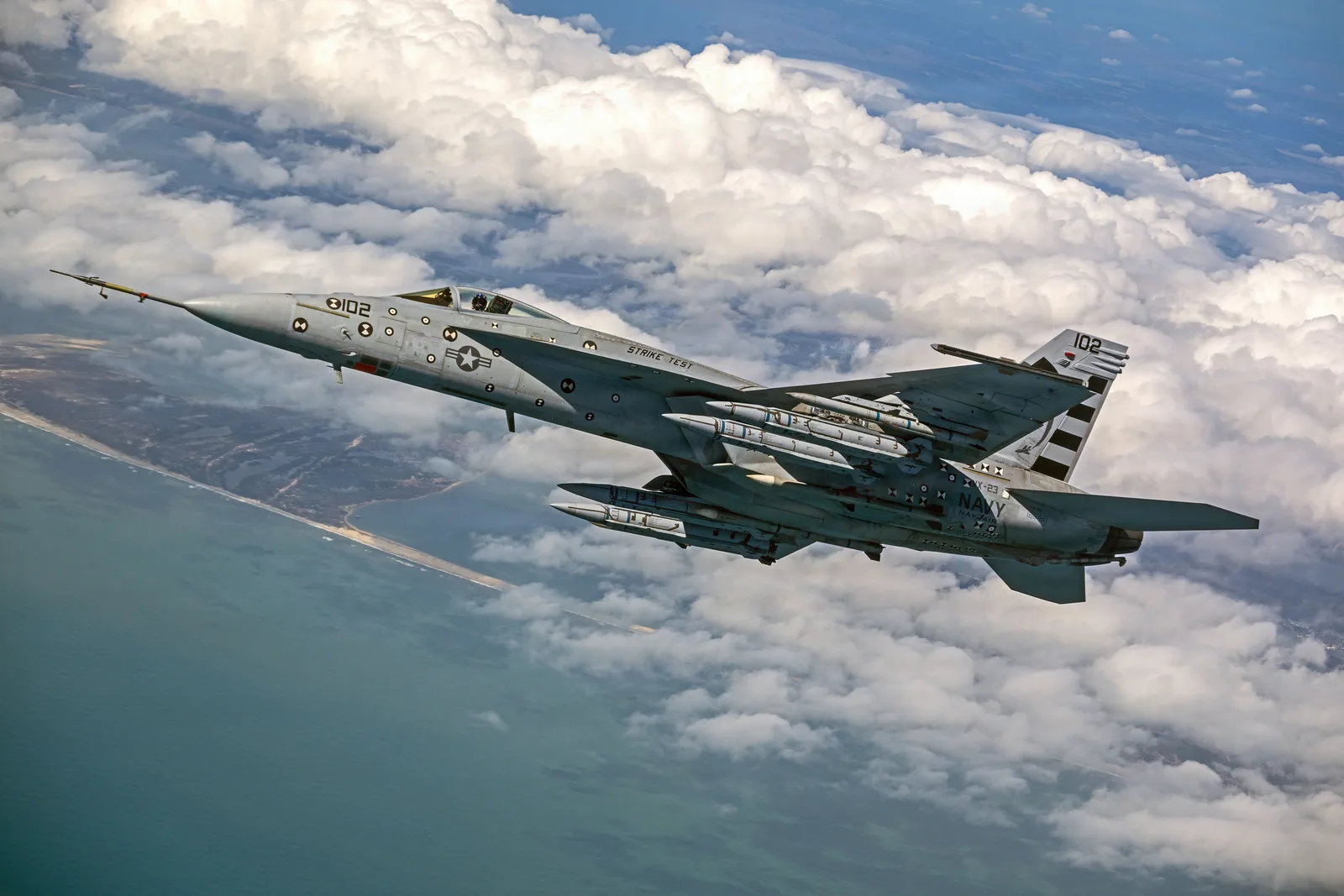
The next-generation F/A-XX fighter is expected to replace the Boeing F/A-18E/F Super Hornet and EA-18G Growler in US Navy carrier air wings beginning in the mid-2030s. Once operational, the new strike fighter will be augmented by Lockheed Martin’s F-35C Joint Strike Fighter, the Boeing MQ-25 Stingray unmanned tanker and a yet-to-be-determined CCA.
The new fighter’s primary role will be projecting power from the navy’s aircraft carriers, principally by carrying out long-range strike missions in the most heavily defended airspace, serving as the stealthy ‘tip of the spear’ for the modernised carrier air wing. The aircraft will also contribute to defending the carrier air group from air and missile attacks.
Acting Secretary of the Navy Hung Cao greeted the F/A-XX contract award by saying: “This is what transformational change of the carrier air wing looks like. The F/A-XX, the final sixth-generation strike fighter, will provide air dominance capability and capacity to extend the range of the most agile and survivable airfields: US aircraft carriers. This achievement marks a new era for the US Navy. The sixth-generation fighter is a generational leap in air superiority and will provide the world’s best aviators with unparalleled capabilities to fight, win, and come home safe. We are excited to partner with Boeing, and for our warfighters to continue to dominate the skies and defeat our nation’s enemies.”
Michael P Duffey, the Under Secretary of War for Acquisition and Sustainment, added, “The F/A-XX is a critical pillar in our commitment to maintaining peace through strength. F/A-XX will dominate contested airspace, extend operational reach and deliver a decisive combat advantage for the warfighter. The F/A-XX platform represents a crucial, non-negotiable investment in America’s national security and long-term air combat capabilities. We are joining forces with Boeing to field these capabilities rapidly, ensuring our warfighters possess the lethal and highly networked systems required to deter aggression, project undisputed power, and secure absolute air superiority.”
We may not know (and indeed may never know) exactly what underpinned the F/A-XX decision. Three or more NGAD and/or F/A-XX demonstrators are known to have been built by Boeing, Lockheed Martin and Northrop Grumman (and at least some of them are believed to have flown), but no details have ever emerged. Nor have explanations ever been officially offered for Northrop Grumman’s exit from NGAD, nor for Lockheed Martin’s elimination from F/A-XX. The US sixth-generation fighter programmes remain hidden behind walls of secrecy and obscured by disinformation and confused reporting.
It is, of course, entirely possible that the Boeing bid was so much better than the rival offering that it more than made up for the disadvantages implicit in buying both NGAD and F/A-XX from the same prime, or that Boeing’s commercial terms were superior to those offered by Northrop Grumman; that Boeing offered a superior aircraft, or a superior price, or both.
Boeing may have come up with clever and compelling ways of leveraging synergies with the company’s NGAD design, perhaps even offering some degree of commonality with elements of the larger USAF NGAD platform.
Boeing’s CEO refuted any suggestion that producing NGAD and F/A-XX would present a problem. “Delivering two advanced fighters in parallel was always our plan, and we invested accordingly,” said Parker. “We are ready and able to build multiple concurrent future combat aircraft franchise programs.” Boeing has invested heavily in a new secure manufacturing facility at St Louis, claiming that it will form part of the world’s most advanced, all-digital aerospace design and manufacturing system.
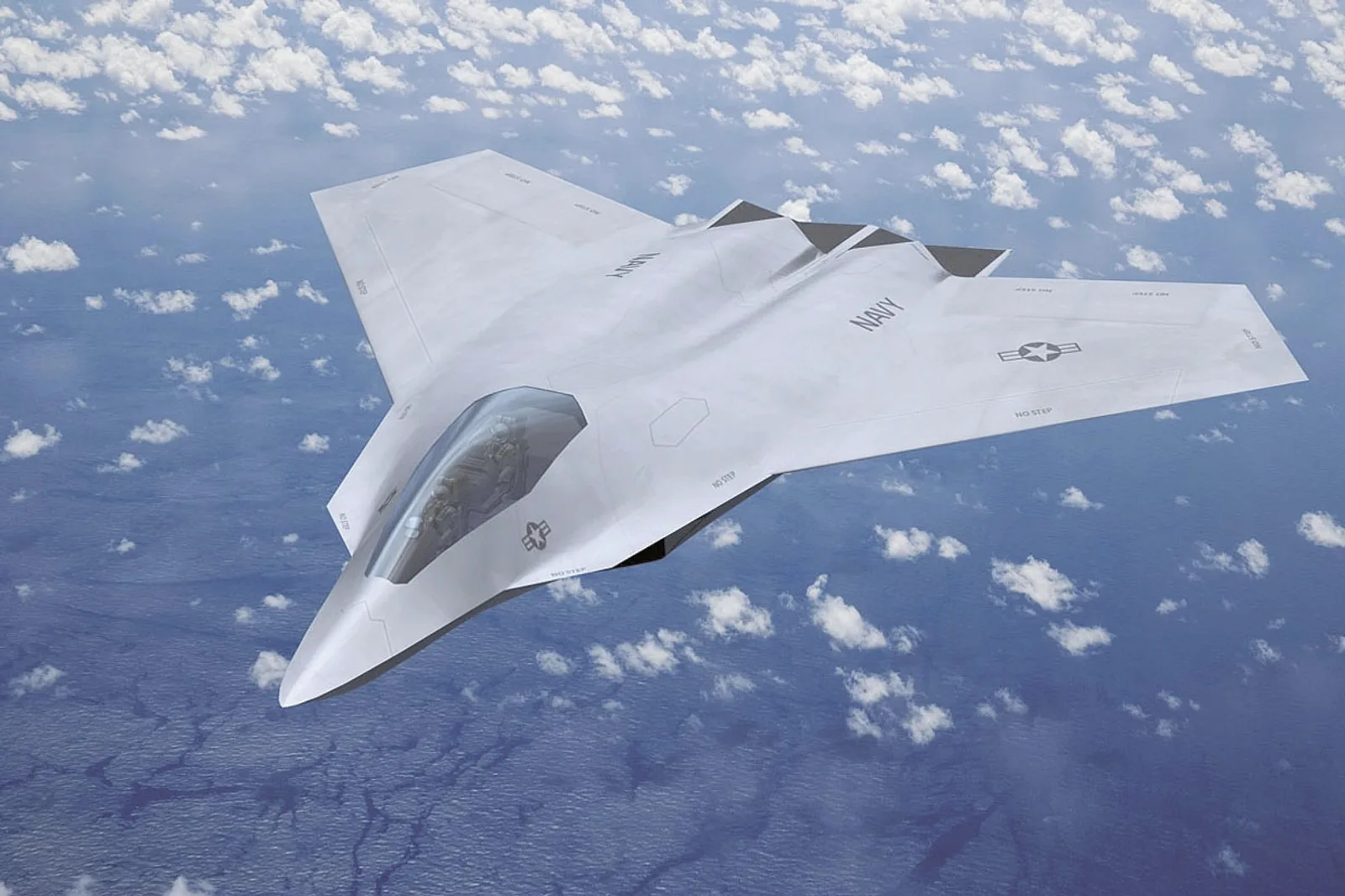
Alternatively, perhaps the Northrop Grumman bid was, or was felt to be, flawed in some way. The company’s submission for the TX trainer requirement was abandoned after flying only seven times and there have been persistent reports that the aircraft was catastrophically flawed. Aviation enthusiasts tend to over-emphasise history and tradition, and point to Northrop Grumman’s long history of designing, developing and building carrier-borne fighters and attack aircraft for the US Navy, but the last of these were the F-14 Tomcat (which first flew on 21 December 1970) and the EA-6B Prowler (the maiden flight of which was made on 25 May 1968) – more than 55 years ago! Grumman merged with Northrop in 1994 and the Bethpage ‘Ironworks’ plant ceased manufacturing in 1996. Northrop Grumman may have a heritage of building naval fighters, but it no longer has a meaningful corporate memory of doing so.
On the other hand, the engineering challenges of carrier compatibility are no longer new and would not be hard for a company of Northrop Grumman’s engineering prowess to master. By contrast, some of the key enabling technologies that will underpin the sixth generation of combat aircraft are extremely difficult – and these are the very areas in which Northrop Grumman excels, including LO (‘stealth’) characteristics, advanced sensors (especially active electronically scanned-array radars), connectivity and manned/unmanned teaming. Alhough it is obviously not a fighter, the Northrop Grumman B-21A Raider bomber is believed by many to be the first US sixth-generation combat aircraft.
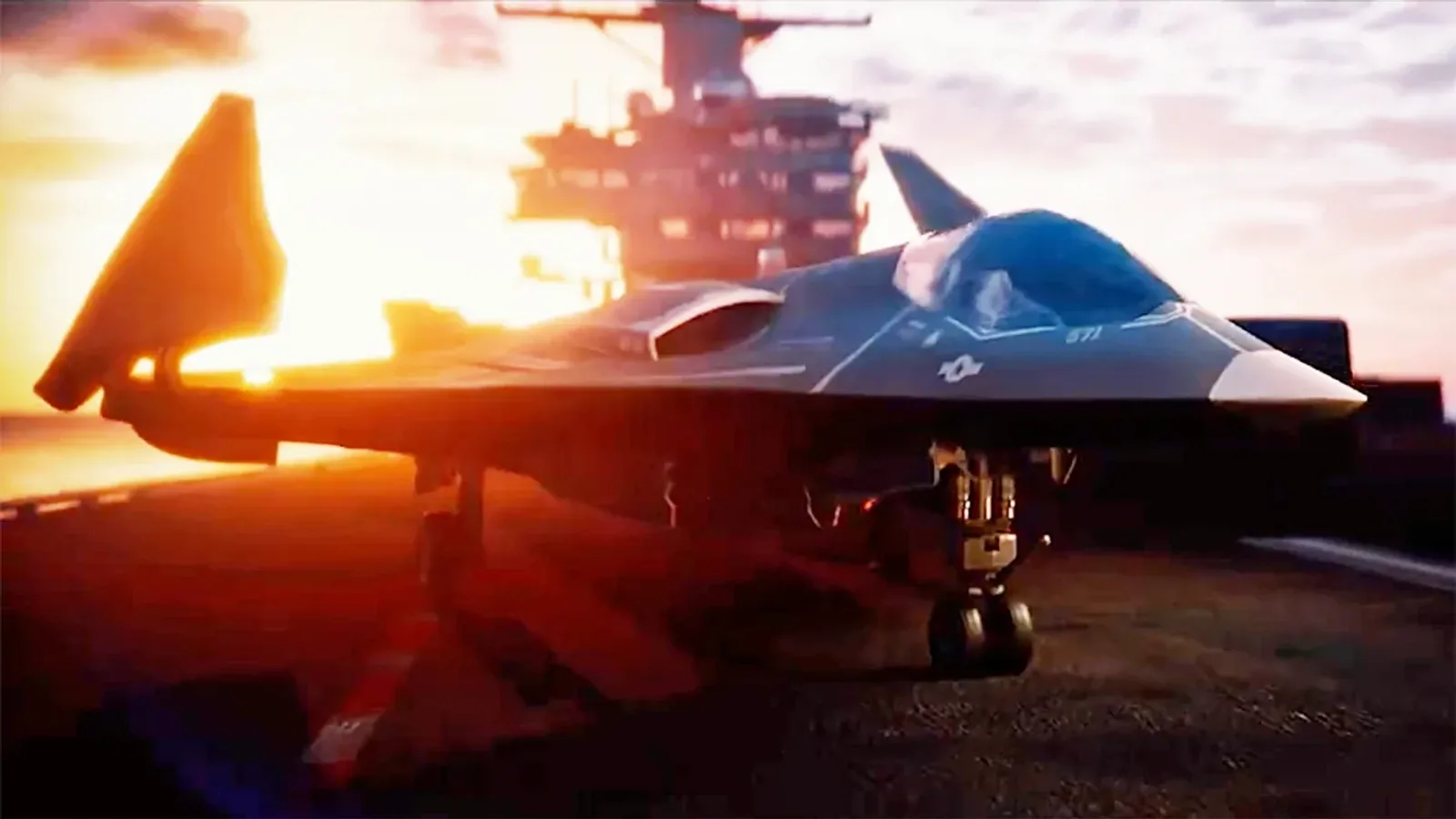
There may have been a worry that Northrop Grumman lacks the capacity to execute a programme of the size, complexity and difficulty of the F/A-XX effort while simultaneously managing the B-21A programme. The latter remains a vital strategic priority for the US military and is destined to shoulder a significant part of the future US nuclear deterrent triad. Nothing would be allowed to threaten the success of the B-21A.
In acknowledging the contract announcement, Northrop Grumman noted that it had offered “a highly survivable, digitally advanced sixth-generation fighter”. The company stated, “We look forward to receiving additional information about their selection” and did not specifically rule out appealing the decision.
There have been numerous (unproven) allegations that President Donald Trump has used his second presidential term to corruptly increase his personal wealth, in apparent violation of longstanding ethical norms and seriously undermining public trust in democratic institutions. His investments include major holdings in Boeing, after the acquisition of between USD 1.5 million and USD 6 million in Boeing bonds during late 2025, USD 1-5 million in Boeing shares in February 2026, and USD 250,001-500,000 in Boeing stock on 18 June 2026.
There are thus suggestions that Boeing may have enjoyed some advantage or influence as a result of Trump’s investments in the company, although the White House insists that the president’s investment portfolio is managed independently by third-party institutions in an effectively blind trust and that Trump himself has no control over trades by his investment accounts. The administration has dismissed concerns of any potential conflicts of interest arising from presidential oversight of major defence contractors.
The US 1934 Securities Exchange Act prohibits insider trading, which it defines as buying and selling stocks or other securities as a result of access to non-public information.