In the shadow of the burgeoning People’s Liberation Army Navy, the naval forces of Southeast Asia are doing what they can to modernise.
While China sails forward, Southeast Asian navies aim to stay afloat and modernise
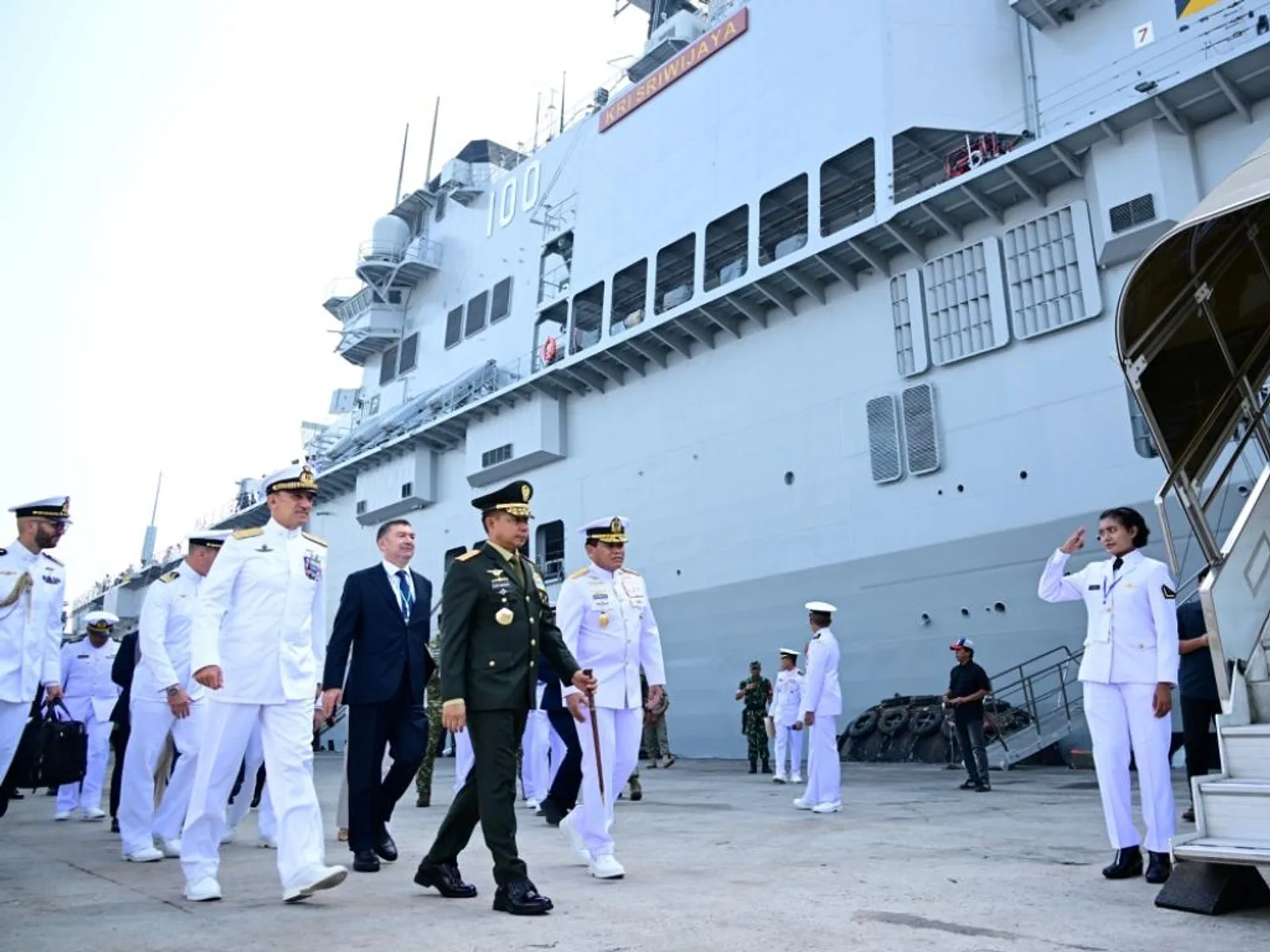
At a ceremony at Pier 107, Tanjung Priok Port, in north Jakarta on 24 September 2026 the aircraft carrier formerly known as ITS Giuseppe Garibaldi officially became KRI Sriwijaya as the carrier’s Italian flag was exchanged for an Indonesian one. (TNI-AL)
China continues to modernise and expand its armed forces, including the People’s Liberation Army Navy (PLAN), which is now constructing the Type 004 aircraft carrier, believed to be nuclear powered. The governments and militaries of Taiwan, Japan and the United States (among others) are all following these developments and preparing accordingly.
However, less is reported about how some of China’s other regional neighbours are modernising their armed forces, particularly those in the South China Sea: an important maritime area that Beijing covets. The arrival of a second-hand carrier to Indonesia, an award for a fleet of patrol boats for Vietnam and upgrades for the Royal Malaysian Navy demonstrate that several Southeast Asian defence ministries and navies are allocating funds for new platforms, maintaining deterrence capabilities at sea and improving maritime domain awareness.
Indonesia’s ‘new’ carrier and other procurement programmes
The former Italian aircraft carrier ITS Giuseppe Garibaldi arrived in Jakarta in late September 2026. It will now serve in the Indonesian Navy (TNI-AL) as KRI Sriwijaya (100). Besides Indonesia, Thailand is the only other regional state operating a carrier: HTMS Chakri Naruebet.
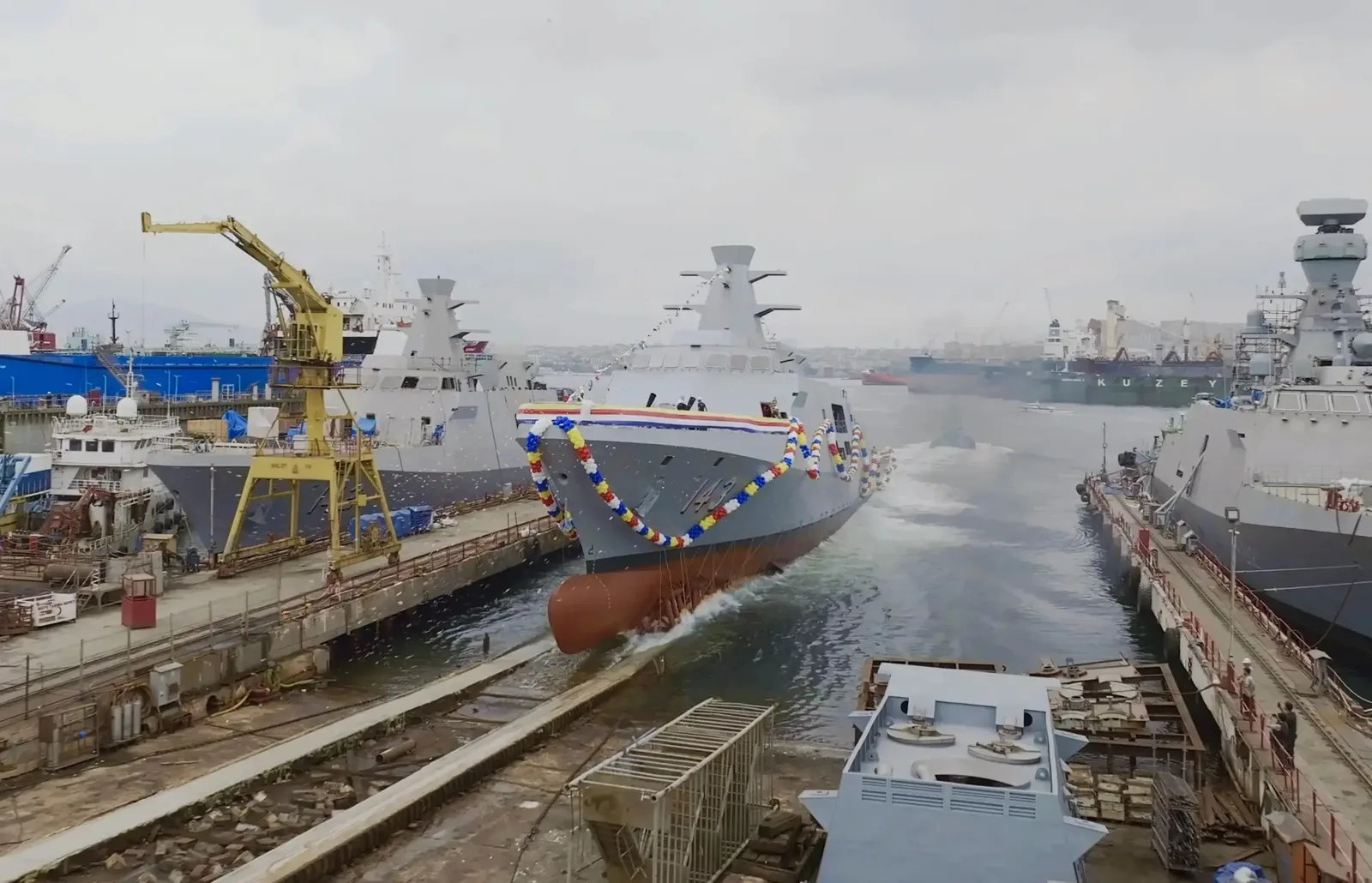
Other Southeast Asian procurement programmes are also ongoing. Specifically, Malaysia has ordered three corvettes from Turkiye’s STM for the Royal Malaysian Navy – to be called Tunku Laksamana Abdul Jalil, Raja Laut and Tunku Osman Jewa – as part of the Littoral Mission Ship (LMS) Batch 2 programme. The last of these was launched in August 2026 and all three platforms are expected to be delivered by 2027.
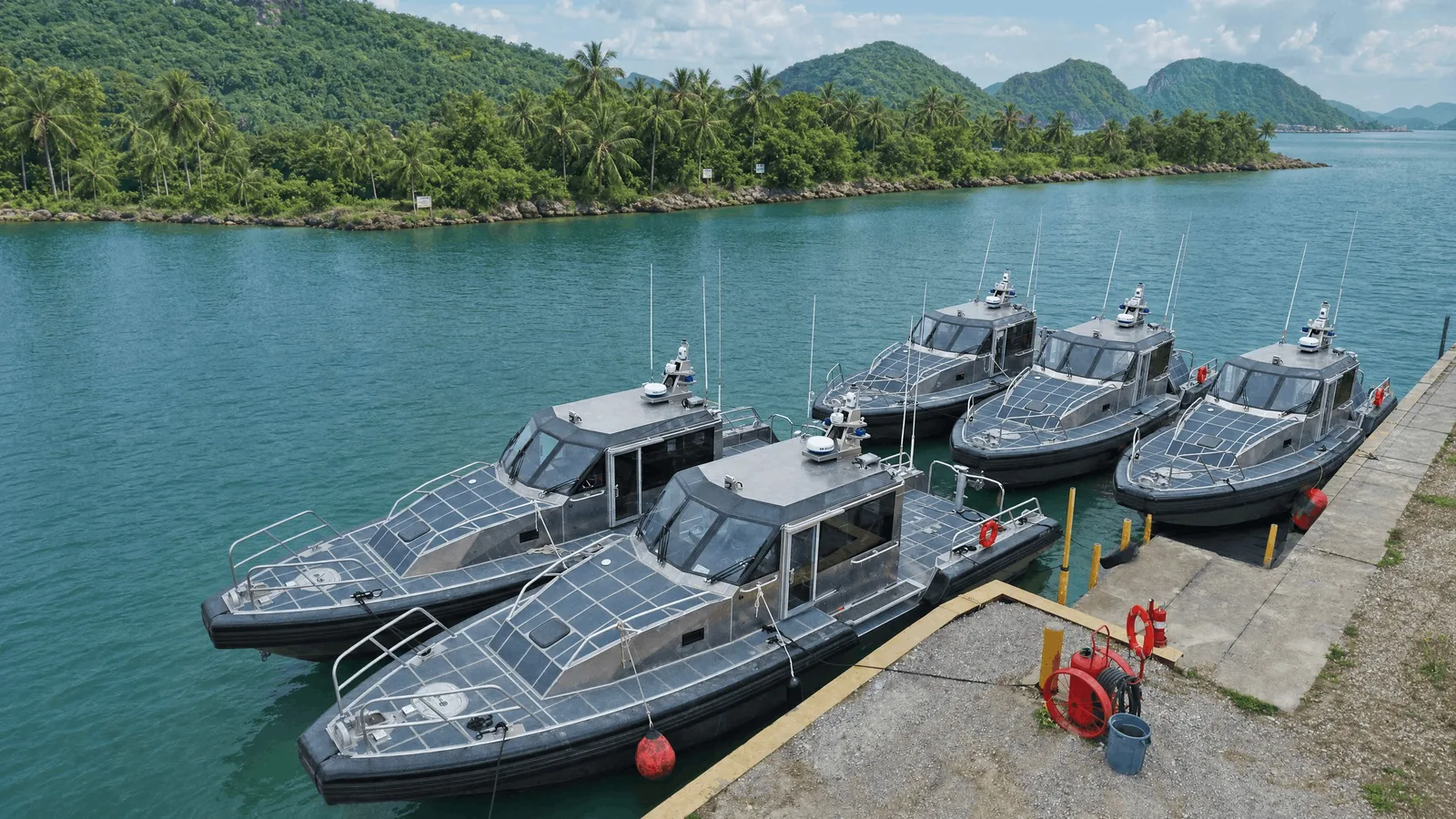
Another country modernising its fleet is Vietnam. On 30 September 2026 the Louisiana-based shipyard Metal Shark announced a US government award to build 13 Defiant-class patrol vessels for Vietnam. Although the funding mechanism for this sale has not been disclosed, Metal Shark stated in a press release that the vessels will be “configured to support a wide range of coastal-security missions, including patrol, interdiction, search and rescue, and maritime law enforcement”. Between 2017 and 2020 the shipyard delivered a fleet of 24 Defiant-class patrol vessels for the Vietnam Coast Guard.
Other contracts could be on the horizon as Thailand has reportedly selected the South Korean shipyard Hanwha Ocean to build one frigate for the Royal Thai Navy. Negotiations remain ongoing, though, and a contract has not yet been signed. The same shipyard also wants to expand into the Philippine market; the Philippine media recently reported that Hanwha Ocean has upgraded its proposal to modernise Manila’s submarine fleet by offering the Jangbogo-III PN submarine design, which “replaces Hanwha’s earlier Ocean 1400, formerly known as the DSME 1400”.
Do Asian shipyards build ships?
While acquisitions from international suppliers are occurring, some regional countries also have shipyards that support their respective navies. For example, Malaysia’s Lumut Naval Shipyard is building a fleet of Maharaja Lela-class littoral combat ships for the Royal Malaysian Navy. The defence news agency Janes revealed in August 2026 that the fourth vessel will be launched in January 2027.
Vietnam also has an active shipbuilding programme led by the Saigon-based Ba Son Shipyard. Anecdotally, while Vietnam is buying coast guard vessels from the United States, the country is also building them domestically. Ba Son announced that it had signed a contract with the Indian conglomerate Larsen & Toubro on 23 September 2026, funded by a concessional loan from the Indian government, to build an undisclosed number of TT-1500 high-speed patrol vessels for the Vietnam Coast Guard.
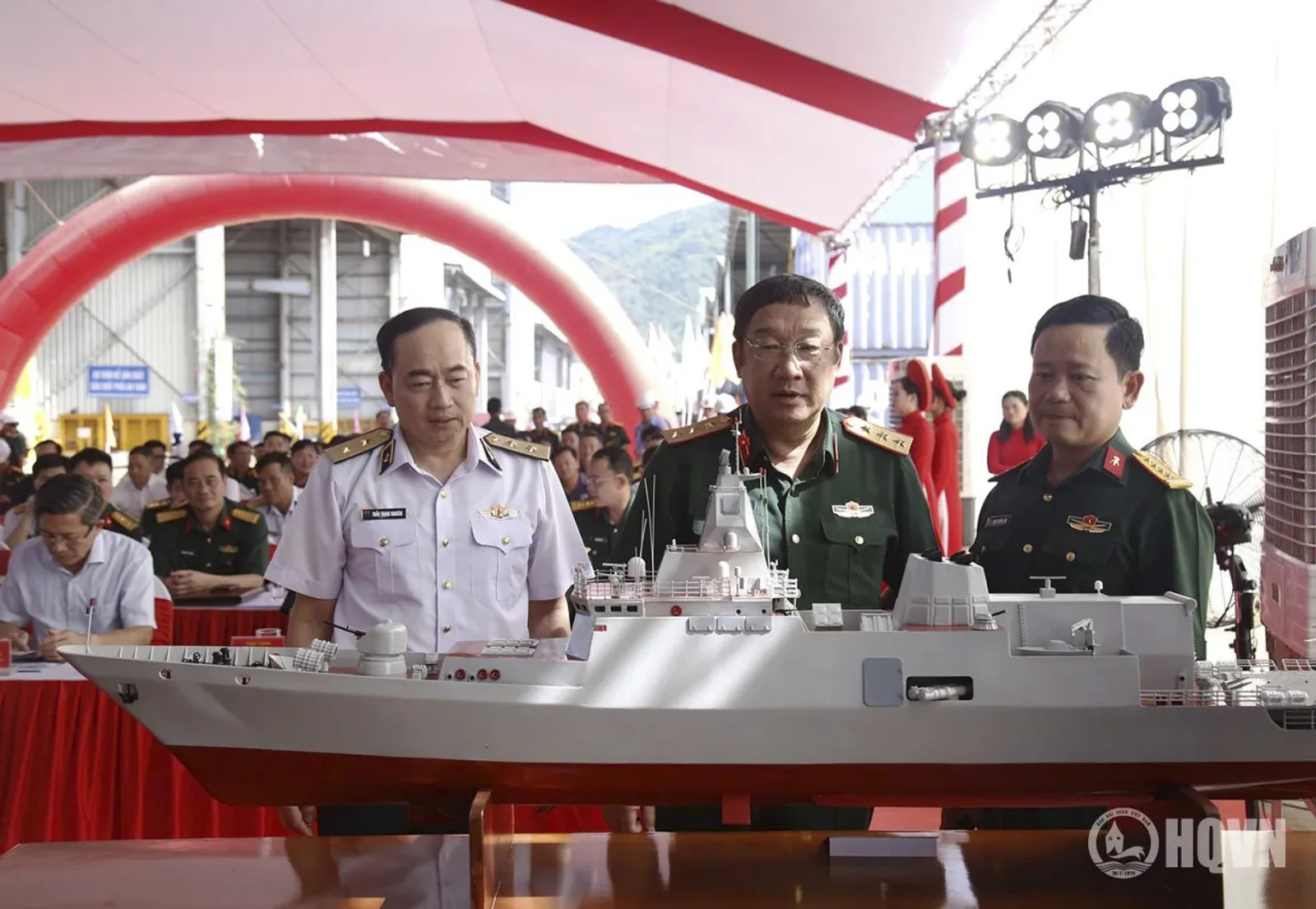
The Vietnamese shipyard Song Thu Corporation reached another milestone when a steel-cutting ceremony took place in August 2026 to begin construction of the Vietnam People’s Navy’s first domestically manufactured multi-purpose anti-submarine frigate. While the exact specifications are unknown, the new warship is expected to have “a wide array of newly developed, domestic weaponry and systems”, the company explained.
Analysis
Are there trends that we can observe? Indonesia’s acquisition of an aircraft carrier appears to be an outlier in current procurement trends. Other navies are either buying or domestically manufacturing smaller, multi-purpose craft designed for maritime patrol missions and domain awareness.
KRI Sriwijaya will be the Indonesian Navy’s flagship and it is certainly impressive for a Southeast Asian navy to operate a carrier. However, operating such a large capital warship is costly, so it will be interesting to see how often KRI Sriwijaya is deployed for patrol missions across Indonesian waters as opposed to remaining alongside. For comparison, Thailand’s HTMS Chakri Naruebet has been used primarily for humanitarian assistance/disaster relief missions, while “debates about its utility have raged since it entered into service in 1997”, according to Tita Sanglee, an Associate Fellow at the ISEAS–Yusof Ishak Institute in Singapore, last year. Italy’s Fincantieri and Indonesia’s PT PAL recently signed an agreement in relation to modernising the carrier, although it is unclear how long this modernisation programme will take, which will likely mean the carrier remains docked for the foreseeable future.
Also important is where these navies get their ships. While other regions of the world are undergoing a shipbuilding golden age (such as in South America, where shipyards are building submarines, frigates, icebreakers and multi-purpose vessels), Southeast Asian shipyards have more modest ambitions in terms of the number and types of ships. Arguably, the Southeast Asian shipbuilding industry remains small and limited within the region – especially compared with Japan, South Korea, Australia and especially China. Hence, while Vietnam and Malaysia have achieved important shipbuilding milestones, the region will remain heavily dependent on extra-regional suppliers.
Geopolitics and naval power go hand in hand in Southeast Asia. Generally speaking, regional states have good diplomatic relations and the likelihood of inter-state warfare is low (while in 2025 border clashes occurred between Cambodia and Thailand, the cease-fire there appears to be holding). The primary military threat is China and, while navies are modernising their fleets and expanding them, it remains debatable how well they would perform in the case of a conflict with China, however short lived, given the massive numbers of ships (PLAN, China Coast Guard, Maritime Militia, even fishing vessels for added mass) that Beijing can bring to the South China Sea.
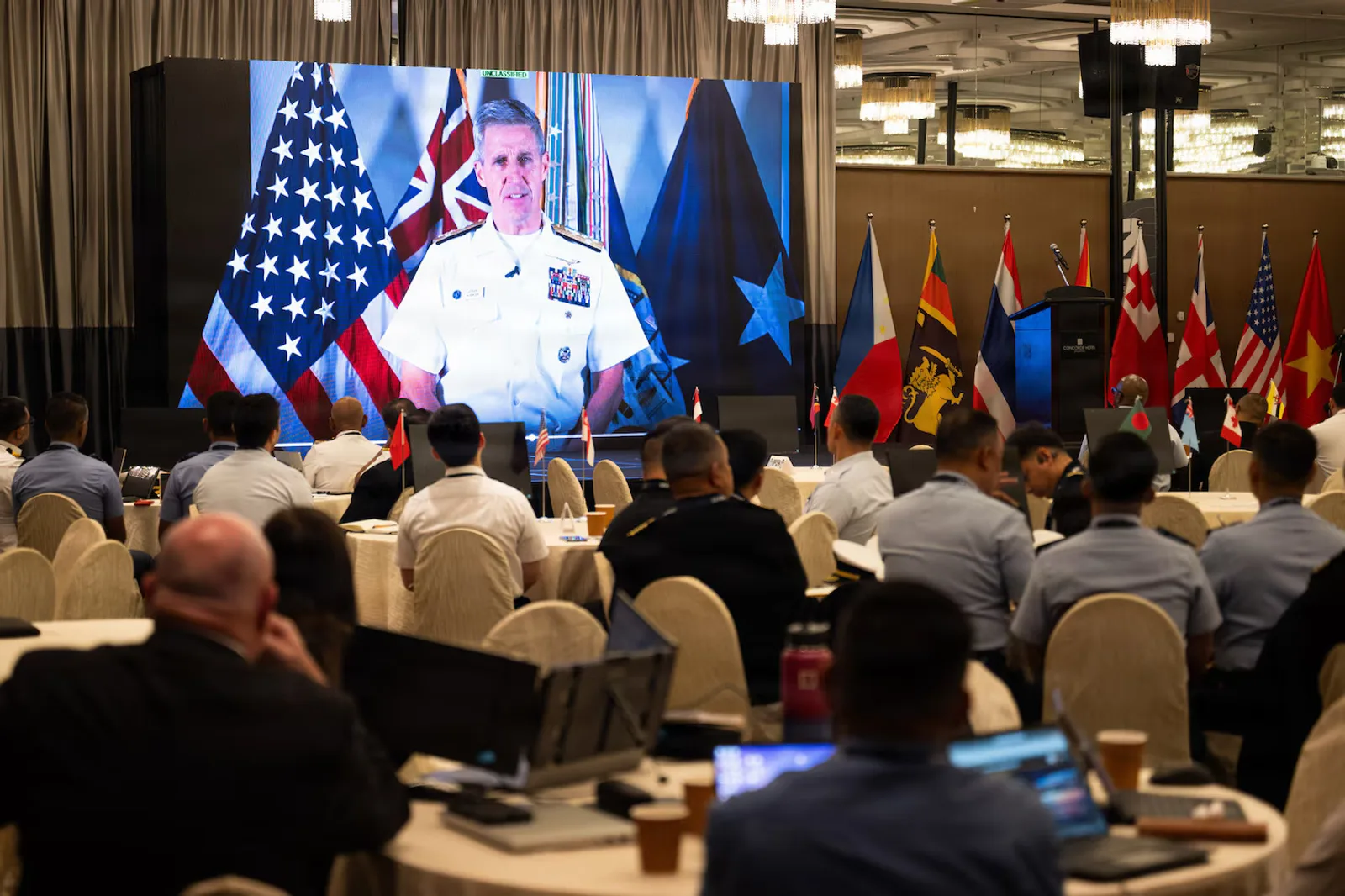
A final word is necessary about the US military, which continues to engage Asia-Pacific nations to promote interoperability and good relations, with Beijing constantly in mind. In addition to the biennial Rim of the Pacific (RIMPAC) Exercise held out of Honolulu, the US Navy conducted Exercise SEACAT in Singapore in August 2026, with 16 navies participating. Before that, US and Vietnamese troops trained together in areas such as medical care, disaster management, engineering and community outreach through the US Navy-led Pacific Partnership 2026. As tensions continue between Washington and Beijing, the Southeast Asian theatre of operations, including the South China Sea and the countries that border it, will grow in importance.
Asian navies are modernising by acquiring new ships, but to deter the Chinese threat effectively they also need alliances, partnerships, integrated strategies and emerging technologies.

Share post