While dozens of companies are understood to have shown interest in the UK Ministry of Defence’s Light Mobility Vehicle (LMV) programme, the list of competing teams in the contest has been narrowed down to seven ahead of the programme’s trials stage.
UK MoD selects seven teams to move forward into trials under LMV programme
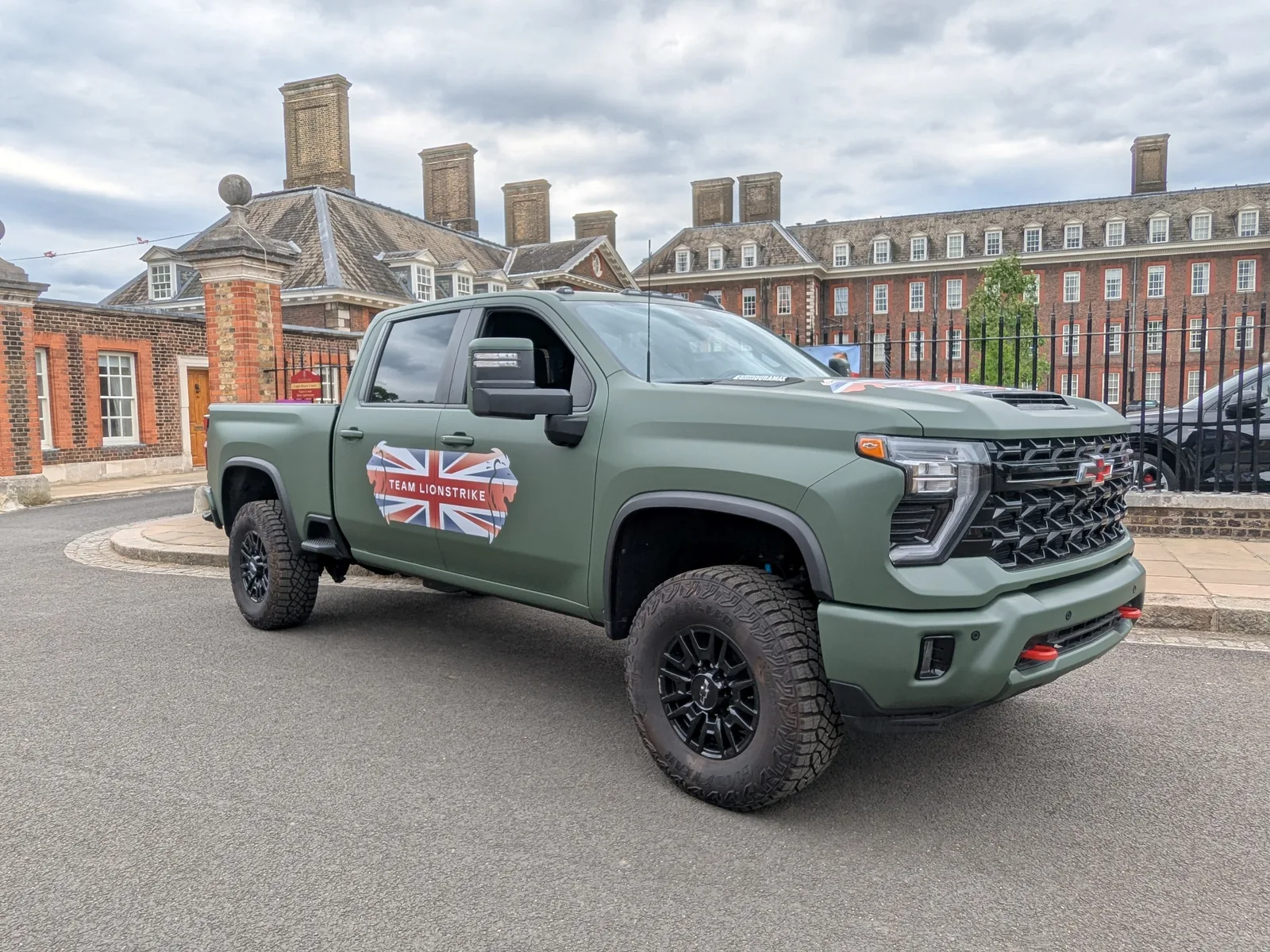
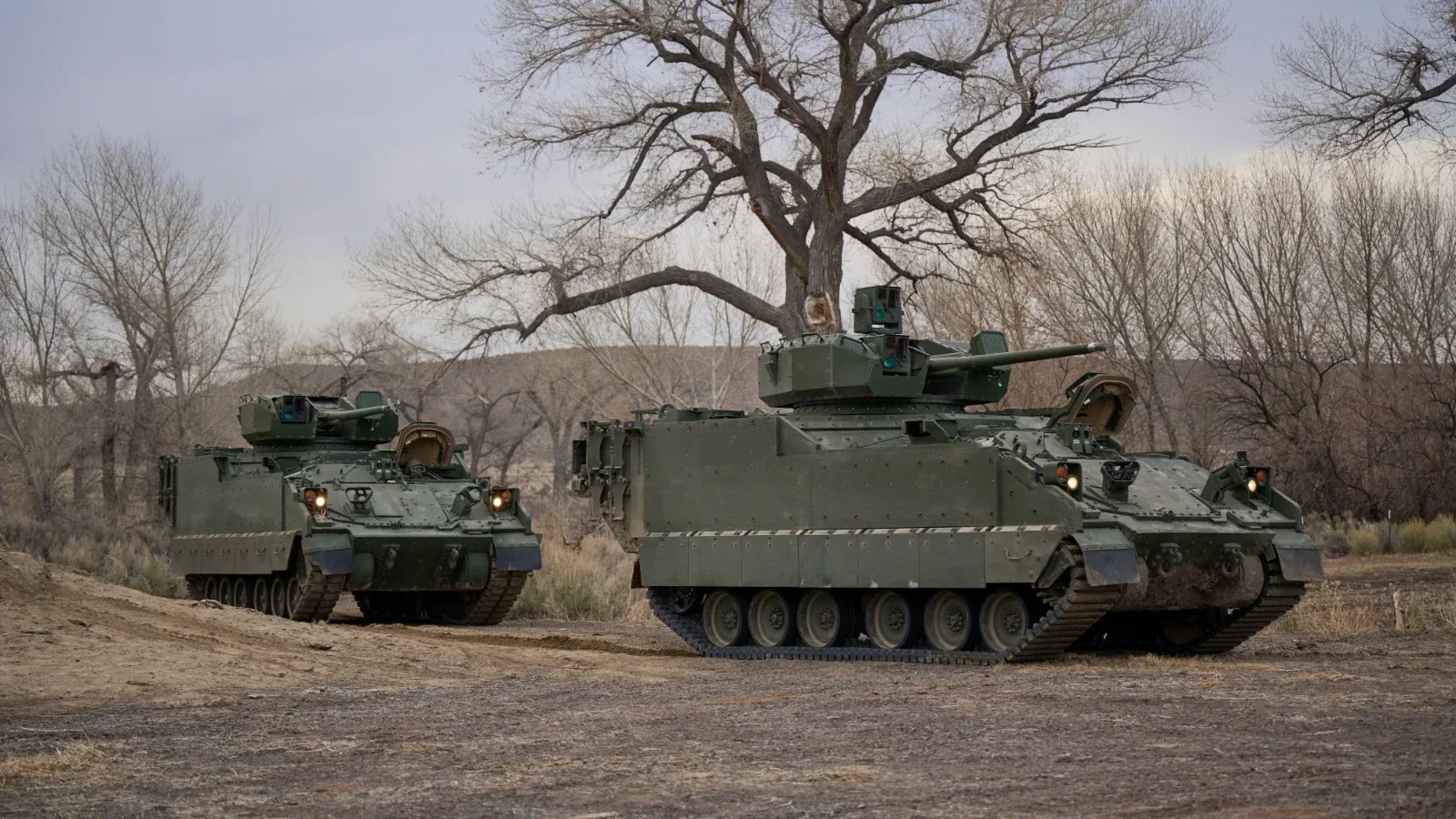
Team LionStrike is pitching vehicles for the LMV programme derived from the Chevrolet Silverado and GM Defense Infantry Squad Vehicle. (P Felstead)
The UK Ministry of Defence (MoD) has made a downselection in relation to its Light Mobility Vehicle (LMV) programme, writing to seven bidding teams on 1 October 2026 and inviting them to move forward with providing candidate vehicles for trials.
All other teams/companies that had showed an interest in the LMV programme have also been informed they are no longer under consideration.
The seven teams left in the LMV contest are as follows:
- Team LionStrike, comprising GM Defense, BAE Systems and NP Aerospace, pitching vehicles derived from the Chevrolet Colorado and GM Defense Infantry Squad Vehicle;
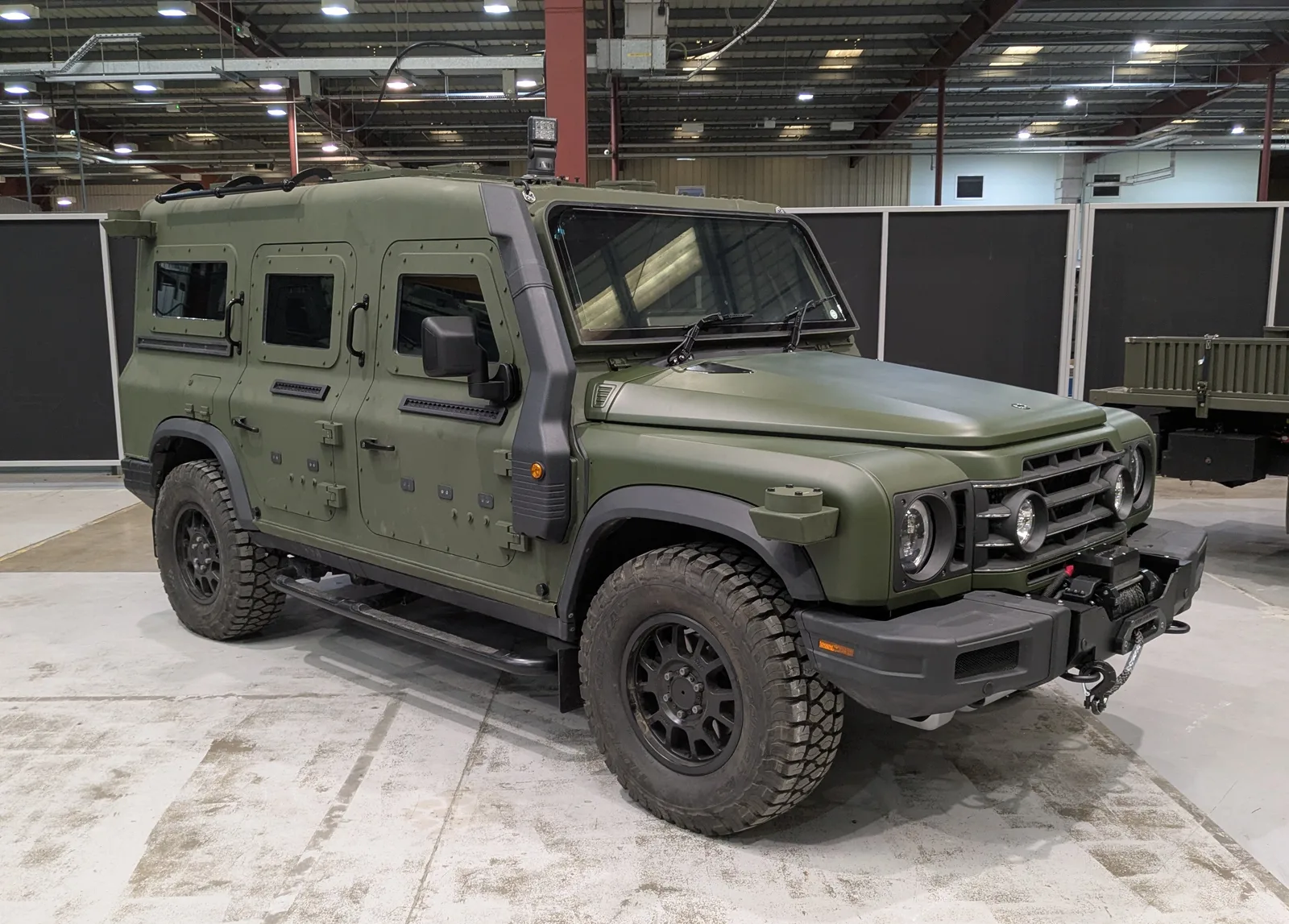
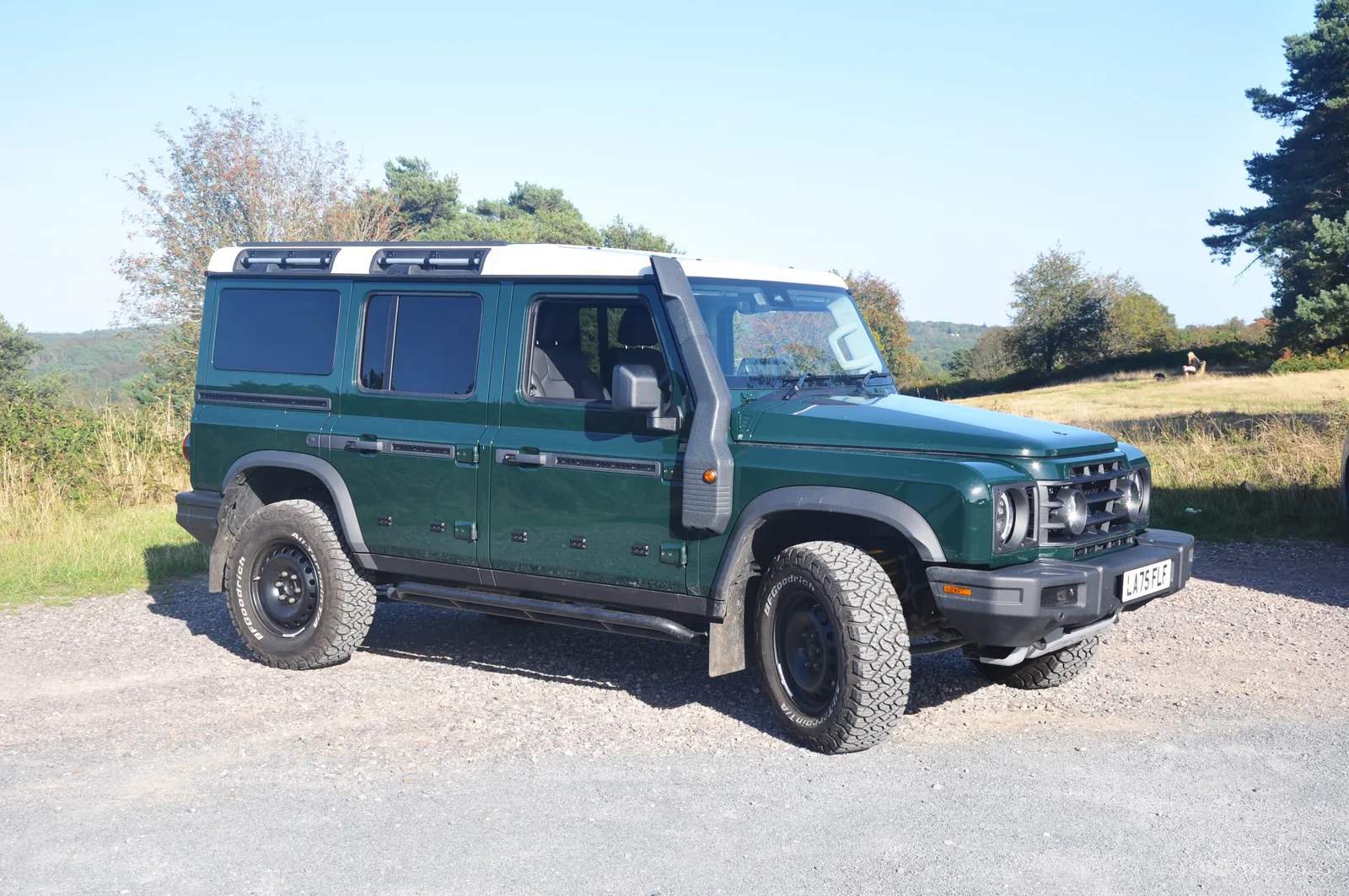
- Team Grenadier, comprising primarily INEOS Automotive, SMT Defence and NMS UK, offers solutions based on the INEOS Grenadier;
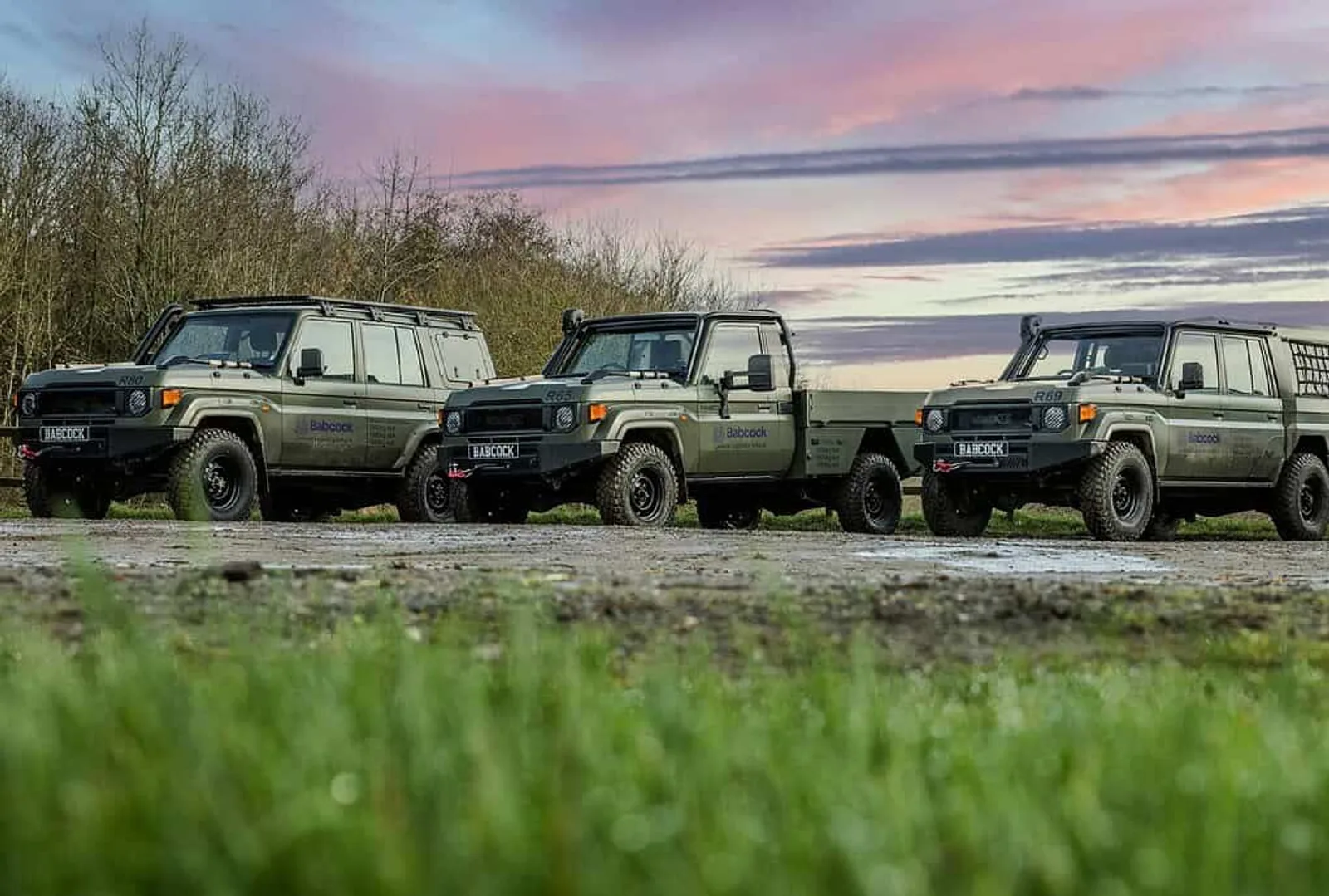
- Babcock and Supacat, offering the General Logistics Vehicle family built upon the Toyota Land Cruiser 70 Series platform;
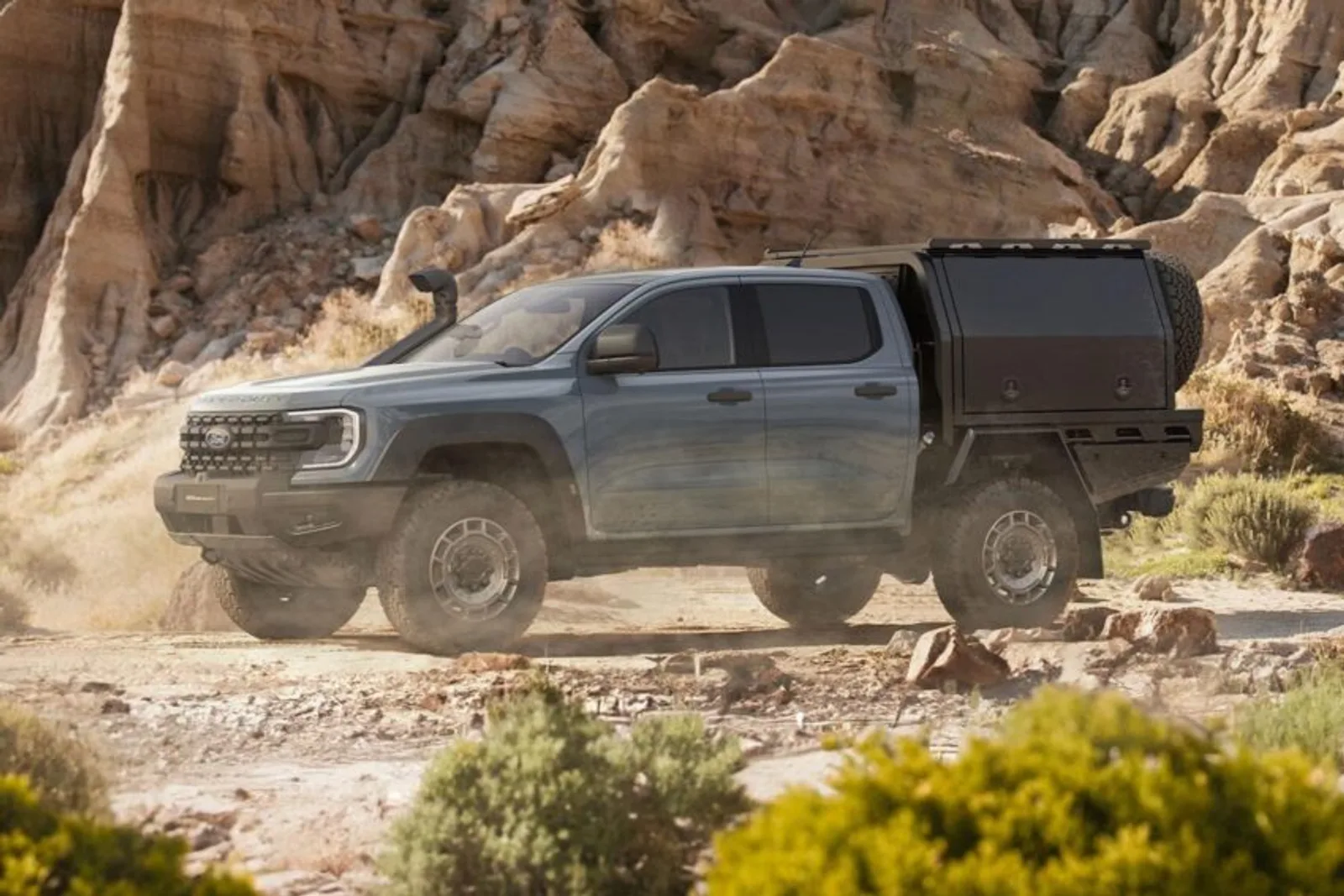
- Ford, GDLS-UK and Ricardo, with a bid leveraging the Ford Ranger and Ranger Super Duty commercial pick-up architecture to produce scalable, military-grade platforms;
- Team Wolf, comprising Rheinmetall UK, Mercedes-Benz UK and Rheinmetall BAE Systems Land, offering a family of vehicles based on the Mercedes-Benz BR464;
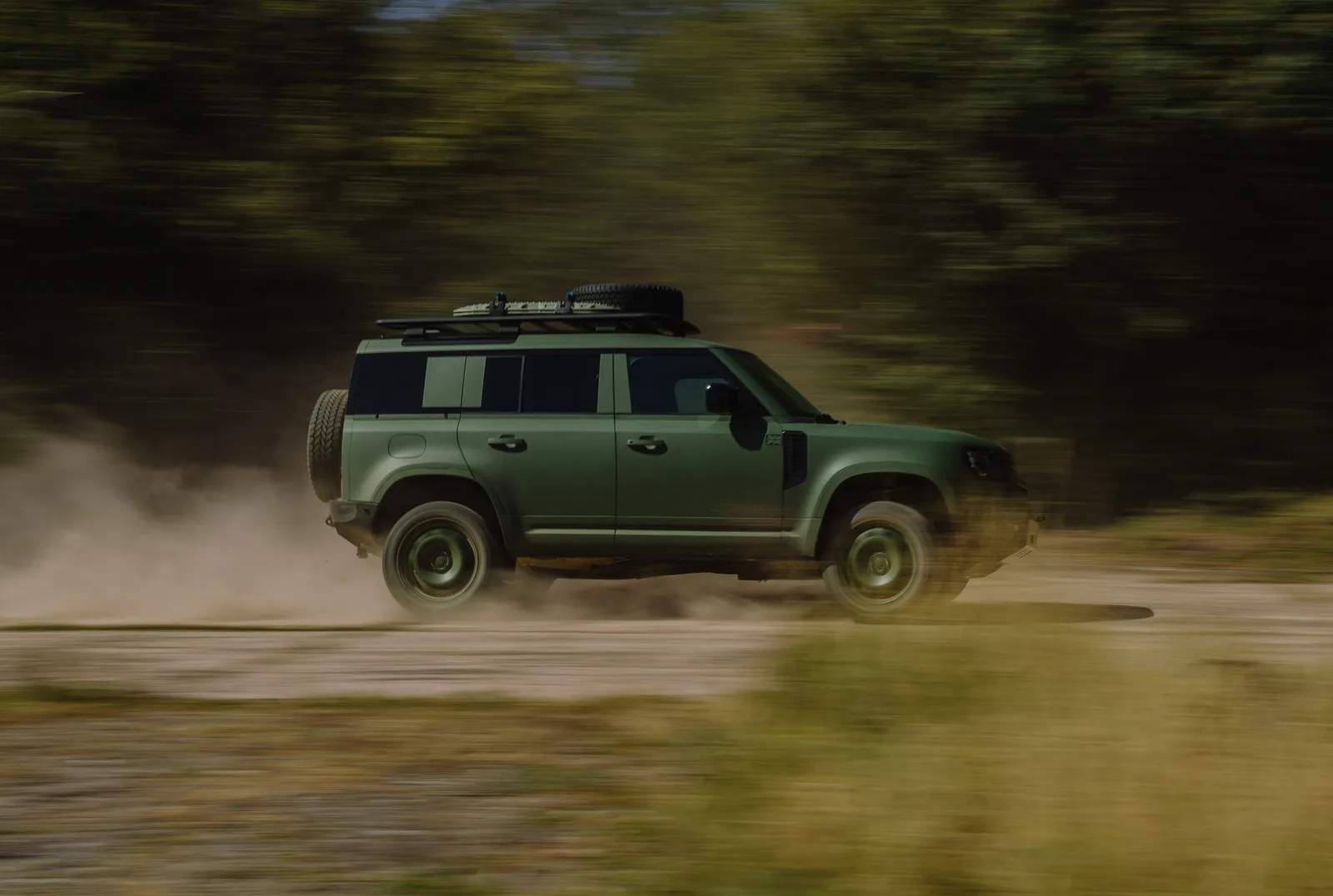
- Jaguar Land Rover, bidding a range of vehicles based on its current Defender Wolf Series II;
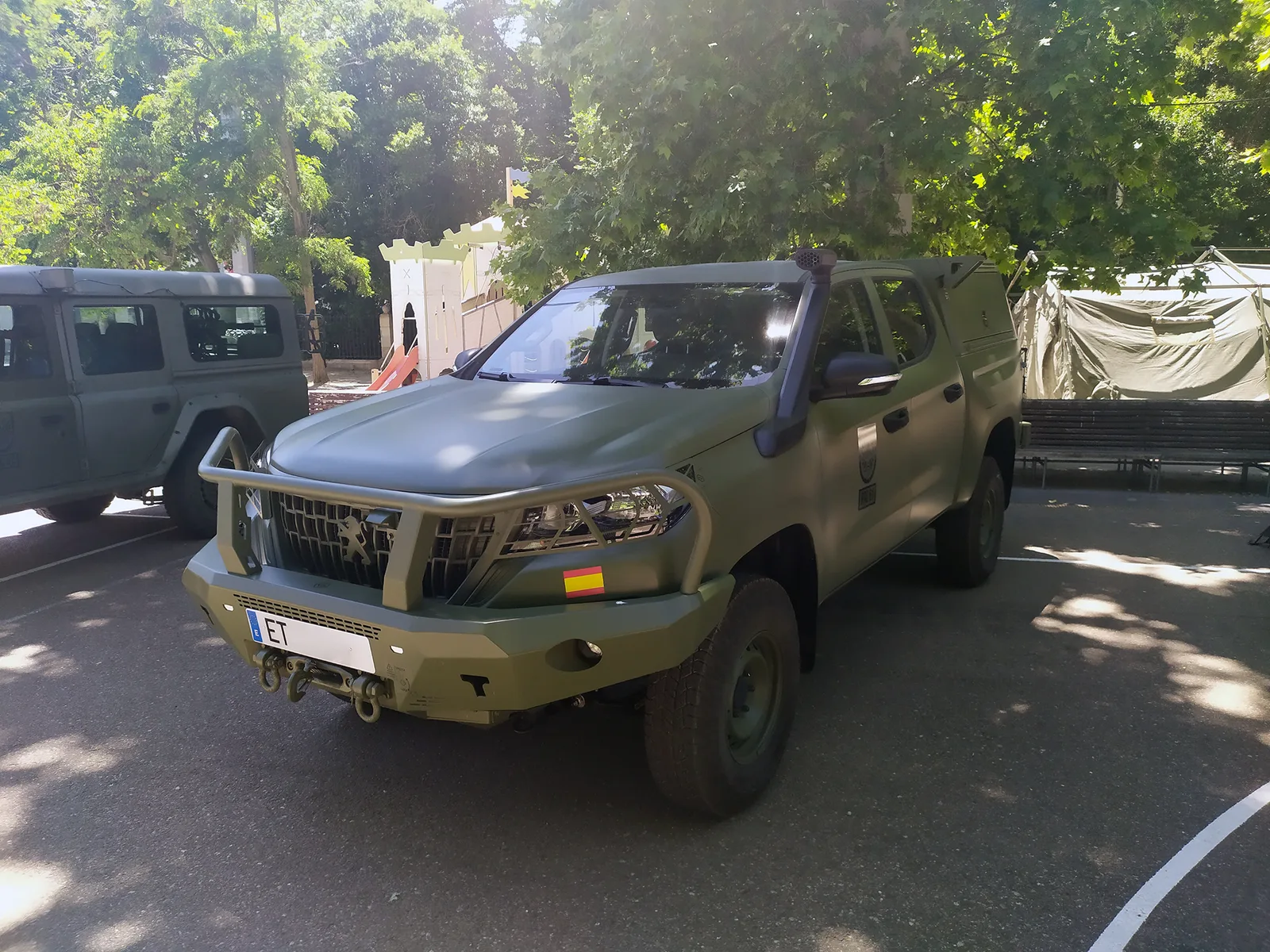
- Spanish vehicle conversion specialist Iturri, although little is known about this bid. It is possibly based on the Landtrek VMTT (Vehículos Militares Todoterreno Tácticos) platform, which is derived from the Changan F70 pick-up born out of a joint venture between Peugeot and China’s Changan Automobile and currently in Spanish Army service, but there are other possibilities.
Most of these teams were expected to proceed, but Iturri is something of an outlier. Meanwhile, although London-based Fering Technologies announced on 9 September 2026 that it had put forward its Pioneer X ultra-long-range 4×4 for the LMV contest, this was always going to be a long shot, as the company effectively conceded to Warsight at the Defence Vehicle Dynamics 2026 event held at UTAC Millbrook Proving Ground on 16/17 September. Driven by a hybrid electric powertrain, the Pioneer X is a unique vehicle, but not one that could be mass produced to cover all of the LMV programme’s requirements. Further to this – and somewhat short-sightedly in the context of procuring vehicle fleets that will serve several decades into the future – the MoD has made no LMV stipulation with regard to the adoption of hybrid electric drive.
The LMV contest and how it will play out
As part of the UK MoD’s overall Land Mobility Programme (LMP), the LMV requirement is intended to directly replace the UK’s legacy light, mobile tactical platforms, most specifically the Land Rover- and Pinzgauer-based fleets that are due to be retired by 2030. In all nine LMV variants, all to be derived from a common base platform (CBP), have been specified under the MoD’s tender notice, which was formally issued in early August 2026: a General Purpose Vehicle (GPV); a Battlefield Ambulance (BFA); a Tactical Mobility Vehicle (TMV); a Utility Vehicle (UV); an Enhanced Protection Vehicle (EPV); a Command and Control Vehicle (C2V); an Equipment Support Vehicle (ESV); a Troop Carrying Vehicle (TCV); and a Mission Systems Vehicle (MSV).
Regarding the LMV competition’s next stage, by 19 October 2026 at the earliest the MoD will give three weeks’ notice of the deadline for the competitors to deliver examples of three LMV variants: a General Purpose Vehicle, a Tactical Mobility Vehicle and a Battlefield Ambulance. By that deadline all seven remaining competitors will need to deliver their three vehicles: a requirement that more than one LMV team have told Warsight is expected to reduce the field of bidders even further.
The bidders who have successfully delivered these three examples will then see their vehicles competitively trialled, with a final downselect and initial rollout contract then issued, most likely in the spring of 2027. An initial operational capability with the selected vehicles is expected to come in the 2029-2030 timeframe.


Share post






You may be interested in
DVD 2026: Team LionStrike appoints NP Aerospace as prime contractor for LMV bid
Team LionStrike, the industrial grouping…
Team Grenadier introduces new team members, unveils Enhanced Protection Vehicle
Team Grenadier – the consortium…