This final part of a four-part series (see: Part I, Part II, Part III) explores the hypothetical case of reinstituting more tactical nuclear weapons into the US military arsenal. What would this actually entail? Is this even feasible?
Some commentators have insinuated that reinstating more tactical nuclear weapons into the arsenal would be a matter of taking things out of storage and sending them to the field. This is nonsense on several levels, particularly since entire categories of weapons were not just taken out of the field but completely dismantled, as described in Part I of this series. There are, possibly, around 200 B61 bombs in inactive storage. It is feasible they could be re-fielded. This is, really, the only near-term feasible strategy for augmenting the US tactical nuclear inventory. But beyond that, taking stuff out of storage is likely to not be a useful option for tactical nuclear weapons
If the US government decided tomorrow that it was going to do anything other than modestly increase the number of B61 bombs that the US Air Force has, there are a number of constraints at play that convert the problem into a three-to-five year (minimum) proposition before any practical changes happen.
The many hurdles to rebuilding the US tactical nuclear arsenal
Design is critical. Do you regurgitate old designs or do you make new ones? New nuclear weapon designs take years, often over a decade, to go from idea to practical item in the arsenal, even before the end of the Cold War with its drawdown and concomitant atrophy of a nuclear weapons estate that shifted from making new things to stewardship of the old things. This is an issue that involves both warhead and weapon system. Making more of the old design of warheads for an 203 mm (8-inch) artillery howitzer or a Lance missile is pointless, as those weapon systems today exist as museum exhibits.
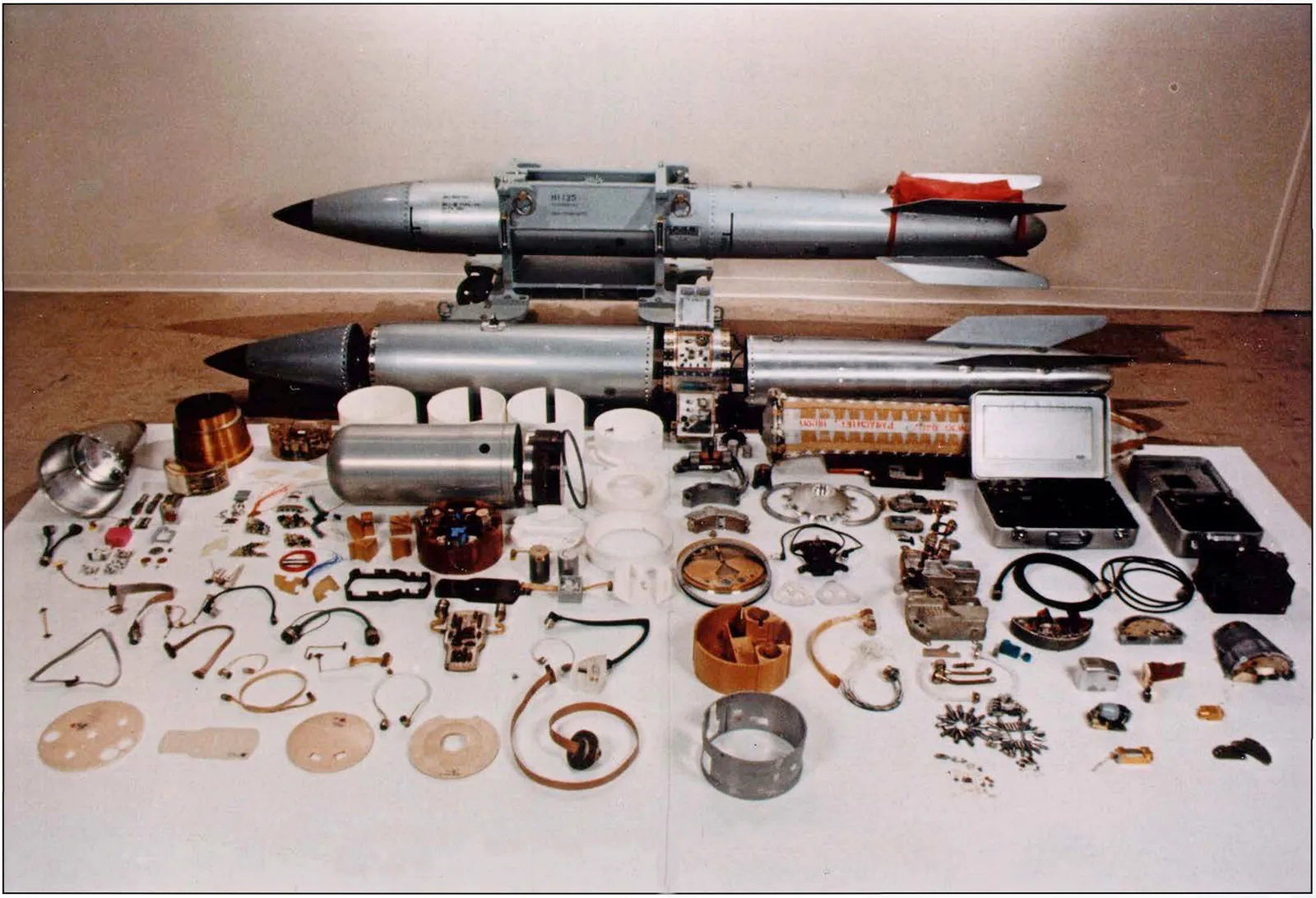
Construction of the devices is also part of the issue. Making a lot of new nuclear weapons over three decades after the old ones were taken out of service is going to require a lot of effort to rebuild infrastructure, processes, and procedures. Much of the expertise is gone and not just retired but deceased. As a practical matter, is it actually conscionable in this day and age of precision weapons to make unguided nuclear weapons built to a 1965 design?
Then there is the issue of testing. Will the USA break the treaty and moratorium on nuclear testing to see if a new nuclear weapon design works? Or will it use advanced computing capabilities and simulation, long the mainstay of nuclear stockpile stewardship, and hope that a nuclear weapon works if it is launched? The risks associated with launching a nuclear weapon that is a dud are high, such as the catastrophic hazard of handing enough nuclear material to make a bomb to an enemy.
Doctrine and force structure would need revision. The Army, Navy, and Marine corps have long ago gone out of the tactical nuclear business. Who would use the weapons? Which weapon systems would have them available? What units would use them? What procedures are in place? What defensive measures are units to use on a tactical nuclear battlefield? Nobody on active service in the US Army knows what to do with a tactical nuclear weapon. People who joined the Army after the last weapon was removed from the arsenal have literally done thirty-year careers and retired. Even if all anyone did was bring back the doctrine from 1989, a lot of things are now missing.
Logistics and maintenance are another issue. A general rule is that the smaller the nuclear weapon, the more maintenance-intensive it becomes and the more it relies upon replacement of shelf-life-constrained components. The US military developed, trained, and fielded a vast structure of trained technicians and a supply chain to look after tactical nuclear weapons (example here). At the height of the Cold War, the US Army had 6,500 staff devoted to tactical nuclear weapons custody and maintenance in Europe alone.
That entire world of specialists, the training pipeline to give them their skills, the specialist tools, and the supply chain that supports them, all covered by the secrecy and security afforded to nuclear weapons, has been gone since the early 1990s. This would take years to reconstitute. It would have to be rebuilt from scratch as if it were the 1940s.
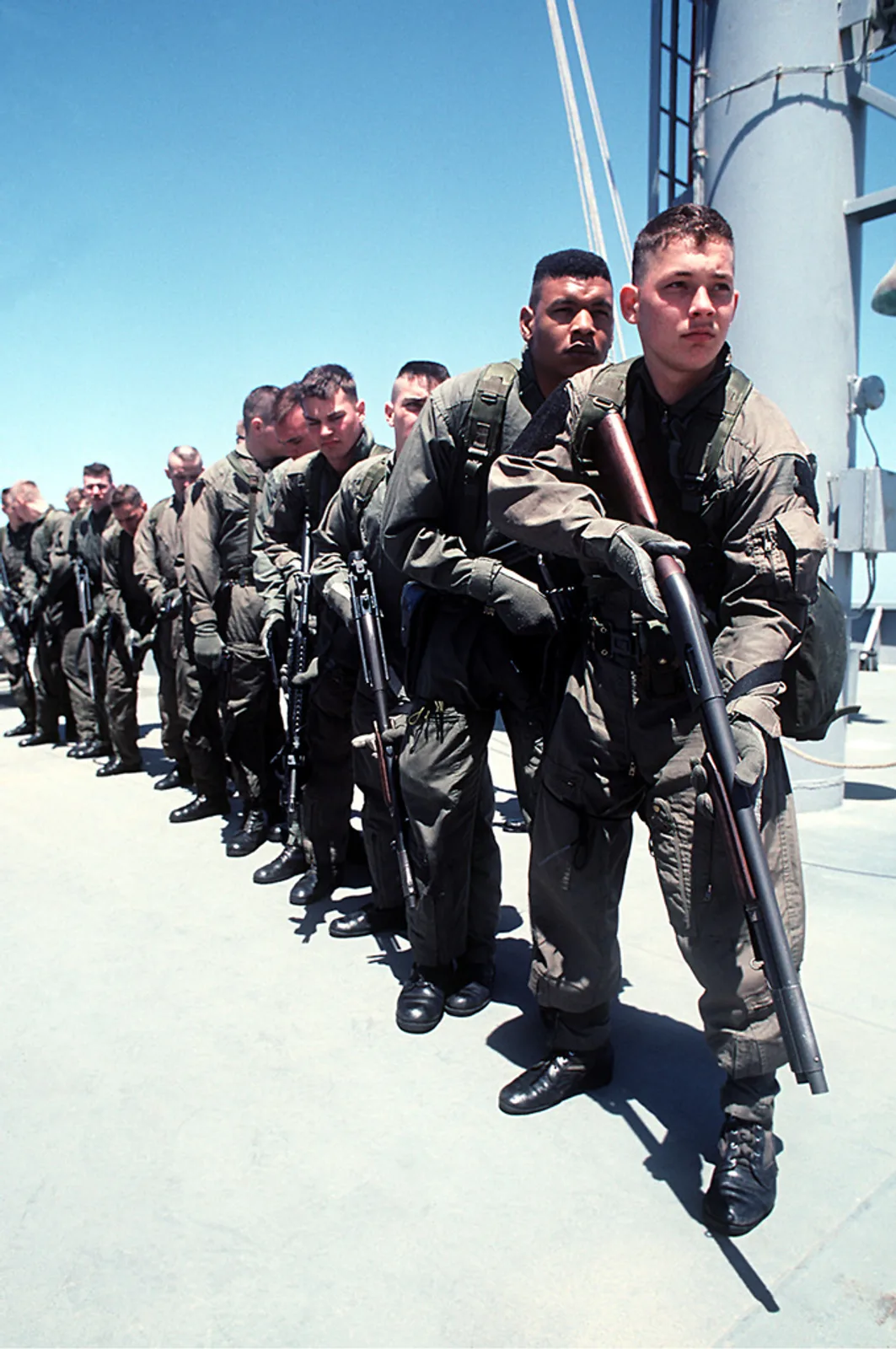
Security is an issue as well. There was an entire security infrastructure put into place to ensure small nuclear weapons did not end up being lost or stolen. Special detachments of US Marines guarded well-designed secure storage magazines on US Navy ships that carried nuclear weapons. Even so, the Navy had a variety of safety and security incidents with nuclear weapons. The US Army had ‘special ammunition supply points’ – special bunkers, with technicians and military police guards.