The Trump Administration’s approval for Saudi Arabia to buy the Lockheed Martin F-35 Lightning II aircraft comes as the country is looking to expand its next-generation combat fleet.



The Trump Administration’s approval for Saudi Arabia to buy the Lockheed Martin F-35 Lightning II aircraft comes as the country is looking to expand its next-generation combat fleet.
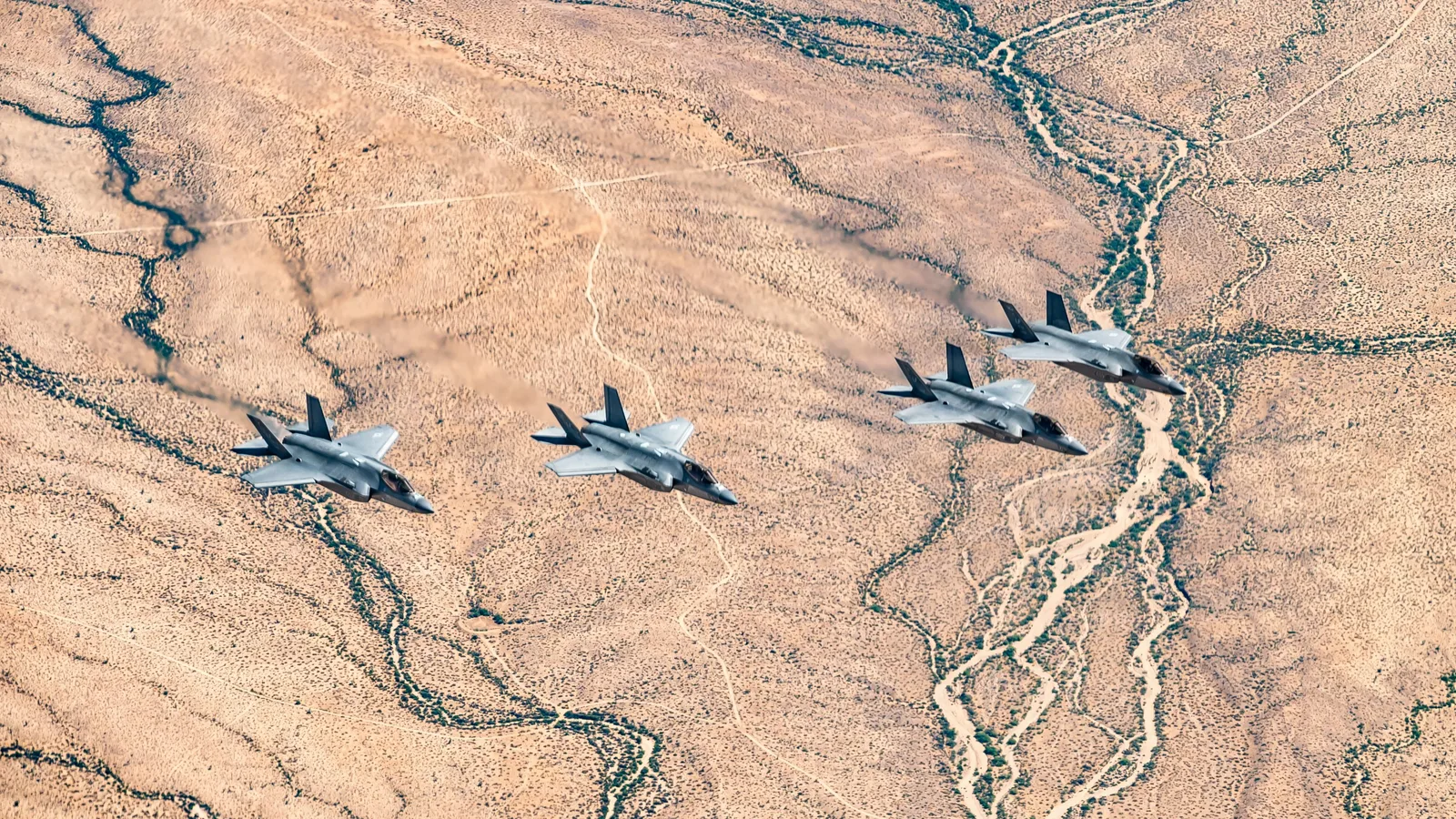
The announcement by the US Department of State on 17 September 2026 that it had approved a USD 24.3 billion (EUR 21.3 billion) acquisition by Saudi Arabia of Lockheed Martin F-35 Lightning II fighters came after months of negotiation and processes following the first disclosure of a sale by US President Donald Trump on 18 November 2025.
The overall package covers 48 aircraft, 49 Pratt & Whitney F-135-PW-100 engines, secure communications and navigation equipment, training and simulation systems, and electronic warfare database support. The wider logistical support package for the platform extends to a range of additional equipment, including: clothing; site surveys; an engine component improvement programme; transportation and ferry support; and spare parts, consumables and accessories, and repair and return support.
Notably, the approval notice issued by the US State Department indicated that the acquisition would “improve Saudi Arabia’s capability to deter current and future threats by strengthening its homeland defence”, representing a departure from standard wording around military equipment sales not altering a regional military balance.
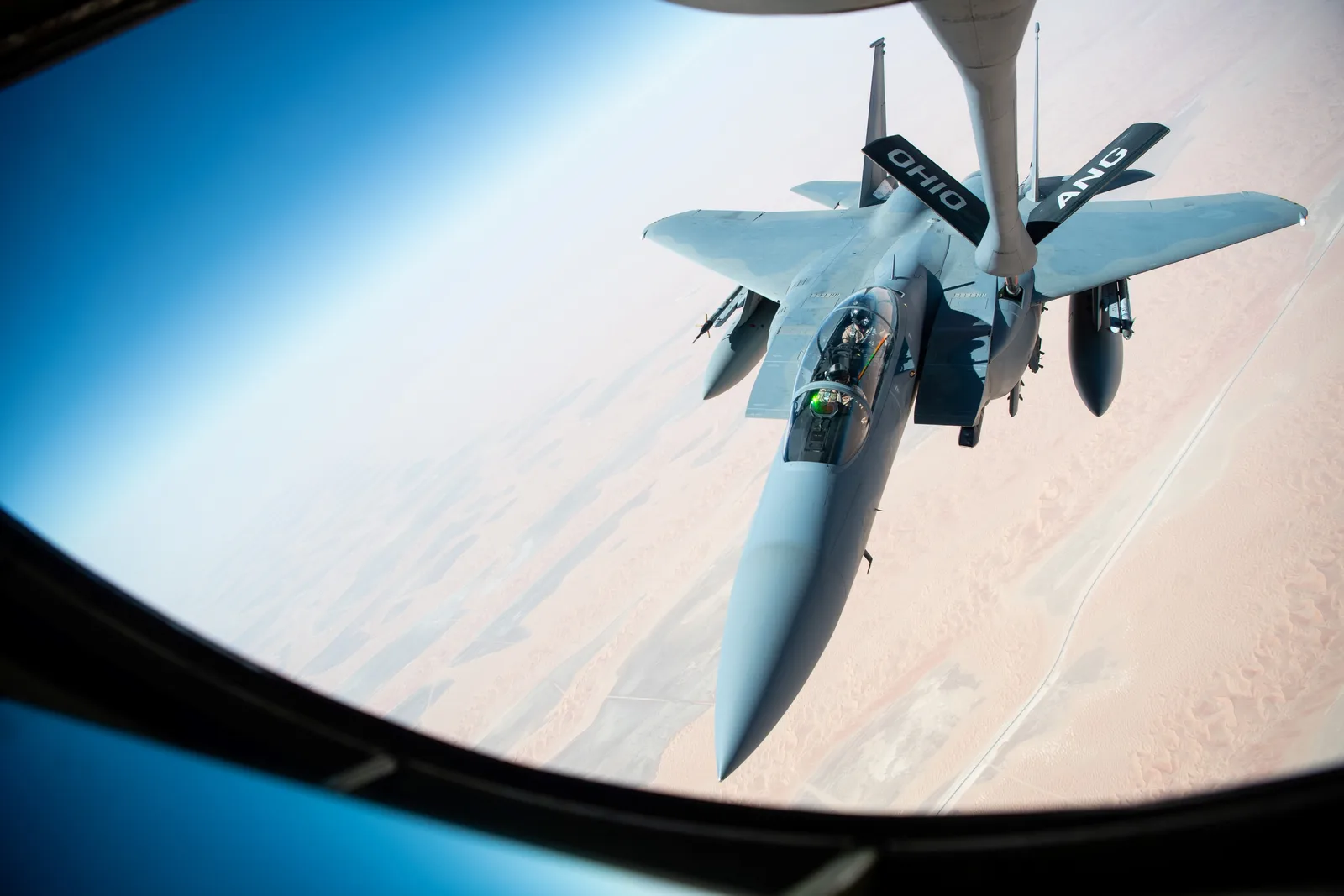
The current combat fleet of the Royal Saudi Air Force (RSAF) consists of platforms of a variety of ages, ranging from the Panavia Tornado to modernised variants of the Boeing F-15 Eagle and Eurofighter Typhoon.
The Panavia Tornado IDS (Interdictor Strike) aircraft was first acquired as a type by the RSAF in the late 1980s. Upgrades to support new weapons, targeting, avionics, radios and navigation systems have been carried out over its lifetime, with the latest upgrades to support GPS/INS and laser-guided bombs, head-down displays, and Link 16 capability being completed in 2018. In an investor presentation in 2019, manufacturer BAE Systems noted that the RSAF was targeting an out-of-service date (OSD) of 2030 for the aircraft. Other operators of the Tornado platform, notably Germany, have also been working towards an OSD of 2030, meaning that ongoing maintenance and support as a sole operator of this aircraft could be an expensive proposition.
As part of the close links Saudi Arabia has with the UK, the RSAF has been operating BAE Systems-built Eurofighter Typhoon aircraft. The Typhoon was acquired by the RSAF to replace the Panavia Tornado ADV (Air Defence Variant), with 72 aircraft ordered in 2007. The first of 24 aircraft was delivered in 2009, with negotiations for Saudi manufacture of the remaining 48 ultimately stalling in 2011. Following protracted negotiations around price escalations, a contract for the balance – to be manufactured by BAE Systems – was agreed in 2012, with deliveries resuming in 2013. The final deliveries took place in 2017. Upgrades to the aircraft throughout its time in service with the RSAF have included weapon integrations for the Advanced Short-Range Air-to-Air Missile (ASRAAM), Advanced Medium-Range Air-to-Air Missile (AMRAAM), Meteor beyond-visual-range ait-to-air missile and Paveway IV dual-mode precision-guided bomb, as well as potential Storm Shadow cruise missile and Brimstone ground attack missile capabilities.
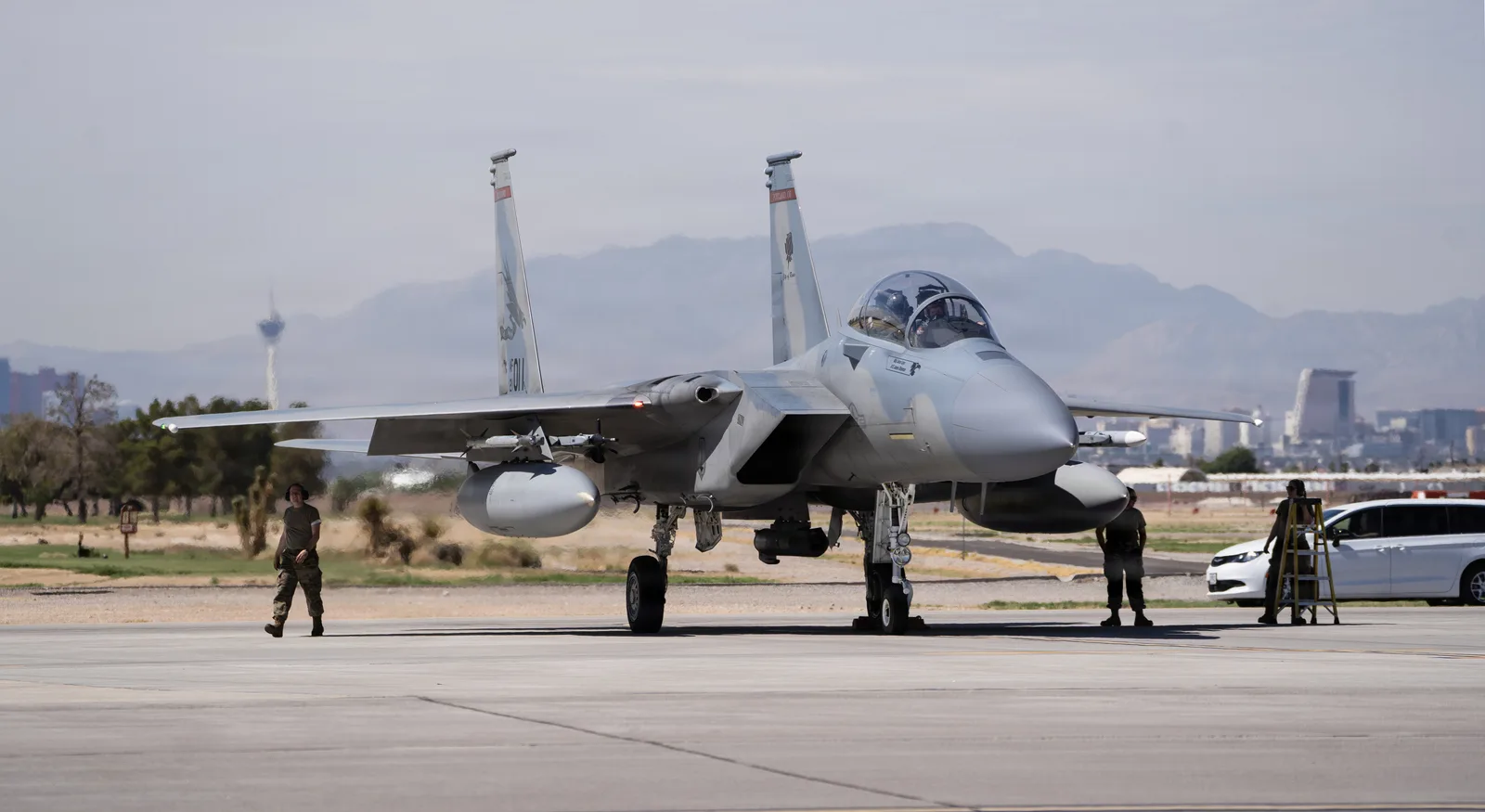
The RSAF’s use of the Boeing F-15 Eagle can be traced back to the acquisition of the F-15C Eagle fighter in the air defence role from 1982. Following the 1991 Gulf War, the RSAF acquired a further 72 F-15 aircraft for all-weather strike in a configuration designated as the F-15S. The fleet was then expanded in 2011, with 68 F-15S aircraft upgraded to a new F-15SA (Saudi Advanced) standard along with the purchase of an additional 84 new-build F-15SAs. The upgraded F-15S aircraft were designated F-15SR (Saudi Rebuild), with work conducted by Saudi Arabia’s Alsalam Aerospace Industries on stripping down, remanufacturing and delivering the aircraft. Saudi participation in the acquisition also included assembly of new wings and forward fuselage sections, production and repair of avionics components, and enhanced in-country maintenance, repair and overhaul (MRO).
The main question for the RSAF’s force development has been ‘What next?’ The size, scale and spending power of Saudi Arabia, combined with a challenging strategic and tactical environment, means that there is a desire for capabilities that can deliver accurate effects, leading to a corresponding demand for exquisite technology.
Expanding the RSAF’s Eurofighter Typhoon fleet has been in negotiation for some years, with BAE Systems and the Saudi government signing a letter of intent in March 2018 for an additional 48 Eurofighter Typhoon aircraft. The deal has, however, never been finalised, with technology transfer and workshare likely being blocking reasons. Further upgrades to the Boeing F-15SA fleet, to bring these aircraft to the new F-15EX standard, are being pushed by Boeing to continue the lifespan of the current F-15 fleet.
Despite this, Saudi Arabia has continued to engage with the UK on next-generation aircraft. Most notably, the UK-Italian-Japanese Global Combat Air Programme (GCAP) has attracted strong interest in Saudi circles as a potential next-generation system for the RSAF. Yet discussions on this platform appear to have quietened, potentially as partners Italy and Japan discuss the inclusion of an additional partner with high technology transfer and workshare demands.
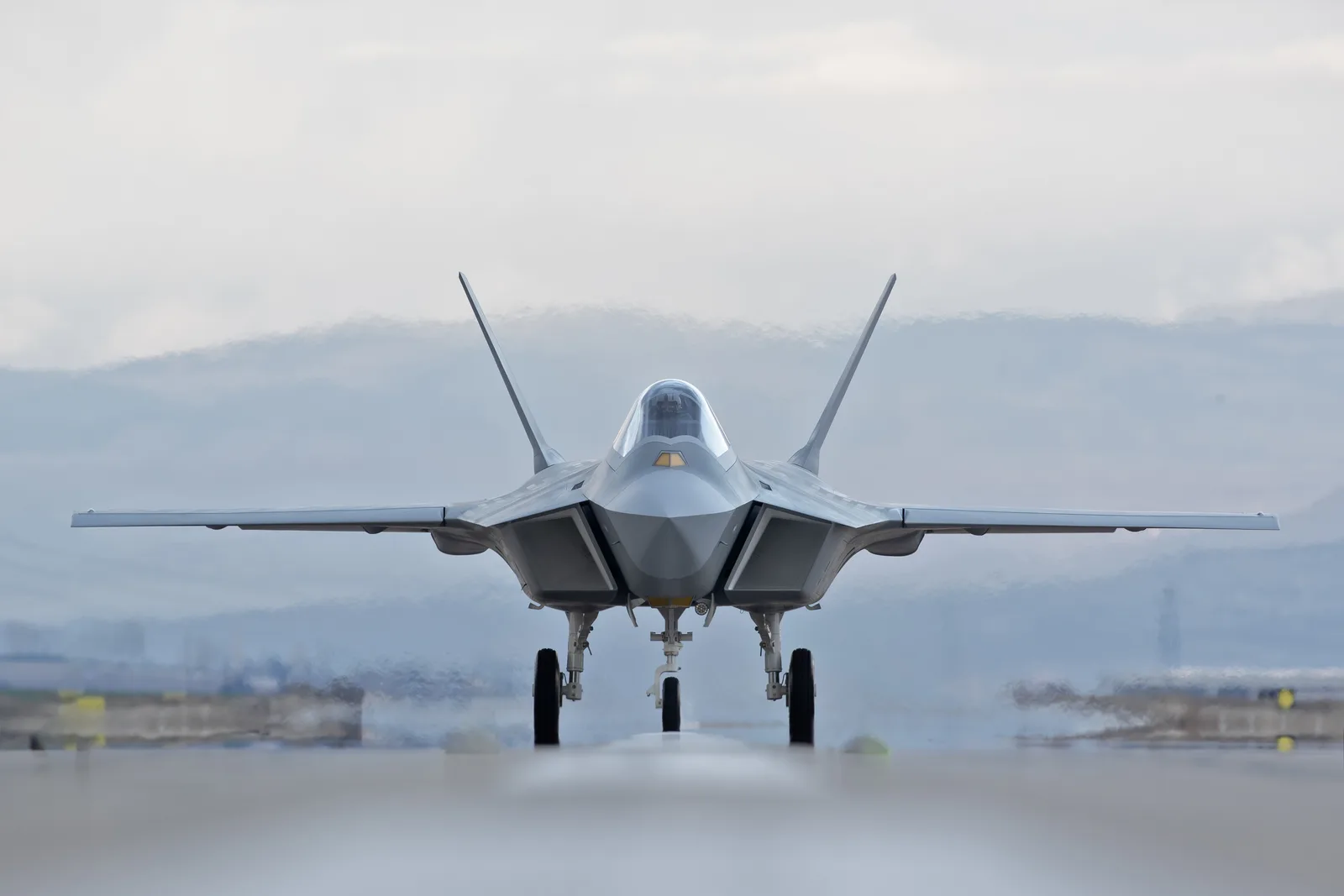
Talks have also been underway with Türkiye over the possible acquisition of the Turkish Aerospace Kaan fifth-generation air-superiority fighter aircraft. A model of the aircraft was shown in Saudi colours at the 2026 World Defense Show in Riyadh and Turkish officials have indicated that the Saudi government is continuing to explore the potential of joining the programme. Where this option might prove more successful over GCAP lies in the industrial participation and technology transfer that Türkiye may be willing to transfer to Saudi industry.
Saudi Arabia stands a greater chance of acquiring the F-35 than its neighbour, the United Arab Emirates, did in 2021. In addition to the political support that the deal enjoys through the Trump Administration, Saudi Arabia’s formal designation by the US as a Major Non-NATO Ally in January 2026, with the US International Traffic in Arms Regulations revised to reflect that in September 2026, helps to pave the way for enhanced defence trade.
As with other platform acquisitions, demands for technology transfer may hinder the progress of the deal. Saudi desires to establish localised manufacture, maintenance and overhaul capabilities to reduce import reliance and improve domestic defence spending could lead to difficult negotiations between the Saudi government and Lockheed Martin. The inclusion of low-tier items, such as clothing, shows that there is a strong desire to deliver an entire system package that has little input from Saudi industry.
The progress of the F-35 acquisition might, however, be hampered by constrained defence spending in the country. The 2026 war with Iran and re-emerging conflict with Yemen has meant that sophisticated strike and air defence platforms like the F-35, Kaan and GCAP platform could be eschewed for aircraft that can deliver better offensive mass effect through precision-guided weaponry, stand-off attack and low-cost air defence capabilities for homeland protection. Combined with a need to restock air defence system inventories, highly advanced combat aircraft could become a secondary spending priority.