Airbus and Kratos reveal first flights and testing of U740 Valkyrie CCA.


Airbus and Kratos reveal first flights and testing of U740 Valkyrie CCA.
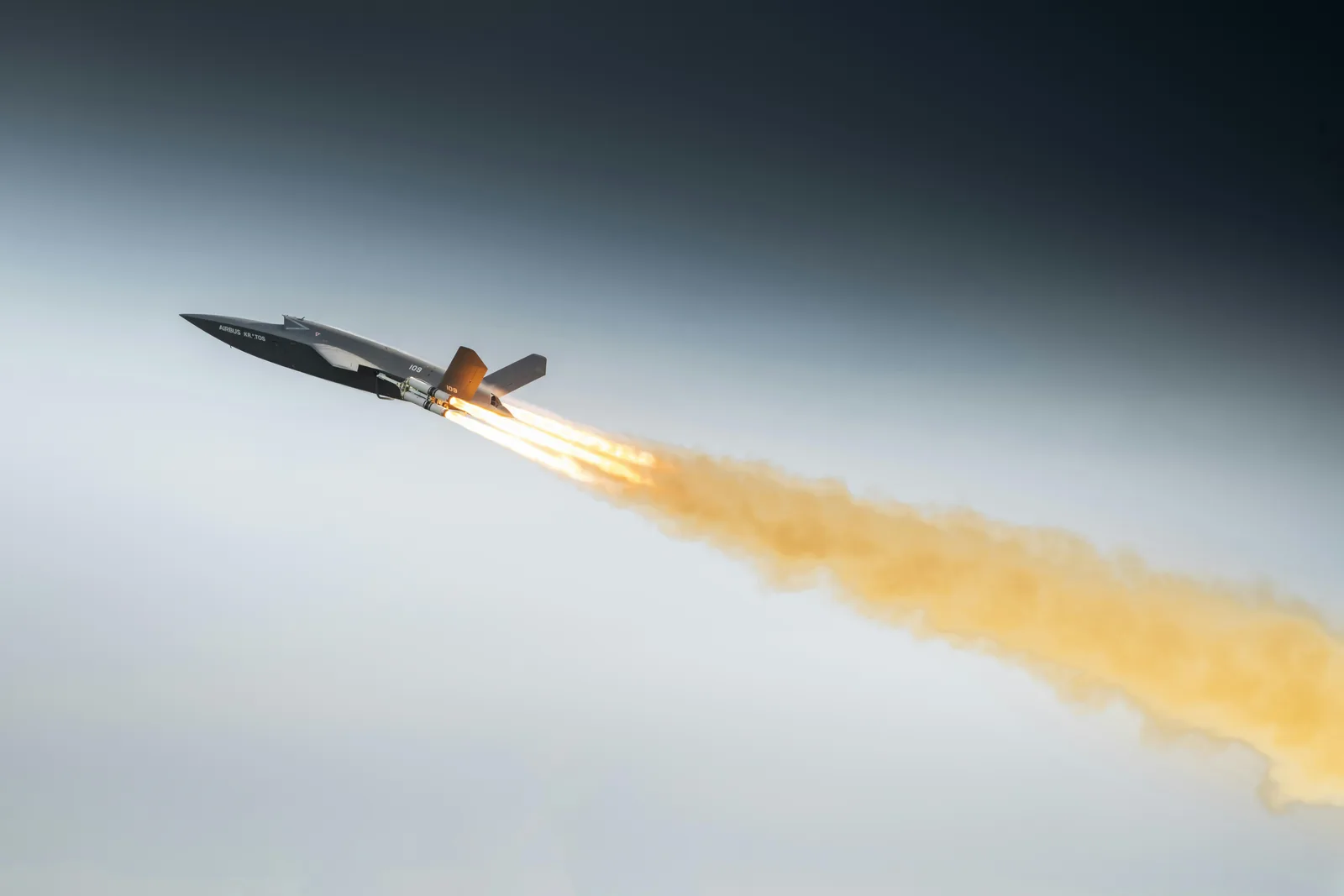
European aerospace firm Airbus announced on 12 October 2026 that it had successfully completed the first flight of its U740 Valkyrie collaborative combat aircraft (CCA) in conjunction with the US’s Kratos Defense & Security Solutions, marking the first flight of a CCA in Europe.
Based on the Kratos XQ-58A Valkyrie CCA, the tests proved the aircraft’s rocket-assisted rail-launch concept to deliver a runway-independent capability. The next flight is expected to take place in 2027, with future tests during the year to involve manned-unmanned teaming with Eurofighter aircraft, as well as further proving of the Airbus’ Multiplatform Autonomous Reconfigurable and Secure (MARS) Mission System that is delivering the autonomous piloting and control systems of the aircraft. MARS will also be supporting collaborative teaming and multiagent mission co-ordination to reduce the control requirements for offboard controllers.
Airbus and Kratos announced a partnership in 2025 to deliver a combat-ready system for a German Air Force requirement by 2029. The XQ-58A Valkyrie first flew in the US in 2019, with the US Marine Corps selecting the platform for its Marine Air-Ground Task Force Uncrewed Expeditionary Tactical Aircraft (MUX TACAIR) program in January 2026.
In addition to its rocket-assisted take-off capability, the aircraft can perform conventional take-off and landing (CTOL) from traditional airfields. The aircraft can operate at a maximum altitude of 13,716 m (45,000 ft) with a maximum endurance of 10 hours and speeds of up to Mach 0.86. Operations are designed to be based on a loyal wingman concept, with variations of the platform to potentially carry GBU-39B Small-Diameter Bombs (SDBs).
Other competitors for the Bundeswehr requirement include the Boeing MQ-28 Ghost Bat, Anduril YQF-44A Fury and Barracuda, and Helsing CA-1 Europa.
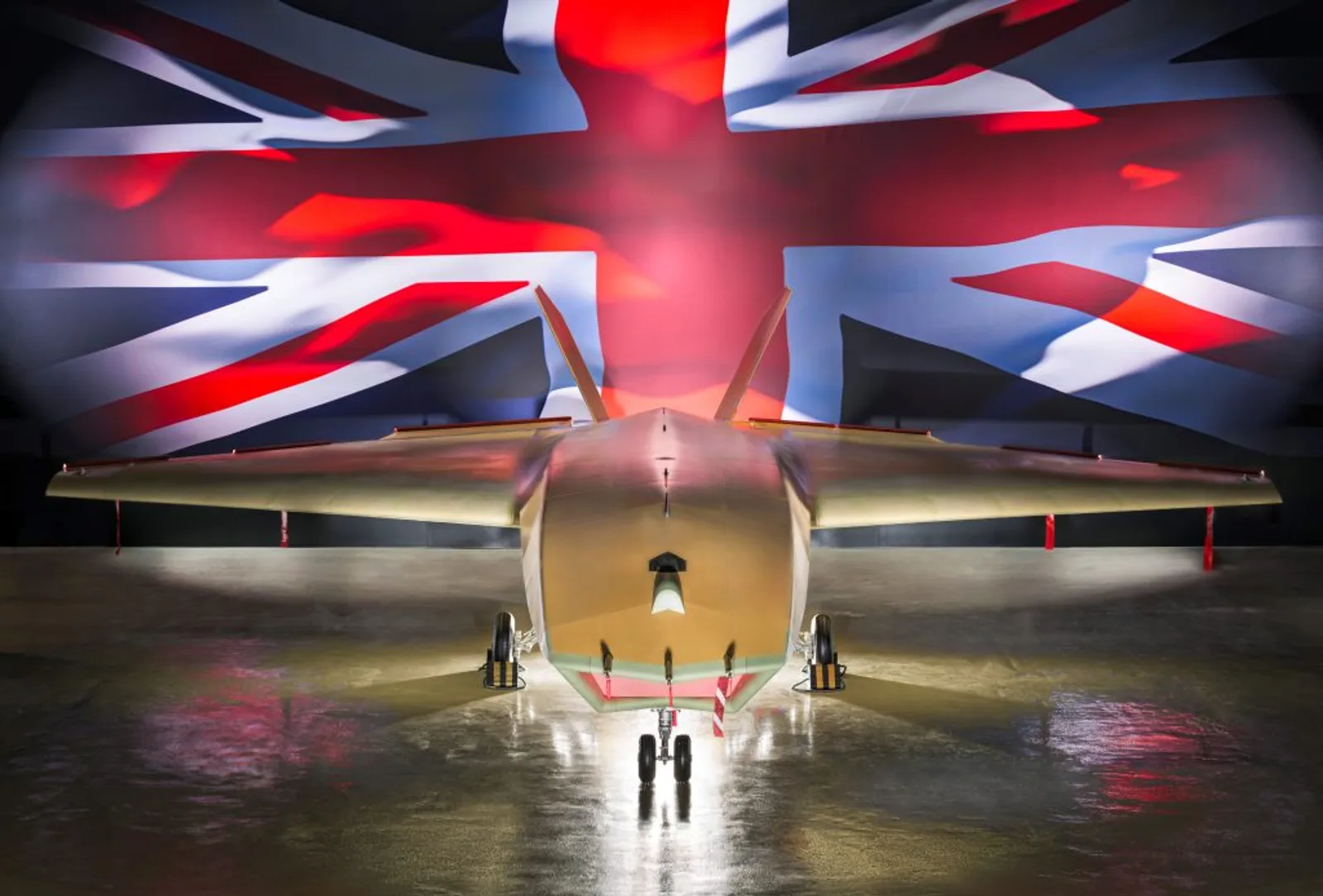
The announcement of the successful U740 Valkyrie test comes as the number of CCA platforms under development within Europe is expanding, with the UK, Sweden, and France also pursuing sovereign CCA programmes.
During 2026, there has been a raft of CCA unveilings and investment announcements to support the new phase of air warfare. These have included the Saab A3-001 CCA concept that was unveiled in August, the BAE Systems Brontanax at the Farnborough Air Show in July, and the Airbus U760 Ravenstorm and Helsing CA-1 Europa at the ILA Berlin airshow in June. France also announced the HypeAIRion CCA initiative in June, targeting a flight test date of 2028.
While the sovereign design and sovereign control of the CCA concept is becoming stronger within the European landscape, there is the risk of repetition of previous mistakes around unilateral and multilateral development. A lack of standardisation within Europe, as well as NATO, for autonomous technology can lead to a range of technologies that are developed at great cost and function within national silos that hamper interoperability.
Open architecture systems, such as Airbus’ MARS, help with the broader integration picture around flight, navigation, sensors, and effectors, but still means that there is a need for advancements in baseline software. European companies, such as Helsing and Harmattan AI, have both been working to advance their offerings in the software and hardware arenas.
European desires for sovereign control of AI and autonomy software come from concerns around “back door” and “kill switch” capabilities being embedded by foreign firms, in addition to the differing approaches to guardrails that are best recognised through sovereign-developed systems.
The desire for purely European concepts will face challenges in the development of both hardware and software systems. Leveraging pre-existing hardware programmes will help to accelerate the entry into service that short customer deadlines are demanding, and finding areas for European industry to participate in will be critical in ensuring that national approaches to security and ethical AI deployment are met.
Multinational European partnerships may help to enhance the ability to develop and deliver at pace, while also reducing the budgetary burden. Previous unmanned platform development programmes have, however, highlighted the challenges that pan-European projects face. For the next iteration of unmanned technology development European nations may need to decide what they may need to sacrifice for rapid entry into service – sovereignty, capability, or ethics.