In this third part of this four-part series (Part I is here and Part II is here), we ask the more pointed question: ‘What are tactical nuclear weapons actually good for?’
The last time a nuclear weapon was used in hostilities was in August 1945 in Japan. Use of another one in combat would incur the steepest possible political penalties and worldwide opprobrium. What some in the MAGA fringes might see as a power move would be reviled by the rest of the world. The sanctions that use of nuclear weapons incur might even sink the global economy. One has to ask, is it actually worth it for the Trump administration to use a small nuclear weapon to take out 11 tanks or a single bridge?
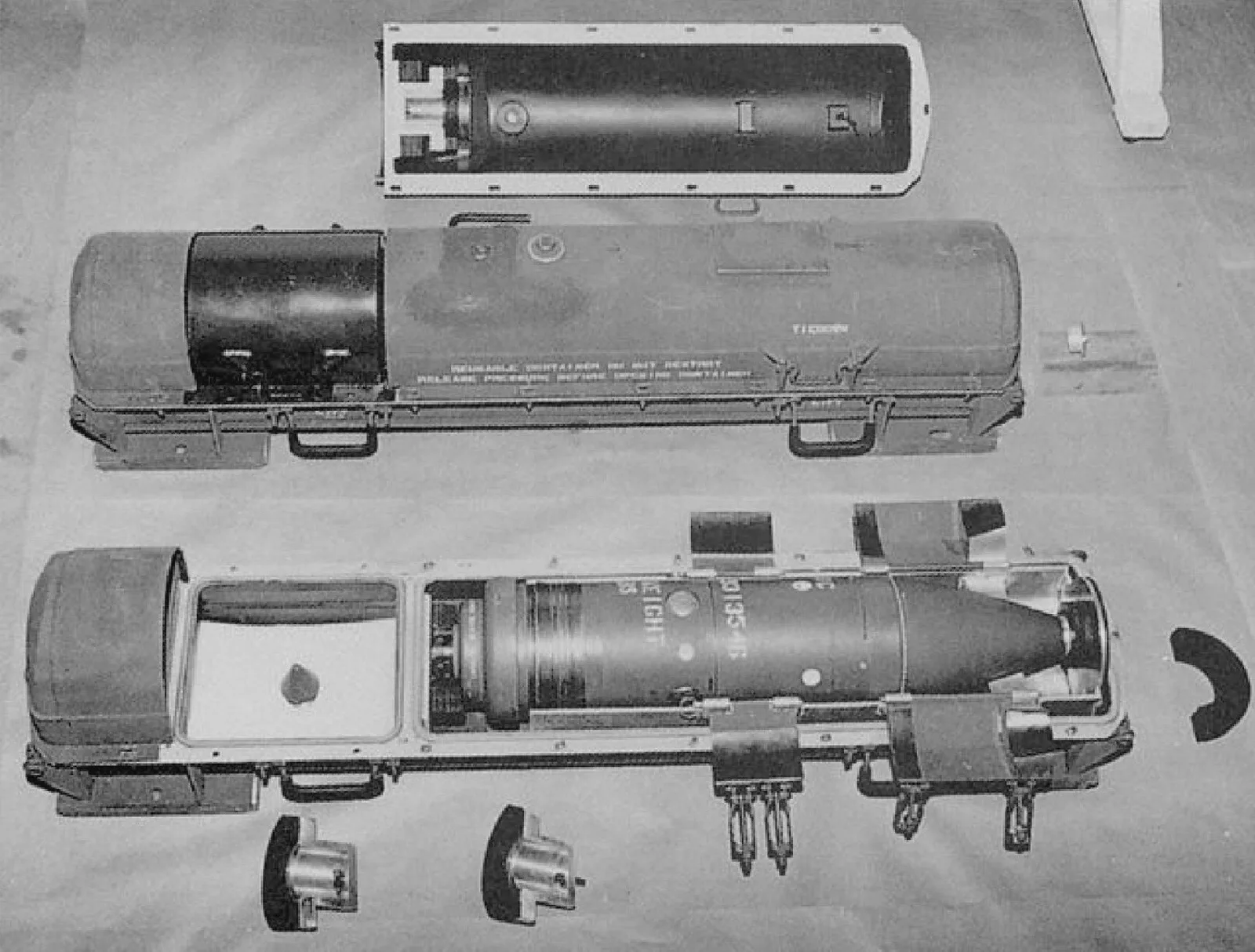
Taking the politics out of it, however, is there actually utility in using them? Are there use-cases when they would have such an advantage over conventional weapons? First, we can discard some ludicrous or obsolete scenarios. Even if nuclear artillery rounds still existed in the US arsenal, there aren’t any ground forces in play in the Iran conflict. The US has no artillery in the scenario because there are no ground troops in contact with the enemy. In a Korean peninsula scenario, this may be different, but as we will discuss in Part IV, the prospect of bringing back nuclear artillery would take years of work to make it into a practical reality.
So, let us work on the basis of ‘what are the practical scenarios in which nuclear weapons are useful on the battlefield’ and take it on from there.
The rise and fall of tactical nuclear doctrine
The classical scenario in which tactical nuclear weapons were developed by the US military in the 1950s involves several factors.
First, there was the idea of conventional parity. The basic belief was that an infantryman was an infantryman, a tank was a tank, and an artillery piece was an artillery piece, and that these were broadly equivalent. Because the Soviet Union had a large numerical superiority through most of the Cold War, this leads to a logical concept that nonconventional means, such as nuclear weapons, are needed to achieve some sort of battlefield parity.
Second, there was an idea of concentration of forces that was based on the Second World War and not modern mobile warfare concepts. The people drawing up tactical nuclear doctrine in the 1950s and 1960s were fighting the previous war. The numbers of armoured vehicles or infantry troops in a particular square kilometre of terrain in central Europe in 1944-1945 were not going to be matched in the 1990s.
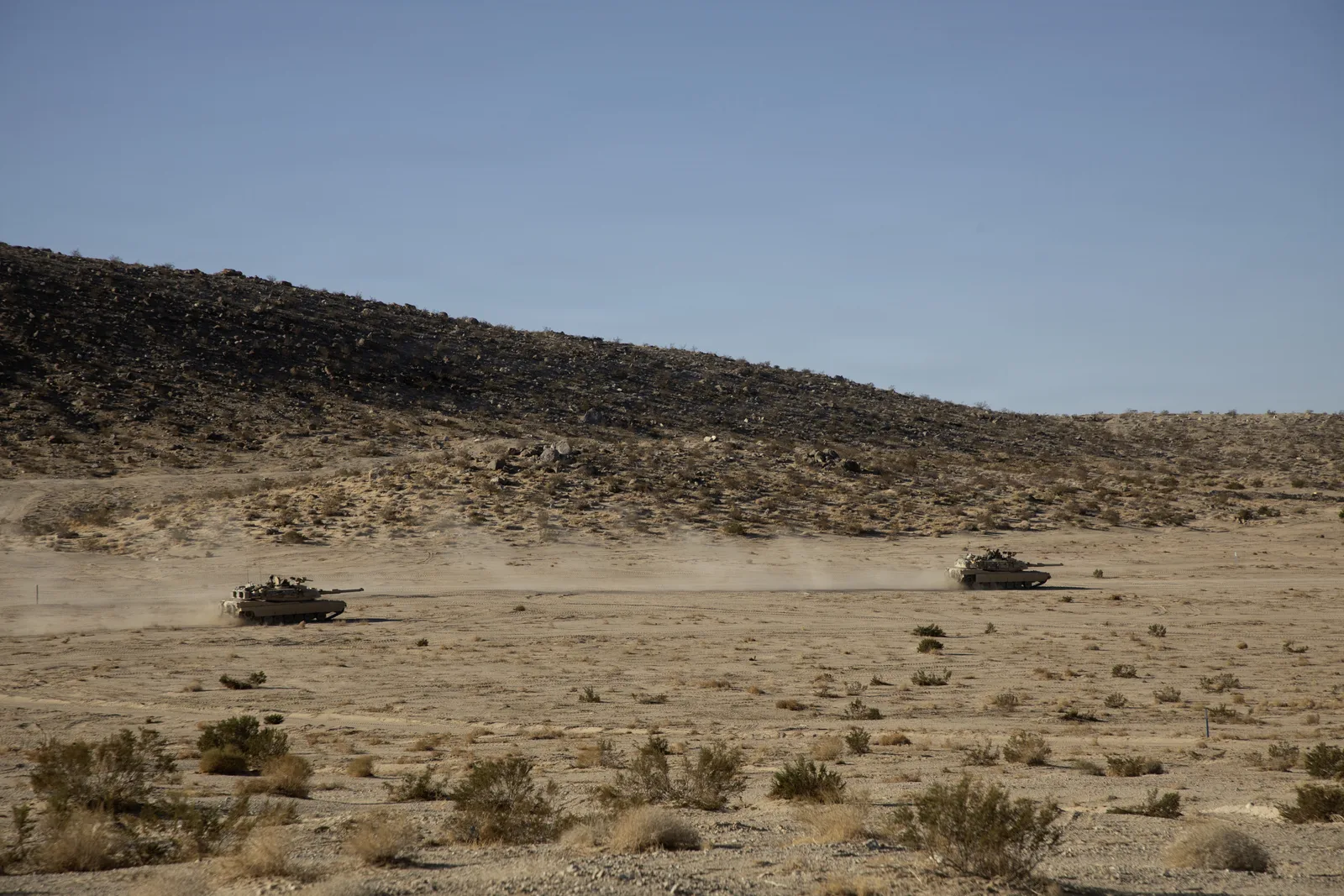
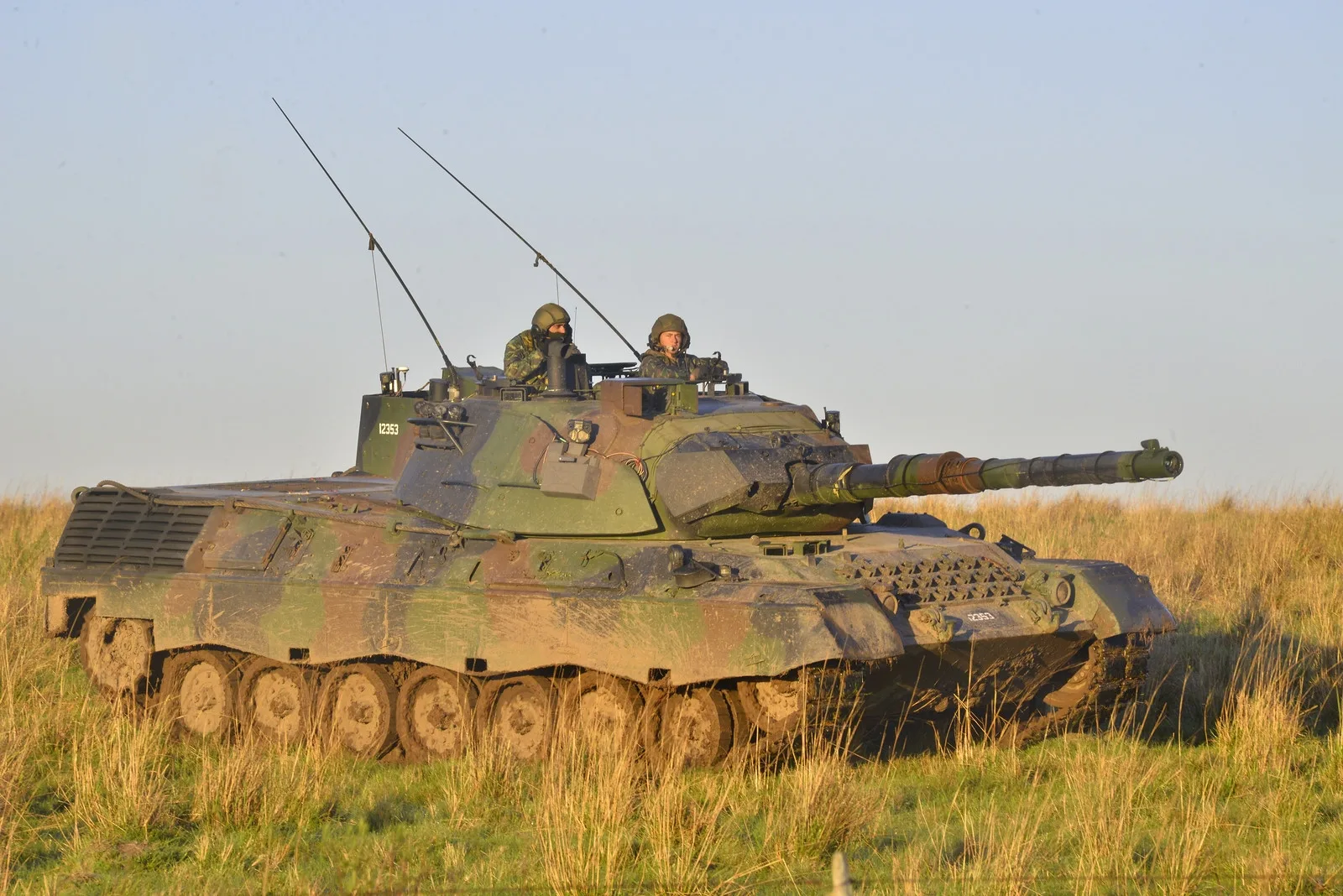
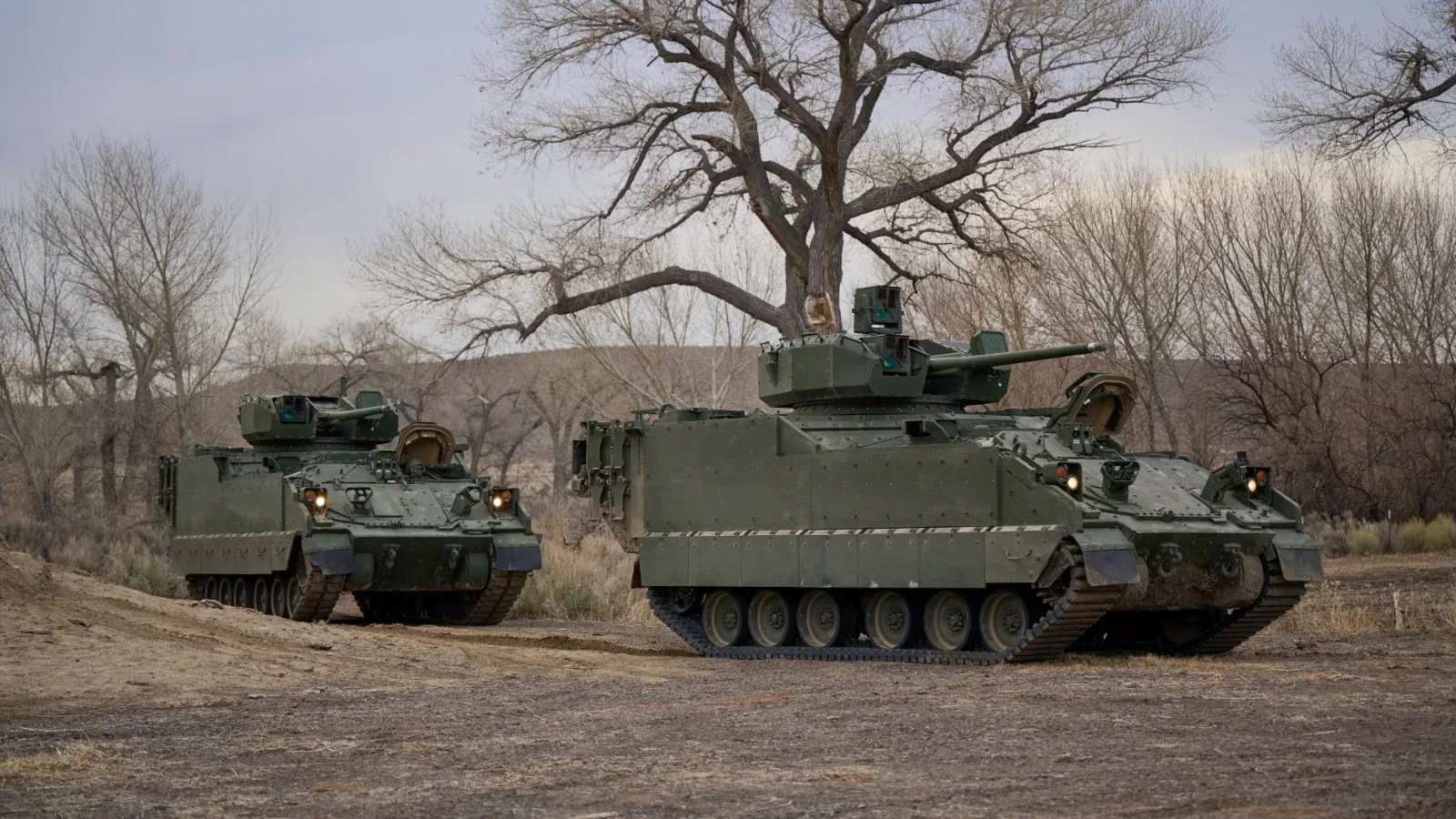
Some of this is very much a chicken-and-egg argument. If forces are vulnerable to nuclear strike, then disperse them. Such a statement is 1970s NATO doctrine, not some new 2020s dogma. Modern conflict rarely sees the same concentrations of armour, artillery, and infantry in well-defined target zones as would have been the case in the race to Berlin in 1945. A tactical nuclear strike in 1955 would easily take out a Soviet tank battalion. Now it would take out six tanks. Global opprobrium is not worth six tanks.
Third, the US tactical nuclear doctrine was hatched in an era where the Soviet Union could not match either the rate or the quality of production of nuclear weapons. The US tactical nuclear doctrine and the subsequent technical and industrial infrastructure that fielded thousands of nuclear artillery shells did so in the firm and, until the 1980s, well-founded belief that they were superior to their enemy. The arms race in tactical nuclear weapons was started in the belief that the other side could not keep up.
Fourth, from the 1960s onward there was a revolution in the lethality and precision of conventional weapons that made tactical nuclear weapons, as well as chemical weapons, obsolete on a practical level. The BGM-71 TOW anti-tank guided missile (ATGM) did much to make battlefield nukes obsolete. There became a point in conventional lethality circa 1980 where a US mechanised infantry battalion with TOW and M47 Dragon ATGMs would easily account for more Soviet tanks and APCs being destroyed or incapacitated than 6 or 8 tactical nuclear artillery rounds. But TOW and Dragon were the cutting-edge of 1980 conventional lethality, and the precision and lethality of conventional systems, including improvised inexpensive drones, has been on an upward spiral since. If you want to interdict a Russian tank regiment (perhaps 90-95 tanks and similar amounts of APCs and IFVs) on the advance, surely you are better off launching 100 cheap drones an hour for six hours than using six nuclear weapons?
Fifth, we must look to see what falsifies the hypothesis. What does it take to protect against tactical nuclear weapons? The countermeasures are, in fact, cheap to the point of being practically free in this modern era. The destruction radius for tanks is around 200 m for a small nuclear weapon, so keeping tanks 100 m apart is a cheap way to make sure only a few tanks would be lost. Drone warfare in Ukraine has already driven soldiers into fighting positions with overhead cover. Soil and sandbags are, in a war zone, practically free.