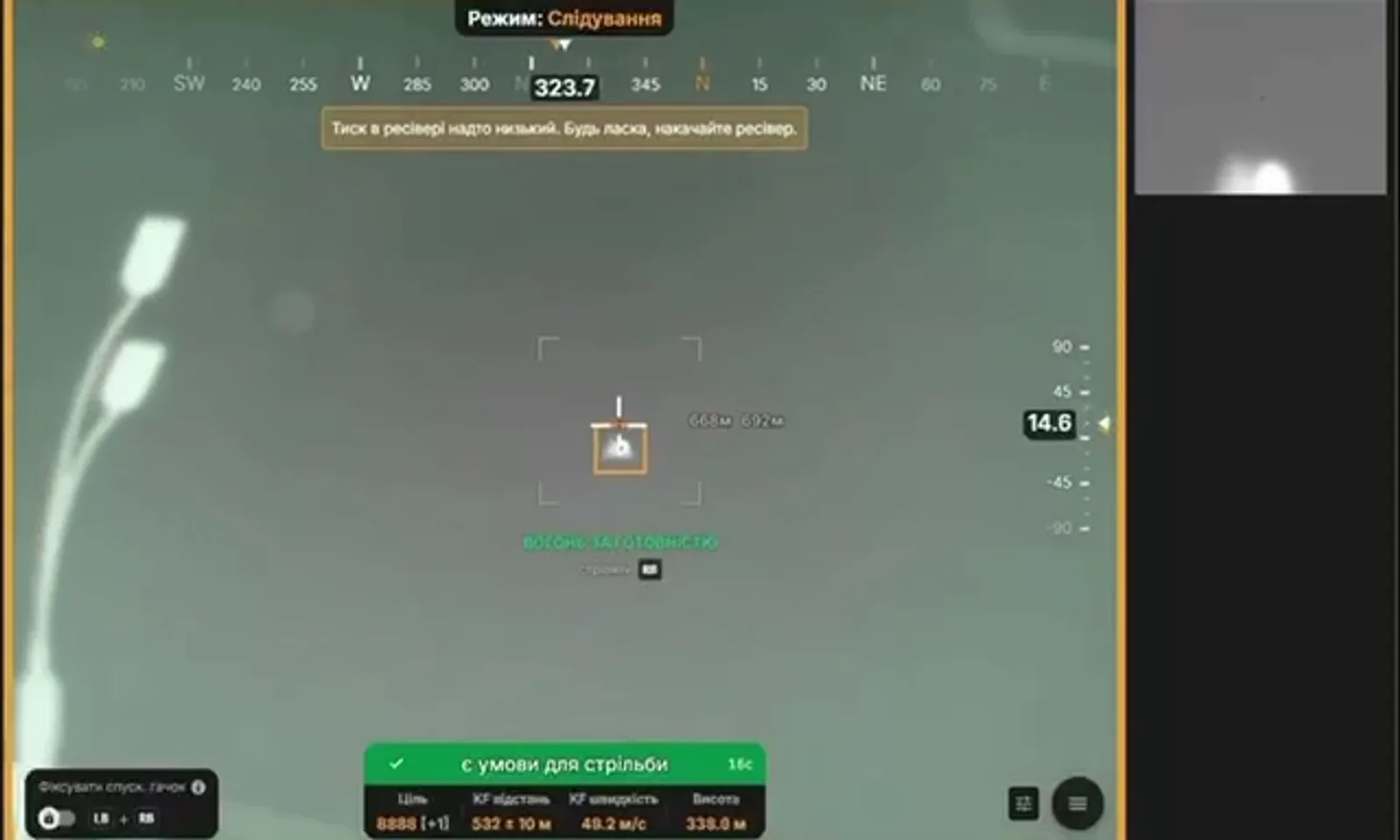
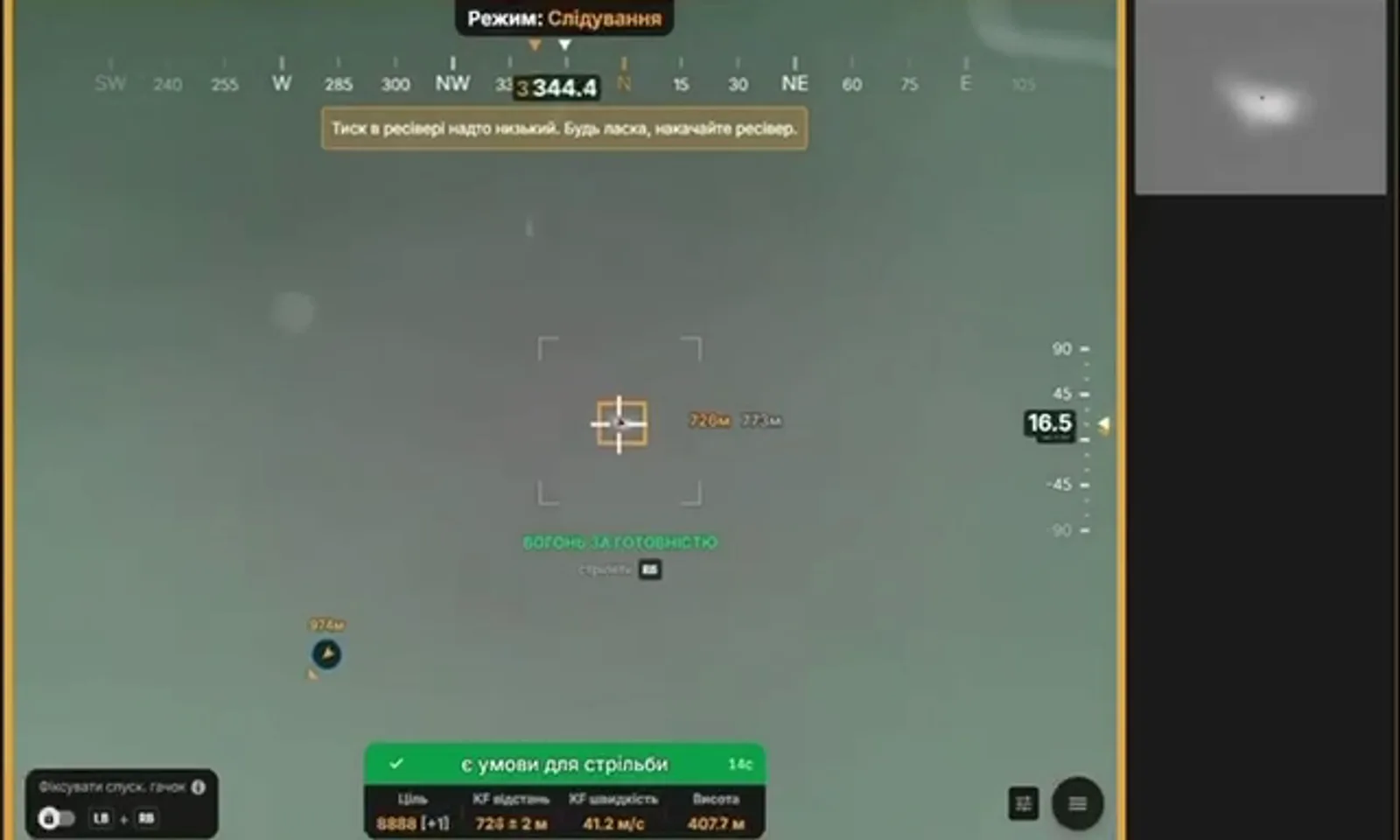
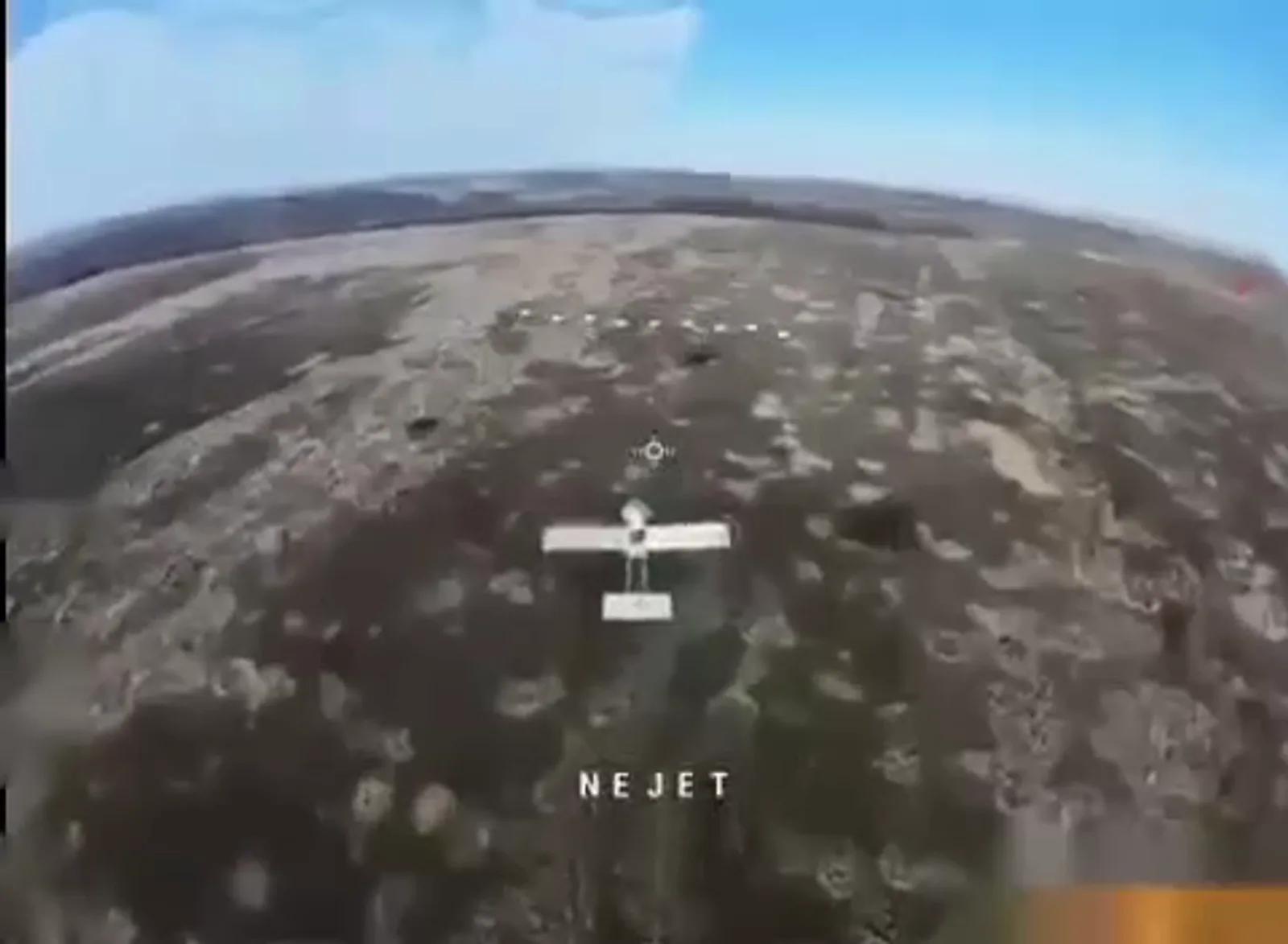
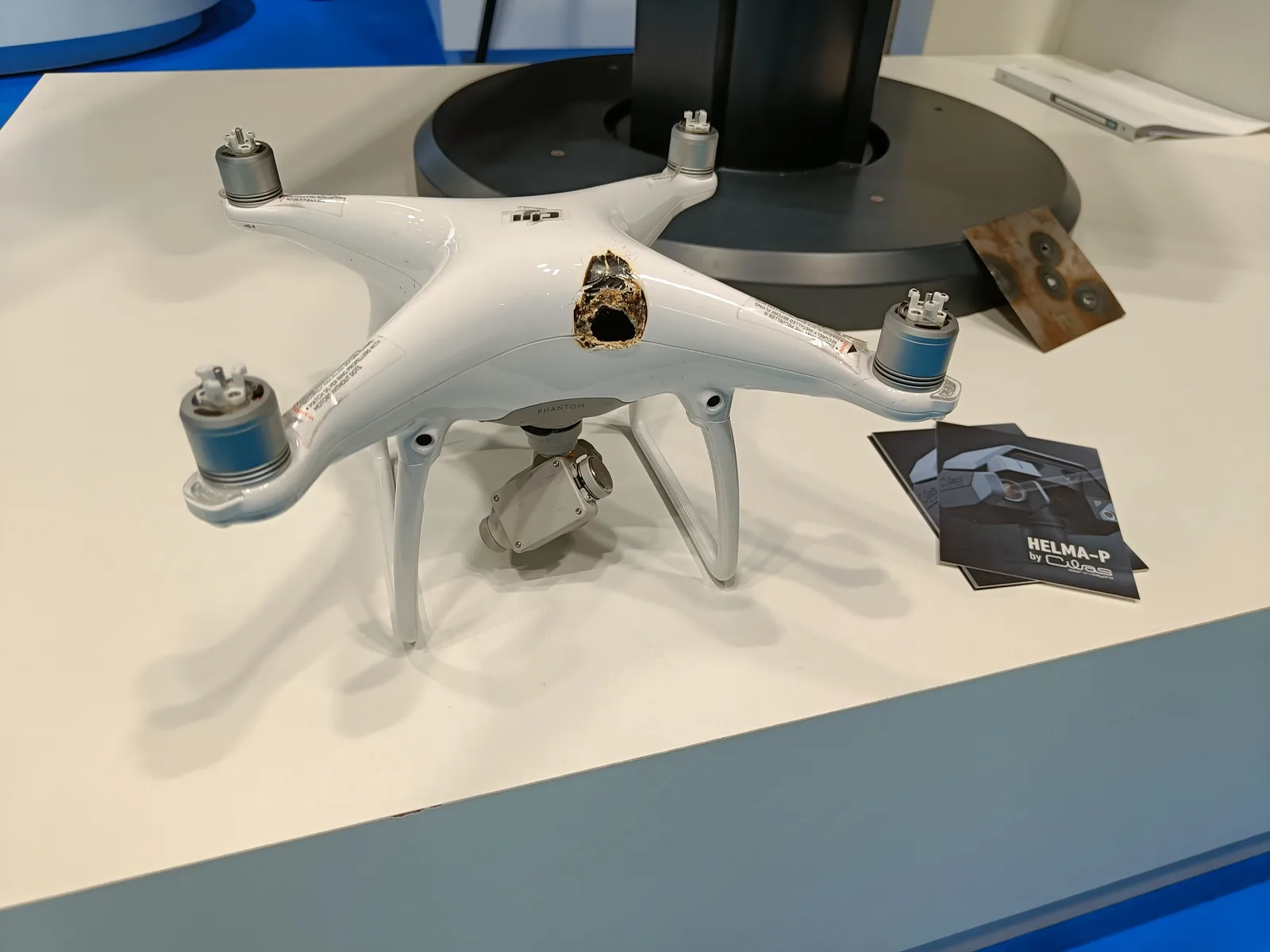
Similar claims have been surfacing for several years from various countries, including Türkiye, Russia, and the US, pertaining to laser weapon use in combat or border security. However, these claims were not accompanied by footage to confirm the engagements, and remain unverified.
In a similar vein, a developmental version of Rafael’s ‘Iron Beam’ HEL system had been credited with shooting down around 40 OWA UAVs launched by Hezbollah during October 2024.
Footage of those interceptions was not provided, but manufacturer Rafael did later provide footage of an Iron Beam interception in a 28 May 2025 X post, in which they claimed “For the first time in history, high-power laser systems have been used to intercept aerial threats in combat.”
The first Iron Beam system was only later handed over to the Israeli Air Force (IAF) on 28 December 2025, and the system remains at a fairly early stage of operational capability.
With at least two countries confirmed to have used HEL weapons in actual combat conditions, others may join them soon, with numerous countries in the process of developing and fielding their own laser weapons.
However, hopes that incidents such as the Blysk downing marks a new era in Ukraine’s drone defence should be tempered somewhat. HELs will be a useful addition to the country’s air defence ecosystem, and may be quite efficient in some operational circumstances, but they do not represent a ‘silver bullet’ solution to the drone problem.
The limitations of laser weapons
As I have previously explained at length, HEL weapons come with a number of quirks, with numerous factors potentially impacting their overall operational effectiveness and their efficiency in the air defence role.
In summary, the core factors to bear in mind are:
- Effective range – the maximum distance at which the laser can engage the targets it is intended to defeat. As a general rule, HEL effective ranges tend to be fairly short, typically just 1-2 km for lower-power systems, and circa 10 km for the most powerful systems. Also, while higher power and greater range are often correlated, power is not the only determinant of range.
- Dwell time – how long the laser spot needs to remain on target to achieve a kill. Typically, HEL manufacturers aim for as short a dwell time as possible.
- Furthermore, despite being distinct specifications, effective range and dwell time are relational, since (within limits) lower effective range can be compensated for with greater dwell time, and likewise shorter dwell time can be achieved when a system has a greater effective range.
- They are also both governed by factors such as power, beam diameter, beam quality, tracking stability, along with atmospheric conditions and the material properties of the target.
- Cooling time – How long the laser needs to spend cooling before it is ready to fire again.
- With most HELs, they have a relatively short amount of ‘on time’ and a longer period of ‘off time’ to cool down. This limits the system uptime, and serves as a constraint in multiple target engagement scenarios.
- Power supply – How long before the system has enough stored power to carry out one or more engagements.
- Even if cooling were no issue, most HELs will not have the continuous power supply to enable indefinite firing. Normally, the power would need to be stored in batteries and/or capacitors, which would require charging after being discharged. Like cooling, this can be a constraint in multiple target engagement scenarios.
Perfect weather to fly
Operationally, the aforementioned factors mean laser effectiveness will vary depending on the number of targets, the their range from the beam, their altitude, and the weather. To an extent, the same could be said of many air defence systems. However, lasers are particularly sensitive to factors like weather in a way that, say, active radar homing surface-to-air missiles (SAMs) simply aren’t.
As such, certain simple tactical adaptations can greatly decrease the efficiency of laser weapons. A problem here is that Russia already employs certain tactics because they are useful against optical detection or tracking systems generally, and by extension, some of these would also be useful against lasers.
As a case in point, Russia often takes advantage of rain or heavy cloud cover to launch OWA UAV attacks, because they are harder to spot. By the same token, HEL weapons would operate with significantly less effective range in such conditions. However, as Flash has pointed out “the bad weather works both ways,” since Gerans fitted with seekers likewise face greater difficulty locating their targets in inclement weather. The proliferation of laser systems in Ukraine would, however, provide added incentive to continue this tactic.
Another common tactic used is flying low, with the platform being controlled in manual mode. Aside from decreasing the detection distance, and putting terrain obstructions between the effector and the target, flying lower can also decrease laser effective range. As I have previously noted, a particular quirk of lasers is that, due to air density changing with, their effective range is greater when firing upward toward the sky than when firing parallel to the ground.