Buried within the tide of UK defence budget pronouncements around the time of the Defence Investment Plan’s publication was the June 2026 announcement that a sum of around GBP 580 million out to April 2030 will be devoted to construction and development of a new biological defence laboratory, at the UK government’s Porton Down complex in Wiltshire.
Dstl (Defence Science and Technology Laboratory) is the primary research and development arm of the UK Ministry of Defence (MoD). Dstl (and its prior incarnation DERA) has long operated chemical and biological defence research activities at Porton Down and, in the past, ran the now-abandoned UK’s offensive chemical and biological research from that complex.
Although the phrase ‘Porton Down’ is often used synonymously with regard to secretive defence research against chemical and biological weapons, it is important to note that non-defence health and medical research activities, such as the UK Health Security Agency are also located at Porton Down. In some circles, ‘Porton Down’ is a rapid-access lane into conspiracy thinking. But real work necessary to the UK’s defence and health happens there.
One can easily be permitted two observations at this point. First, GBP 580 million is a lot of money and taxpayers could be forgiven for wanting to know what it is being spent on. Second, actual details on the proposed expenditures are scant at present. Even by current standards, official announcements have been largely devoid of granularity. The new laboratory complex is part of something called ‘Project Andromeda’ and will be named after Ernest Bevin, the post-WW2 UK Foreign Secretary and early exponent of NATO.
Project Andromeda
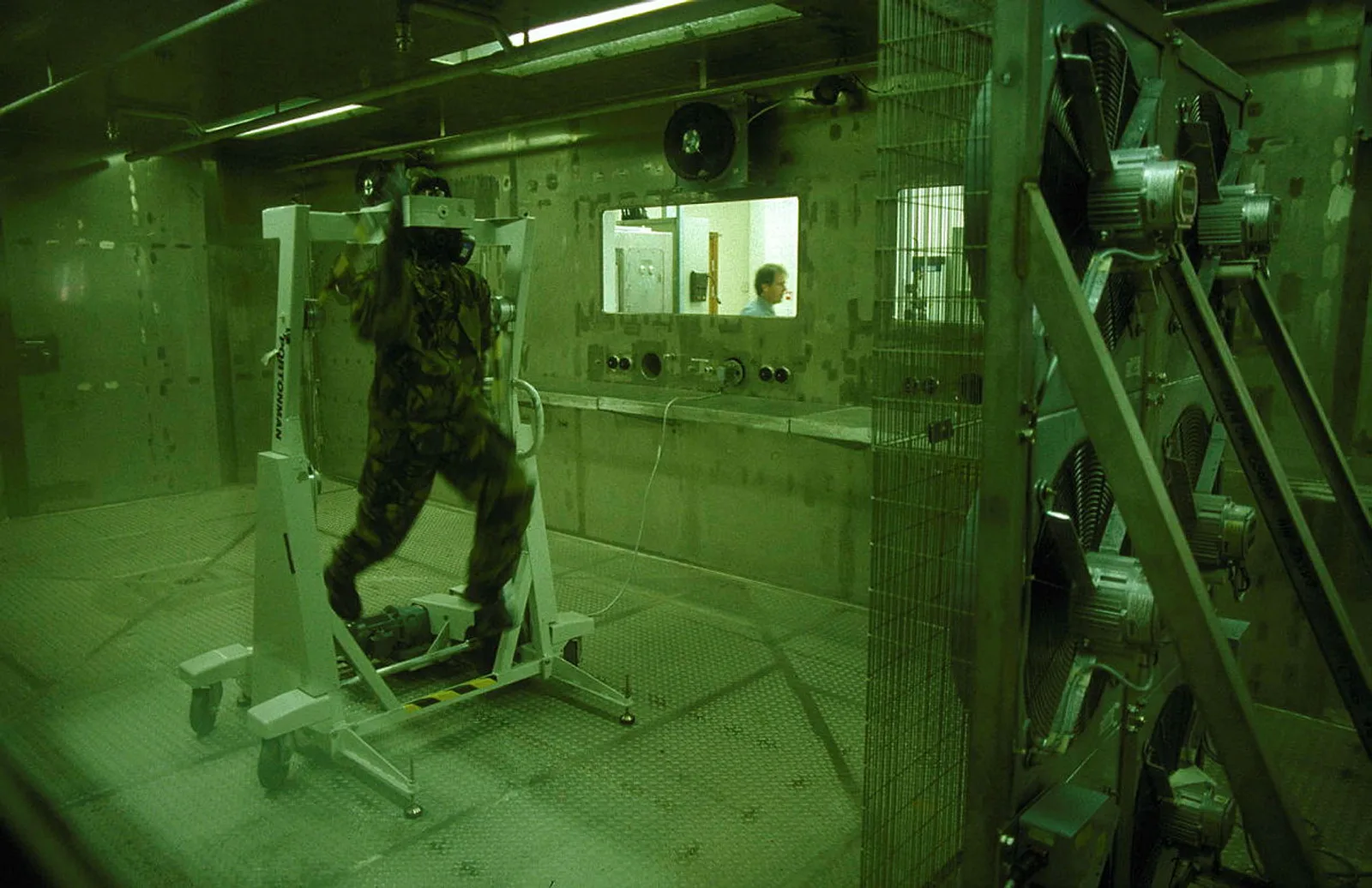
It is no secret among people in the CBRN defence community that many of the facilities at the venerable Porton Down complex are showing their age. Entire countries have risen and fallen during the tenure of UK CBRN defence at the site. Given the general decline in UK defence spending over previous decades and general underinvestment in CBRN defence, there are many things that, conceivably, could absorb half a billion pounds or more at Porton Down.
Aside from a 2022 feasibility study awarded to UK firm Jacobs UK Ltd and a single mention in Parliament, searches for ‘Project Andromeda’ hit a blank wall. The UK MoD written answer in Parliament shows that this project is very much in the early days. Per Luke Pollard MP, Minister of State for Defence Readiness and Industry:
“The Ernest Bevin Building forms part of Project Andromeda within the National Biosecurity Centre programme at Porton Down. The project is currently scheduled to enter the concept design phase in FY 2027-28, with construction forecast to commence thereafter with the new facility being completed in the late. These dates are indicative and remain subject to the ongoing development of the programme in its initial phase.”
But what will the GBP 580 million actually be spent on? Hints in specialist publications are sparse, but a few exist.
Assessing the cost of a biological defence lab
Because we are talking specifically about biological defence, the need to safely handle samples of dangerous biological pathogens is part of the bundle.
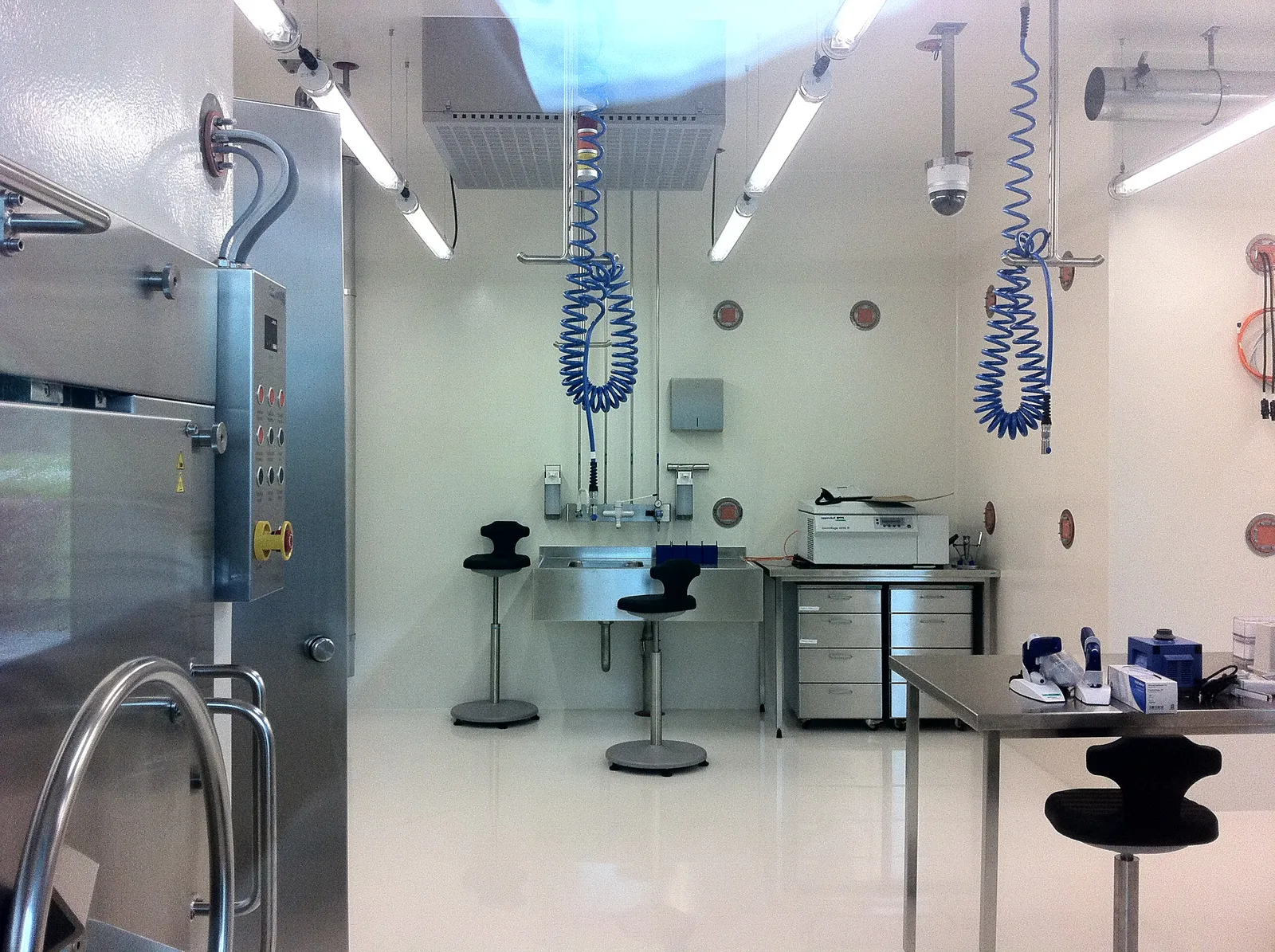
Specialist publication Lab Design News speaks at some length about mechanical, air-handling, electrical, physical security, and data security factors that increase the complexity and expense of such laboratories. Many biological warfare threats that would need to be investigated need to be handled under Biological Safety Level (BSL) BSL 3 and some at BSL 4. The architectural design and engineering effort needed to achieve and maintain these levels of certification is not cheap and comes from specialist contractors that charge a premium.
Some comparison is relevant. New BSL-4 facilities are rare. This correspondent was fortunate to visit the much smaller Spiez Laboratory BSL-4 facility in Switzerland during 2012, when it was commissioned. Open-source research hints that Swiss facility was a small fraction of GBP 580 million in expense, but it is a much smaller footprint facility built some years ago. It is also possible that some of the expense may involve safe decommissioning of older facilities on the Porton Complex or moving some functions to a new building, but this remains speculation.