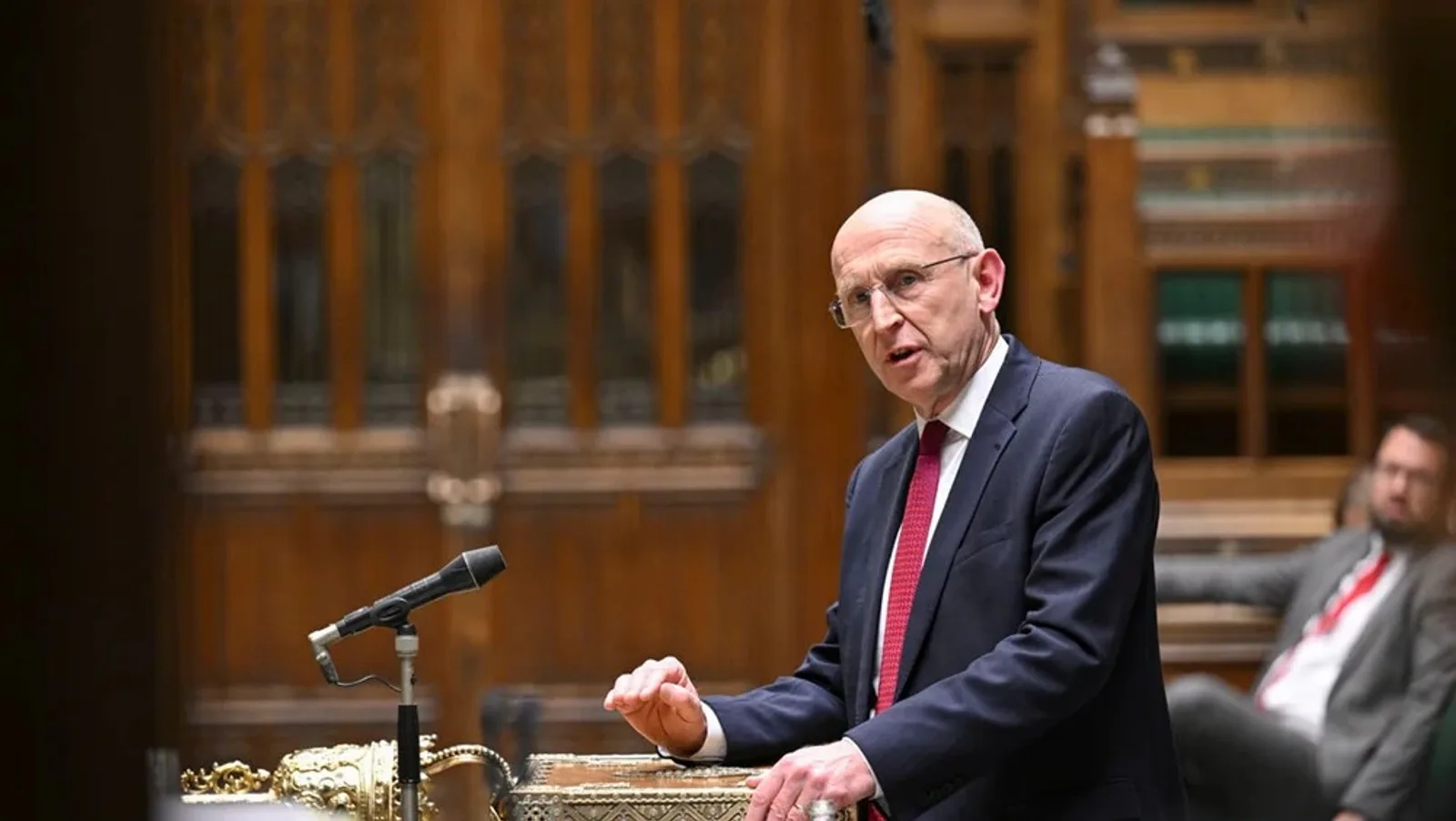
Delivering his first budget speech in the UK House of Commons on 28 October 2026 – the first budget under Prime Minister Andy Burnham – UK Chancellor of the Exchequer John Healey committed to UK defence spending reaching 3.5% of GDP by 2035 and announced a series of measures to make that a reality in a “fiscally sustainable way”, including the embracing of private investment.
Healey actually opened his remarks on defence by speaking about Ukraine, announcing GBP 10 billion of additional economic and military support for Kyiv. This would be “based on loans, export finance guarantees and [include] half a billion in urgent military funding for this winter”, he said, adding, “The whole House – the whole country – is united for Ukraine. Today, we send a clear message to Moscow: Britain will stand with Ukraine for as long as it takes.”
The future of UK defence spending
The chancellor then went on to set out the future of UK defence spending.
“At the spending review next year, I confirm that I will set out the details of how we will meet our NATO commitment to spend 3.5% of GDP on defence by 2035, with a target date for 3% in 2030,” Healey told the House. “Today, I am getting work under way to get there in a fiscally sustainable way. That will include looking hard at public spending, as I have done today to fund the Defence Investment Plan [DIP], but I am also determined to use more innovative financing, alongside the private sector and our international allies.
“First, I am launching today the new innovative defence finance taskforce to lead this work ahead of the spending review,” Healey continued. “Secondly, I am now confirming that we will commence treaty negotiations on the multilateral defence mechanism – or bank – with Finland, Poland and the Netherlands to boost defence investment and joint procurement across NATO allies.
“Thirdly, we will expand our defence-industrial base by getting the maximum amount of private investment into defence, including through public-private partnerships. Fourthly, as an immediate step, I can tell the House that the national wealth fund and the British Business Bank will launch a new focus on defence, dual-use technology and sovereign capability, deploying up to GBP 5 billion [EUR 5.97 billion] of investment and lending over the next four years.
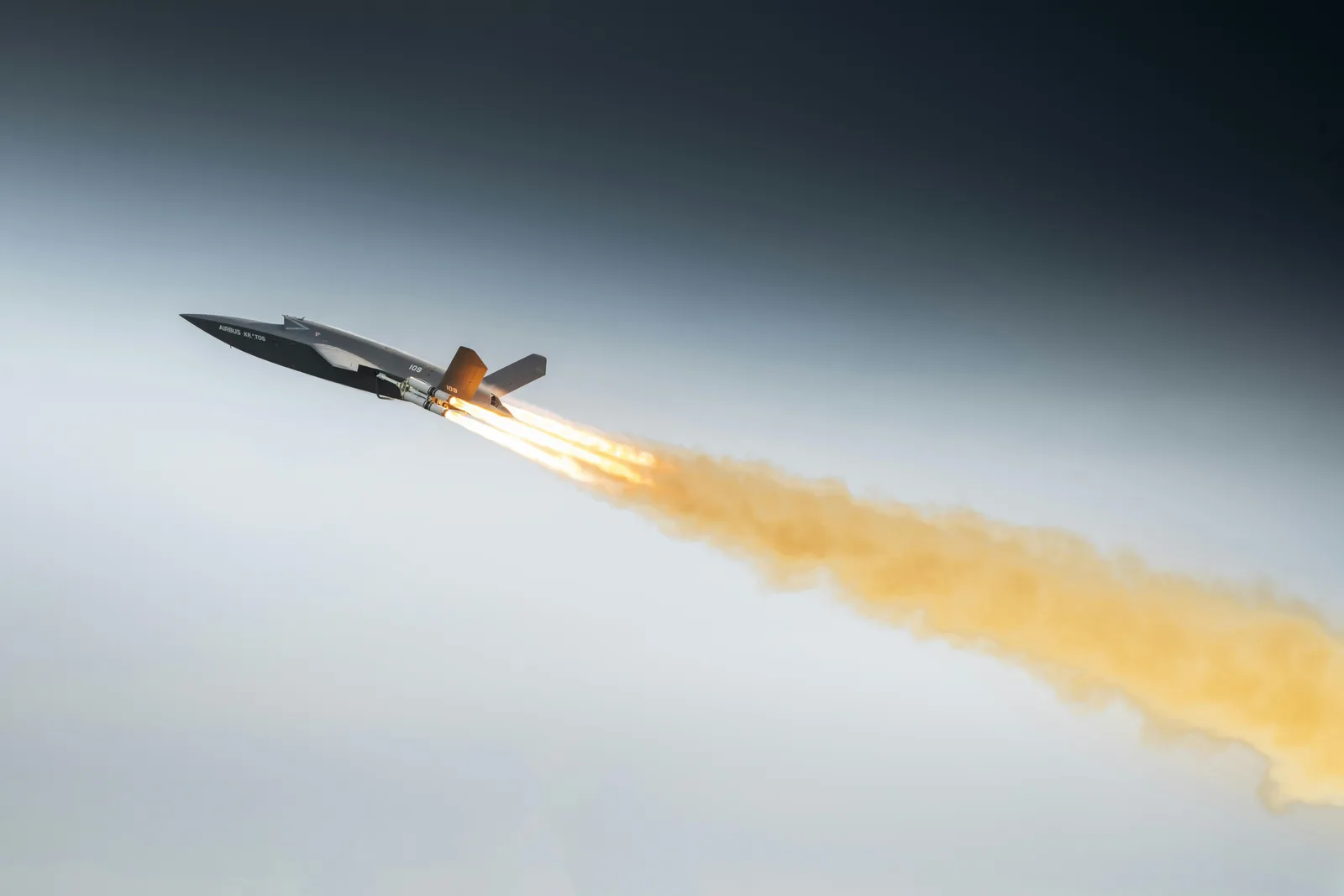
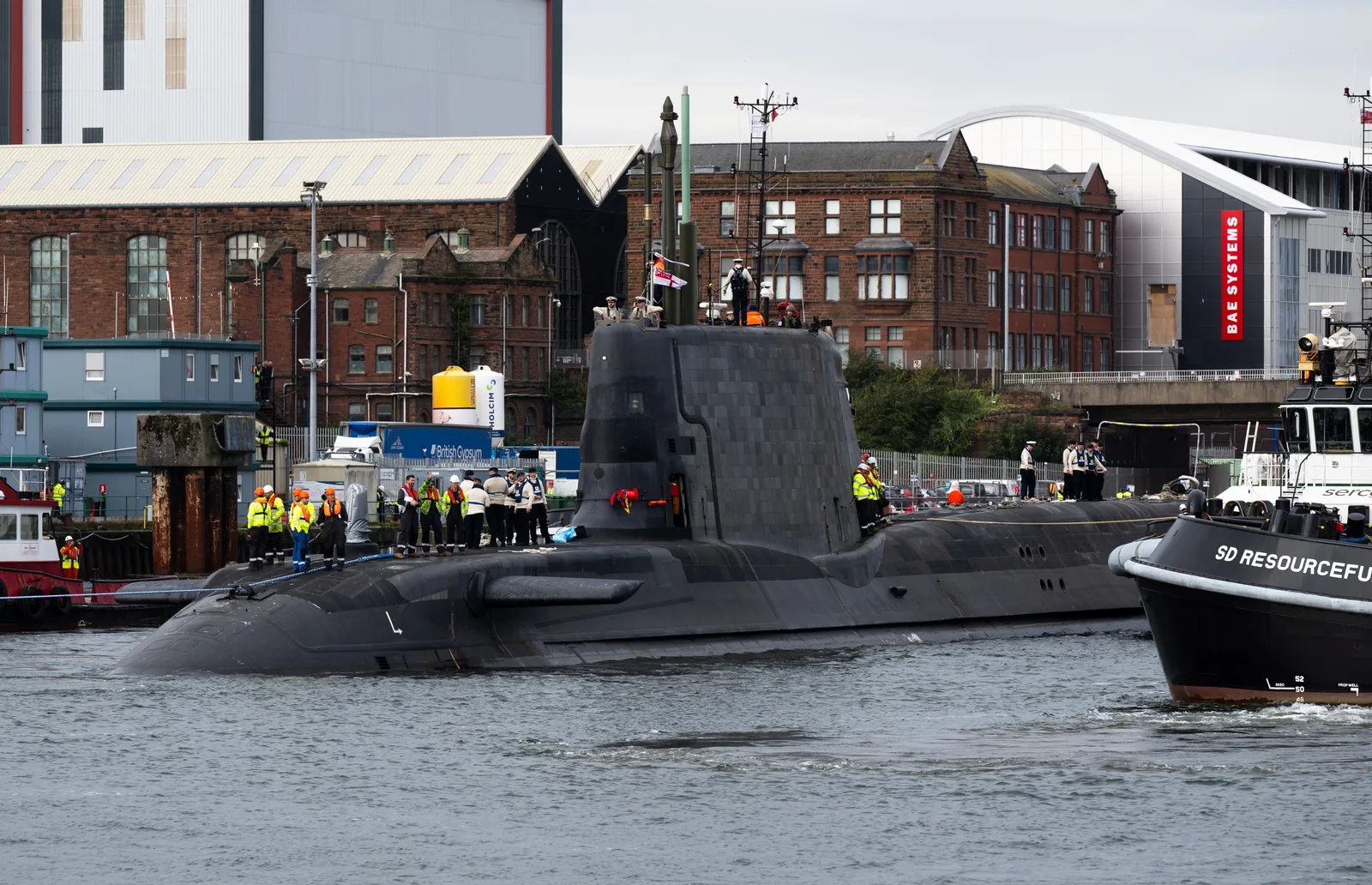
“I will ensure this record defence investment works twice: once for our national security, and once for British jobs and British business. Places across all four nations – Barrow, Rosyth, Aldershot, Plymouth, Glasgow and Belfast,” said Healey, would be “reindustrialised and transformed”.
Healey’s credibility on the line
As the former UK defence secretary under then prime minister Sir Keir Starmer, Healey had resigned on 11 June 2026, stating in his resignation letter to Starmer that “Your DIP financial settlement … falls well short of what is required for defence and the country at this dangerous time.”
Noting that defence spending under Starmer’s plans would have risen to “just 2.68% of GDP in 2030”, Healey had been adamant that UK defence spending needs to reach a level of 3% of GDP by that point.
While Starmer himself pledged on 23 June 2025, on the eve of the NATO summit in The Hague, that UK defence spending would reach 3.5% of GDP by 2035, in February 2025 Starmer had only announced “an ambition” to reach 3% of GDP “in the next parliament”.
Raised defence spending versus enhanced capability
As UK Chancellor of the Exchequer Healey has therefore secured the raise in UK defence spending that he resigned over the UK government not committing to under the Starmer government when he was UK defence secretary. His announcement in the House of Commons drew immediate praise from NATO Secretary General Mark Rutte, who posted on the X social media channel, “Good news on the new budget from @JohnHealey_MP with a strong commitment on defence. The UK role in transatlantic security is vital, and I welcome this move to put [the UK] on a credible path towards meeting the commitment made by all NATO allies in The Hague – to ensure we’re all investing what’s needed to remain ready and able to deter aggression and defend our freedom and security.”
However, whether that raise in UK defence spending will actually translate to enhanced capability for the UK armed forces remains to be seen.
As of mid-2026 the ‘black hole’ in UK Ministry of Defence funding was widely assessed to be around GBP 28 billion. Whatever that funding deficit now stands at, it will have to be filled before any money can be considered available for enhanced UK defence capabilities.
Moreover, the US/Israeli war against Iran instigated on 28 February 2026, and the consequent choking of international shipping in the Strait of Hormuz, has significantly heightened energy prices worldwide and degraded the economic outlook of governments throughout the globe.
Further to that, the UK is notorious for securing less ‘bang for the buck’ with the defence budget that is does have compared to numerous other NATO allies.
Consequently, the UK’s ability to produce meaningful enhancements to defence capabilities as a result of the announced rise in defence spending, and to properly fund the UK DIP, finally published on 30 June 2026, remains in doubt.
Warsight has previously published a number of articles on what programmes were covered by the DIP. These can be accessed here.