On 7 July 2026, NATO’s defence industrial agenda took a concrete and substantial step forward on the opening day of the Alliance’s summit in Ankara, with the announcement of a USD 26.3 billion Integrated Air and Missile Defence (IAMD) initiative. Participating allies include Belgium, Denmark, Finland, Greece, Norway, Romania, Sweden, and Türkiye.
This massive undertaking brings together some of the most influential defence companies from across the Alliance, marking a pivot toward a more integrated and industrially resilient security architecture.
The programme stands as one of the first major industrial milestones announced alongside the newly established NATO Summit Defence Industry Forum. This timing is hardly coincidental; it reflects the Alliance’s urgent and growing emphasis on expanding production capacity and accelerating the delivery of high-end capabilities rather than focusing solely on national spending commitments. In the current security environment, the ability to manufacture at scale has become as critical as the technology itself.
The initiative is designed to fundamentally strengthen NATO’s layered air and missile defence by harmonising various sensors, command-and-control (C2) systems, and interceptor technologies into a single, cohesive digital infrastructure. Beyond the hardware, the programme seeks to institutionalise interoperability among allied nations through much closer industrial cooperation. While the list of participating companies has been made public, further specifics regarding the exact workshare, procurement timelines, and the specific technical packages of the USD 26.3 billion contract remain limited.
The industrial consortium formed for this project is notably diverse, comprising Anduril UK, Aselsan, Athea, Palantir, Raytheon, Rheinmetall, and Roketsan. This mix of traditional defence primes and software-centric newcomers underscores a shift in how NATO views the future of the battlespace. Air and missile defence has emerged as the Alliance’s highest capability priority, especially following lessons drawn from recent high-intensity conflicts where sophisticated, large-scale missile and drone attacks have repeatedly tested the limits of existing defensive networks.
Speaking to Warsight, Arda Mevlütoğlu, a well-known Turkish defence analyst and industry professional, provided context on why this initiative matters for the Alliance’s technical evolution. While acknowledging that detailed information on the contract’s inner workings is still unavailable, Mevlütoğlu noted that the initiative could create significant opportunities for deep cooperation, particularly in the realm of sensors and the ‘brain’ of air defence, as well as command and control (C2) systems.
“Türkiye has built one of NATO’s most comprehensive end-to-end air defence architectures after the United States,” Mevlütoğlu observed. “The development of indigenous systems has generated considerable experience in sensor fusion and complex systems integration. Participation in a NATO initiative of this scale could both provide additional technological know-how for the Turkish industry and allow Türkiye to contribute its unique operational experience to wider allied programmes.”
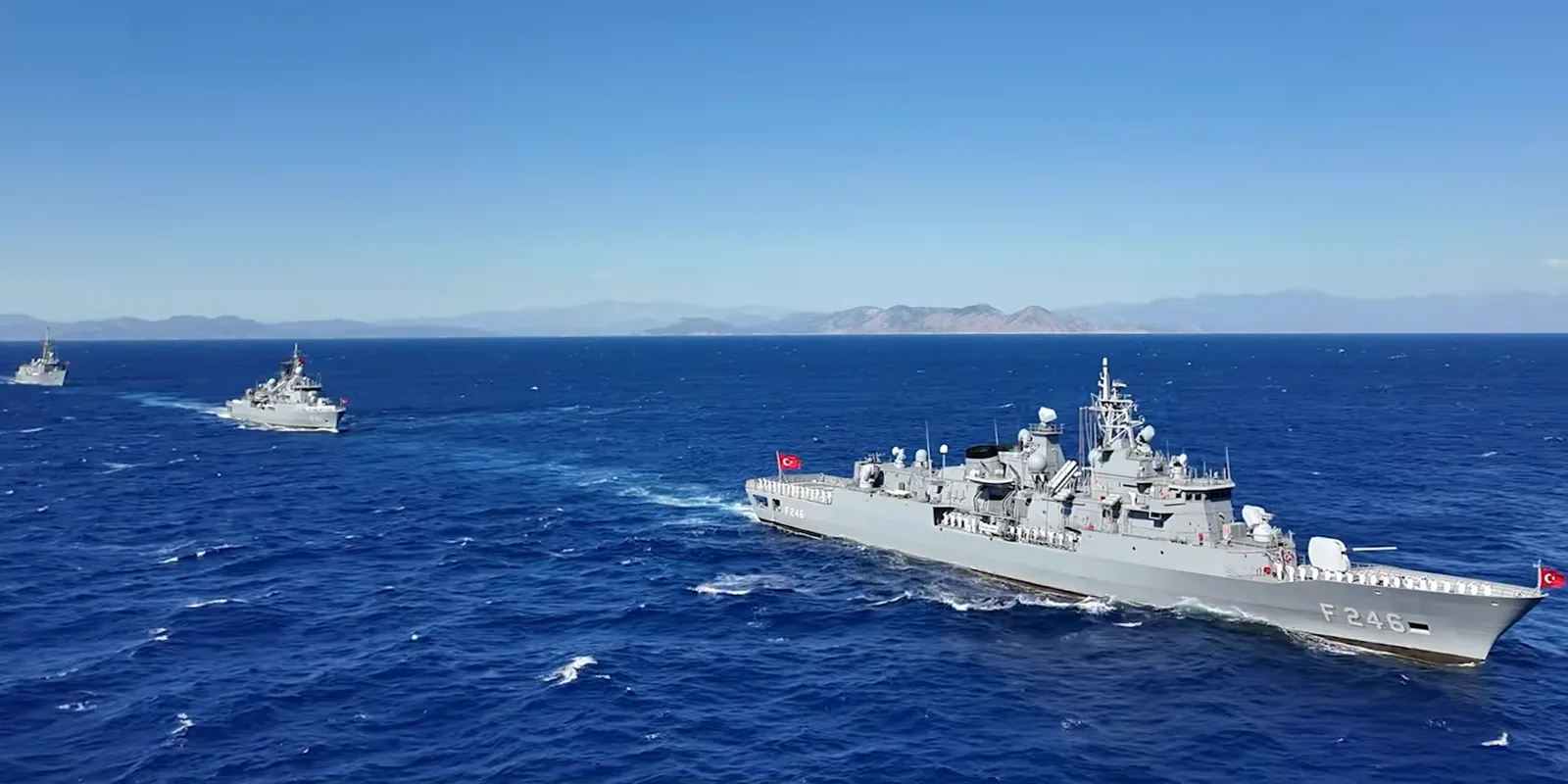
For the Turkish side, the inclusion of Aselsan and Roketsan is a strategic validation. Aselsan brings expertise in radar technology, electronic warfare (EW), and C2 electronics, while Roketsan contributes a growing portfolio of missile systems designed for various altitudes and ranges. Their participation suggests that Türkiye is moving beyond being a mere buyer of NATO technology to becoming a primary contributor to its most essential architectures.
Furthermore, the programme reflects NATO’s increasing recognition that future air defence will rely as much on data as it does on missiles. By integrating companies like Palantir and Anduril, NATO is targeting the ability to rapidly process and distribute situational awareness data across multiple domains. This ‘software-defined’ approach to defence is a central theme of the Ankara summit.
SAMP/T discussions remain on the agenda
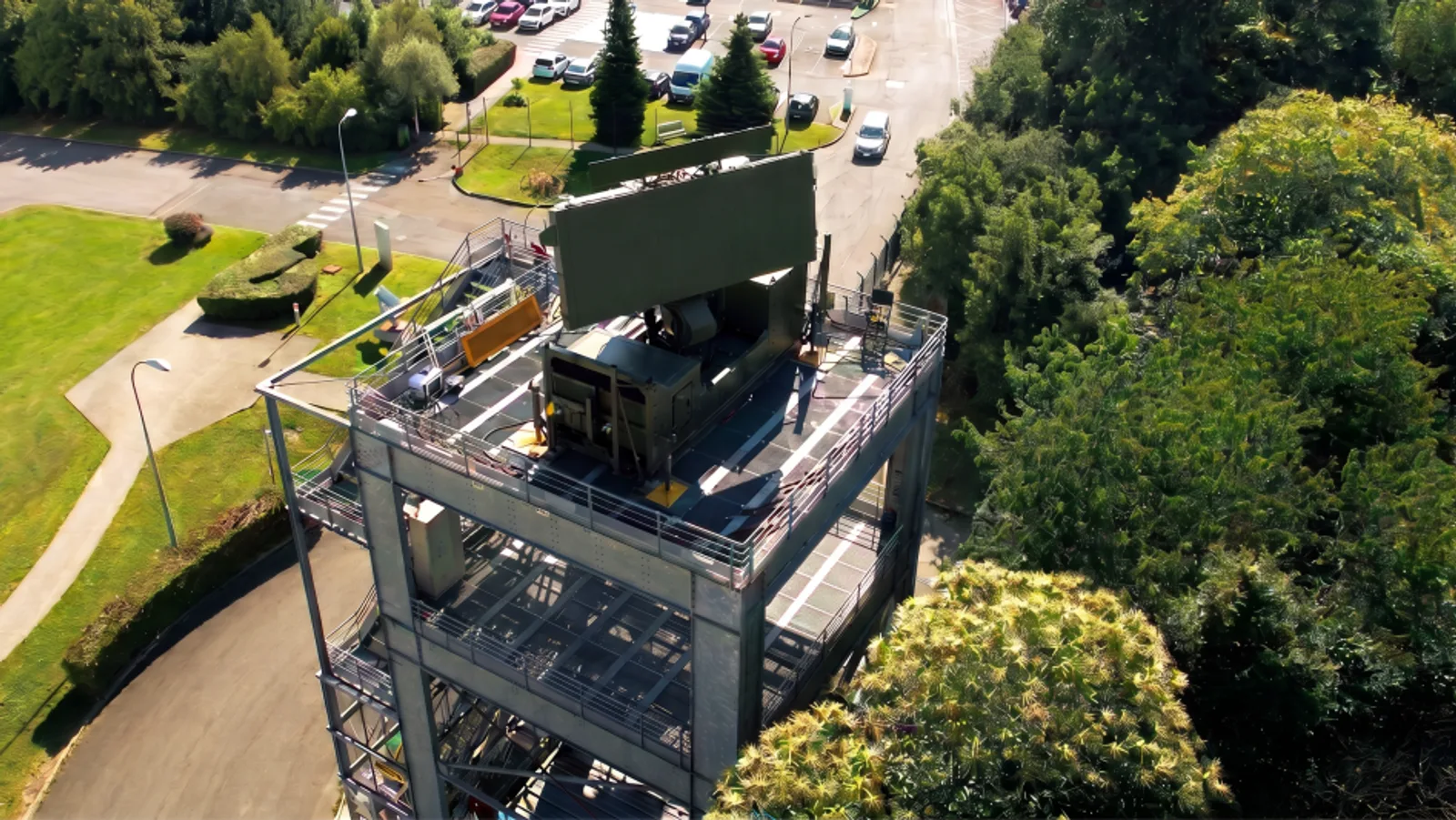
Parallel to the new NATO-wide IAMD initiative, the long-standing discussions regarding Türkiye’s potential acquisition of the Franco-Italian SAMP/T long-range air defence system have regained significant momentum. The project, managed by the Eurosam consortium, remains a key piece of the puzzle for Ankara’s layered air defence strategy.