Confusion and delays continue with the RAF’s Wedgetail fleet

The UK’s Wedgetail airborne early warning programme continues to baffle outside observers. On 26 August 2026 Boeing UK issued a short video proudly announcing that the second aircraft was “fresh out of paint”, although this had occurred more than three weeks before. Meanwhile, the first aircraft, delivered to Lossiemouth on 21 May, has not flown since, with the Royal Air Force refusing to give an estimate as to when initial operating capability might be declared.

The first UK Wedgetail has not flown since it arrived at Lossiemouth on 21 May 2026, making IOC unlikely in the near term. Significant test flying and training will be necessary before the aircraft has a meaningful operational capability.
The first UK Wedgetail has not flown since it arrived at Lossiemouth on 21 May 2026, making IOC unlikely in the near term. Significant test flying and training will be necessary before the aircraft has a meaningful operational capability. (Boeing)
Jon Lake

The Royal Air Force’s (RAF’s) second Boeing E-7A Wedgetail AEW Mk 1 airborne early warning and control (AEW&C) aircraft, WT002, made its belated maiden flight at Birmingham Airport on 15 July 2026 and flew to Southend to be painted five days later, on 20 July. The aircraft emerged from the paint shop on 6 August, when it flew directly to Boscombe Down. It has not flown since.

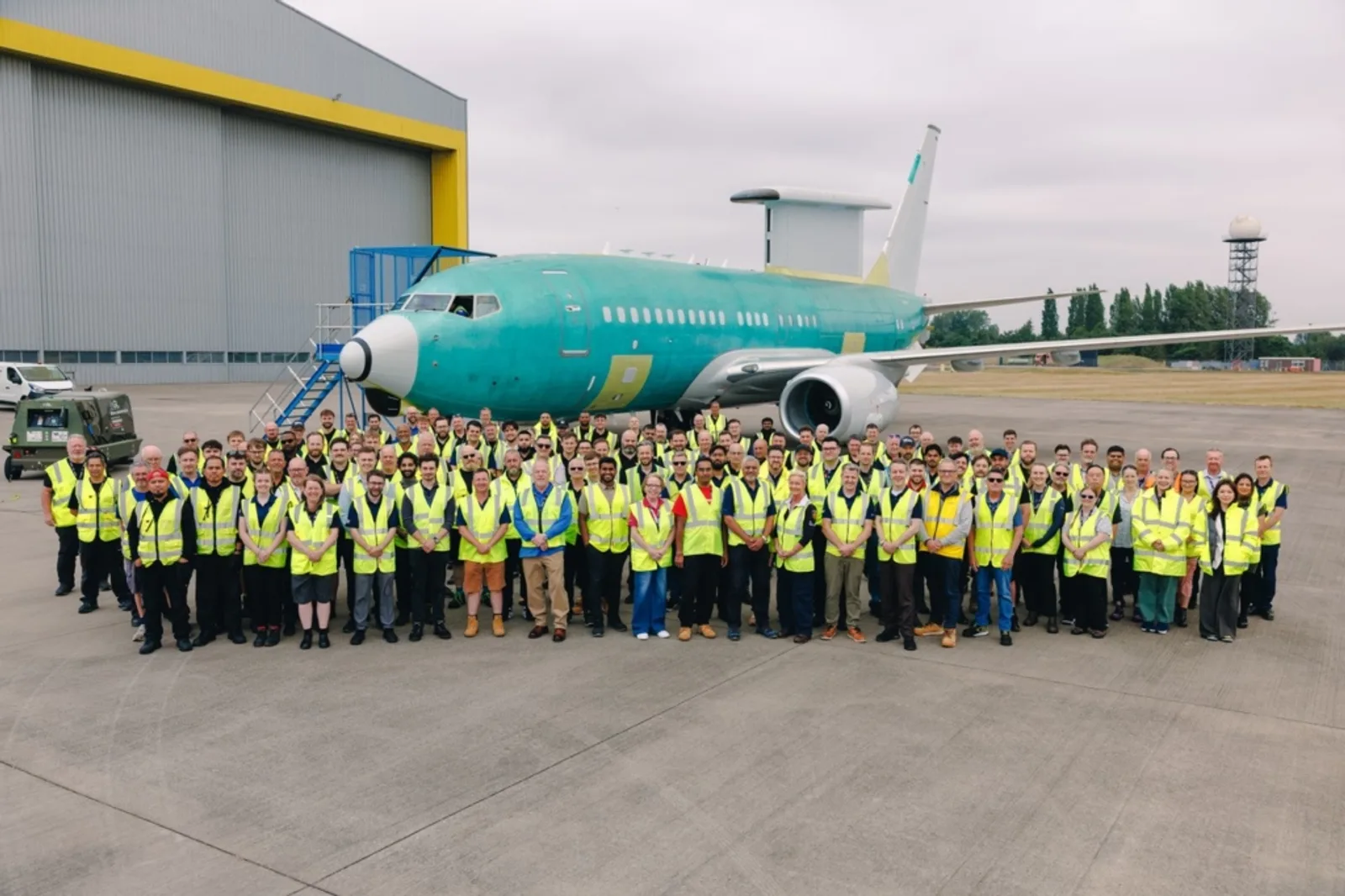
Mitarbeiter posieren vor einer grün grundierten Boeing E-7A Wedgetail vor einer Wartungshalle auf einem Flugplatz
The second UK Wedgetail aircraft seen after completing its functional check flight and before receiving its RAF livery. The aircraft flew from painting at Southend to begin test and evaluation at Boscombe Down. (STS)

When its sister aircraft (WT001) flew to Boscombe on 22 July 2025, the aircraft did not fly again until 28 November, when it returned to Birmingham Airport, having failed to complete planned testing. The aircraft had been unable to complete systems self-testing, with power delivery to subsystems said to have been the main issue. This had followed a lengthy grounding between October 2024 and June 2025 due to “technical and management issues”.

The first aircraft did not fly again until 19 May 2026, when it made a single flight before flying to Lossiemouth on 21 May. It has not flown since. One can only hope that WT002 will be more productive.

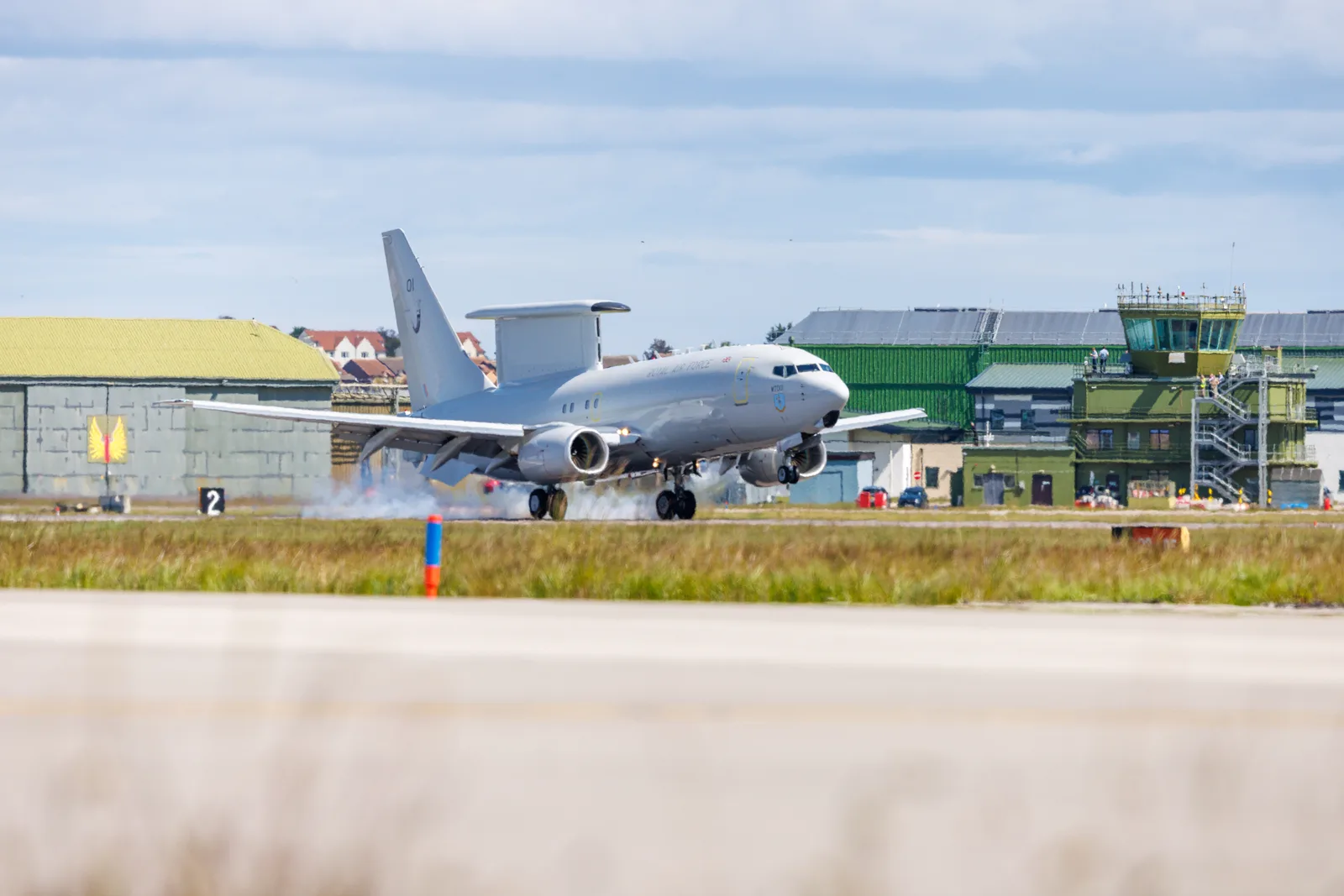
Boeing E-7A Wedgetail der Royal Air Force landet mit rauchenden Reifen auf einem Flugplatz vor Hangars und einem Kontrollturm
The first UK Wedgetail pictured on arrival at Lossiemouth on 21 May 2026. The aircraft has flown just nine times since conversion and has turned on its MESA radar once or perhaps twice. The first UK Wedgetail was built as a Boeing 737-700 BBJ (MSN 38633, Line Number 3329) previously operated by Deer Jet Beijing as B-5273. (Royal Air Force) (Royal Air Force)

When will IOC be for the Wedgetail?

Plans for the Wedgetail to achieve initial operating capability (IOC) in 2023 were delayed again and again, and it is hard to imagine how any meaningful operational capability could be declared before a lot more test flying and training sorties have been undertaken.

A recent Freedom of Information request asking when IOC is expected went unanswered, with the UK Ministry of Defence (MoD) claiming that, after a Public Interest Test (PIT), it had judged that the IOC date was exempt from disclosure. It was said that disclosure would prejudice the capability, effectiveness and/or security of the UK armed forces. The official answering the request noted: “While releasing information on the operational status and readiness of the Wedgetail AEW Mk1 aircraft could improve public understanding of the RAF’s progress towards Initial Operating Capability (IOC),” they stressed that “releasing information about the IOC status would compromise the capability and readiness of the RAF. Such details provide adversaries with insights into the UK’s current military posture, posing a direct risk to national security and operational effectiveness.”

It was concluded that the potential harm caused by disclosure could be substantial and would outweigh the benefits of release.

Intriguingly, information was also withheld on the basis that disclosure “would likely prejudice the international relations of the United Kingdom, particularly with NATO”.

“The Wedgetail programme,” it was noted, “forms a key part of the UK’s Contribution in Kind to NATO’s airborne early warning capability. Details concerning capability development, deployment schedules and operational readiness remain subject to ongoing co-ordination and formal agreement with NATO. Premature disclosure risks undermining these negotiations and the UK’s standing within the alliance, potentially damaging trust and co-operation essential to collective defence.” Keeping silent was felt necessary in order to “uphold the integrity of international agreements made by the Ministry of Defence”.

While specific details regarding the achievement of IOC were withheld, it was said that IOC would be determined by a combination of (unspecified) key milestones, including airframe capability, crew training, deployability and interoperability as well as personnel/force growth, infrastructure and support contracts. It was stated that the RAF was “working to ensure the necessary supporting requirements are in place so that IOC can be met at the earliest opportunity”.

The slow pace of progress was not expected. When the Wedgetail was selected in 2019, the type’s in production status and maturity were stressed, while the aircraft was described as offering major commonality and interoperability advantages. However, prior to the delivery of the first aircraft to Lossiemouth, the MoD was singing a rather different song. A spokesman told our friends at Defence Eye: “The UK’s Wedgetail has been configured with enhanced capabilities compared to other E-7 variants operated by international partners, requiring additional testing, qualification and certification of both the aircraft and its mission systems before it can progress.”

A small silver lining was pointed out in that there was claimed to be “no additional cost to the MoD due to the late delivery of the aircraft as Boeing Defence UK are contracted to deliver a fleet of three Wedgetail under a firm-price contract.”

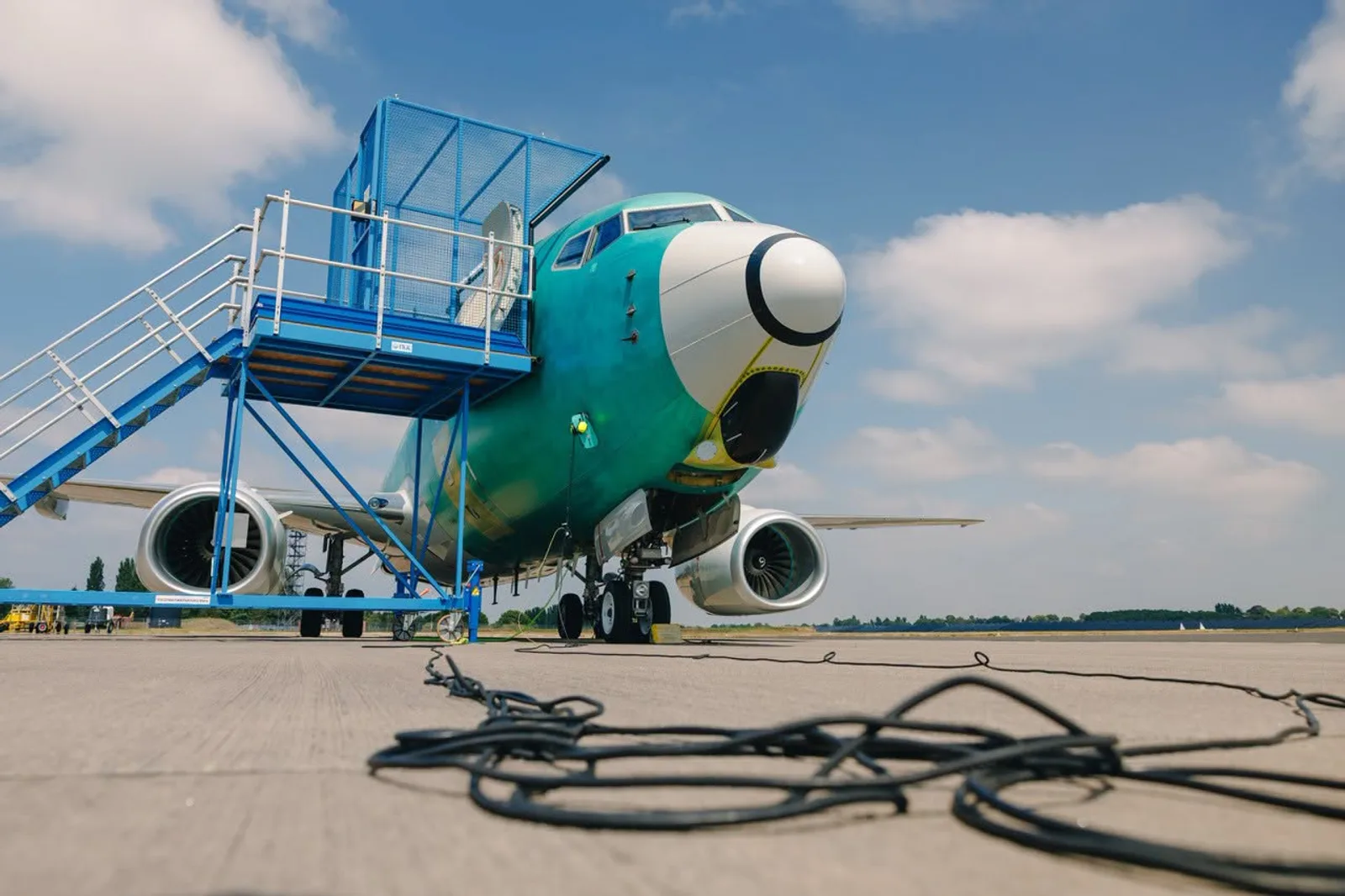
Boeing E-7A Wedgetail im grünen Grundieranstrich mit mobiler blauer Wartungsbühne am Cockpit auf einem Flugplatzvorfeld
The second UK Wedgetail was built as a Boeing 737-700 BBJ (MSN 40117, Line Number 3701) previously operated by Hongkong Jet and Longtail Aviation as VP-BOP. (Boeing UK)
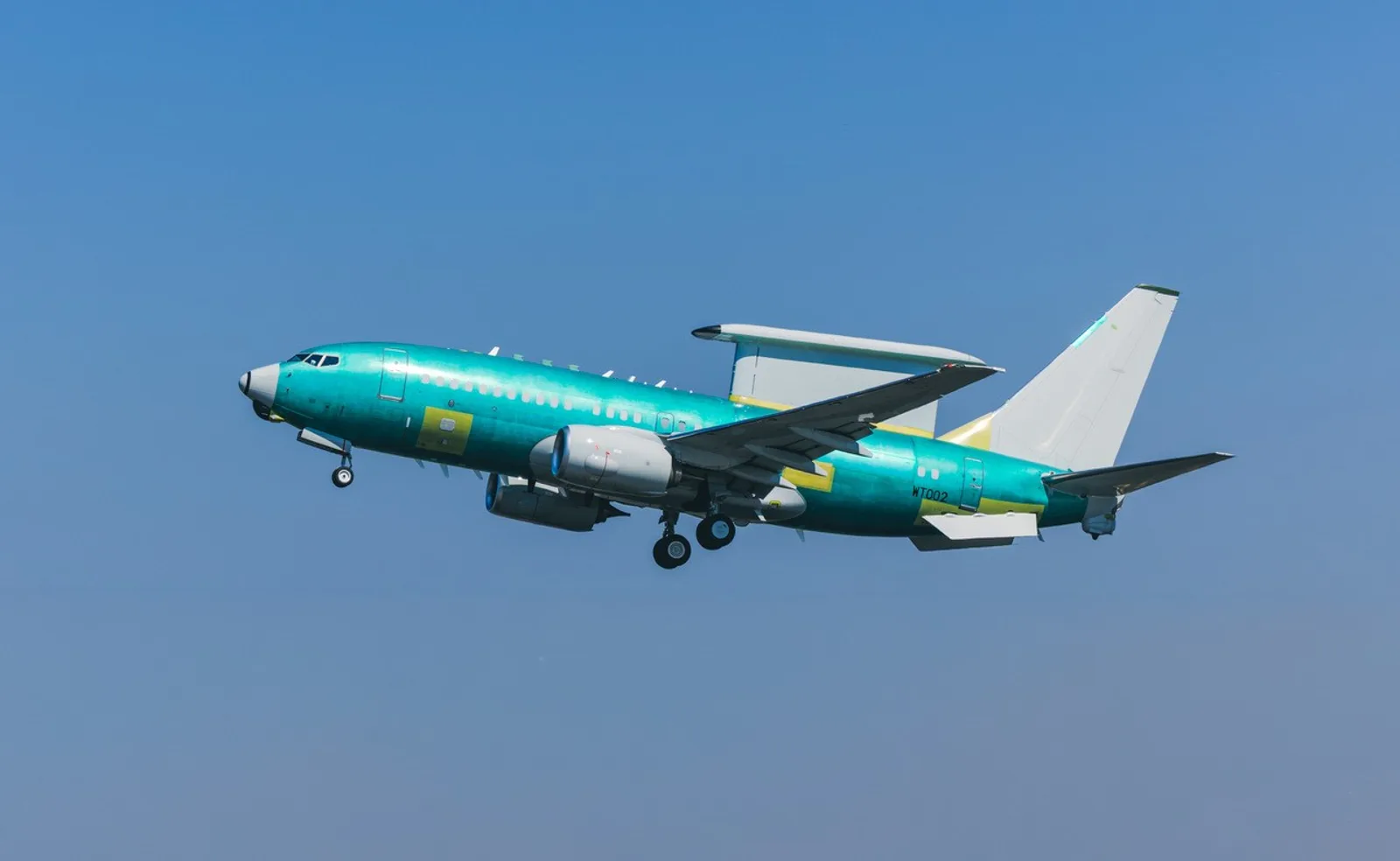
Boeing E-7A Wedgetail mit Kennung WT002 im grünen Schutzanstrich und ausgefahrenem Fahrwerk im Flug vor blauem Himmel
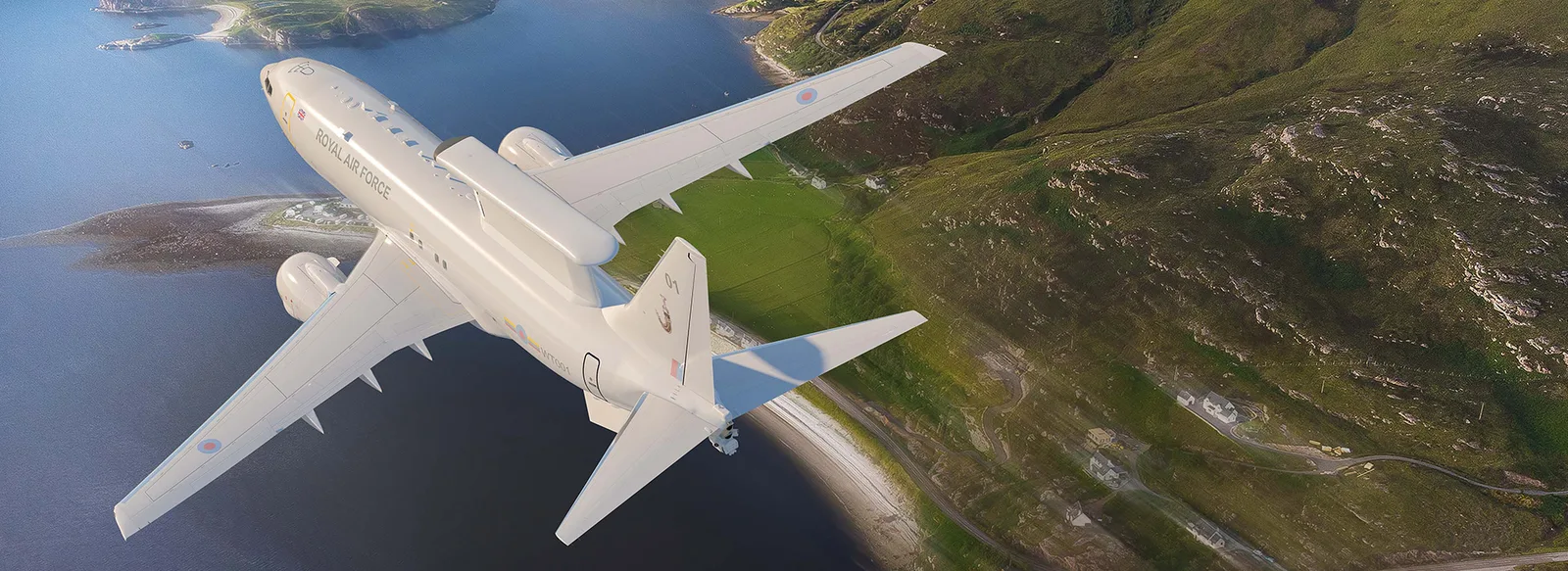
Conversion from BBJ to Wedgetail sees the removal of the drag-reducing winglets and the installation of a great deal of specialised mission equipment, under-tail strakes and antennas of every description. (Boeing UK)
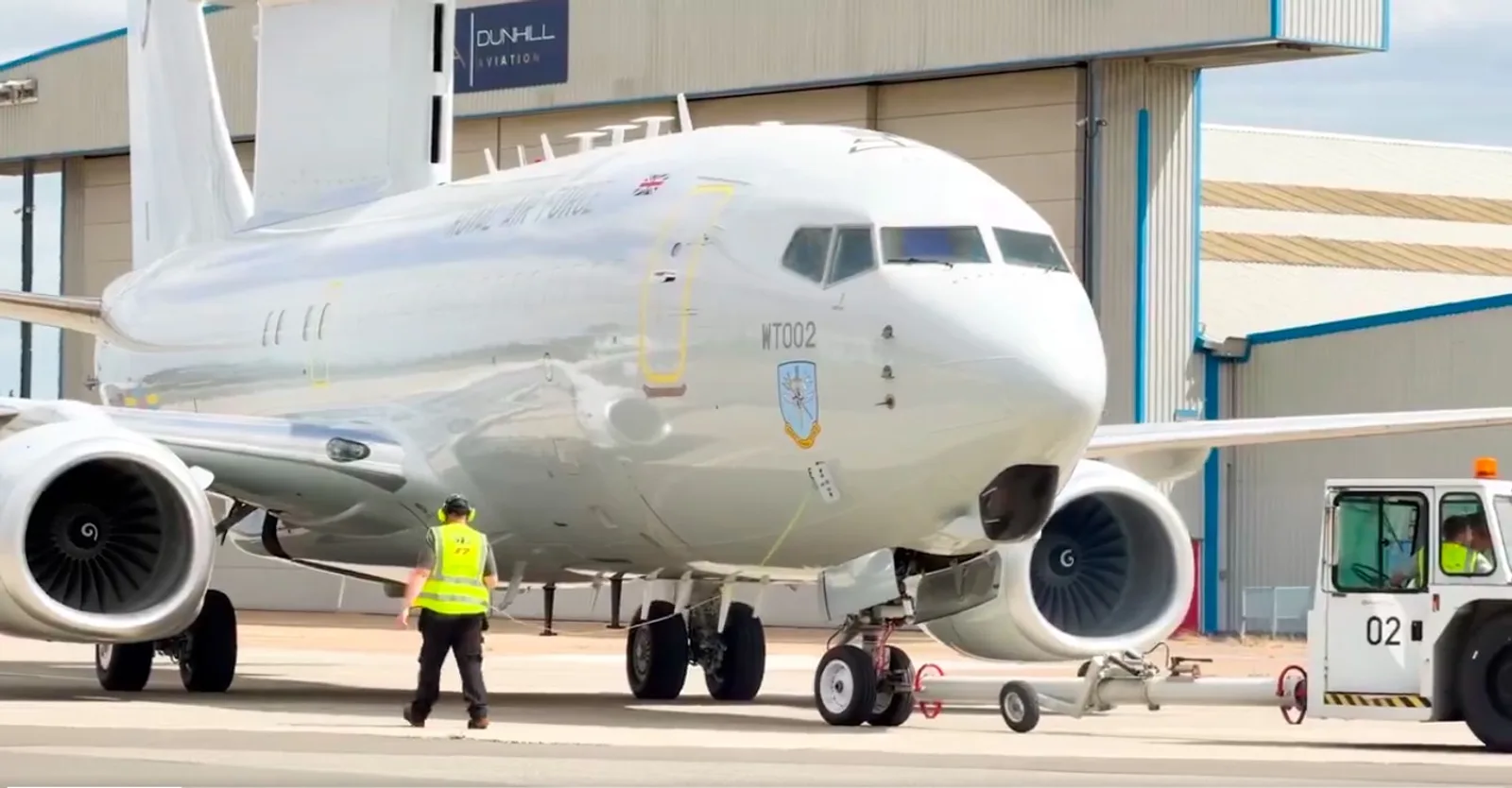
Boeing E-7A Wedgetail der Royal Air Force mit Kennung WT002 wird von einem Schlepper auf einem Flugplatz gezogen
The RAF’s second Boeing E-7A Wedgetail AEW Mk 1, WT002, flew to Southend to be painted on 20 July 2026, emerging on 6 August and flying to Boscombe Down. (Boeing UK)
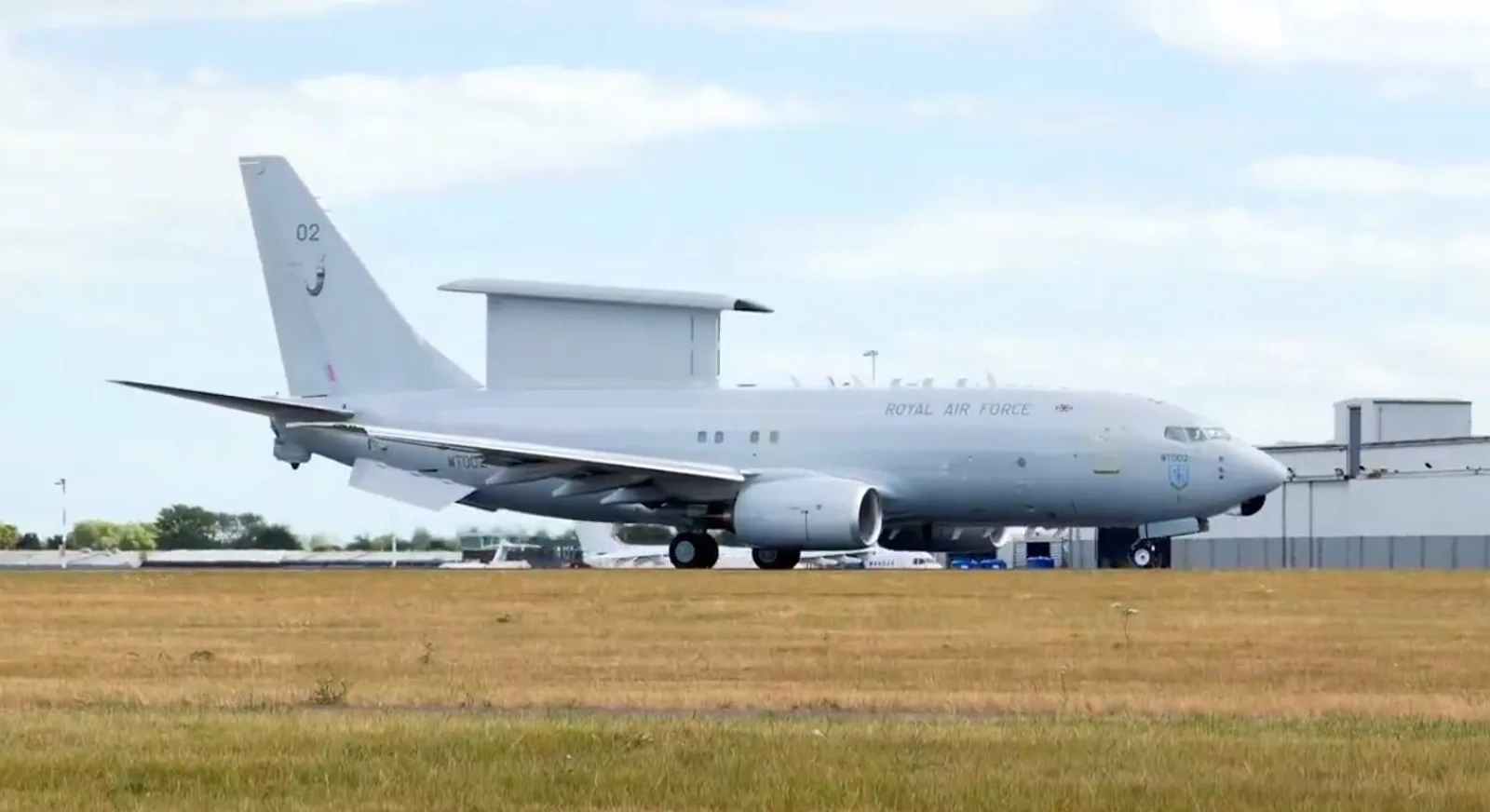
Boeing E-7A Wedgetail der Royal Air Force mit markanter Radarantenne auf dem Rumpfrücken auf einem Flugplatzgelände
Like the RAF’s E-3D Sentries before them, the UK’s Wedgetails wear the markings of No 8 Squadron (a sheathed jembiya Arabian dagger on the tail and red, yellow and blue ‘fighter bars’ on the rear fuselage) and the badge of NATO’s Airborne Early Warning Force on the nose. (Boeing UK)

Share post

You may be interested in

Categories

All NewsAir

Used tags

Boeing UKRoyal Air Force (RAF)STSWedgetail AEW Mk1

Similar posts