In July 2024 the incoming Labour government recognised that the world was becoming a more difficult and dangerous place from the beginning. It acknowledged that there had been a rise in geopolitical tensions across the globe and that threats to the UK’s security had multiplied and diversified, including hybrid warfare encompassing cyber attacks, attacks on critical underwater infrastructure and misinformation campaigns that sought to subvert the UK’s democratic government.
The Labour Party’s 2024 manifesto pledged to maintain a “nuclear-armed, NATO-first” defence posture, with what it called a “triple-lock” on the nuclear deterrent, and a new strategy to support the UK defence industry. The manifesto promised a defence spending target of 2.5% of GDP (when conditions allowed) and committed to undertaking a Strategic Defence Review (SDR) within the first year in government. Labour leader Sir Keir Starmer promised that this SDR would set out a “roadmap” to reaching the 2.5% spending target.
The SDR promised to assess armed forces capabilities and to ensure that the nation’s armed forces would be fit, equipped and right sized to confront any military challenge. Incoming Defence Secretary John Healey consulted widely and wisely, and set out plans for innovative reforms, including the establishment of a new Military Strategic Headquarters (MSHQ) and the appointment of a National Armaments Director (NAD). Everything looked promising, with Starmer and a number of ministers boasting of “delivering the biggest sustained investment in British defence since the Cold War”.
In the last year, however, all of that (save the empty boasts) has changed. While some cheap and ‘easy’ measures have been funded – improving armed forces accommodation and housing, for example – there has been little real progress in implementing the core recommendations of the SDR. This is, in part, due to the failure to publish the Defence Investment Plan that had been due in August 2025 and that had been intended to set out how procurement would be prioritised and funded. It also became clear that there was a significant ‘black hole’ in the budget estimated at GBP 28 billion over four years. This was a result of previous overspending by the services and by the gap between the funding available and the UK government’s ambitions as outlined in the SDR.
The slow pace of standing up the MSHQ and NAD has meant that the behaviours of the individual UK armed services may not have changed as many would have hoped. In recent decades there has been a tendency for the services to selfishly pursue their own narrow interests and procurement priorities, without much consideration of wider UK defence interests.
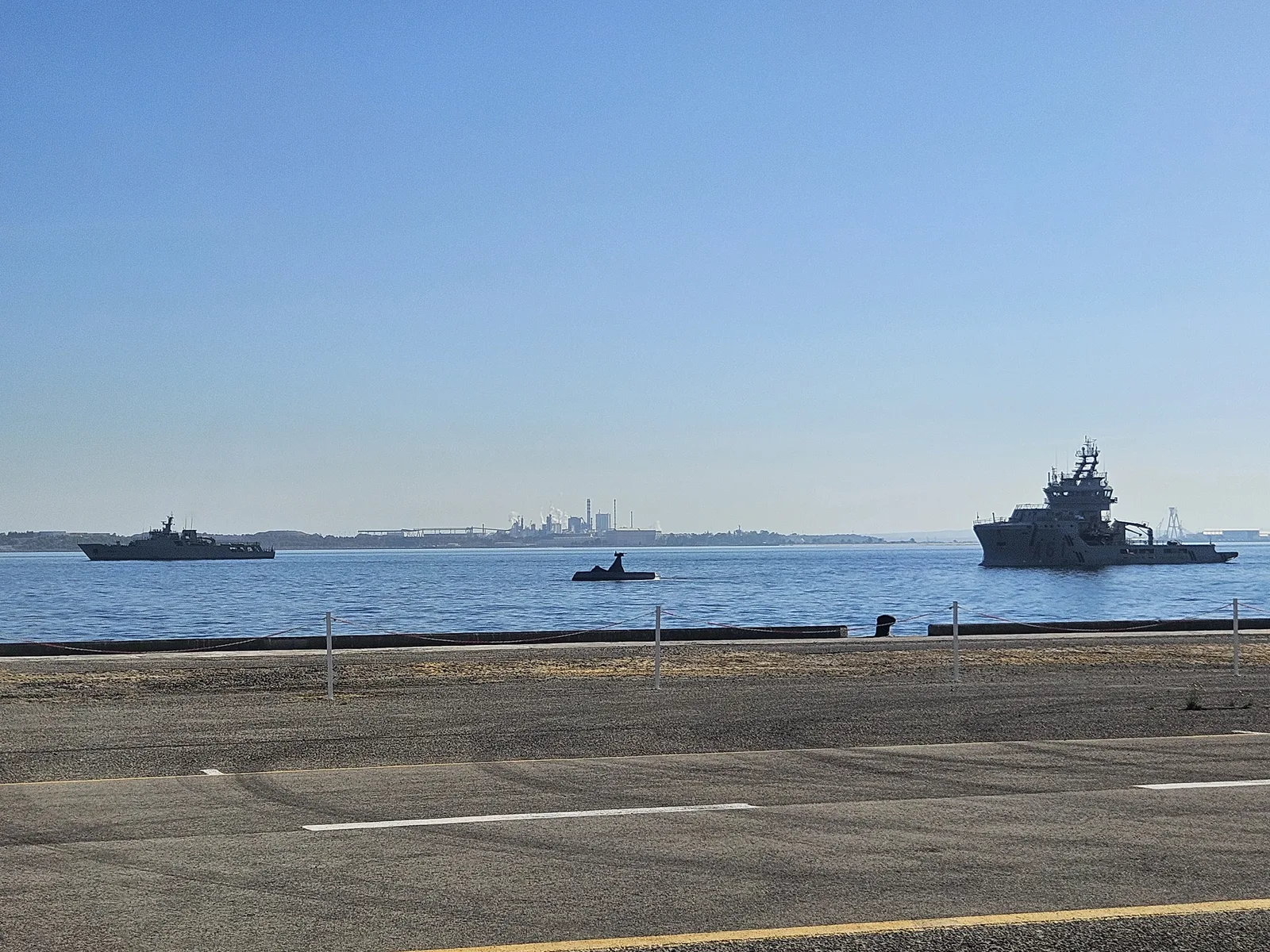
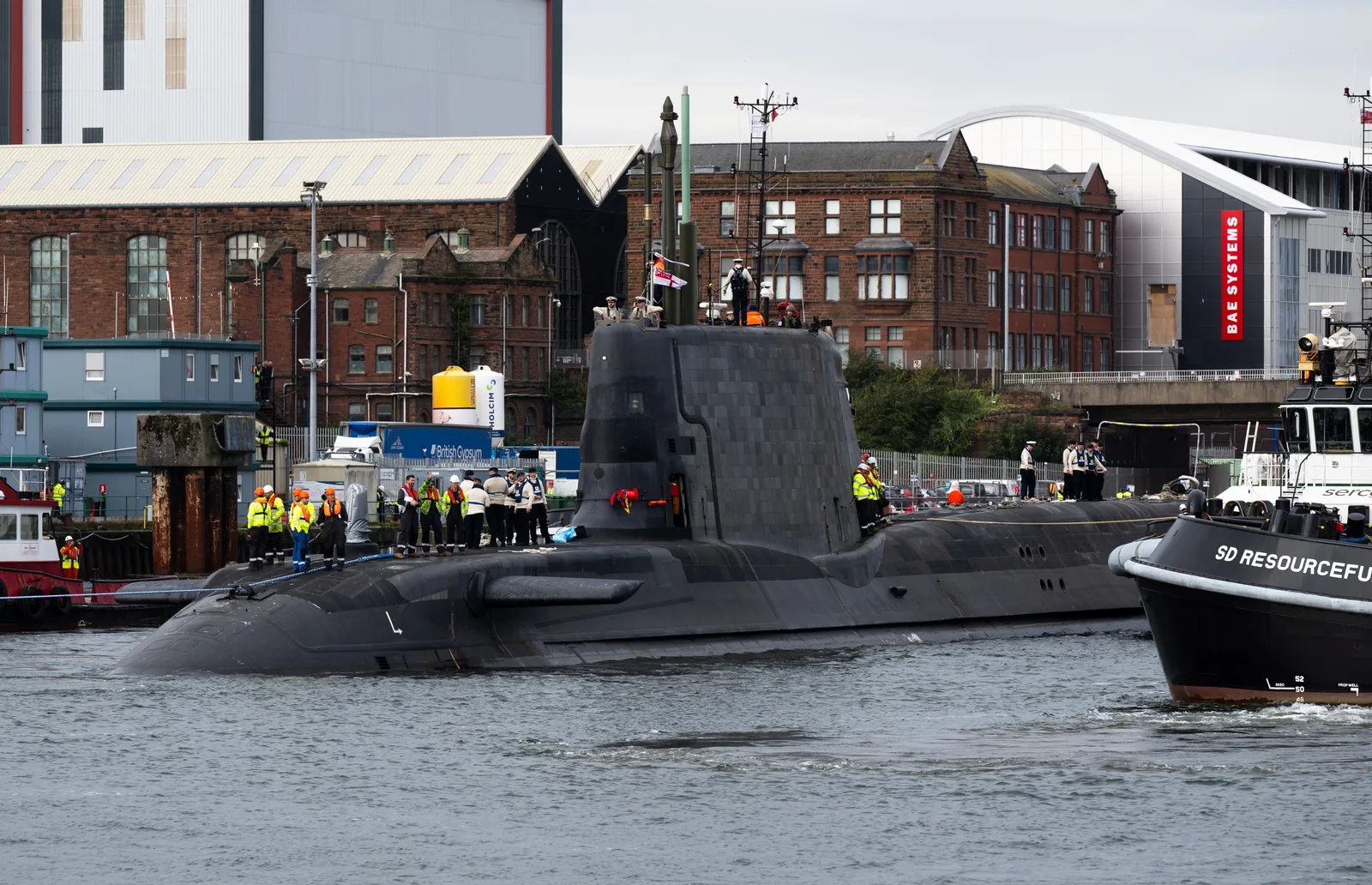
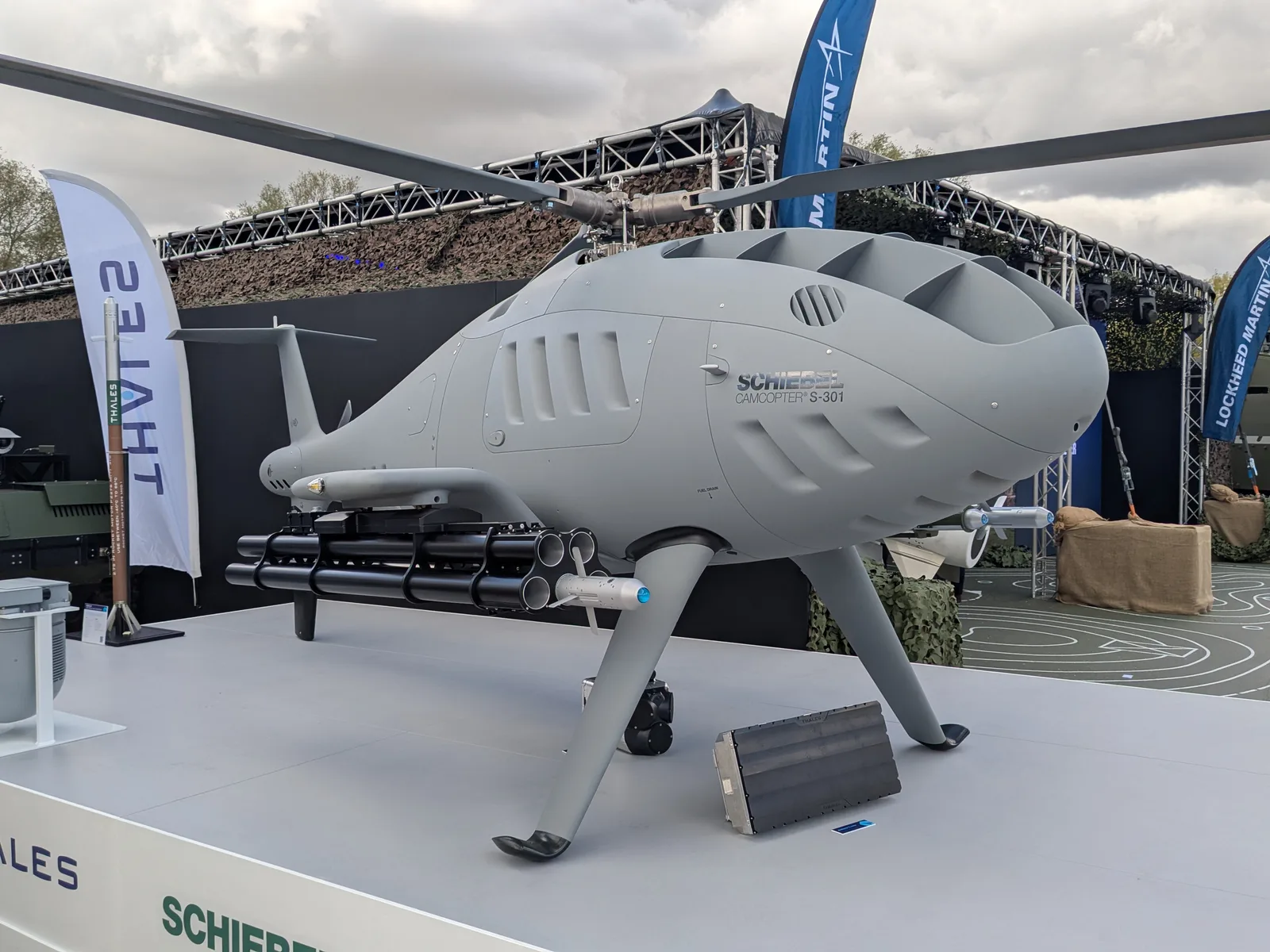
There also seems to have been a continuing tendency for the service chiefs to pursue the kind of ‘flagship’, exquisite capabilities that reputations and ‘legacy’ are built on, rather than on more routine and arguably dull but essential ‘meat and potatoes’ warfighting capabilities. Thus, the First Sea Lord, General Sir Gwyn Jenkins, is prioritising a ‘hybrid fleet’ and the so-called ‘Atlantic Bastion’ for the Royal Navy; General Sir Roly Walker, the British Army’s Chief of the General Staff, reportedly wanted drones and digital transformation, but was overruled on the GBP 1 billion deal to buy AW149 New Medium Helicopters that he did not want; Sir Harv Smyth, the Chief of the Air Staff, has spoken about wanting to field an ‘AI air force’ with “robot fighter jets” operating alongside traditional crewed aircraft in the Royal Air Force (RAF) in the next couple of years. What these plans have in common is that all rely on new, bleeding-edge technologies that many serious analysts and observers believe are not yet sufficiently mature to be operationally effective.
All three authors of the SDR have now criticised the lack of progress in implemending it. The review’s lead author, Lord Robertson – a senior Labour grandee, former defence secretary and former NATO secretary general – recently stated, “There is a corrosive complacency today in Britain’s political leadership. Lip service is paid to the risks, the threats, the bright red signals of danger. But even a promised national conversation about defence can’t be started.” Robertson charged that a dangerous gap has opened up between the government’s rhetoric on security and its actual investment actions, leaving the armed forces too small and inadequately equipped to handle current global threats.
Lord Richard Dannatt, a former chief of the general staff, has echoed these concerns, claiming the UK chancellor is resisting increased military spending and opining that the UK is “drinking in the last-chance saloon”.
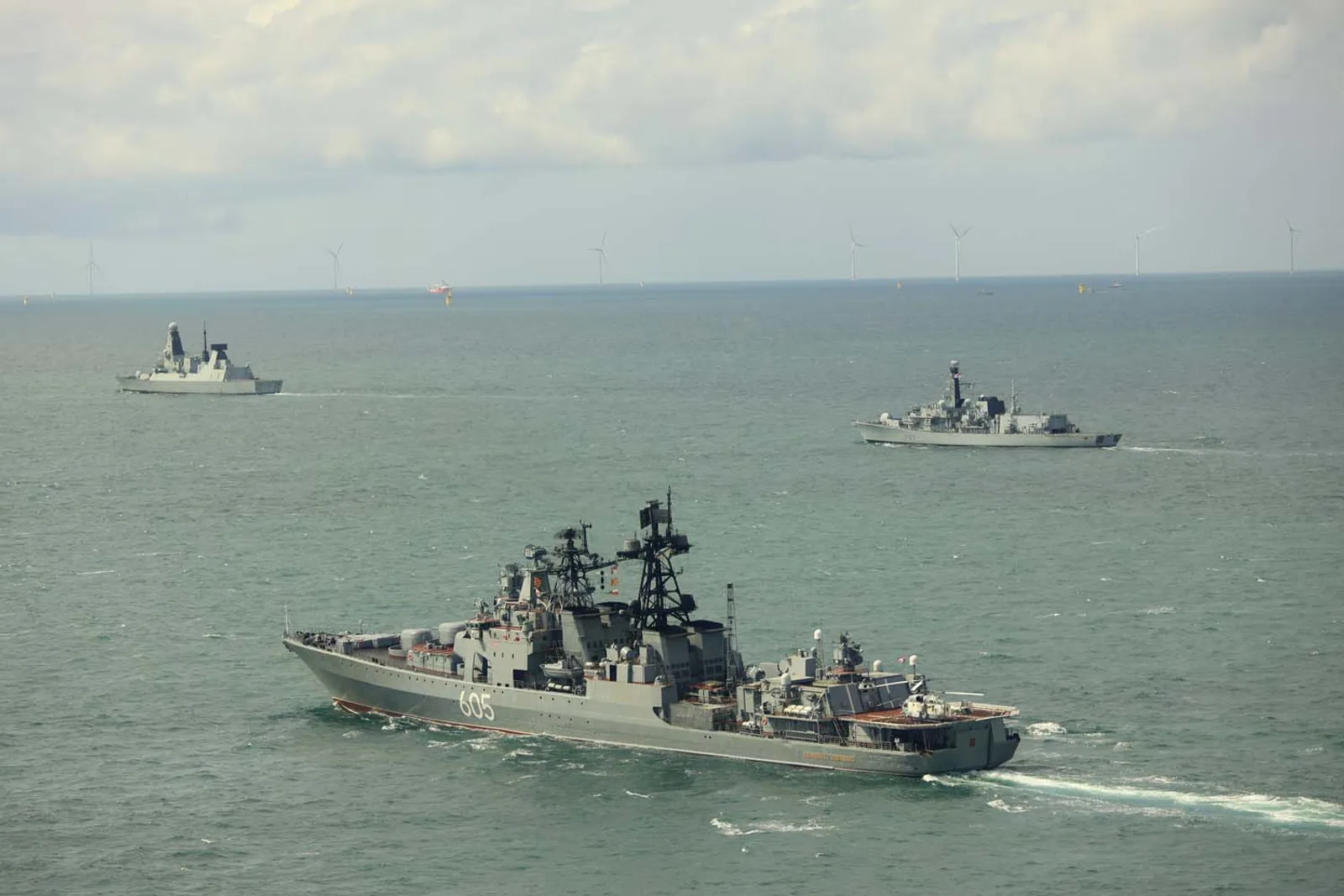
Dr Fiona Hill, a former White House advisor who was the third author of the SDR, noted a “bizarre lack of urgency” in putting the UK on a war footing in light of Russia’s belligerence in Europe.
When Iran responded to the attacks on it by the United States and Israel by attacking US and coalition bases across the Middle East, the inadequacy of the UK’s military was starkly illustrated. The RAF already had Typhoon fighters at Akrotiri on Cyprus for Operation ‘Shader’ (the UK contribution to international operations against the Islamic State) and more Typhoon and F-35B aircraft were quickly dispatched there, with some Typhoons also going to Qatar while RAF Regiment counter-unmanned aerial system (C-UAS) capabilities were also deployed to a number of allied nations. These proved successful enough in intercepting Iranian drones and cruise missiles, albeit that the Typhoons and F-35Bs lacked a cost-effective C-UAS weapon and instead had to resort to using costly Advanced Short Range Air-to-Air Missiles against very cheap threats. Royal Navy Wildcat helicopters, armed with Lightweight Multirole Missiles (LMMs), were deployed, alongside Merlin Crowsnest airborne early warning helicopters, but these reportedly saw no action.