The first USV duel: The dawn of robotic warfare at sea

An engagement between a Ukrainian and Russian USV in the Black Sea has kicked off the era of drone-on-drone warfare at sea. As lessons from the Black Sea flow into conflicts in the Red Sea, Hormuz, and beyond, the rise of robotic warfare at sea is driving a need for new naval architectural approaches.

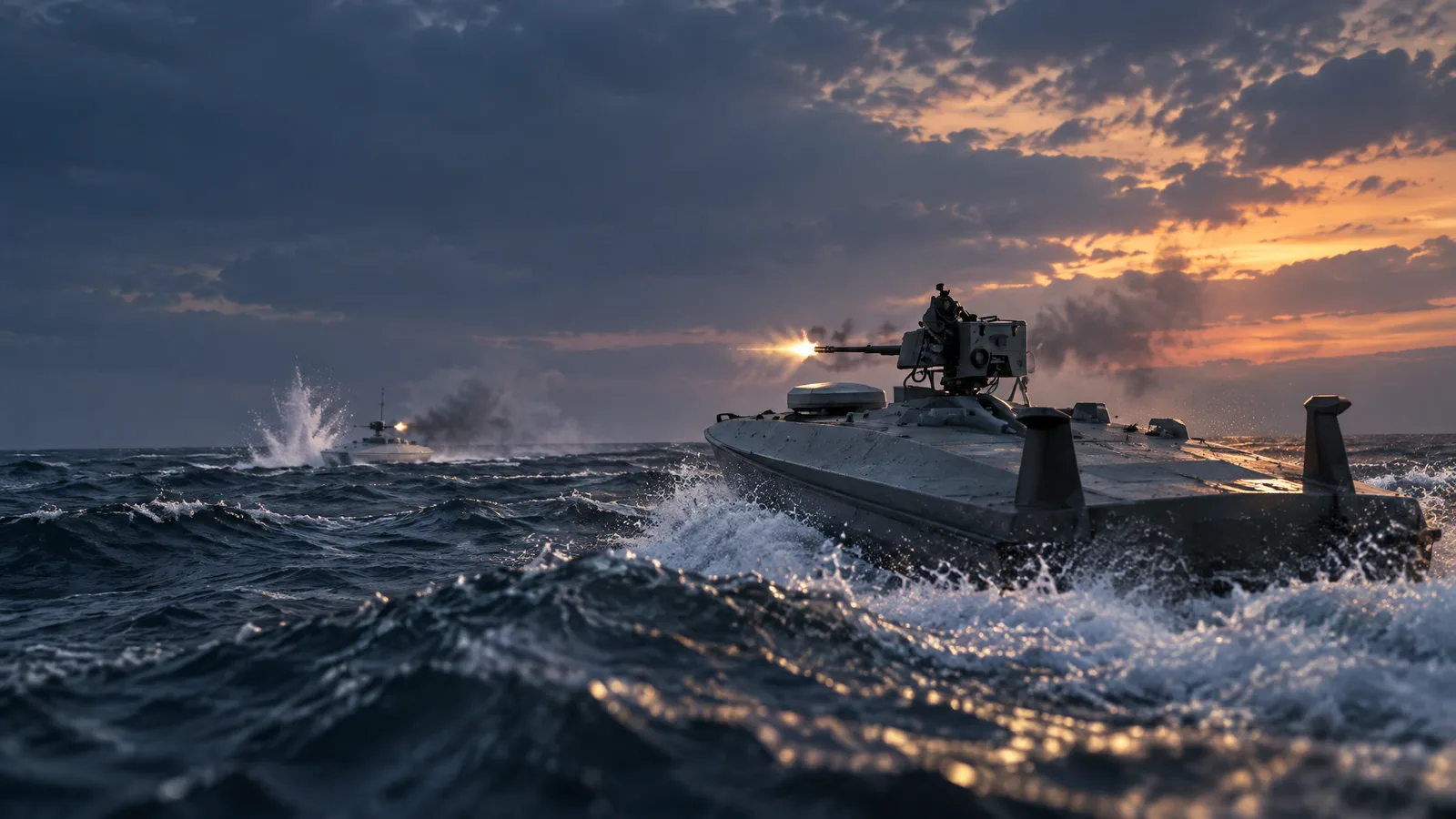
Illustration of a USV duel taking place in the Black Sea.
Illustration of a USV duel taking place in the Black Sea. (Tayfun Ozberk, made with AI)
Tayfun Ozberk

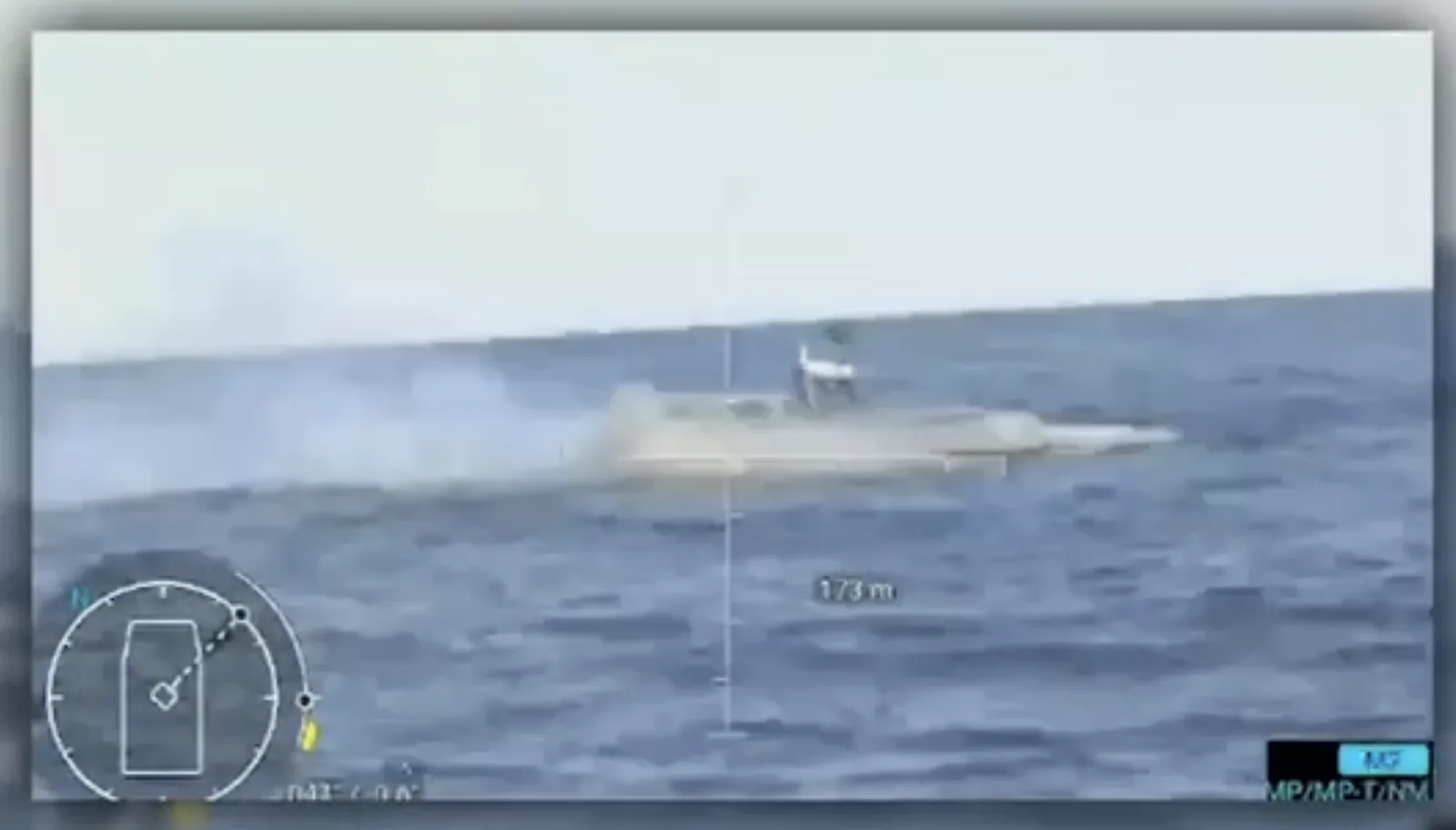
On 12 September 2026, Ukraine’s Navy announced a quiet yet profound milestone in the maritime theatre: one of its unmanned surface vessels (USVs) engaged and destroyed an unmanned Russian boat in the Black Sea. According to Ukrainian accounts, a Sargan-3000 drone equipped with a Protector remote weapon station (RWS) armed with a 12.7 mm heavy machine gun detected the Russian improved-Orcan type USV and neutralised it with direct gunfire.

Ukrainian Navy footage published on 12 September 2026 showed a Ukrainian SARGAN-3000 USV engaging and eventually sinking a Russian improved Orcan USV. The event marked the first USV-on-USV engagement.
Ukrainian Navy footage published on 12 September 2026 showed a Ukrainian SARGAN-3000 USV engaging and eventually sinking a Russian improved Orcan USV. The event marked the first USV-on-USV engagement. (Ukrainian Navy)

Whether that footage captured an unscripted combat clash or an opportunistic tactical encounter, its structural significance is clear. For more than two years, the Black Sea has served as an operational laboratory for asymmetric naval warfare. Inexpensive, mass-produced one-way-attack (OWA) USVs have systematically attacked fleet defences, struck port infrastructure in occupied Crimea, and forced Russia’s Black Sea Fleet to relocate its most valuable combatants eastward to Novorossiysk.

Yet this encounter indicates that the conflict is entering an entirely new phase. What began as low-cost asymmetric strikes against conventional warships has evolved into direct drone-on-drone combat at sea. The era of robotic warfare is no longer on the conceptual horizon, it is already here.

Breaking the monopoly of manned vessels

For centuries, naval strategy was dominated by large combatants. Command of the sea was expressed through steel, displacement, and onboard firepower: ships of the line, dreadnoughts, aircraft carriers, and multi-mission guided-missile destroyers. Fleets were evaluated almost exclusively by aggregate tonnage, missile-cell counts, and the survivability of their manned platforms.

The campaign in Ukraine has challenged the exclusivity of that equation. Operating without a conventional surface fleet, Kyiv combined land-based anti-ship cruise missiles (ASCMs) with homegrown families of naval drones, including the Magura V5, Sea Baby, and Sargan/Seawolf platforms, to achieve an operational sea-denial capability. By deploying attritable, low-profile vessels to strike targets hundreds of miles from friendly shores, Ukraine demonstrated that sea control is no longer dictated solely by who commands the largest, most expensive hulls.

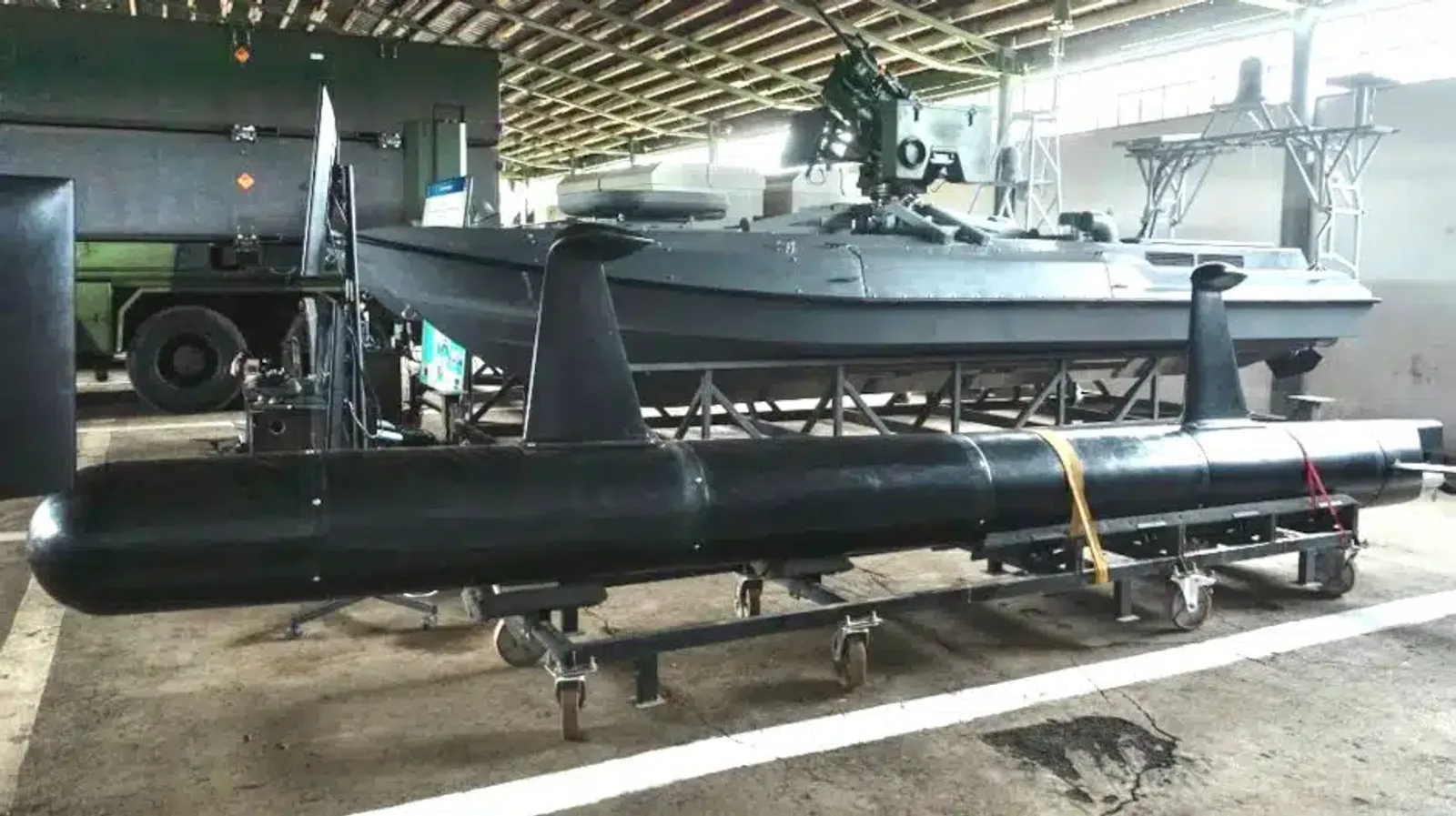
SARGAN-3000 USV (toward background), also known as SeaWolf, in service with Ukraine.
SARGAN-3000 USV (toward background), also known as SeaWolf, in service with Ukraine. (Ukrainian Navy)

The underlying philosophy of unmanned systems is straightforward: they separate combat power from human casualty risk, radically altering operational calculations across every naval discipline.

In Mine Countermeasures (MCM), uncrewed systems operated from standoff ‘motherships’ eliminate the need to sail human crews into active minefields. Unmanned surface sweepers and autonomous underwater vehicles (AUVs) can locate, classify, and neutralise mines while the high-value support vessel remains far outside the threat sector.

In Anti-Submarine Warfare (ASW), surface vessels have historically avoided entering a hostile submarine’s torpedo engagement zone, relying instead on maritime patrol aircraft (MPA) and shipborne helicopters. Today, long-endurance unmanned aerial vehicles (UAVs) – such as the Turkish Aerospace Aksungur, capable of staying aloft for up to 60 hours – alongside sonar-equipped USVs, can relieve the heavy operational burden on manned aircraft.

Ask any veteran submariner what they fear most, and the answer is almost always persistent overhead air cover. When an uncrewed asset maintains an unblinking eye over an operations area, safe snorkelling windows disappear and detection probability climbs exponentially. In modern naval warfare, unmanned systems have made one reality abundantly clear: there is virtually nowhere left to hide.

Why defending against USVs is exceptionally difficult

Despite these operational demonstrations, many conventional naval doctrines still treat the drone threat as a minor variation of the traditional fast inshore attack craft (FIAC) challenge. This assumption fails under combat conditions.

Naval drones are not invulnerable, but they systematically exploit the foundational limitations of legacy surface ship defence:

  • Low freeboard and geometric blind spots: Riding barely a metre above the waterline, a USV offers an exceptionally small radar cross-section. Sea clutter, wave interference, and coastal radar reflections frequently obscure the target until it is dangerously close. Under night conditions or adverse sea states, optical and infrared cameras face severe identification constraints.
  • Speed and collapsing decision windows: Modern strike USVs routinely reach speeds of 40-50 knots (74-93 km/h). A closing target spotted at 8 km leaves a surface combatant just a few minutes to register the track, identify it, decide on an effector, and counter.
  • The cost-asymmetry dilemma: Building an explosive naval drone costs a fraction of the cost of the high-end missiles, helicopter sorties, or precision munitions used to neutralise it. Launching a multimillion-dollar interceptor to stop a commercial-grade drone creates an unsustainable economic curve that rapidly empties vertical launching system (VLS) cells.
  • Saturation and human bandwidth: A single drone closing on a warship can often be engaged. But a coordinated, multi-axis attack – combining multiple USVs, UAVs, and jamming – quickly saturates the ship’s fire-control channels and overwhelms the cognitive bandwidth of human watchkeepers.

The fundamental disconnect is doctrinal as much as technological: 21st century threats cannot be neutralised with 20th century technology and tactical mindsets. Relying primarily on deck-mounted machine guns, manual lookouts, and localised physical harbour barriers will not reliably defeat massed, software-driven threats.

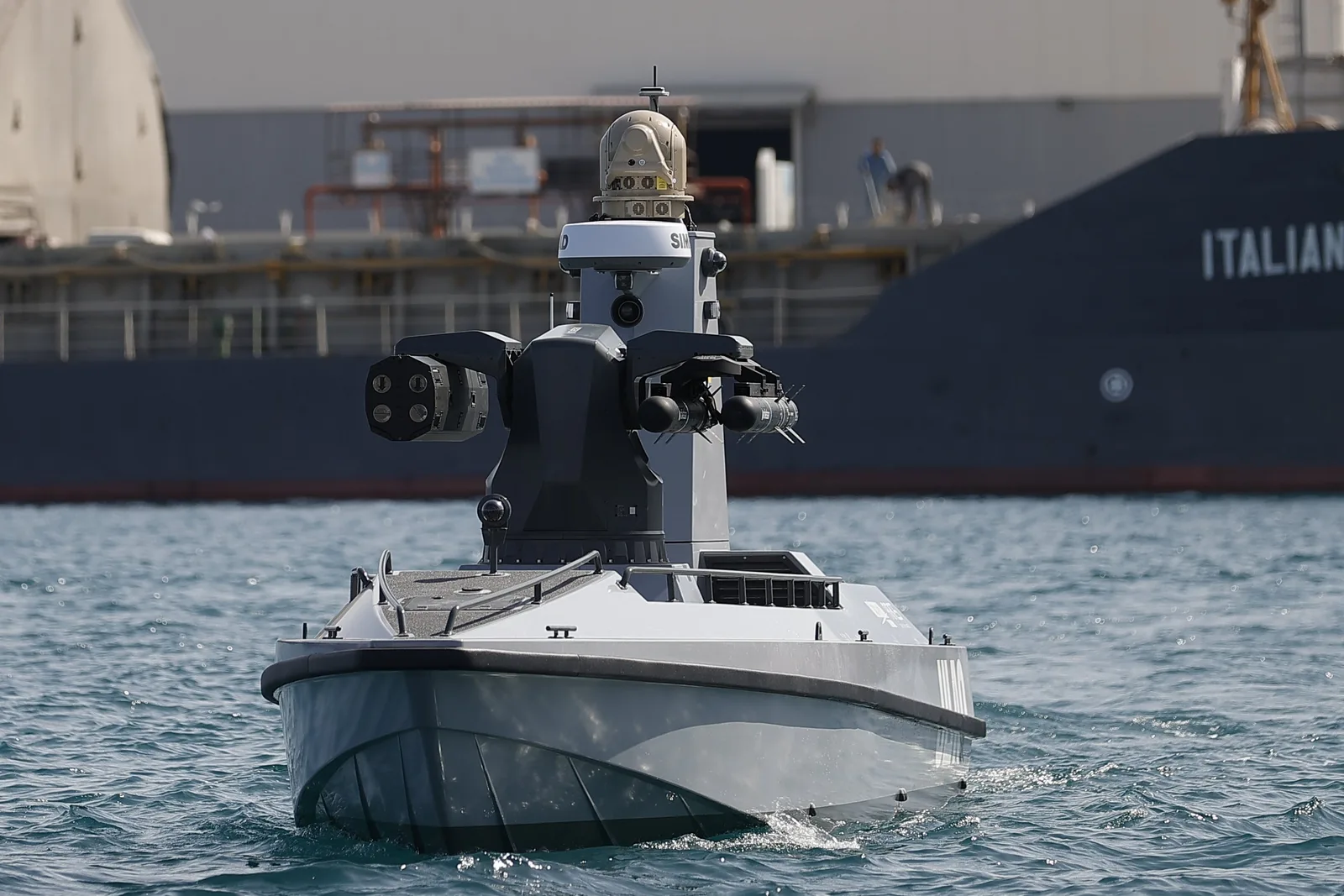
Türkiye's first USV ULAQ's anti-surface warfare (ASuW) version armed with guided rockets and missiles.
Türkiye's first USV ULAQ's anti-surface warfare (ASuW) version armed with guided rockets and missiles. (ULAQ Global)
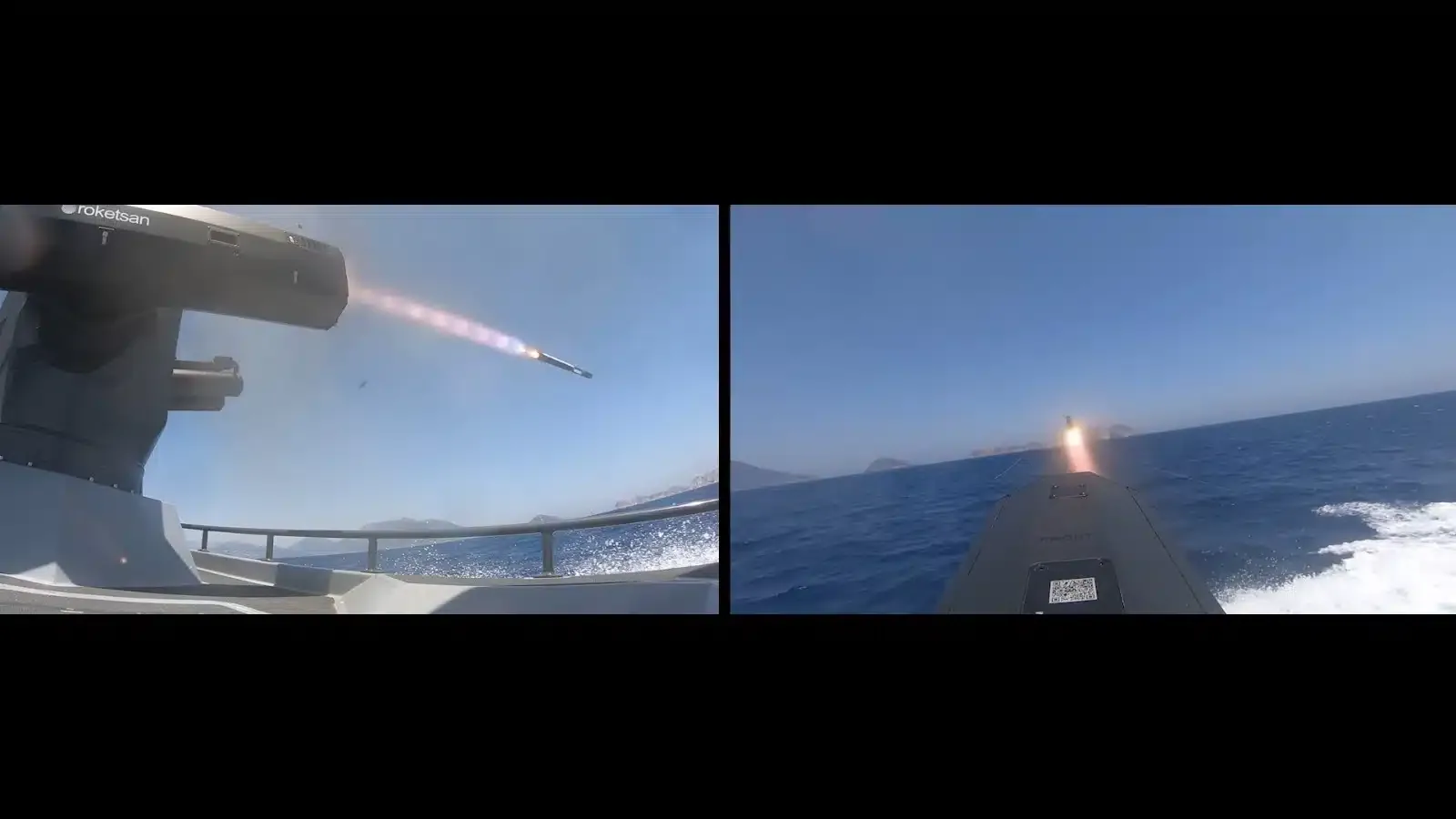
Screenshots from ULAQ's live guided rocket launch against a land target.
Screenshots from ULAQ's live guided rocket launch against a land target. (ULAQ Global)

The inevitability of machine-on-machine combat

Russia has attempted to adapt throughout the conflict with Ukraine. It has installed boom barriers and floating nets across the bays of Sevastopol, stepped up rotary-wing aerial patrols, and deployed first-person view (FPV) drones to intercept Ukrainian USVs at sea. Those early aerial drone strikes against USVs represented the initial phase of unmanned-on-unmanned combat.

The reported Sargan-3000 engagement marks the transition to direct surface-to-surface robotic combat. In this environment, counter-drone operations cannot rely entirely on static barriers or stand-off ship systems. Countering an adversary’s drone swarms will increasingly demand sending forward our own unmanned assets.

To assess the operational implications of this dynamic, Warsight spoke with Rear Admiral (Ret.) Hasan Özyurt of the Turkish Navy, who currently serves as Naval Systems Coordinator at ULAQ Global, the firm that developed Türkiye’s first armed and OWA USV platforms.

RAdm Özyurt approached the specific Black Sea clip with professional caution regarding its staging, but emphasised that the operational trajectory it represents is inescapable:

“When you remove the human from the combat area to a remote control centre, you remove the most decisive factor in your decision-making loop: the risk of loss of life. This is a profound advantage. When confronting a USV with a conventional, manned ship, you hesitate to close the distance because your priority is protecting your ship and personnel from onboard explosives or weapon stations. When two unmanned systems face each other, the priority of protecting personnel drops off the list entirely. What remains is protecting the platform – and in many cases, that will rank second behind mission execution, because unmanned systems stand at an attritable cost level compared to manned combatants.”

The tactical paradox of this new phase is striking. For decades, naval warfare moved toward over-the-horizon targeting, satellite-guided anti-ship missiles, and long-range stand-off engagements. Yet when unmanned platforms engage one another, combat ranges collapse back to point-blank encounters, as RAdm Özyurt noted:

“Instead of over-the-horizon targeting (OTHT), we will see extremely close-range engagements reminiscent of naval gunfire battles before the introduction of guided missiles. We can say that new technology is making old methods operational once again. To control the operational area, you will need a substantial fleet of USVs, because each target will need to be located individually and neutralised at close quarters.”

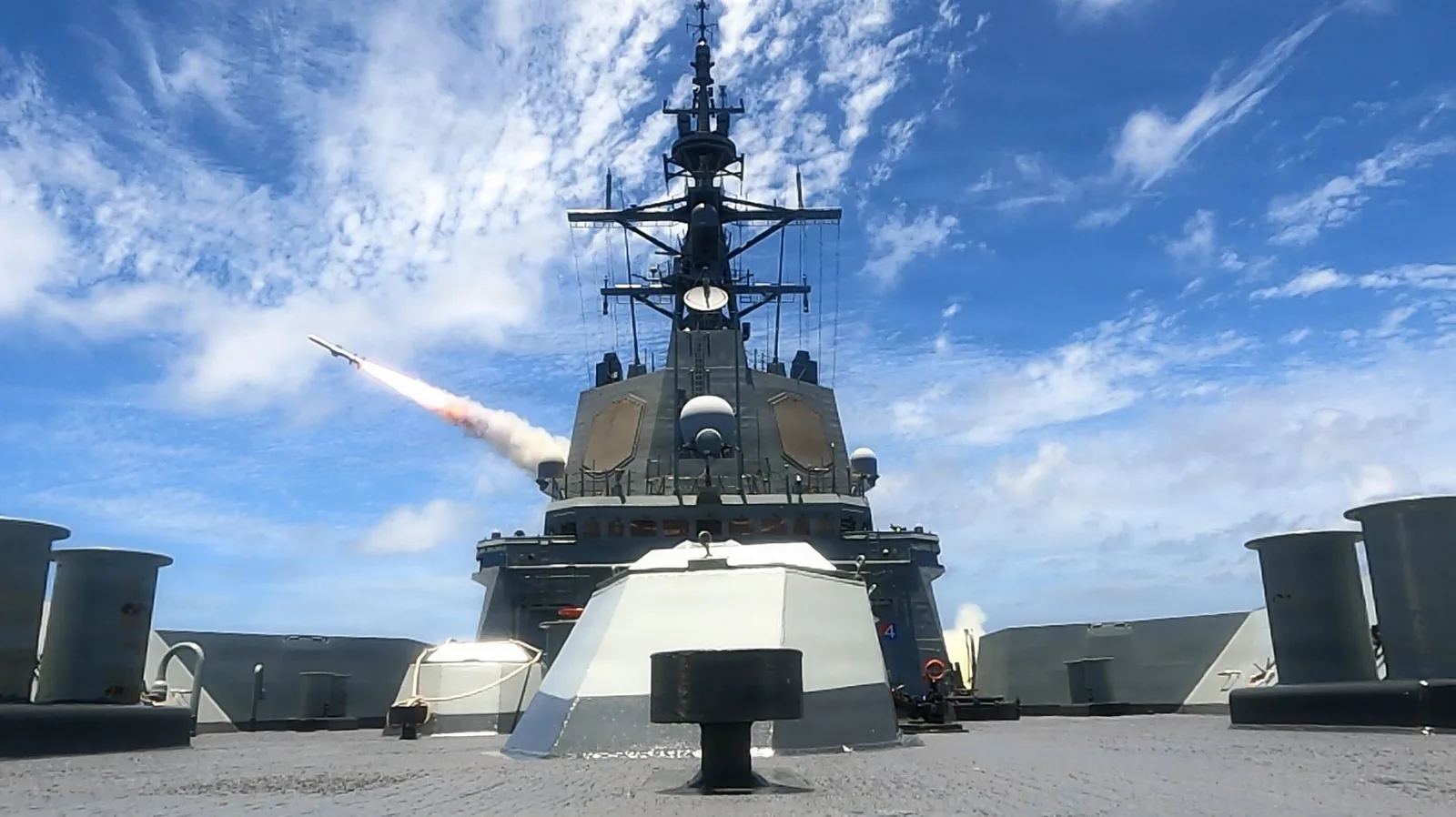
Spanish Navy Ship ESPS Alvaro De Bazan (F101) launches a Harpoon missile at the hulk of decommissioned Tarawa-class amphibious assault ship USS Peleliu (LHA 5) during a combined sinking exercise in the Pacific Ocean as part of RIMPAC 2026, on 17 July 2026. In USV-on-USV battles, OTHT may be replaced by much shorter-range engagements.
Spanish Navy Ship ESPS Alvaro De Bazan (F101) launches a Harpoon missile at the hulk of decommissioned Tarawa-class amphibious assault ship USS Peleliu (LHA 5) during a combined sinking exercise in the Pacific Ocean as part of RIMPAC 2026, on 17 July 2026. In USV-on-USV battles, OTHT may be replaced by much shorter-range engagements. (Spanish Navy)

Furthermore, as unmanned surface systems proliferate, the operational environment introduces complex legal and command challenges that peacetime navies have yet to fully resolve:

“Rules of engagement represent a much more contentious area. While they do not heavily alter courses of action against an adversary once full-scale war begins, how rules of engagement will apply to unmanned systems against third parties – and particularly during periods of tension prior to open hostilities – has not yet been adequately addressed by the law of armed conflict or by operational planners. Because the operational leeway provided by uncrewed platforms makes it easier to pull the trigger, a crisis that could normally be contained without escalating into a hot conflict could rapidly spin out of control into a strategic-level confrontation,” Özyurt said.

The need for a new architectural approach

Piecing together a defence against this threat requires looking far beyond standalone weapon mounts. Defeating an integrated uncrewed threat requires an equally integrated counter-drone architecture that fuses detection, electronic warfare (EW), and automated engagement into a unified decision cycle.

Radar cannot operate in isolation. In littoral environments, it must be automatically paired with high-definition optoelectronic infrared (IR) sensors equipped with computer-vision models capable of rapidly classifying low-profile hulls in heavy sea clutter.

As RAdm Özyurt pointed out, focusing on individual sensors misses the real operational challenge:

“Low freeboard, high speed, surface clutter, late detection, and swarming attacks are not distinct problems; they are different faces of the exact same challenge: the shrinking time budget remaining for the engagement loop… An integrated architecture must place its centre of gravity not on the sensor or the effector, but on the combat management layer that administers this time budget. The performance of individual sensors produces operational value only when synthesised into a recognised surface picture.”

Within this framework, non-kinetic measures must precede kinetic strikes. A remotely guided surface vessel is heavily dependent on datalinks, satellite communication (SATCOM), and positioning signals. EW does not always deliver an immediate, catastrophic hard-kill, but disrupting an inbound drone’s link, degrading its speed, or blinding its optronics immediately buys back precious minutes for the defence.

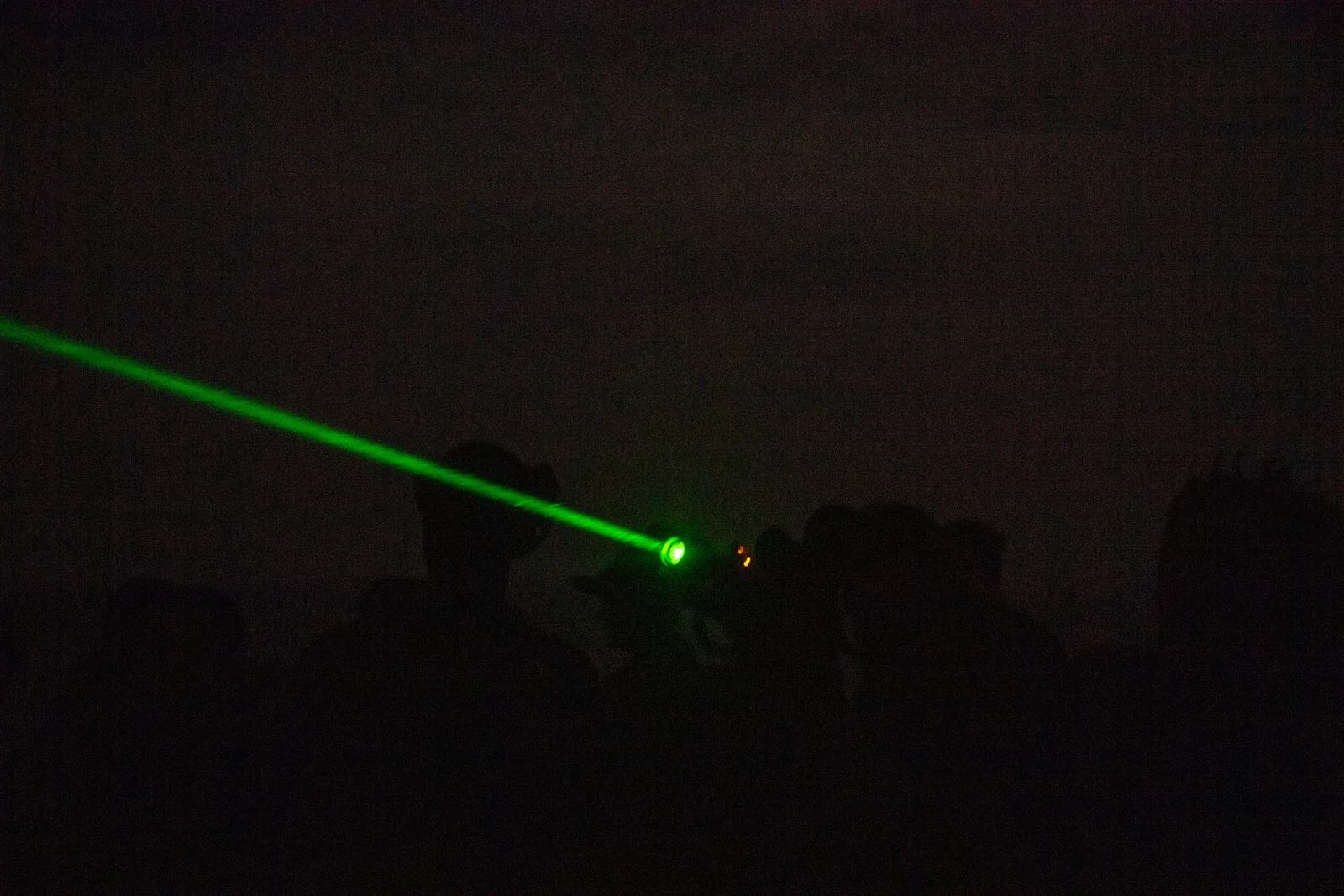
Sailors assigned to the forward-deployed amphibious landing dock ship USS Green Bay (LPD 20) use the LA9P laser dazzler during non-lethal weapons training. Dazzlers are a tool that could buy vessels precious time against USVs.
Sailors assigned to the forward-deployed amphibious landing dock ship USS Green Bay (LPD 20) use the LA9P laser dazzler during non-lethal weapons training. Dazzlers are a tool that could buy vessels precious time against USVs. (US Navy/MC2 Matthew Bakerian)

Crucially, modern tactics must also exploit off-board jamming. A warship that transmits high-power jamming directly from its main mast immediately reveals its position. With many modern anti-ship missiles and loitering systems incorporating home-on-jam logic, active shipboard jamming can turn a defender into an emitter beacon. Placing jammers and decoys on forward-deployed, attritable USVs redirects that vulnerability away from the manned ship, creating a dispersed electronic screen across the task group.

Admiral Özyurt notes that this spatial shift is the single most valuable contribution unmanned platforms make to EW:

“In electronic attack and off-board jamming, the gain is two-fold. The first is geometry: placing the jamming asset directly between the inbound threat and the protected unit yields an efficiency unattainable with an on-board system. The second, and more crucial, is emission control. An active jammer advertises its exact location. If a manned warship does this, it becomes a target; if an unmanned platform does it, only that platform is exposed. This does not eliminate risk–it transfers it to an acceptable, attritable location.”

Lessons from the Red Sea and Hormuz

The dynamics shaping the Black Sea are echoing across key global chokepoints.

In the Red Sea, the Bab el-Mandeb Strait became an operational headache when Houthi forces combined anti-ship ballistic missiles, aerial OWA drones, and remote-controlled explosive boats to threaten commercial shipping lanes. Despite the presence of advanced multi-national naval forces, multi-million-dollar air defence destroyers found themselves routinely expending high-end interceptors to defeat systems that cost a tiny fraction of their defensive inventory.

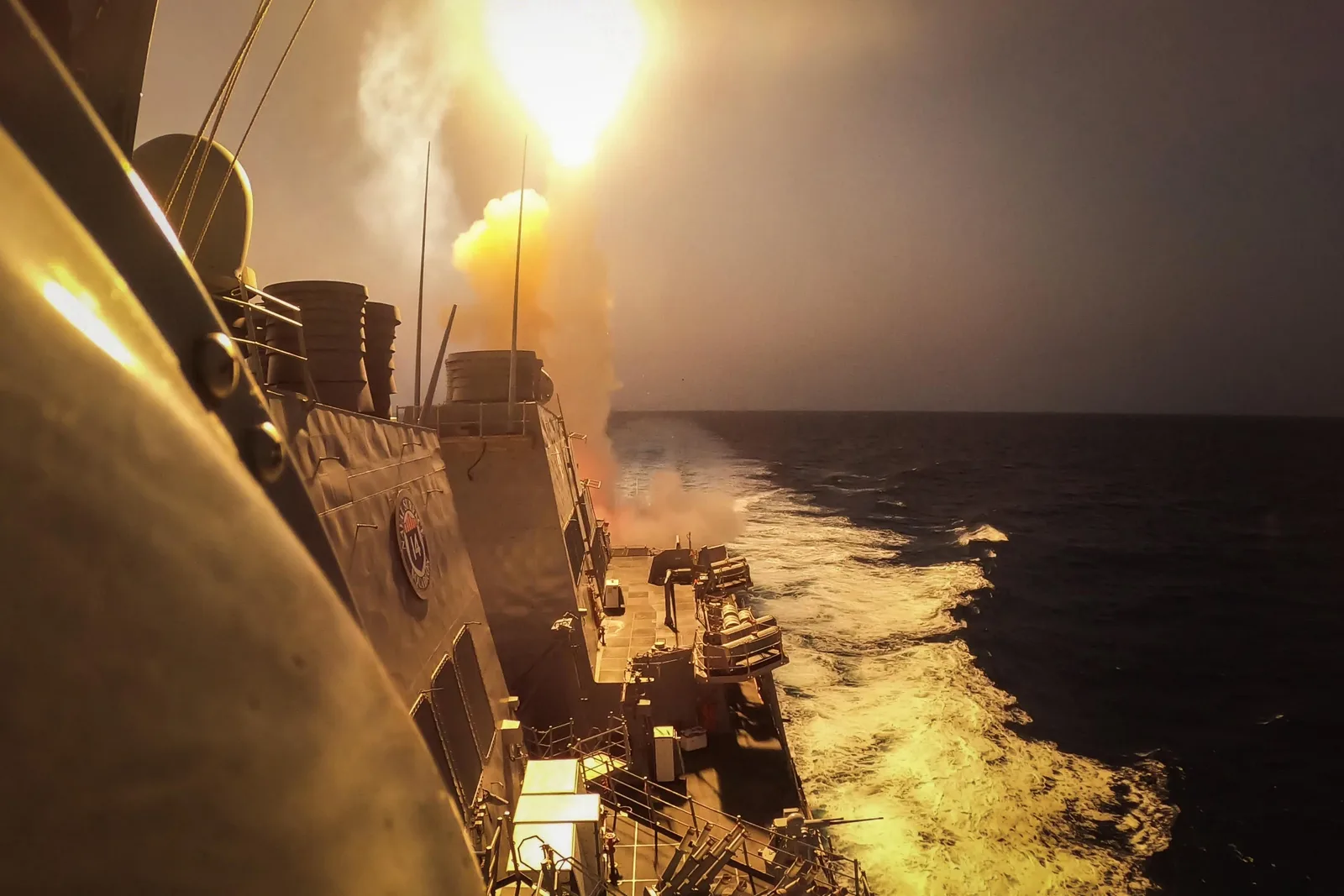
The Arleigh Burke-class guided-missile destroyer USS Carney (DDG 64) defeats a combination of Houthi missiles and unmanned aerial vehicles in the Red Sea, 19 October 2023.
The Arleigh Burke-class guided-missile destroyer USS Carney (DDG 64) defeats a combination of Houthi missiles and unmanned aerial vehicles in the Red Sea, 19 October 2023. (US Navy/MC2 Aaron Lau)

Similarly, the Strait of Hormuz presents a geography tailor-made for distributed, uncrewed platforms: confined waterways, intense merchant vessel traffic, and immediate proximity to shoreline infrastructure. In these narrow maritime corridors, the challenge is not just shooting down a target, but establishing high-speed, reliable identification in congested waters.

Maritime geography amplifies the leverage of low-profile uncrewed craft. The lessons being drawn from these theatres point toward the same reality: relying entirely on high-value, centralised combatants to control contested littoral corridors is becoming militarily and economically unsustainable. Distributed sea lanes require distributed, attritable security architectures.

The industrial disconnect: Building miniature frigates

Global defence exhibitions have responded decisively to these developments. From Euronaval in Paris to DIMDEX, DSEI and IDEF, exhibition floors are crowded with diverse USV designs alongside dozens of counter-drone platforms.

Yet much of the defence industry continues to approach the problem through a conventional lens: upgrading standard 12.7 mm or 30 mm RWSs with slightly faster tracking software, or outfitting unmanned hulls with costly military-grade components that drive unit costs into the millions of dollars.

Özyurt pointed out that this tendency risks invalidating the entire operational premise of uncrewed warfare:

“On the industrial side, everything revolves around a single tension: the platform must remain attritable, yet the sensors and effectors it carries are decidedly not attritable. Any concept that fails to resolve this tension ends up simply manufacturing a smaller, more fragile warship – which completely destroys the original cost-asymmetry argument. Furthermore, if a system’s qualification cycle takes three years, the threat will have evolved twice over within that same window.”

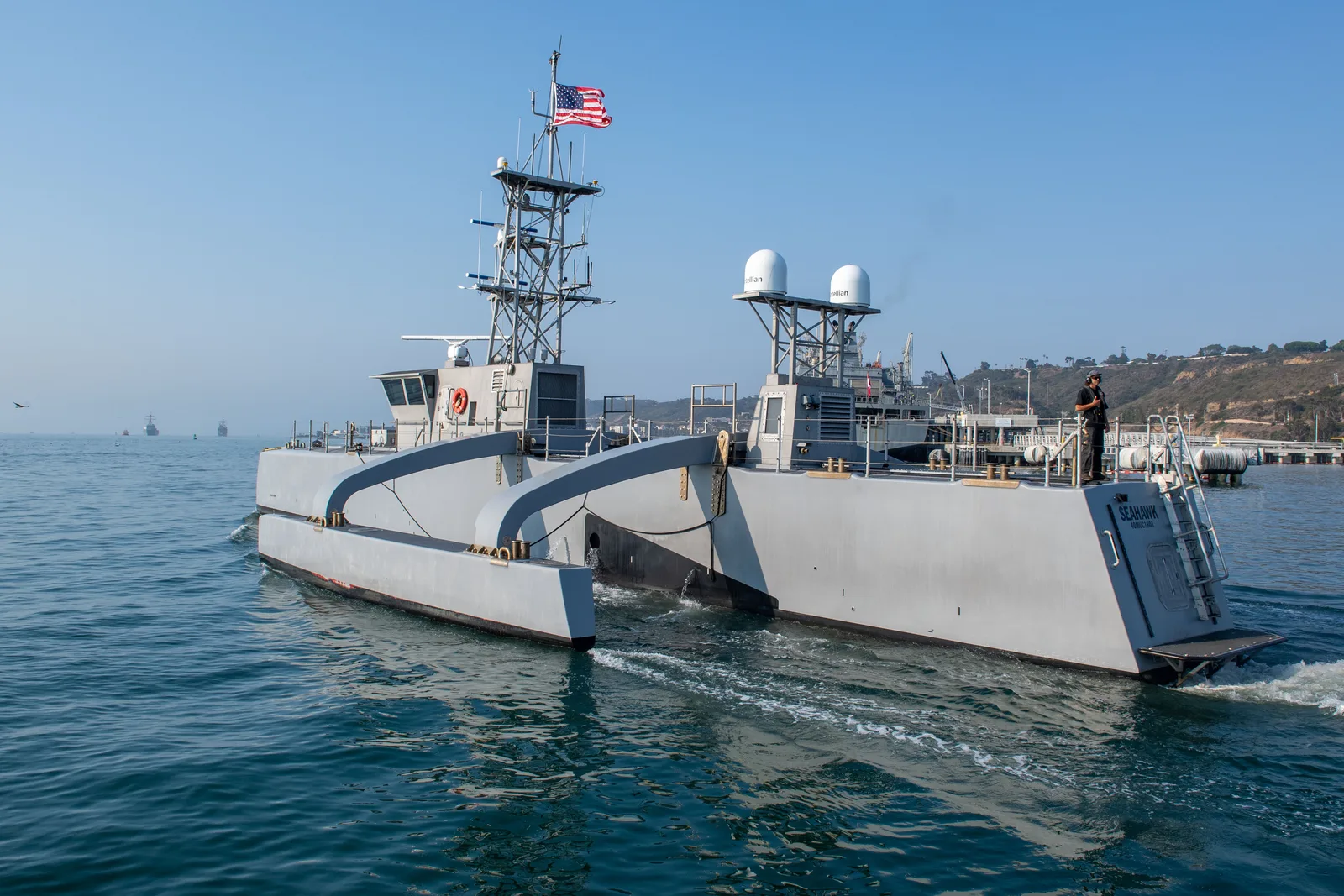
Seahawk, a Medium Unmanned Surface Vessel (MUSV) prototype, departs Naval Base Point Loma, California, 6 August 2025. As USVs increase in size and sophistication, they risk undermining their own cost asymmetry against traditional anti-ship weapons.
Seahawk, a Medium Unmanned Surface Vessel (MUSV) prototype, departs Naval Base Point Loma, California, 6 August 2025. As USVs increase in size and sophistication, they risk undermining their own cost asymmetry against traditional anti-ship weapons. (US Navy/MC1 Robert Zahn)

The real industrial and tactical challenge is not just constructing a composite hull with a weapon station. It is establishing the network architecture that allows multiple attritable platforms to share data without bandwidth saturation, coordinate automated target handoffs, and maintain stable fire control on high-speed planing hulls in challenging sea states.

Beyond engineering hurdles, navies face deep structural bottlenecks in doctrine and personnel:

“On the tactical side, the biggest obstacle is the doctrine vacuum. What is the command relationship of this uncrewed asset? Is it tethered directly to an individual ship or to an entire task group? With what pre-authorised rules of engagement is it dispatched into a contested sector, and how do we prevent blue-on-blue fratricide? None of these are hardware problems, and we cannot expect technology alone to resolve them. Moreover, the specialised training required for operators staffing remote operations centres remains an area that receives far too little attention today.” RAdm Özyurt underlined.

The era of algorithmic war

The Black Sea engagement is not a standalone tactical novelty; it is a clear indicator of the character of future maritime conflict.

As crewless vessels assume a wider spectrum of frontline tasks–from forward scouting and off-board EW to escort screening and kinetic interception–naval battles will look less like traditional duels between flagship formations. Instead, they will increasingly resemble distributed contests between opposing robotic networks.

Success in this operating environment will not belong solely to the navy with the heaviest armour or the most hulls. It will belong to the side that fields resilient data networks, manages operational risk through expendable platforms, and integrates algorithms capable of detecting, prioritising, and eliminating threats faster than human cognition alone can manage.

The transition from human-centred fleet skirmishes to machine-on-machine maritime engagements has begun. The machines have taken to the water, and the battle between them is already underway. They are not on the horizon, they are already here.

Share post

You may be interested in

Categories

All NewsSea

Used tags

Black SeaHormuzNaval WarfareRed SeaRussiaRussian NavyTurkish NavyTürkiyeUAVUkraineUkrainian NavyUSUS NavyUSVUxV

Similar posts