From Cold War tanks to modern FSVs: The Brazilian Army’s search for new armour

As Brazil seeks to replace its ageing tank fleet, lighter and more flexible platforms are emerging as a potential solution. Yet as the requirements of modern warfare continue to evolve, the balance between acquisition cost, mobility, firepower and survivability raises important questions about whether an FSV can truly meet the force’s future needs.

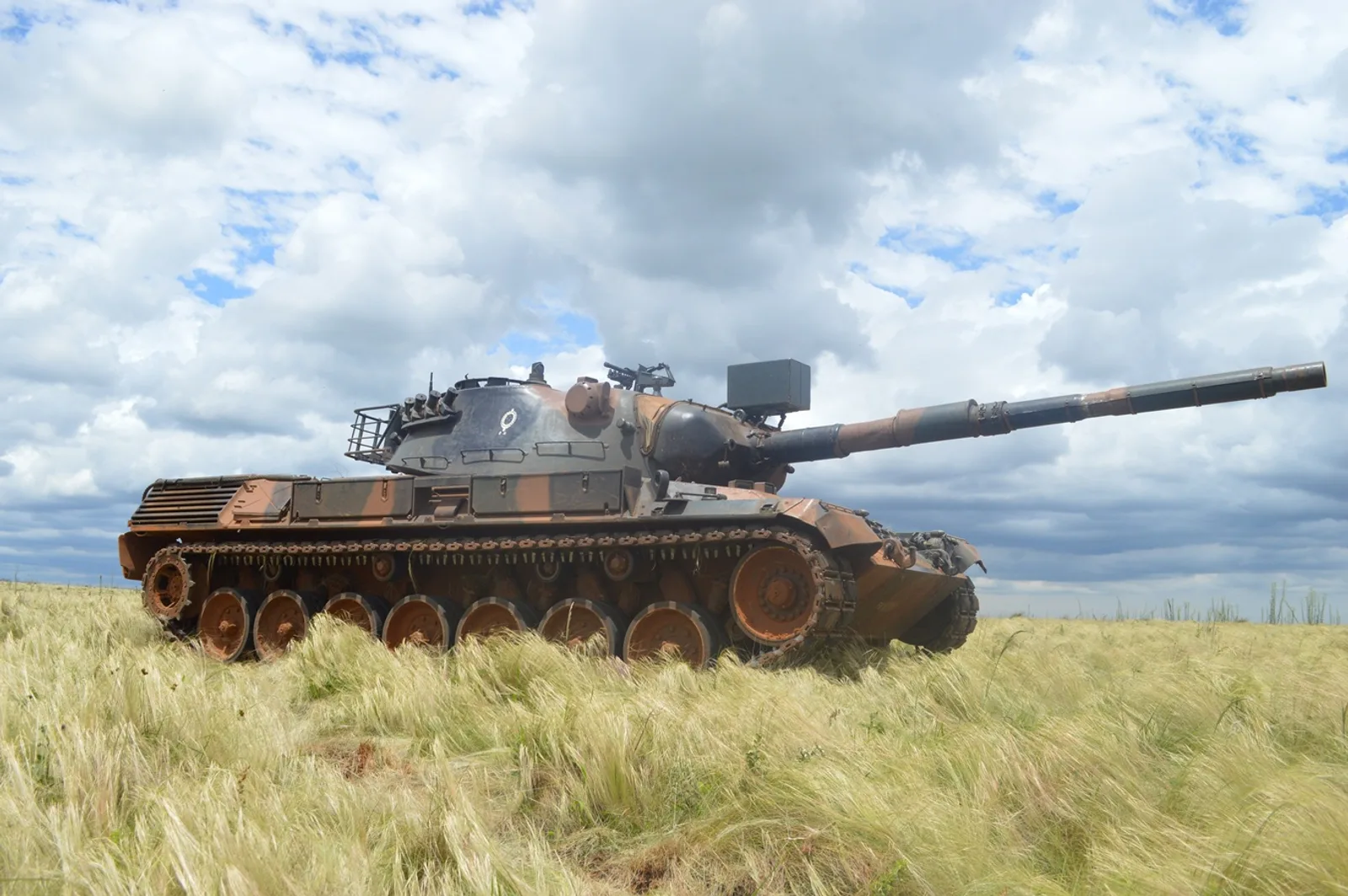
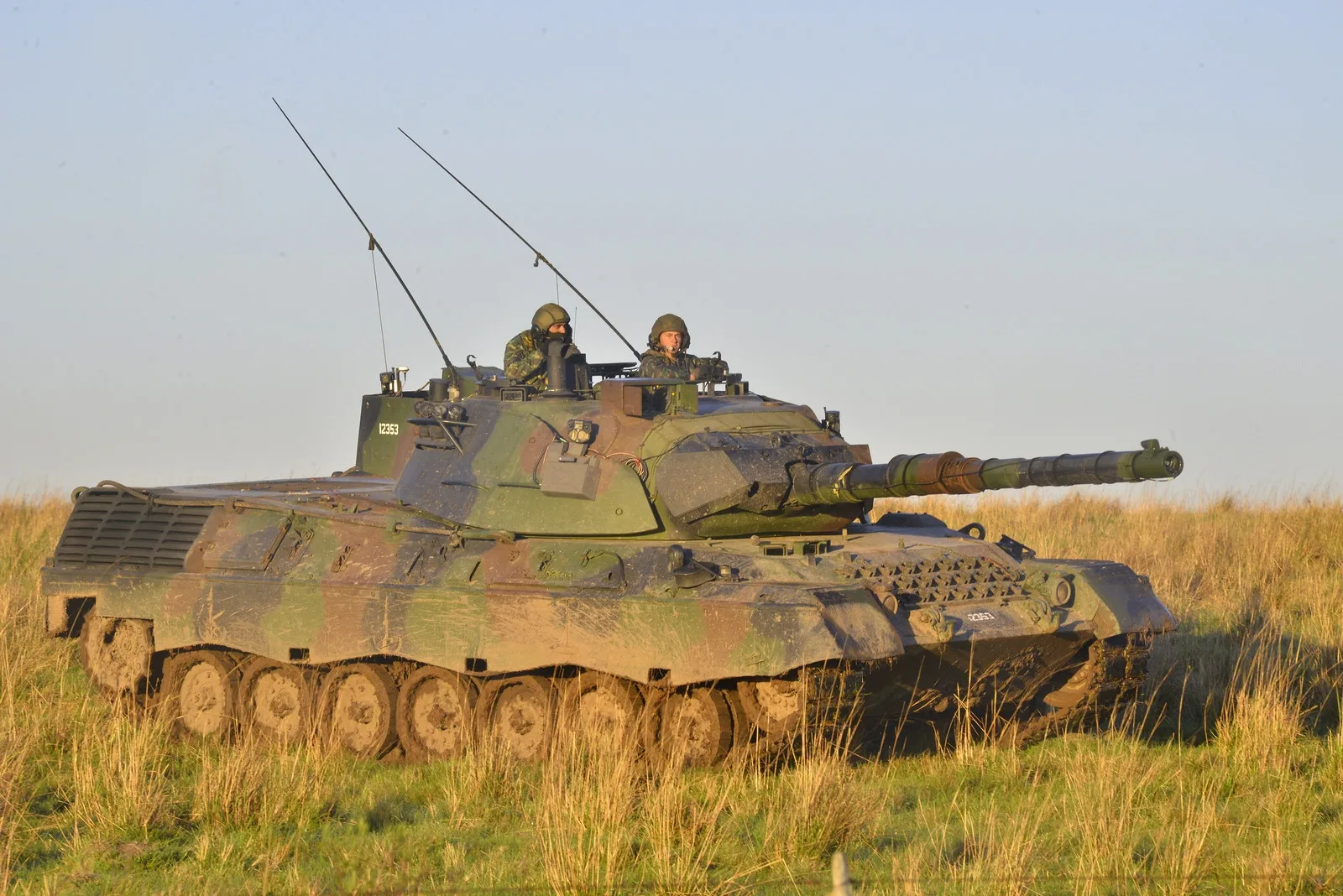
The Leopard 1A5BR entered service with the Brazilian Army in 2009.
The Leopard 1A5BR entered service with the Brazilian Army in 2009, with the final batch being delivered in 2012, and currently forms the backbone of its armoured forces. (Brazilian Army)
Gabriel Ribas

The Brazilian Army has never operated a true modern main battle tank (MBT). For much of the 20th century, its armoured forces were reliant on outdated vehicles – a trend that has broadly continued into the present, despite various efforts made over the years to address the problem.

During the 1990s, the Brazilian Army relied heavily on the M41C ‘Caxias’ as its main tank model. The M41 ‘Walker Bulldog’ design had originally been developed in the late 1940s and Brazil’s M41s were modernised to the M41C standard during the 1980s by Bernardini S/A at the request of the Brazilian Army. These were intended to serve as a stopgap until the arrival of a new domestically developed medium tank, the MB-3 ‘Tamoyo’.

The Tamoyo began development in 1979 by the Centro Tecnológico do Exército (CTEx; Army Technology Centre) and Bernardini, as a response to the Tanque Argentino Mediano (TAM; ENG: Argentine Medium Tank).

In 1988, the Tamoyo I medium tank prototype failed its trials and was subsequently cancelled due to a lack of funding to address mobility-related issues and continue the programme, after approximately USD 7 million had been spent on its development (equivalent to approximately EUR 17 million today).

Part of the experience gained by Bernardini during the Tamoyo I programme contributed to the development of the Tamoyo III MBT, a much more advanced and capable vehicle developed for export under the company’s own initiative, with its first and only prototype completed in 1989.

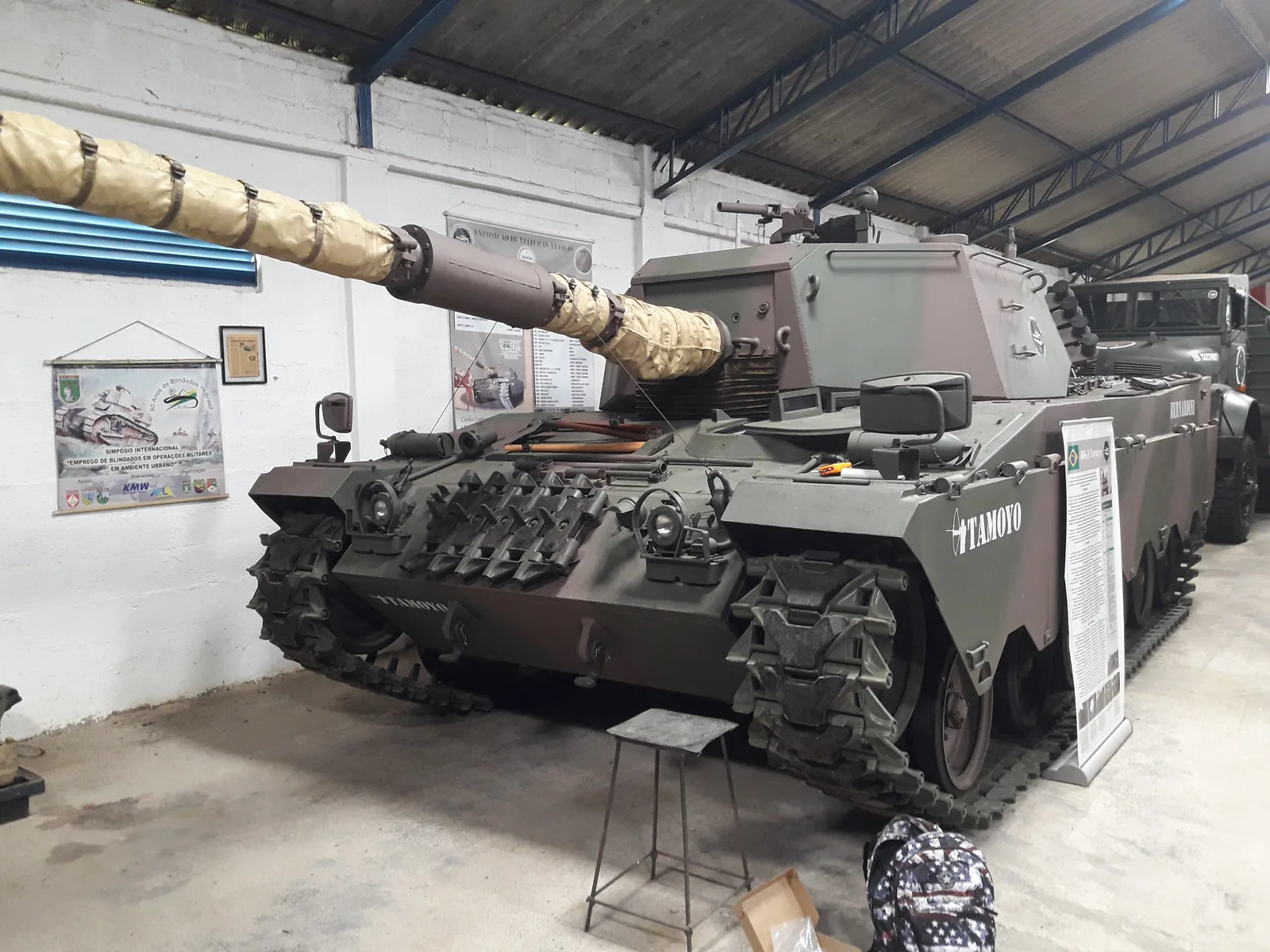
The only Tamoyo III prototype was auctioned, acquired and restored in 2016 by the private Carlos Combat Cars Museum in Jundiaí, São Paulo. Despite sharing the same name, its only other feature in common with the Tamoyo I and II prototypes developed under the Army programme was the suspension.
The only Tamoyo III prototype was auctioned, acquired and restored in 2016 by the private Carlos Combat Cars Museum in Jundiaí, São Paulo. Despite sharing the same name, its only other feature in common with the Tamoyo I and II prototypes developed under the Army programme was the suspension. (Darren Hazes)
Registration plate of the Tamoyo III prototype.
Registration plate of the Tamoyo III prototype. (Darren Hazes)

Bernardini attempted to offer the Tamoyo III to the Brazilian Army in 1993. However, the vehicle was rejected due to its heavy reliance on imported components, including the main gun, fire-control system, engine, transmission and other systems.

At the time, the Army was facing a severe budgetary crisis while also requiring new tanks. As a result, both the Army and the Ministry of Defence (MoD) launched their own initiatives to acquire replacements for the M41C.

The Brazilian Army focused on Europe, specifically Belgium, negotiating the purchase of 128 Leopard 1BEs from Belgian Army stocks in 1996 for USD 25.6 million (equivalent to approximately EUR 48.2 million today), using a strategic procurement fund allocated for the emergency acquisition of new tanks.

At the same time, the MoD focused on North America, acquiring 91 M60A3 TTS tanks from the US through the Foreign Military Sales (FMS) programme for a total of USD 12 million (equivalent to approximately EUR 22.5 million today). The vehicles were received at roughly the same time, between 1996 and 1997.

The acquisition of these models represented a major operational and doctrinal leap for the Brazilian Army, as the force had not previously operated anything of comparable sophistication. The M60A3 was, in particular, The most advanced tank in Latin America at the time, introducing capabilities previously unseen in Brazilian Army service, including the AN/VSG-2 thermal sight, ballistic computer and laser rangefinder. In practical terms, this amounted to a modern fire-control system (FCS).

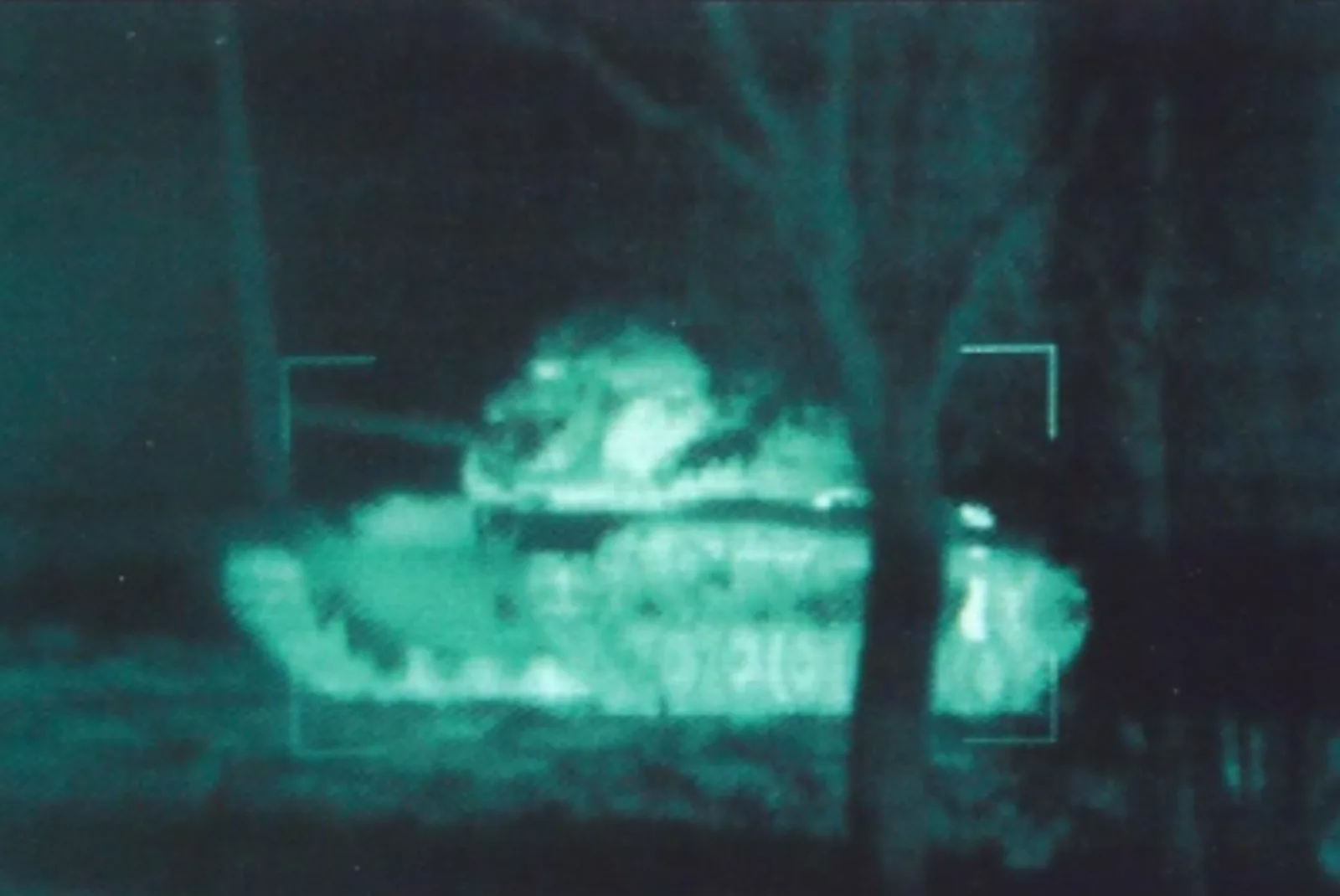
The AN/VSG-2 thermal sight gave Brazilian gunners the ability to engage targets through fog, dust and smoke, both day and night — a capability previously unavailable in Brazilian Army service.
The AN/VSG-2 thermal sight gave Brazilian gunners the ability to engage targets through fog, dust and smoke, both day and night — a capability previously unavailable in Brazilian Army service. (Carlos Stephani Bastos)

Even with these important advances, none of these vehicles was acquired with a robust and effective logistical support or life extension programme. The M60A3, for example, was delivered with a large stock of spare parts, but with significant inconsistencies in their distribution, resulting in an excess of parts in some areas and shortages in others. This ultimately made maintenance increasingly difficult as the years passed.

As the Leopard 1BE had become the Army’s primary vehicle of its type, it was decided in 2006 to replace them with the Leopard 1A5. Brazil purchased 220 Leopard 1A5s and at least 20 Leopard 1-based support vehicles from the German Army, at a cost of EUR 7.985 million (equivalent to approximately EUR 11.6 million today). According to The Military Balance 2026, Brazil’s in-service Leopard 1-based support vehicles presently include 13 Bergepanzer 2 armoured recovery vehicles (ARVs), 5 Pionierpanzer 2 Dachs armoured engineering vehicles (AEVs), and 5 Panzerschnellbrücke Biber armoured vehicle launched bridges (AVLBs).

From 2012 onwards, as part of the Leopard 1A5 deployment plan, 74 Leopard 1BEs were dismantled for use as spare parts, 12 were preserved as historical vehicles, and one was donated. The remaining 41 vehicles were refurbished and delivered to Brazil’s 4th, 6th and 9th Regimentos de Cavalaria Blindados (RCB; ENG: Armoured Cavalry Regiments).

In April 2026, the Brazilian Army approved the Leopard 1BE decommissioning plan, leaving the RCBs mentioned above dependent on Leopard 1A5s urgently transferred from tank regiments of the armoured forces, which are significantly heavier brigades primarily operating tracked vehicles.

The M60A3 suffered a similar fate, with some vehicles being used for spare parts or preserved as monuments, while the remainder were transferred to the 20th RCB. Warsight sources put the number of M60A3s remaining in the regiment inventory at 32 vehicles, with a smaller number of vehicles operational.

A Leopard 1BE in Brazilian Army service. RCBs are subordinate to mechanised infantry brigades, which typically operate wheeled vehicles. However, these brigades require tracked shock-action units capable of breaching enemy positions, exploiting gaps and holding ground until armoured forces arrive, typically using tanks and APCs, and in the future IFVs.
A Leopard 1BE in Brazilian Army service. RCBs are subordinate to mechanised infantry brigades, which typically operate wheeled vehicles. However, these brigades require tracked shock-action units capable of breaching enemy positions, exploiting gaps and holding ground until armoured forces arrive, typically using tanks and APCs, and in the future IFVs. (Brazilian Army)
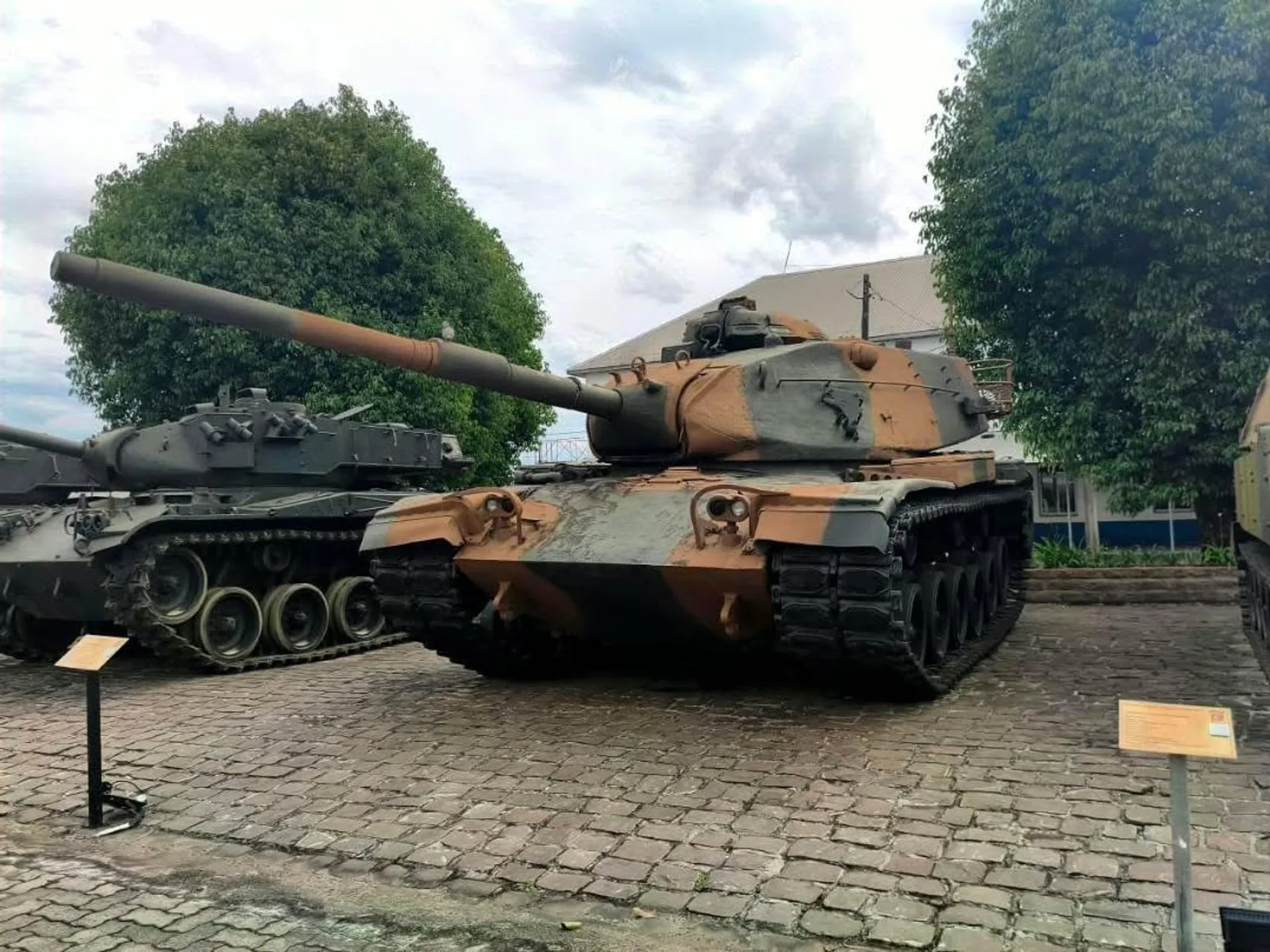
M60A3 preserved as a monument at the Escola de Aperfeiçoamento de Sargentos das Armas (EASA; ENG: Sergeant Improvement School), based in Cruz Alta, Rio Grande do Sul.
M60A3 preserved as a monument at the Escola de Aperfeiçoamento de Sargentos das Armas (EASA; ENG: Sergeant Improvement School), based in Cruz Alta, Rio Grande do Sul. (Fernando Oliveira)

The search for a new tank

Although the acquisition of the Leopard 1A5 from Germany was this time accompanied by logistical support and fleet life-cycle planning through to 2027, including the construction of a KMW factory in Santa Maria, Rio Grande do Sul (now a KNDS subsidiary), which was intended to have access to large stocks of spare parts and was also expected to be capable of carrying out Leopard 1A5 maintenance, as well as Leopard 2 maintenance and refurbishment in the future.

In fact, even at the time of the Leopard 1A5 acquisition, the Brazilian Army’s plan was to eventually acquire a Leopard 2 variant during the 2020s, as it was expected that many vehicles would become available as European armies reduced the size of their tank fleets. This plan was ultimately disrupted by Russia’s 2014 invasion and illegal annexation of Crimea, which prompted increased defence spending among NATO members and reduced the availability of surplus Leopard 2s on the European market.

Another aggravating factor was the cost of maintenance through KNDS. Although logistical support and spare parts were available at the facility, with KNDS responsible for specific maintenance activities and the supply of certain parts, the costs ultimately fell on the Brazilian Army. This was compounded by restrictions on the acquisition of spare parts, including a planned stock worth approximately EUR 8 million that was ultimately not purchased due to budgetary constraints. These factors, alongside shortages of qualified maintenance personnel within the Brazilian Army and other technical issues, contributed to declining fleet availability over the years.

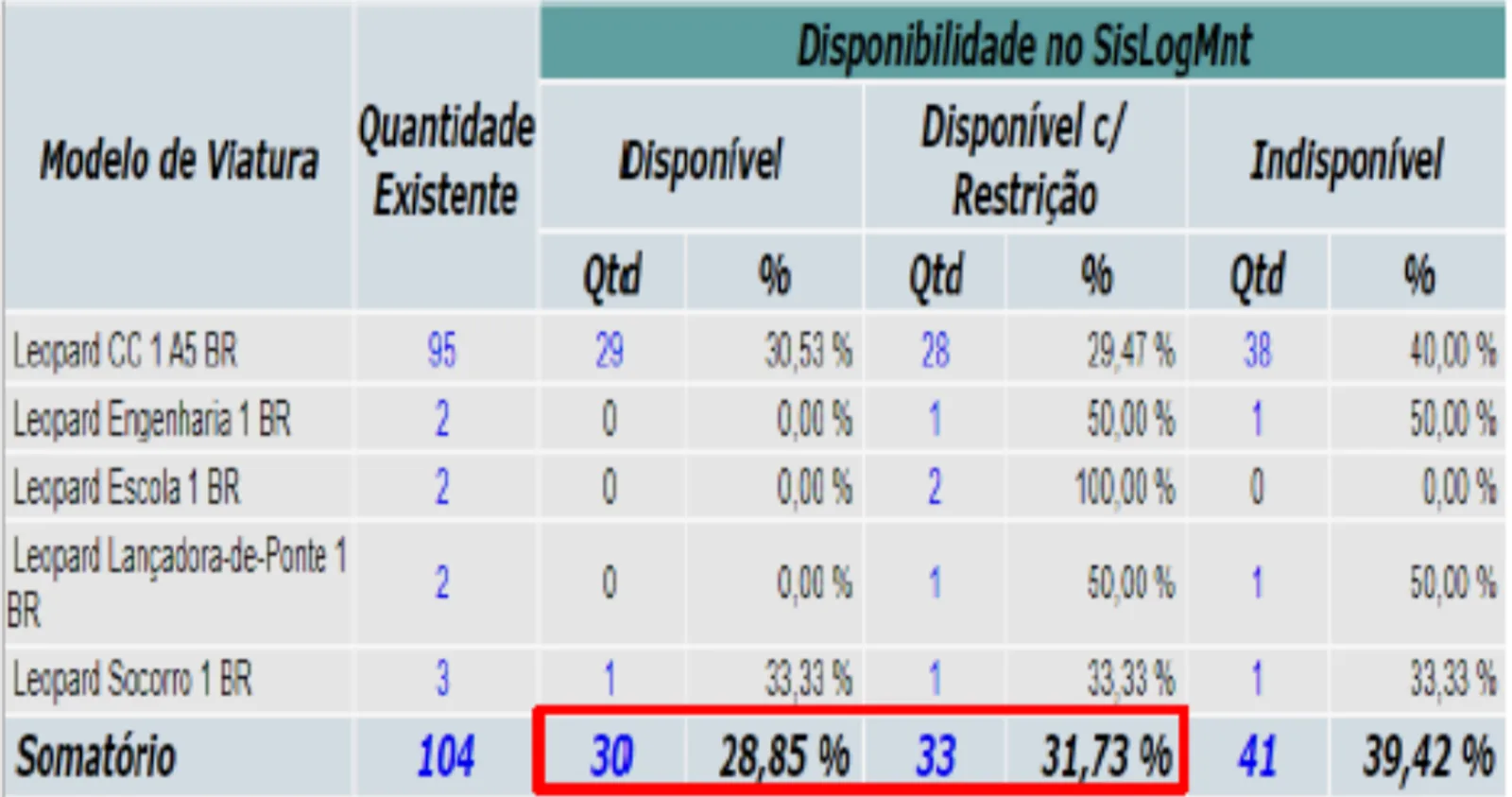
The availability index of the 6th Armoured Infantry Brigade shows that, in February 2022, only 29 of the brigade’s 95 Leopard 1A5s were available for unrestricted use.
The availability index of the 6th Armoured Infantry Brigade shows that, in February 2022, only 29 of the brigade’s 95 Leopard 1A5s were available for unrestricted use. (Brazilian Army)

Amid these and other difficulties within the force, in 2019 the Army General Staff established a multidisciplinary working group through Ordinance No. 162-EME, known as the GT Nova Couraça (New Armour Working Group). It was tasked with conducting a series of studies on proposals and the acquisition of new equipment, including the potential acquisition of a batch of Marder 1A3 or 1A5 infantry fighting vehicles (IFVs). This was later superseded by the concept of M113s equipped with the REMAX 4 remote weapon station (RWS), intended to serve as an interim solution while helping to develop doctrine until an IFV was selected, although these M113s have not yet entered service.

It was within this group of studies that the foundations of what we see today first emerged: a platform weighing up to 50 tonnes, armed with a 120 mm gun, but expected to provide frontal protection comparable to that of contemporary MBTs at the time. In practice, trying to combine these three requirements into a single platform was obviously impossible.

Following this clear limitation, in December 2022 the Army General Staff established a dedicated study group to plan for the initial acquisition of up to 78 IFVs and 65 tanks. The group was also tasked with assessing whether both vehicles could share a common platform, with the study essentially leaning towards the concept of a so-called ‘medium main battle tank’ (MMBT), sometimes referred to as a ‘light tank’ – but most accurately as a fire support vehicle (FSV).

These vehicles are generally characterised by relatively light or medium-weight platforms, often based on IFV hulls, fitted with 105 mm or 120 mm guns. In practice, this configuration provides considerable doctrinal flexibility, allowing the vehicles to perform a range of roles. Early examples of this concept include Hägglunds’ (now part of BAE Systems) CV90105 TML, unveiled in 1994, and the CV90120, unveiled in 1998.

A more recent example was the General Dynamics Land Systems (GDLS) M10 Booker, unveiled in 2023, which shares several characteristics with this class of vehicle. However, despite its similar configuration and capabilities, it was not officially classified as a light tank, but rather as a mobile protected firepower platform intended primarily to provide direct fire against enemy fortifications and other targets, while retaining a secondary capability against armoured vehicles.

These kinds of platforms, however, are not ‘true’ tanks, and cannot replace modern, heavily-protected MBTs. Instead, they serve as doctrinally flexible platforms capable of fulfilling different types of tasks and battlefield requirements, while primarily serving in supporting roles.

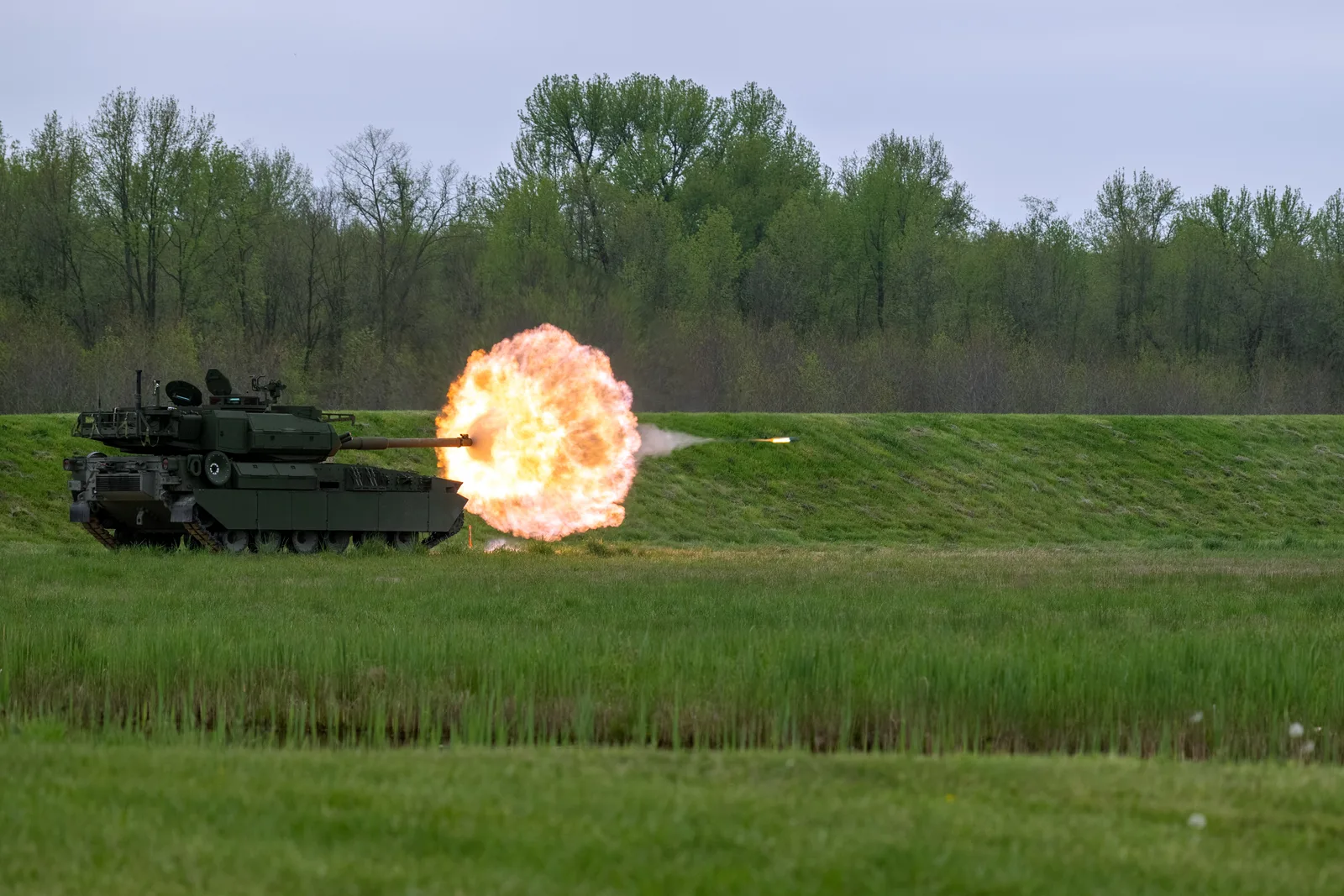
The M10 Booker was designed as an FSV, capable of providing powerful fire support against fortifications, buildings, trenches and other targets, with its anti-armour role being secondary due to doctrinal considerations.
The M10 Booker was designed as an FSV, capable of providing powerful fire support against fortifications, buildings, trenches and other targets, with its anti-armour role being secondary due to doctrinal considerations. (US Army/Christopher Kaufmann)

The group also studied whether the Leonardo HITFACT II turret, equipped with a high-pressure 120 mm gun and used on the Centauro IIBR, and the ARES UT30 Mk 2BR turret (Ares is an Elbit subsidiary, and this turret is a domestic variant of Elbit’s UT30 Mk 2 design) could be integrated onto these platforms to further improve logistical efficiency and reduce costs.

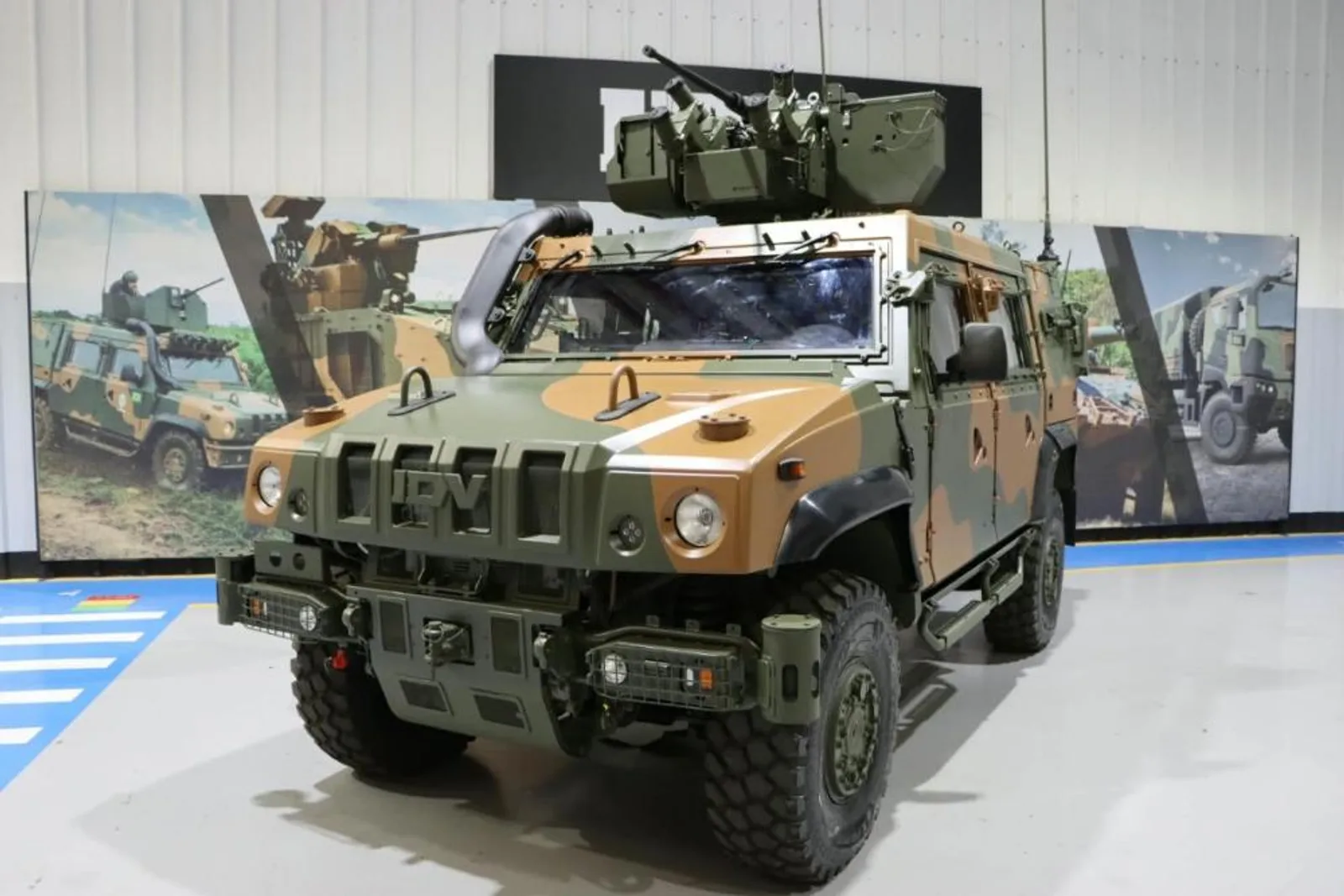
A major step forward came in August 2024 with the publication of the public consultation notice (Request for Information/Request for Quote — RFI/RFQ), which sought to survey the domestic and international market for potential suppliers of these new vehicle variants. Also, the programme was already incorporated into the Strategic Armoured Forces Programme, which aims to contribute to the transformation of the Brazilian Army’s Armoured and Mechanised Brigades through the coordinated acquisition of wheeled and tracked armoured combat vehicles. The programme also encompasses platforms such as the IDV LMV-BR2 ‘Guaicurus’ and Centauro IIBR, as well as weapon systems, command and control systems, logistical support and other capabilities.

The common platform requirement was already included in this RFI/RFQ. According to Tecnologia & Defesa (T&D), which contacted the Army’s Project Office, 11 companies from 10 countries responded to the notice, with four vehicles emerging as the principal contenders.

BAE Systems offered the CV90 and CV90120, specifically the Mk IV series platform for both the IFV and FSV requirements. The CV90120 is also being considered for service in Slovakia, where it is competing as a lighter and potentially lower-cost alternative to the Leopard 2A8.

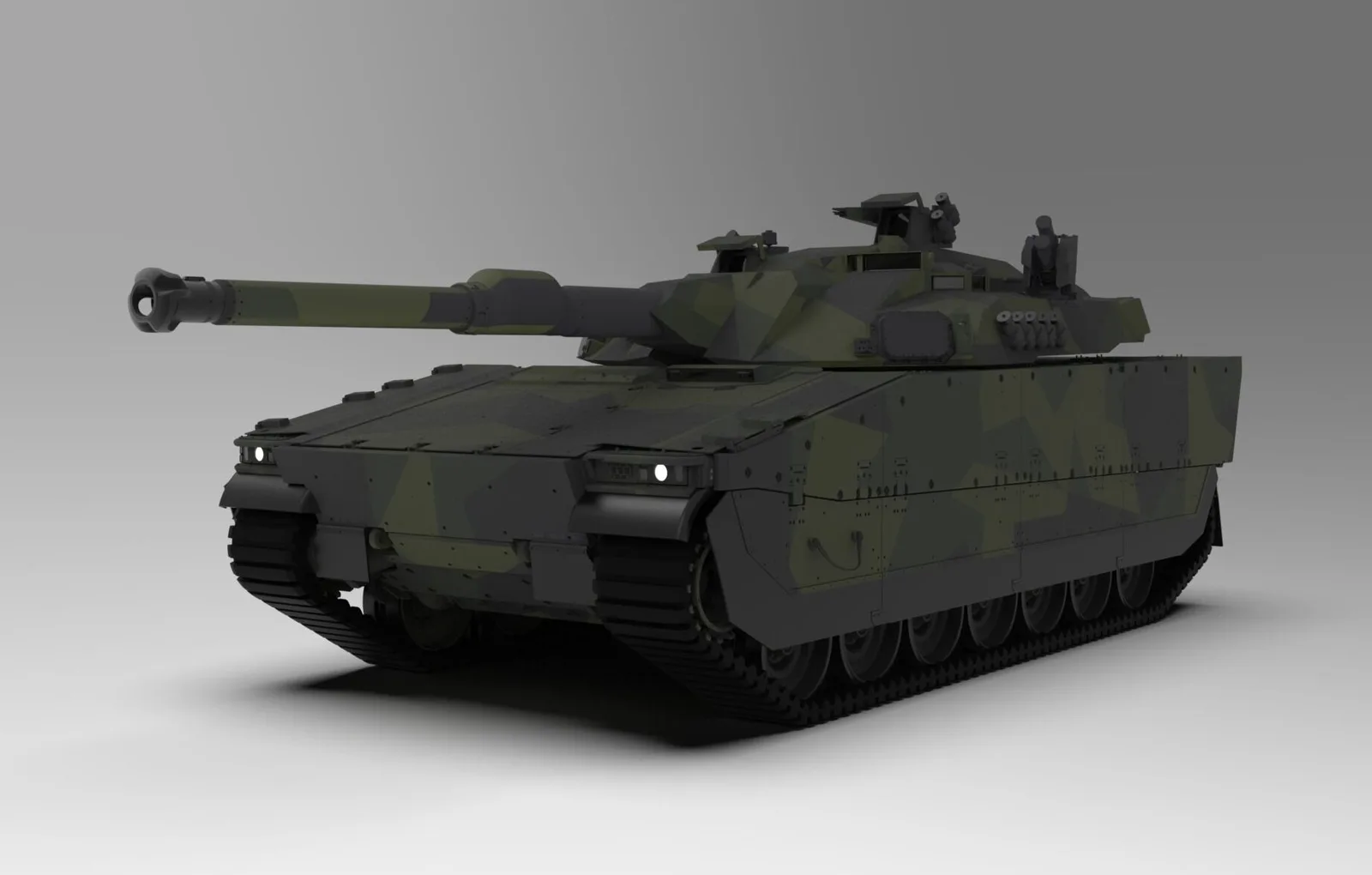
A CG render of the new CV90120 MkIV concept, equipped with a Rheinmetall L/44A1 120 mm gun.
A CG render of the new CV90120 MkIV concept, equipped with a Rheinmetall L/44A1 120 mm gun. (BAE Systems)

General Dynamics European Land Systems (GDELS) offered the ASCOD (Heavy), with the company proposing full integration of both the HITFACT II and UT-30MK IIBR turrets.

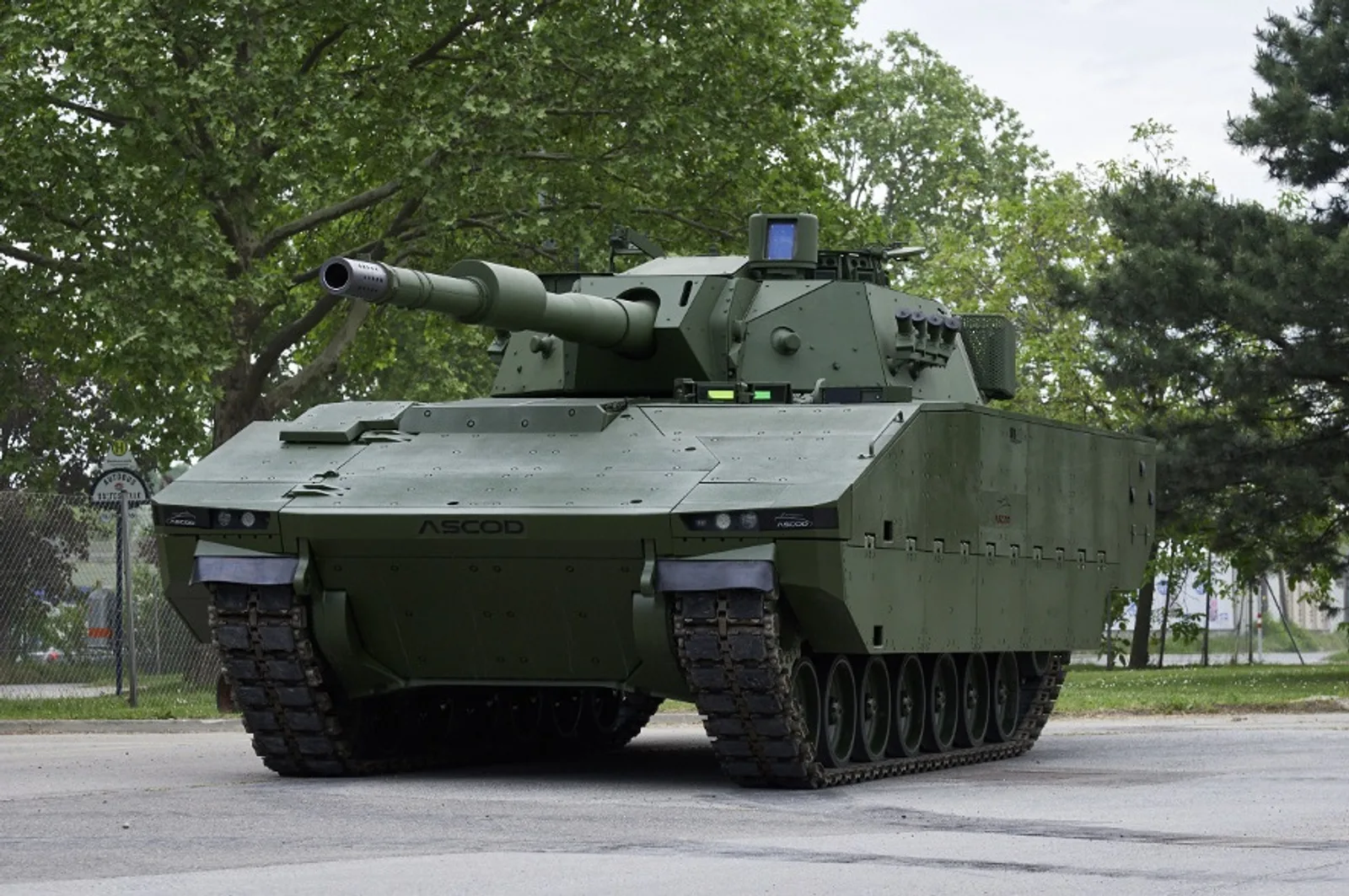
ASCOD (Heavy) equipped with the HITFACT 120 turret, not to be confused with the more recent HITFACT II.
ASCOD (Heavy) equipped with the HITFACT 120 turret, not to be confused with the more recent HITFACT II. (GDELS)

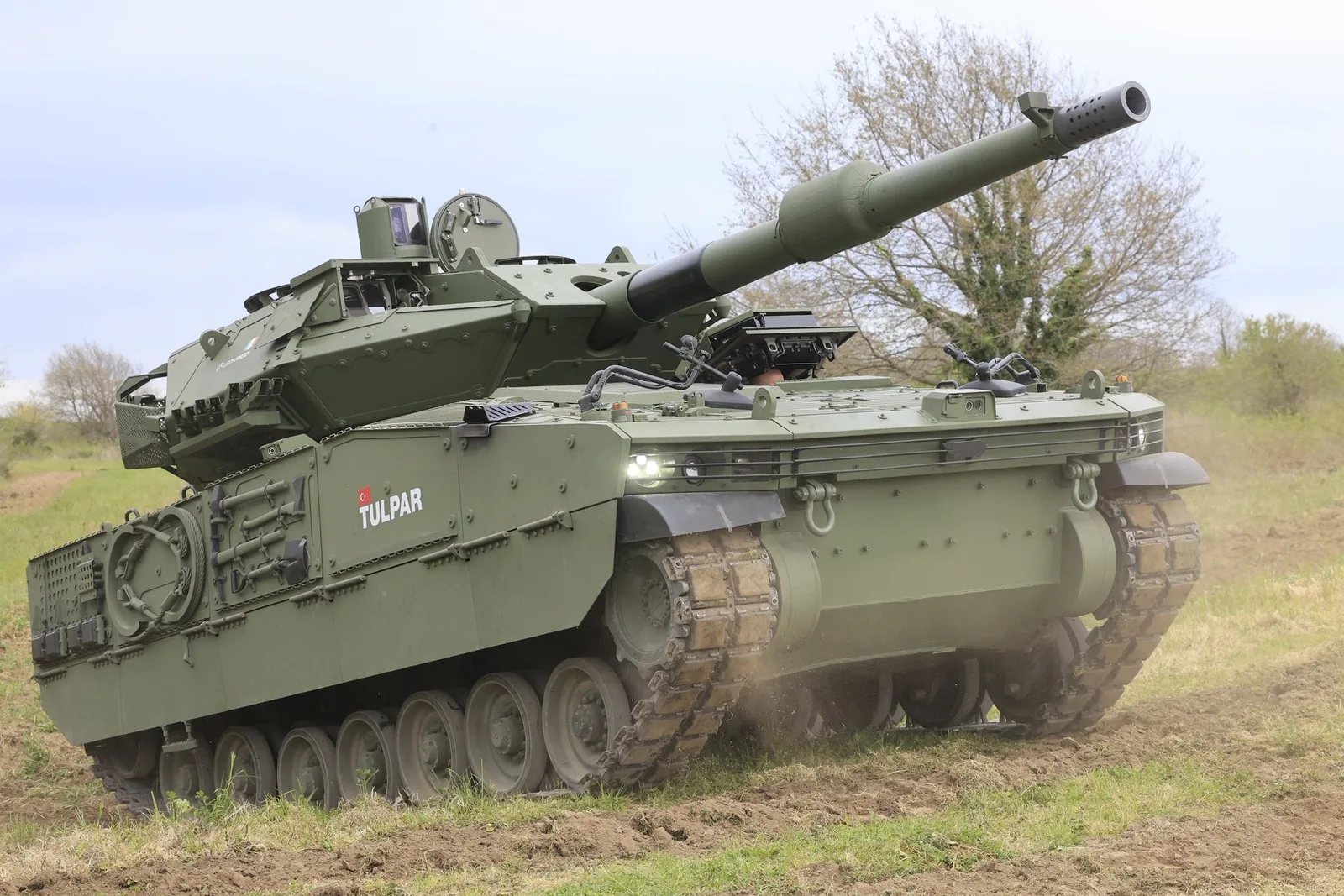
Otokar offered its Tulpar, also with the HITFACT II and UT30 Mk 2BR turrets. Unlike the other contenders, however, Otokar offered a 100% technology transfer, including the transfer of intellectual property rights and full domestic production of the vehicle.

Tulpar is one of the few contenders to have been publicly shown integrated with the HITFACT II turret.
Tulpar is one of the few contenders to have been publicly shown integrated with the HITFACT II turret. (Otokar)

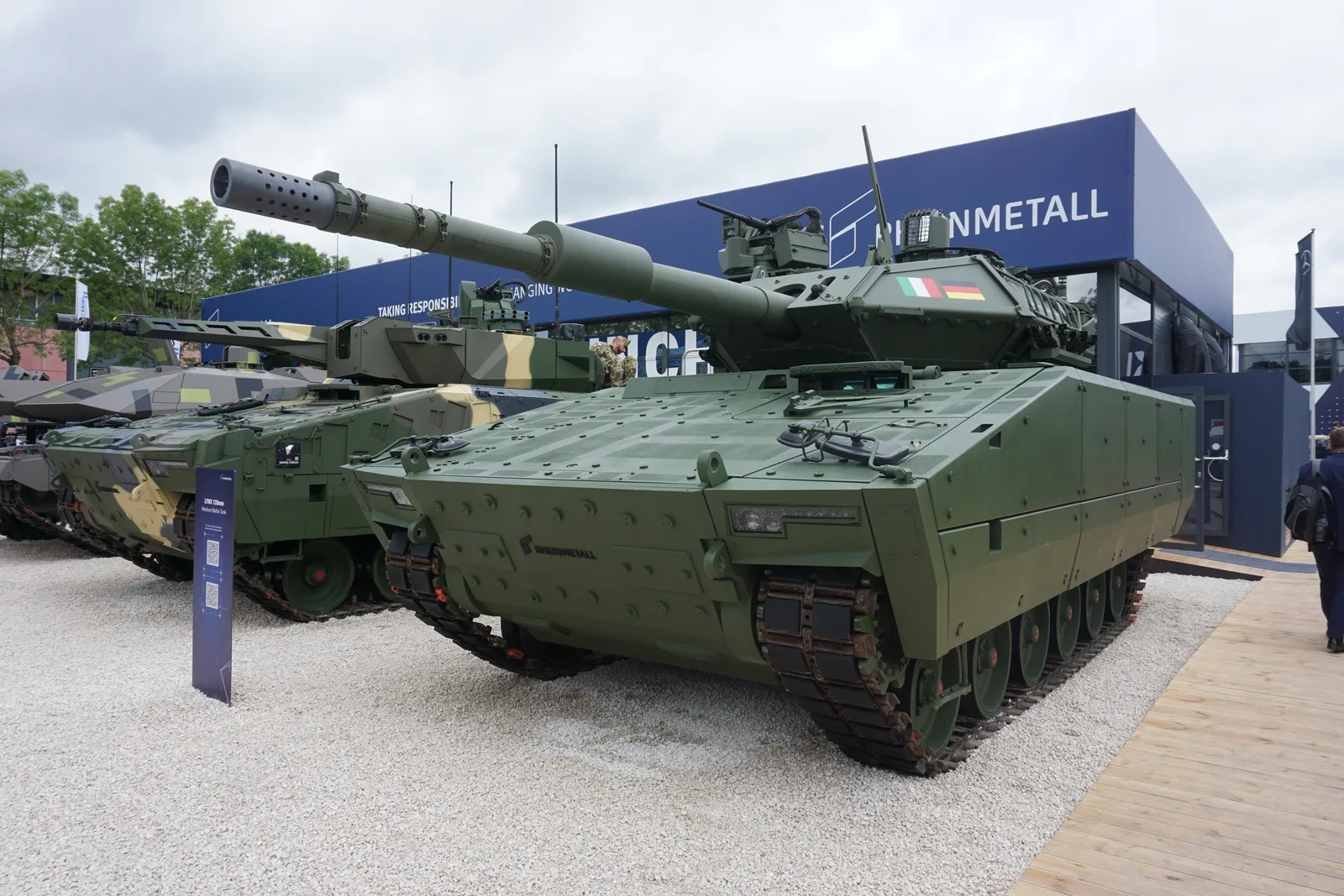
Rheinmetall offered the KF41 Lynx equipped with the HITFACT II turret, alongside two turret options for the IFV variant: Lance, equipped with the Bushmaster II Mk44 30 mm automatic cannon – the same weapon used by the UT-30BR/BR2 on the Guarani, not to be confused with the considerably heavier UT-30MK IIBR — or the Rheinmetall MK30-2/ABM 30 mm automatic cannon. The company also offered the Skyranger 30 KCE turret.

KF41 Lynx displayed equipped with the HITFACT II turret.
KF41 Lynx displayed equipped with the HITFACT II turret. (Mark Cazalet)

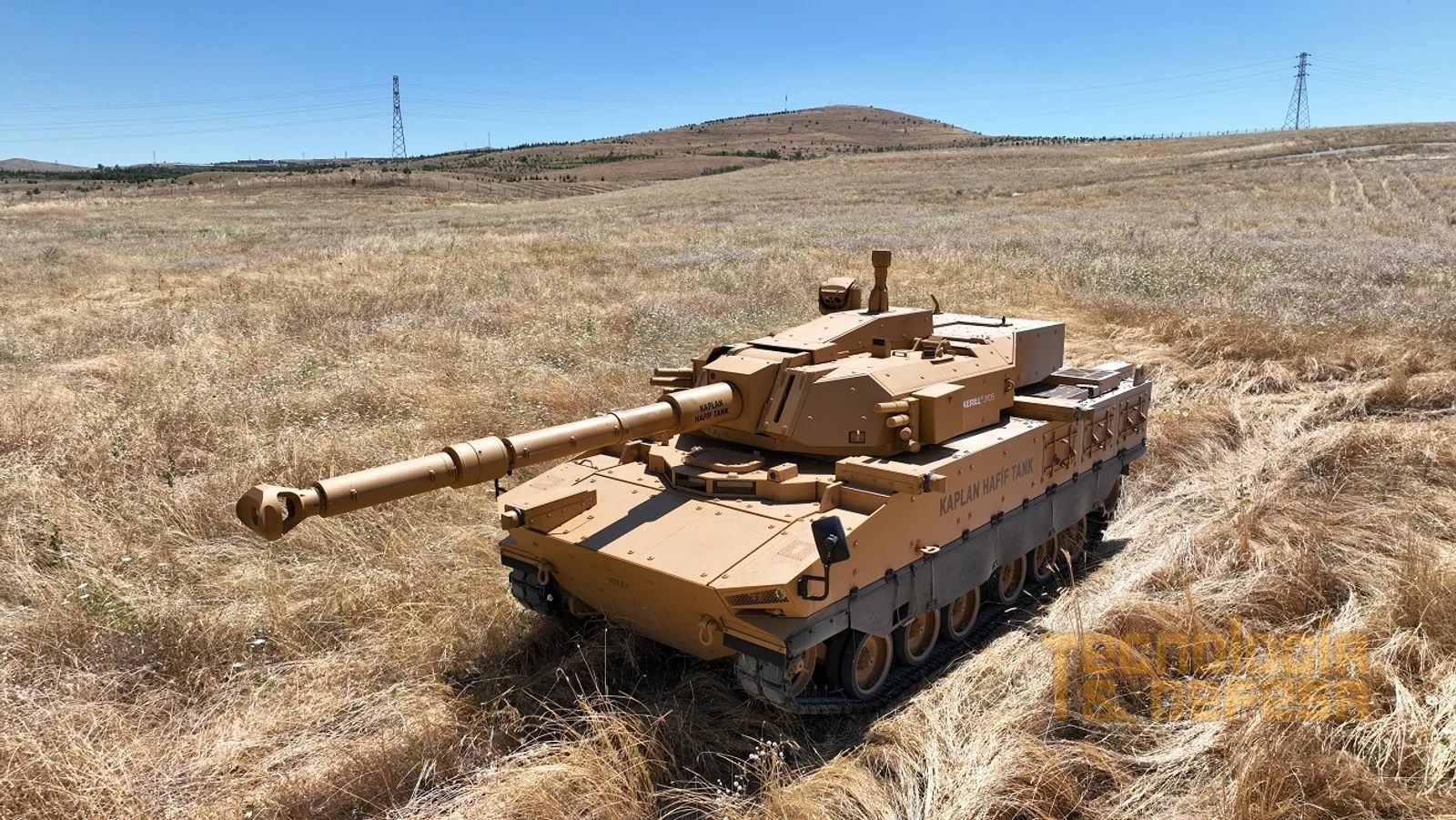
Finally, FNSS offered its Kaplan. Initially, the vehicle was proposed only with the Cockerill 3105 turret armed with a 105 mm gun and the Cockerill 3030 turret armed with a 30 mm cannon. Later, at the opening of the IDEB 2026 exhibition, the CFL-120 Karpat was unveiled. Developed through a partnership between Turkey’s FNSS and Czech company CSG, the vehicle is an FSV based on the KAPLAN platform and equipped with the HITFACT II turret. However, it has not been confirmed whether the turret is now being offered for the Brazilian programme.

Kaplan MT with the Cockerill 3105 turret.
Kaplan MT with the Cockerill 3105 turret. (FNSS)

Another factor of particular importance is the concern within the Brazilian Army’s senior leadership regarding vehicles subject to the US International Traffic in Arms Regulations (ITAR) and Germany’s Bundesamt für Wirtschaft und Ausfuhrkontrolle (BAFA). These are essentially export-control systems that can restrict the international transfer of military equipment, components and technologies originating from their respective countries.

Restrictions could impose certain limitations on the choice of vehicles within this concept, with vehicles such as the Lynx and CV90 potentially being more affected. The concern is that Brazil could lack a certain degree of independence in the manufacture and operation of these vehicles.

This concern became more significant in 2023, when Germany imposed export restrictions on 26 Guarani APCs destined for the Philippines, with six components manufactured by German companies being subject to restrictions, including the 6HP 602S transmission produced by ZF. Several years earlier, Avibras had also replaced the Mercedes-Benz chassis used by its ASTROS multiple rocket launcher systems with a Tatra chassis due to BAFA-related restrictions.

Brazil has also experienced the practical implications of US export controls in other defence and strategic-technology programmes, although these have not necessarily taken the form of a direct ITAR embargo on a Brazilian Army vehicle.

A clear example was the MUX (Multispectral Camera), which began development by Opto Eletrônica in 2004 for the CBERS-3 and CBERS-4 satellites. The project required the selection of components with a proven history of use in space, with the QPL (Qualified Products List) published by NASA and ESA being recommended for this purpose.

However, as the MUX project progressed, Opto found that components on the QPL were subject to ITAR restrictions and could not be obtained for the CBERS programme. This created a direct conflict with the project’s requirements, forcing Opto to develop alternative components and solutions that were not subject to ITAR restrictions.

Justifications

At this point, readers may already be wondering: ‘Why reduce the weight so drastically and replace a true MBT with something completely different?’

The answer involves more than one factor. Broadly speaking, we are dealing with budgetary, logistical and maintenance constraints.

Let us start with what I believe to be the most significant factor: logistics. The Brazilian Army’s primary and only means of transporting tanks over long distances is by road, using trucks and civilian heavy-haul trailers acquired by the Army. More specifically, these include the Mercedes-Benz Actros 2651S with a 369 kW (495 hp) engine and Iveco Stralis, with a 306 kW (410 hp) engine, while the civilian trailers in use vary in capacity, carrying between 45 and 68 tonnes. In theory, these would be sufficient to transport heavy MBTs. However, this is where a major problem emerges.

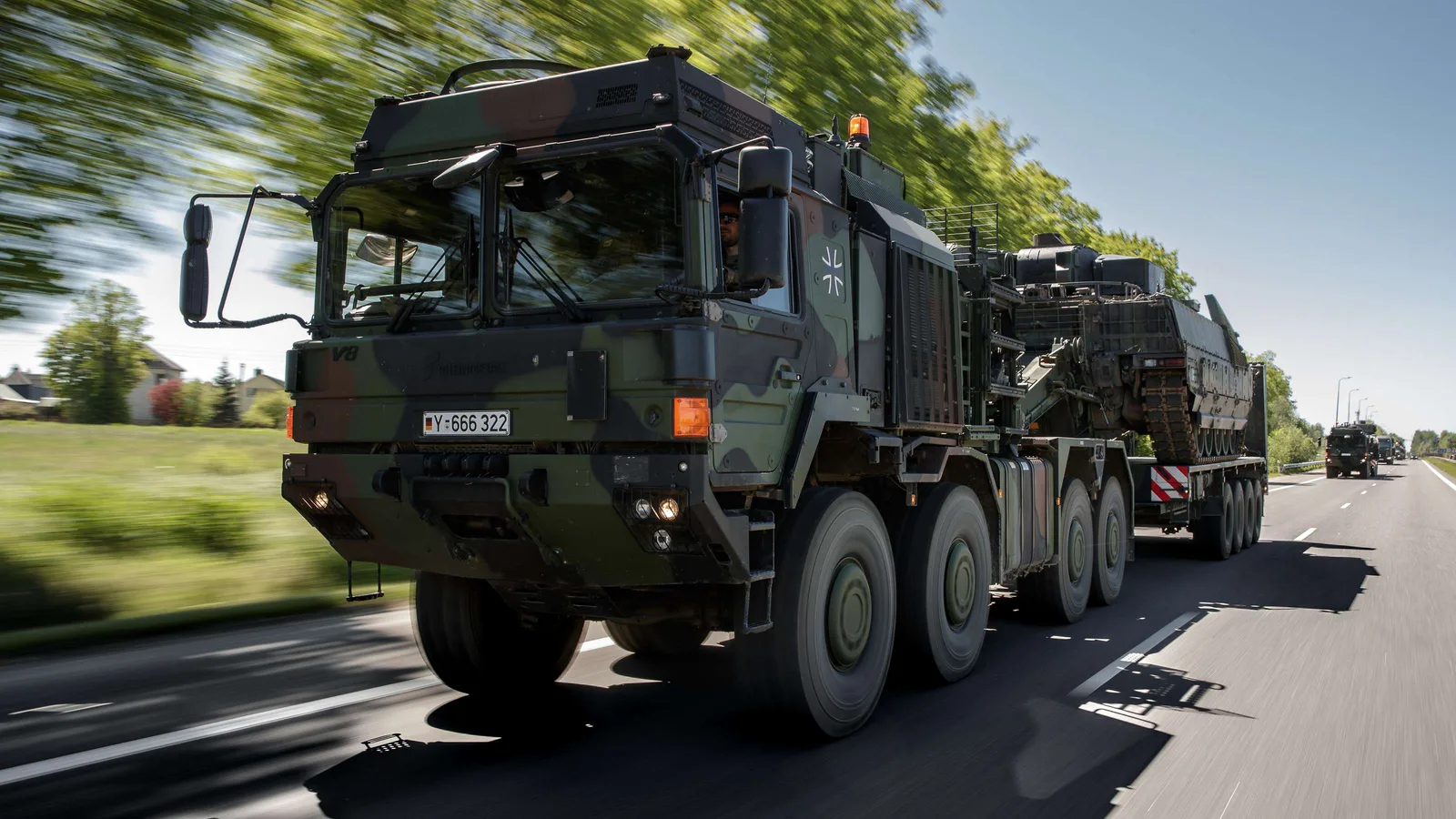
If we look at NATO members operating heavy MBTs, such as the US with the M1 Abrams and Germany with the Leopard 2, both available in numerous variants with different weights, we can see that they use dedicated heavy equipment transporters (HETs) and semi-trailers for these vehicles. Germany, for example, operates the Rheinmetall Schwerlasttransporter (SLT; ENG: heavy-duty transporter) Elefant 2, powered by a 507 kW (680 hp) engine, eith a dedicated multi-axle heavy equipment trailer designed to carry armoured vehicles.

The SLT Elefant 2.
The SLT Elefant 2. (Bundeswehr/Jana Grünberg)

The US uses a similar approach, with the Oshkosh Defense M1070 Heavy Equipment Transporter (HET), in both A0 and A1 configurations, powered by a 522 kW (700 hp) diesel engine and coupled with the M1000 Heavy Equipment Transport semi-trailer produced by Leonardo DRS.

The primary purpose of these systems is to transport heavy vehicles safely over long distances, both on paved and unpaved roads, while reducing mechanical wear on the vehicles themselves. They incorporate features such as specialised suspension systems designed to handle extremely heavy loads. The trailers are equally important: although the Brazilian Army operates trailers with capacities of up to 68 tonnes, their configuration and number of axles can limit how effectively the weight of a heavier vehicle can be distributed across the trailer and road surface.

The Army’s existing transport fleet is capable of handling tanks up to a certain weight. However, when considering vehicles are significantly heavier than the M60A3, which weighs approximately 51 tonnes and remains in Brazilian Army service, new tractors and heavy equipment trailers would likely be required to support them effectively.

This brings us to the budgetary aspect. If heavier vehicles were acquired, there is a concern that money spent upgrading the Army’s road transport infrastructure could instead be used to acquire more vehicles for the fleet, which is expected to involve the replacement of 297 tanks.

Heavier tanks would also affect maintenance, as another objective is to make maximum use of the machinery and tools already available for the Leopard 1A5, M60A3 and decommissioned Leopard 1BE fleets. Otherwise, additional funding would be required for facility upgrades, dedicated machinery and other infrastructure.

As we can see, the overall approach is to make maximum use of existing logistics and maintenance infrastructure, freeing resources for vehicle procurement. This is also where the common-platform concept becomes particularly relevant. Using the same engine, transmission, armour, tracks and essentially the entire hull, with only the turret changing, could significantly reduce costs while allowing the same infrastructure to support both vehicle variants.

Problems

When looking at FSVs, or any of the various names used to describe this class of vehicle, we are, as already explained, primarily looking at flexible platforms. However, this flexibility has a serious limitation. Although any of the platforms described above would represent a clear advance over the Leopard 1A5 in several respects, times have changed dramatically, and the battlefield has never been more dangerous for tanks — or, in fact, for almost everything else.

With the rise of small drones on the battlefield in Ukraine, the risks faced by armoured vehicles have increased significantly. Armoured vehicles can now be attacked multiple times from different angles and with different types of warheads, the most common being high-explosive anti-tank (HEAT) warheads. This, however, has not removed their value. Tanks remain the only battlefield platforms capable of providing such direct, rapid and flexible fire support.

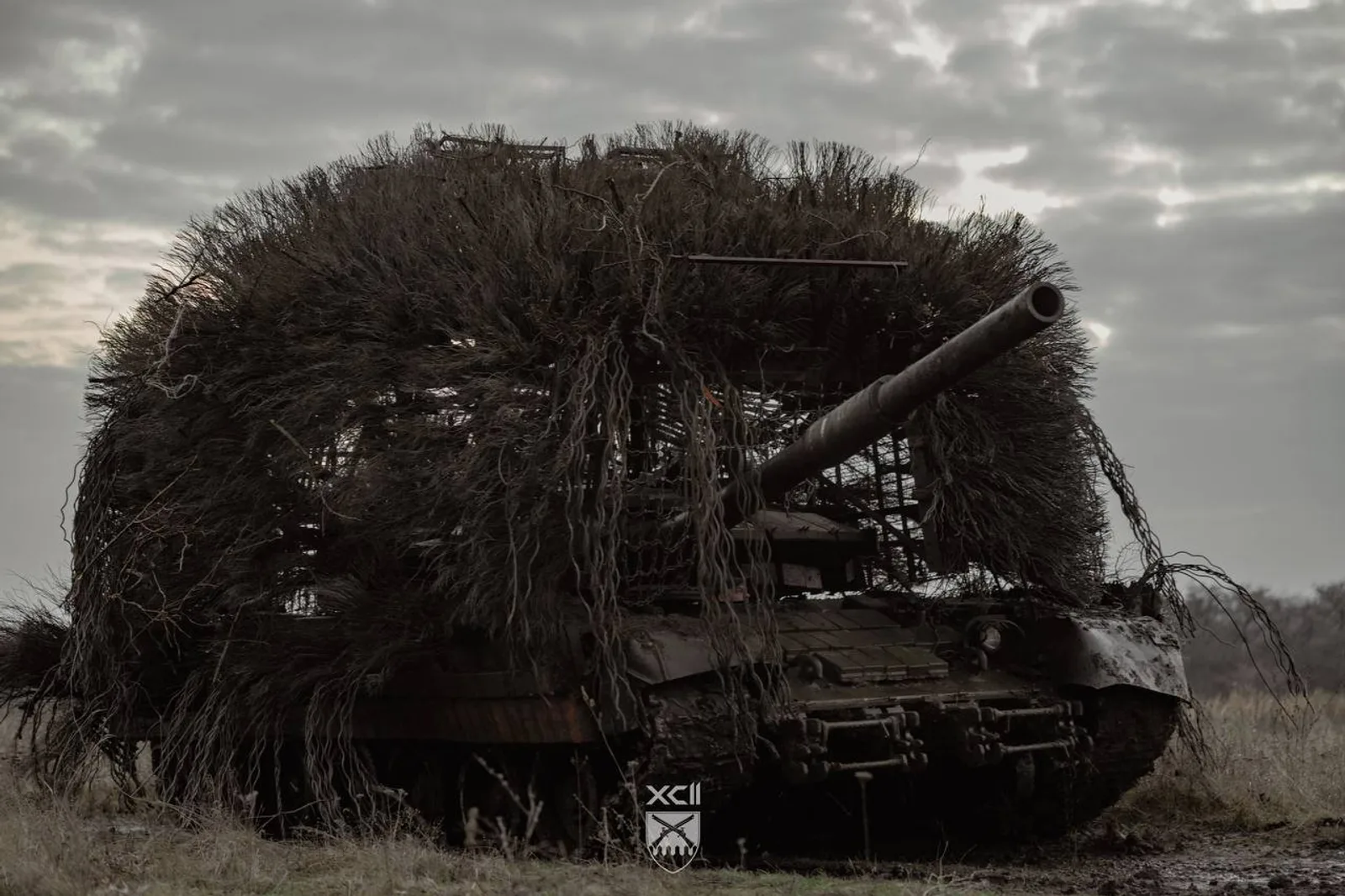
As a result, the general trend has been towards vehicles becoming heavier, rather than lighter. Solutions have included explosive reactive armour (ERA), non-explosive reactive armour (NERA), slat armour, chains, nets, electronic warfare (EW) systems and, more recently, soft-kill and hard-kill active protection systems (APSs), along with various improvised forms of protection such as the ‘cope cage’, ‘turtle tank’, ‘hedgehog tank’, and ‘Tsar tent’ modifications, seen largely on Russian tanks operating in Ukraine.

A captured T-80BVM operated by the Ukrainian Army, fitted with extensive 'hedgehog tank' type improvised armour to protect against drones.
A captured T-80BVM operated by the Ukrainian Army, fitted with extensive 'hedgehog tank' type improvised armour to protect against drones. (Ukrainian Army/92nd Separate Assault Brigade)

However, even with these additions, tanks have always retained something that has been with them from the beginning: their main armour. Composite armour is effectively the last and principal layer of protection against penetration. Therefore, in addition to the protective measures mentioned above, MBTs have an extensive and permanent layer of protection that remains present regardless of whether additional defensive systems are active.

When looking at FSVs, one of the main problems is the limited amount of this underlying armour. These vehicles are generally designed around substantially lower weight limits than modern MBTs, with their protection often constrained by standards such as NATO’s AEP-55 and STANAG 4569, which establish protection levels for occupants of logistical and light to medium armoured vehicles. The highest levels cover threats including heavy machine guns, and at higher levels automatic cannon fire and certain mine and explosive threats, depending on the specific protection category.

Some of these vehicles, like Tulpar, can also receive ERA, but ERA elements lose their effectiveness after activation, leaving the affected area with reduced additional protection.

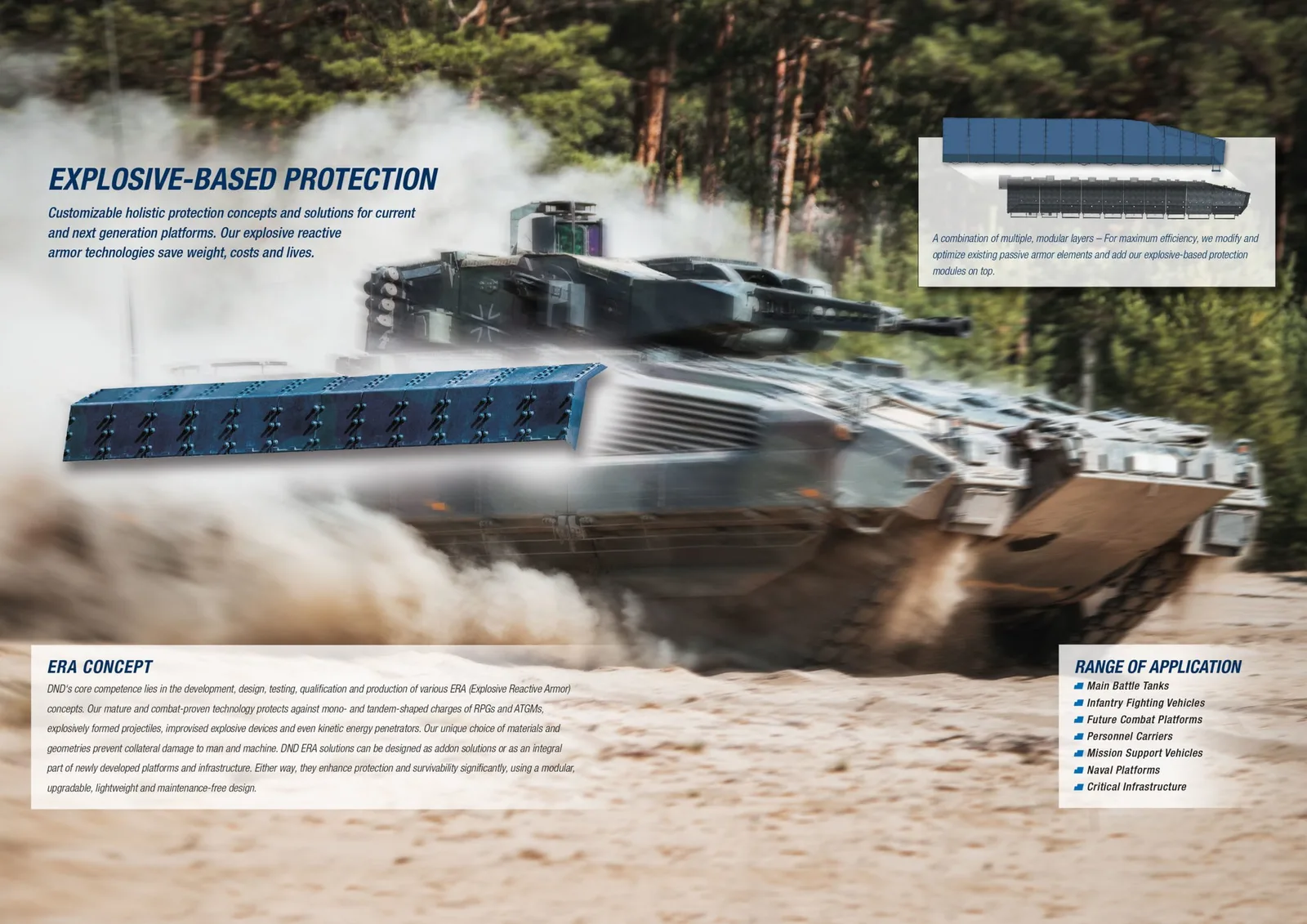
Puma is an example of a IFV equipped with ERA designed to provide protection against threats such as HEAT warheads and EFPs (explosively formed penetrators). The system, known as Composite Lightweight Adaptable Reactive Armour (CLARA), was developed by Dynamit Nobel Defence.
Puma is an example of a IFV equipped with ERA designed to provide protection against threats such as HEAT warheads and EFPs (explosively formed penetrators). The system, known as Composite Lightweight Adaptable Reactive Armour (CLARA), was developed by Dynamit Nobel Defence. (DND)

In other words, MBTs already have a substantial baseline of protection built into their weight and armour design, while FSVs must rely more heavily on what could be described as a secondary MBT protection layer: ERA, NERA, slat armour, EW and APS systems added around a comparatively lighter base platform.

This creates a significant contrast, as MBTs such as the Leopard 2 and M1 Abrams not only have a greater inherent ability to withstand drone attacks, but can also provide substantially higher levels of protection against threats such as ATGMs, APFSDS rounds from other tanks and FSVs, automatic cannon fire and artillery fragments at relatively short distances, using armour that is already inherent to their design.

This can obviously depend on several factors, including the specific variant, armour package, point of impact, ammunition and engagement conditions, but the overall level of passive protection remains considerably higher than that of FSVs. [Editor’s note: Indeed, passive protection beyond STANAG 4569 is a core defining feature of a modern MBT – what can be thought of as a ‘true’ tank.]

Furthermore, the vehicle’s maximum weight can limit how much additional protection can ultimately be incorporated. KF41 Lynx, for example, has a maximum weight of up to 50 tonnes. To maximise its protection and attempt to fulfil some of the roles associated with an MBT while compensating for the lack of heavy composite armour, the vehicle could require many of the protective measures mentioned above. However, these systems can add considerable weight, potentially limiting what can or cannot be included in the final protection package.

It is also worth asking whether, from a budgetary perspective, it would be justifiable to acquire these platforms only to spend additional money afterwards on NERA, ERA, slat armour, EW systems and hard-kill APS simply to keep them sufficiently survivable on the battlefield.

Looking at the issue more deeply, vehicles with greater protective capability also have a greater chance of surviving an engagement and either being recovered in a suitable condition or returning to friendly lines under their own power. This raises the question of whether it is worth spending less on acquisition only to potentially have to replace a vehicle later, or even lose the capability altogether.

Another problem is that, because the hulls of these vehicles were normally designed to carry infantry, they contain excess internal volume that is no longer used when adapted to other roles. The KF41 Lynx, for example, has an infantry compartment with an internal volume of 6.43 m³. This not only increases the vehicle’s width and height, as well as the overall volume that can be exposed to different types of projectiles, but also increases the surface area that needs to be protected by armour, consequently adding further weight.

Closing thoughts

Although FSVs represent some concrete improvements over the tanks already in the Army’s inventory, this appears to have been a desperate decision aimed at preserving existing infrastructure and logistics while freeing up the budget to acquire a larger number of vehicles.

However, perhaps the cheaper option will ultimately prove more expensive, considering how much more dangerous the battlefield has become for tanks and, in this case, for vehicles attempting to perform their role, even as countries at war are practically showing the world what can and cannot work.

Ultimately, this appears to be a clear example of what happens when a government fails to give national defence the attention it requires, even in such turbulent and unpredictable times: a military force being forced to improvise solutions for capabilities that are so crucial and unique.

Author’s acknowledgements: My sincere thanks to my great friends Paulo Bastos and Darren Hazes for helping me with information for this article. Without their contributions, such a large and detailed piece would not have been possible. I would also like to thank Carlos Stephanie Bastos for the incredible photograph of the AN/VSG-2 thermal sight. And to the dear readers of Warsight, thank you for reading my most extensive article to date. Until next time!

Share post

You may be interested in

Categories

All NewsLand

Used tags

Armoured WarfareASCODBrazilBrazilian ArmyCV90FSVsKaplan MTKF41 LynxM10 BookerMBTsTanksTulpar

Similar posts