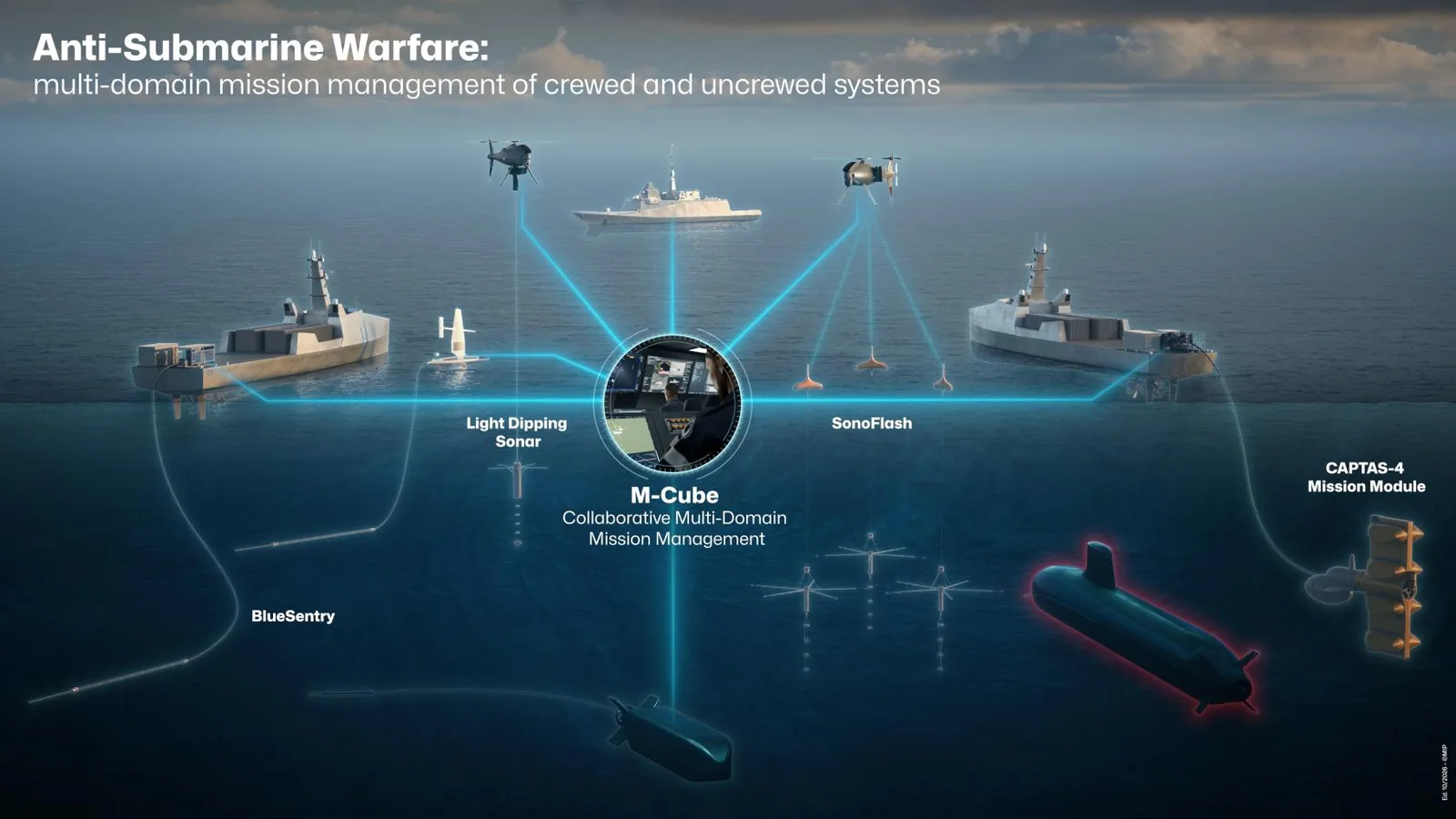
To meet navies’ emerging requirements to develop ‘hybrid’ force structures designed to deliver integrated ‘crewed/uncrewed’ operations, advanced defence technology company Thales is evolving its specialist anti-submarine warfare (ASW) systems to enable deployment on maritime uncrewed systems (MUS) in order to enhance persistent surveillance presence.
“The fundamental problem with ASW is around presence and persistence,” James Dickie, Thales Underwater Systems’ product line manager for MUS programmes, told Warsight at the Euronaval 2026 exhibition in Paris during early November. “For navies, that’s the ultimate goal – to have permanent presence, permanent persistence, to catch the submarine threat.”
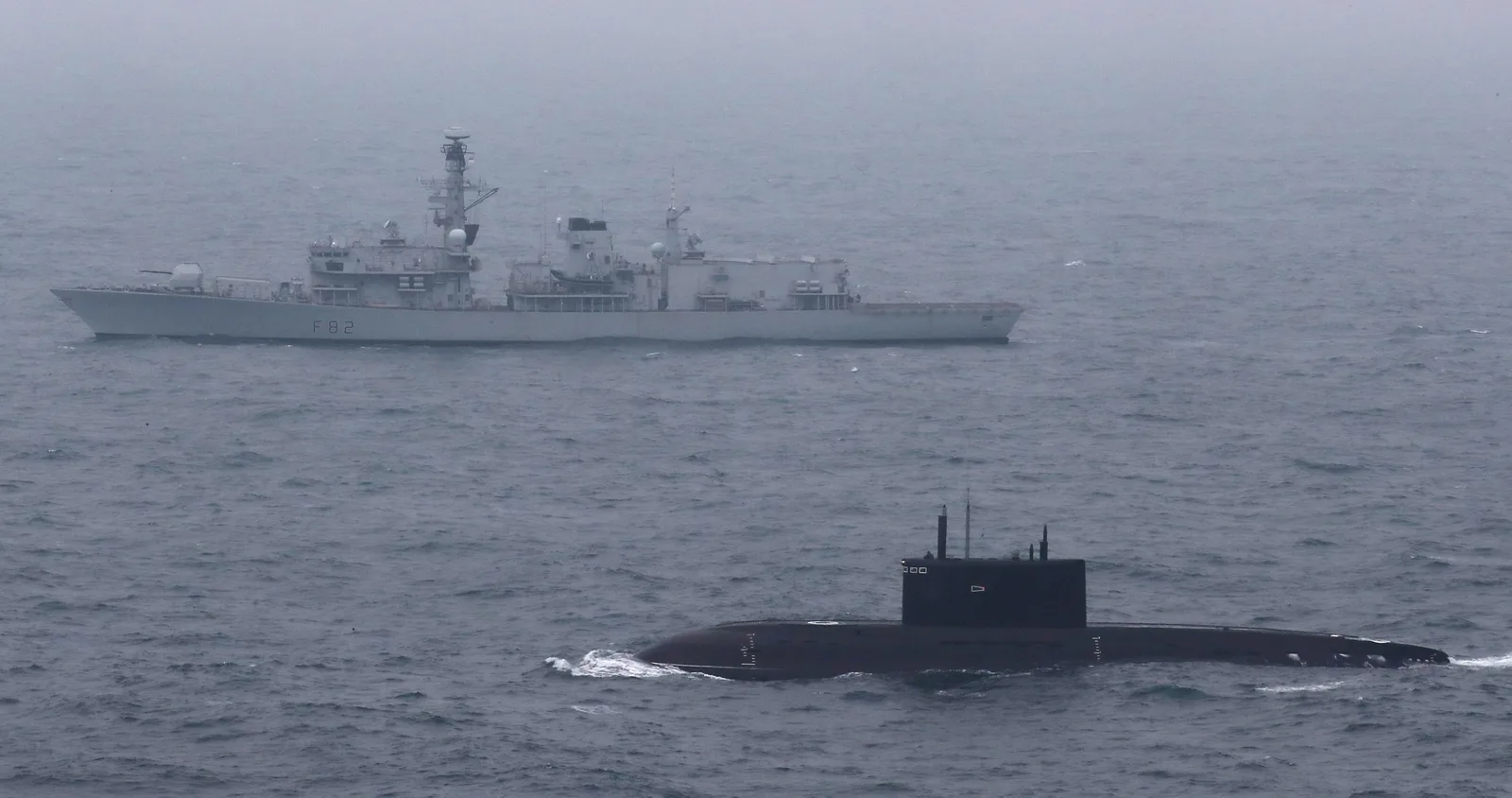
For NATO navies operating in the North Atlantic’s underwater domain, increasing Russian submarine and uncrewed underwater vehicle (UUV) activity is posing a present risk, one compounded by the vast nature of the North Atlantic underwater operating environment. As an example of the distances involved, it is 950 km in a straight line from northern Norway to Svalbard.
The region hosts two strategic maritime chokepoints – the Greenland-Iceland-UK (GIUK) Gap, and the Bear Gap (running from northern Norway to Svalbard, past Bear Island). Its waters range from Norwegian fjords to the heavy open waters of the Norwegian and Barents seas, and to the expanses of the Arctic Ocean and the opportunity – and need – to deploy under the ice.
Covering such significant sea spaces with crewed platforms – submarines, frigates, and maritime patrol aircraft – is challenging, even without many NATO navies being relatively limited in such platform numbers. Moreover, trying to build such coverage with complex crewed platforms would be prohibitively expensive.
Instead, Dickie explained, platform scaling comes through building MUS numbers within ‘hybrid fleet’ constructs.
Evolving capability
For Thales, Dickie continued, meeting this emerging requirement “is not about revolution; it’s about evolution.” For the company, this process involves capitalising on its well-established acoustic sensing technologies developed originally to meet navies’ crewed platform ASW requirements, for example its CAPTAS variable depth sonar and FLASH dipping sonar products.
“We’re now evolving those [sensors] to be compatible with uncrewed systems,” Dickie said. “Three or four years ago, we started a dedicated, focused investment in technology for uncrewed ASW.”
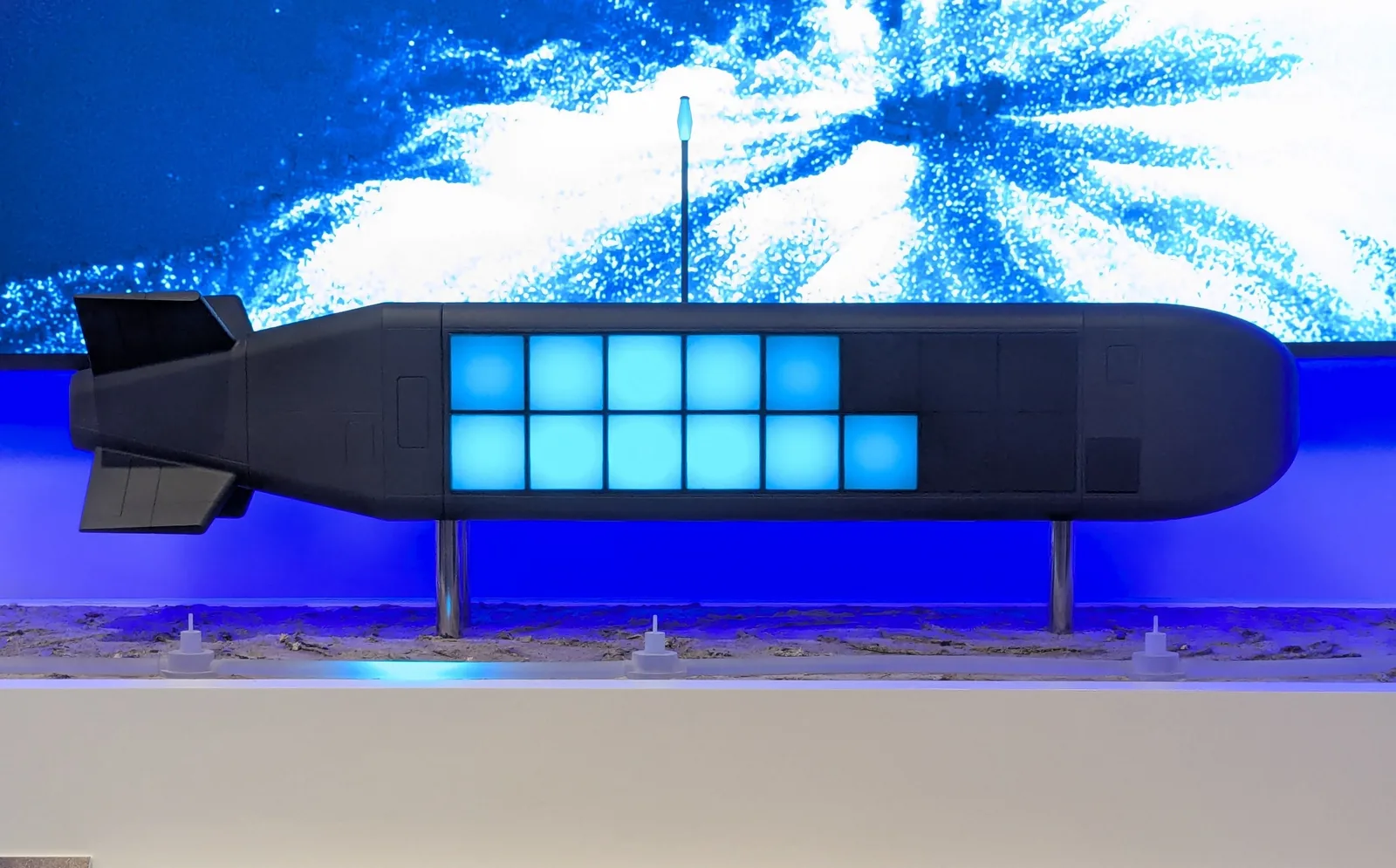
One such investment is the CAPTAS4 Mission Module (C4MM) – an evolution of the CAPTAS1 Mission Module sold to the Irish Navy for its offshore patrol vessels. “C4MM brings the most capable of the sonars into this mission module configuration,” Dickie said.
Underlining the potential contribution of such evolution to ‘hybrid navy’ concepts, Dickie added “It’s important to say [such developments are] not meant to be … uncrewed-specific. They also give navies flexibility to use vessels of opportunity or lean-crewed vessels.”
Such vessels can include commercial platforms. For some navies like the UK Royal Navy (RN), with its ‘Atlantic Bastion’ hybrid navy underwater sensing and presence programme, commercial partners in such programmes may use commercial platforms to help put sensors in the right place.
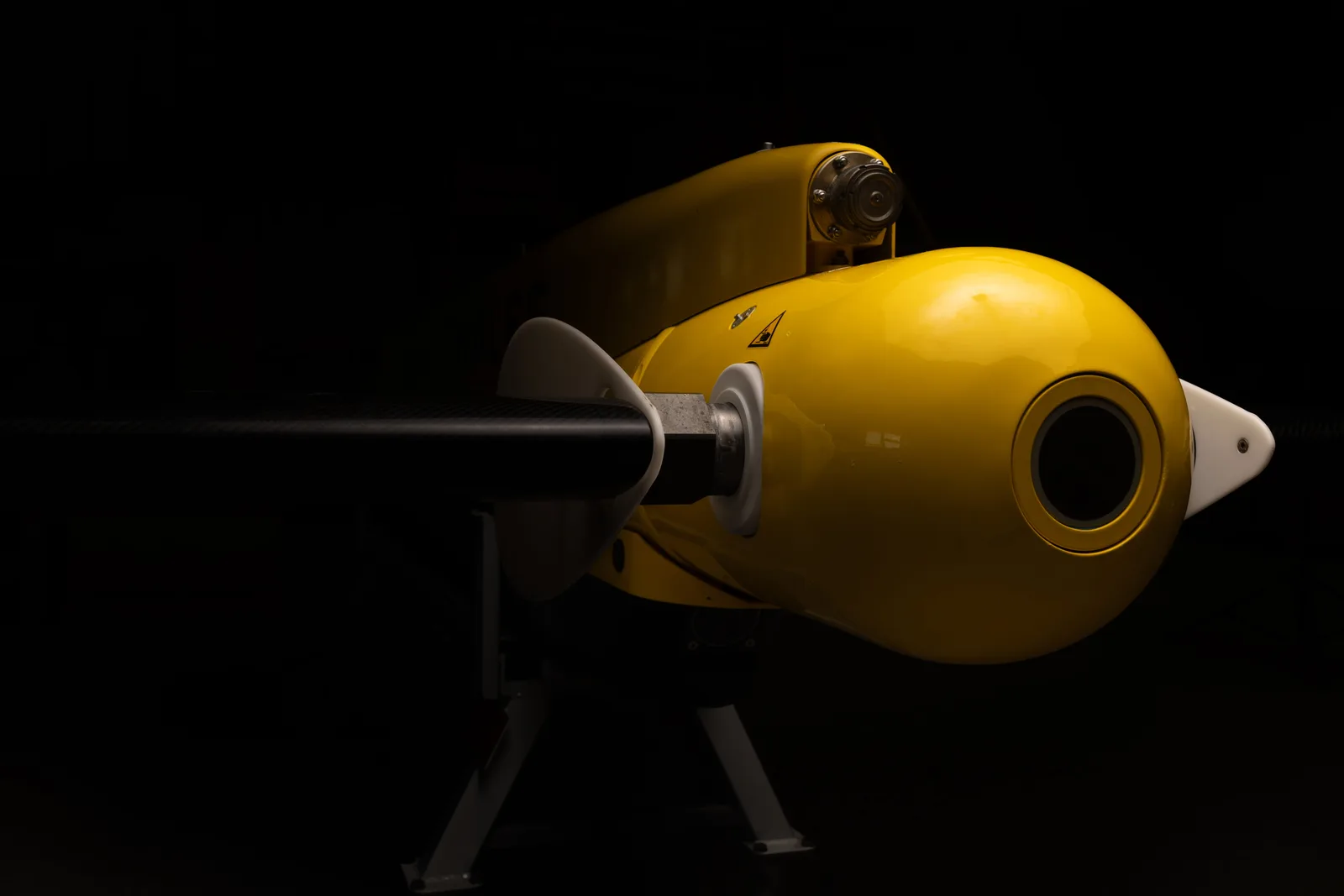
Thales has also developed a light dipping sonar (LDS) system, which is already mated with the Schiebel Camcopter S-300 uncrewed aerial vehicle (UAV). “That is where we have had to invest in something specific because of the space, weight, and power [SWaP] constraints of an uncrewed platform,” Dickie said.
Previously, the company conducted initial trials of the LDS capability, using an early prototype embarked onboard a hydrofoil USV from French company SEAir. With the hydrofoil fitted with what Dickie referred to as a Thales USV drone kit providing vehicle and mission control and autonomy, the aim was just to test the sonar, he explained.
The capability was trialled subsequently at the Portuguese Navy/NATO co-hosted ‘REPMUS’ MUS exercise in southern Portugal in September 2025, and then on NATO Allied Maritime Command’s ‘Dynamic Manta’ ASW exercise in the Mediterranean Sea in early 2026. C4MM and LDS were subsequently showcased at Euronaval.