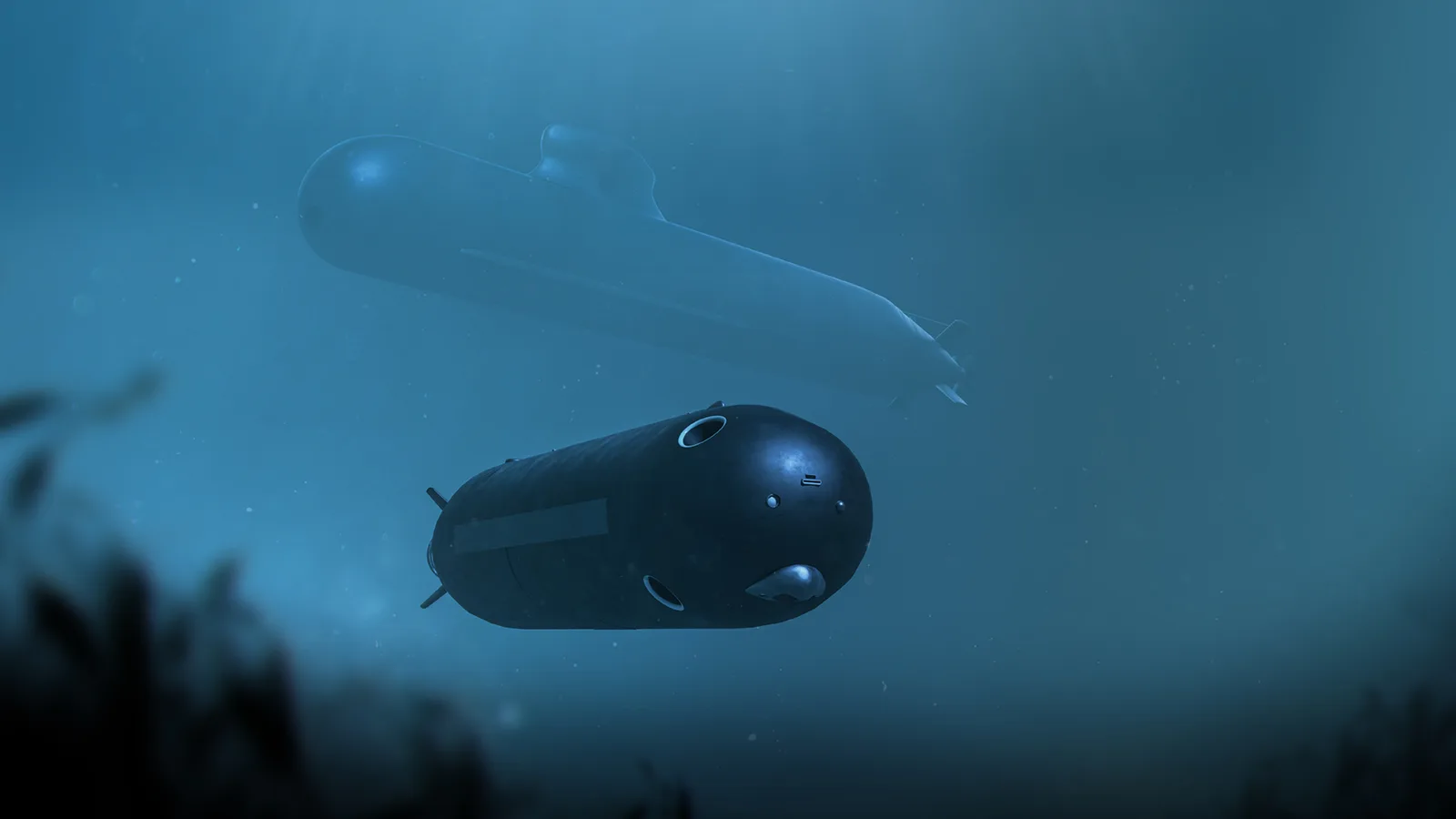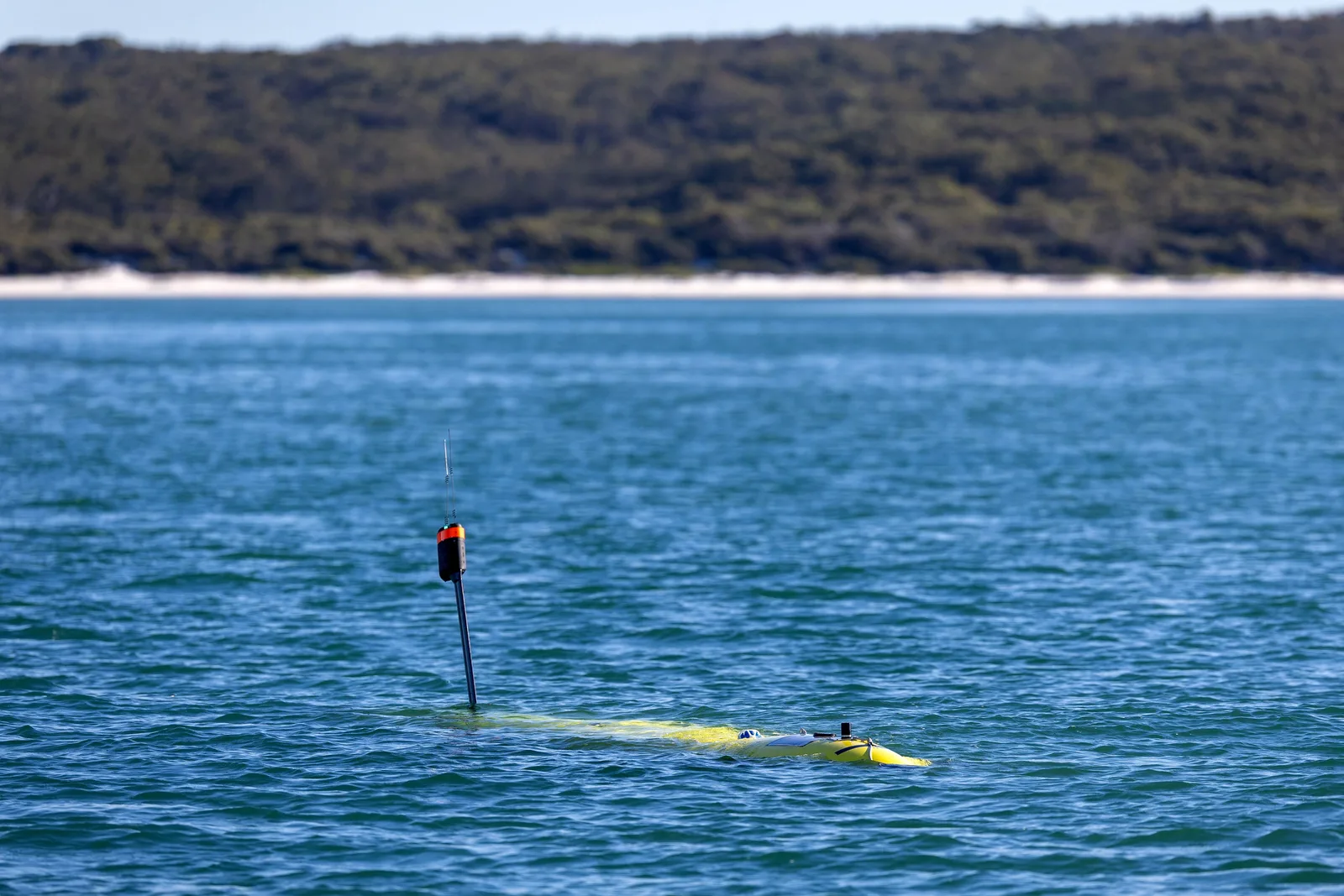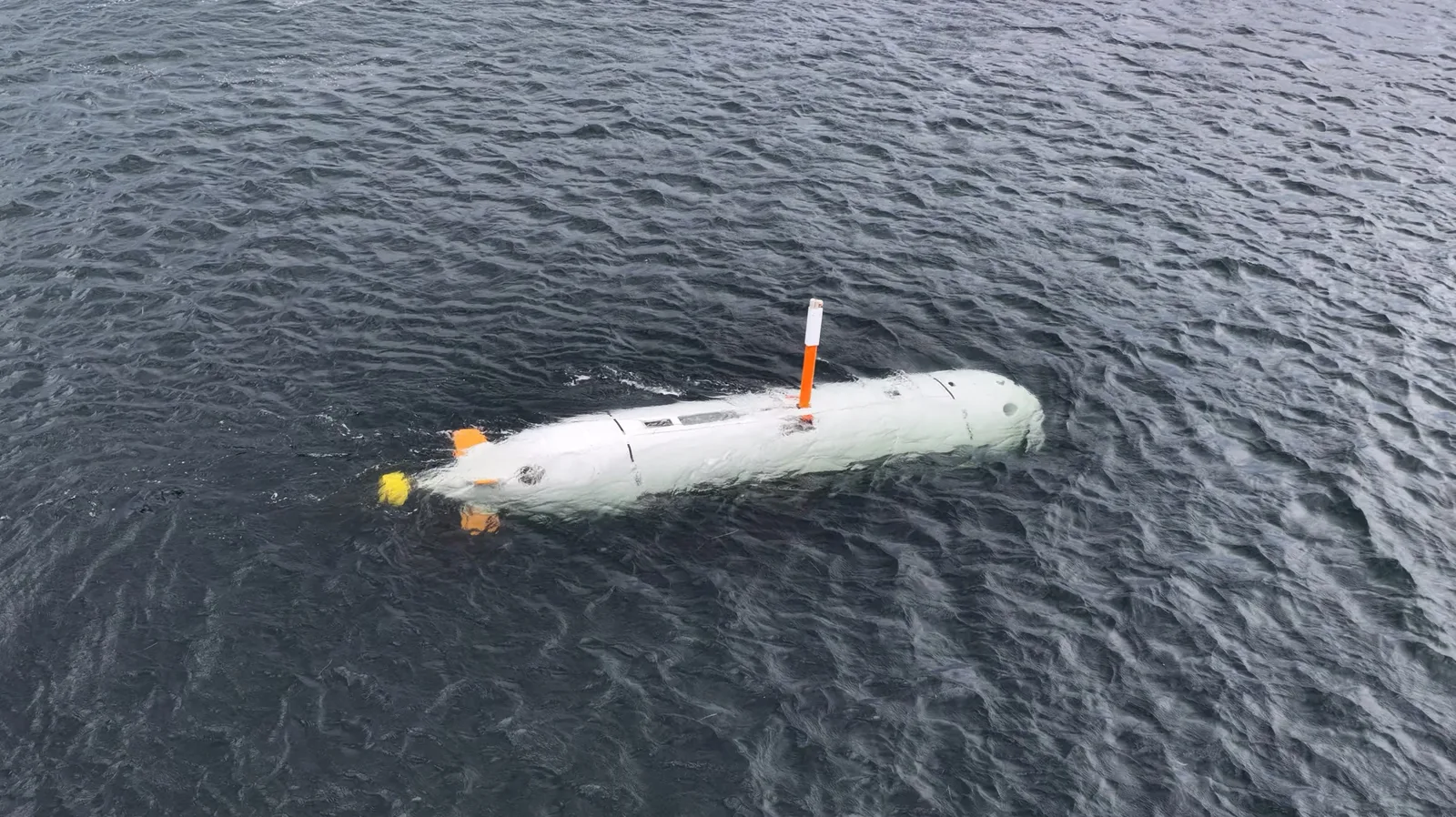
A Swedish large uncrewed underwater vehicle (LUUV) demonstrator has been developed, launched and has now successful completed initial sea trials, Saab announced on 16 October 2026. The demonstrator was developed by Saab in conjunction with the Swedish Defence Materiel Administration (FMV) and Swedish Armed Forces.
The LUUV demonstrator was developed at pace and according to plan, according to Saab, and has progressed from concept to a fully functional vehicle.
Following successful sea trials, the first phase of the project has been now completed. The next phase is expected to focus on developing more advanced capabilities. The results will support the continued development of software, sensors and autonomous functions while also contributing to future product development.
The LUUV demonstrator has been developed to support the development and evaluation of future underwater capabilities and to enable operations alongside existing naval platforms, such as submarines. Saad said that its rapid development has been enabled by the company’s software-centric approach and the integration of Autonomous Ocean Core: Saab’s autonomous control system that provides surface and subsurface vehicles with autonomous capabilities. Combined with Swedish expertise in submarine design and sensor integration, this has made it possible to take the project swiftly from concept to sea trials, Saab noted.
The LUUV project builds on Saab’s earlier investments and work in autonomous underwater systems and is now led by the FMV in co-operation with the Swedish Armed Forces and Saab. The project provides a basis for Swedish authorities’ decisions regarding the future acquisition and operational use of autonomous underwater systems.
LUUVs and the need to protect CUI
The need to protect critical undersea infrastructure (CUI) from Russian interference in northern Europe is now a major driver for the development of uncrewed underwater surveillance platforms, given the significant endurance that they offer.
In the UK, for example, XV Excalibur, the Royal Navy’s first, experimental extra-large unmanned undersea vehicle (XLUUV), was handed over to the navy in December 2025 after being built by Plymouth-based MSubs.
European mission systems house Thales also briefed at its inaugural Tech Summit in London on 14 September 2026 on how the company is developing a suite of sensing capabilities for such platforms.
Following a surge in suspected Russian interference with undersea cables in Northern Europe since 2022, in January 2025 NATO stood up its ‘Baltic Sentry’ mission to enhance NATO’s military presence in the Baltic Sea and improve the allies’ ability to respond to destabilising acts.
With Sweden having officially joined NATO on 7 March 2024, the country has an increased imperative to develop underwater capabilities such as through the use of LUUVs.