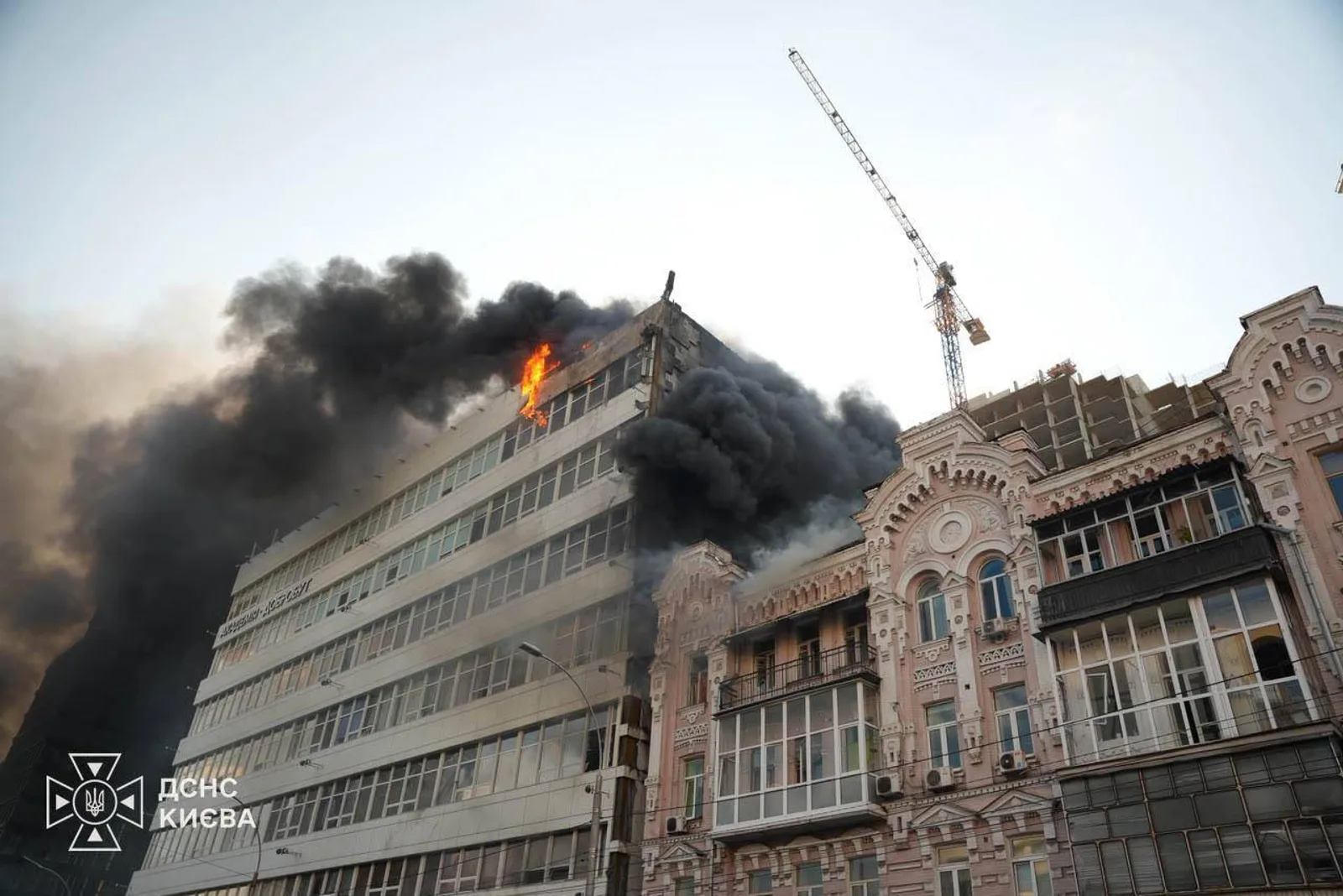
Russia’s strategic bombardment of the Ukrainian home front has intensified in recent months, spearheaded by a new fleet of jet-powered Geran-4 and Geran-5 one-way attack drones, which are essentially cheap cruise missiles. Kyiv has been especially-heavily targeted as the centre of Ukrainian political and economic life.
The intensification of the bombardment compared to earlier in 2026 cannot be overstated. Six months ago air alerts were regular, but it was rare for a Geran – or ‘Shahed’, as they are also called after the Iranian drone on which they were originally modelled – not to be intercepted by Kyiv’s air defences unless during a particularly intense night. This especially was true of the city centre, which was generally considered much safer than the outer districts. Now daily life everywhere in the city is punctuated by the harsh booms of explosions and rapid-fire cracks of anti-aircraft gunnery.
An assault on daily Kyiv life
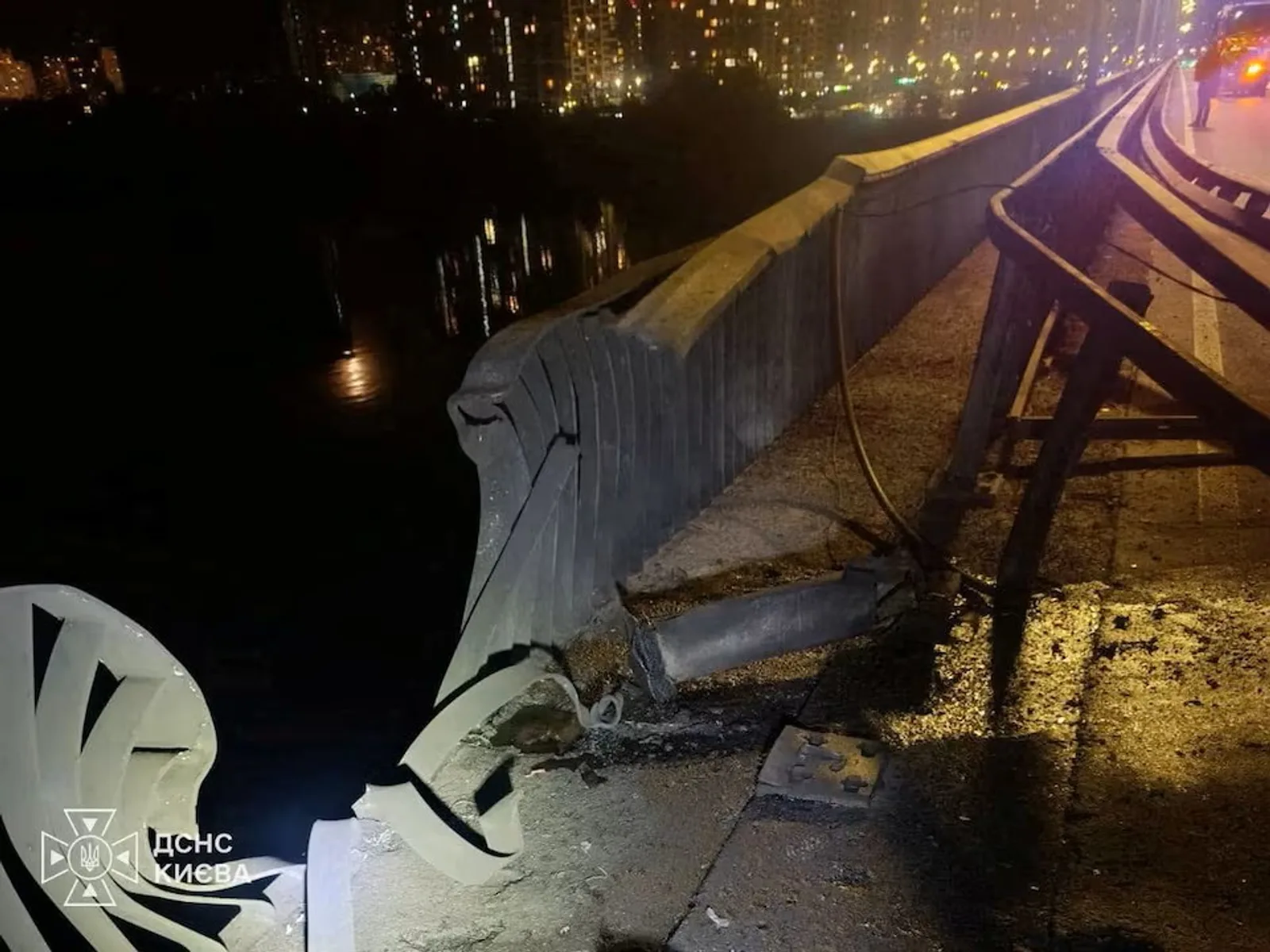
Russia has spent the summer targeting different aspects of the Ukrainian economy. In Kyiv this has included power nodes, data centres, telecommunications facilities, train locomotives and most recently the major bridges crossing the Dnipro river. So far, disruption has been temporary and services can be restored, but the constant attacks continue to chip away at economic activity both physically and psychologically. The strikes on the bridges and trains cause traffic jams and delays, leading to meetings being cancelled, deliveries failing to arrive and people unable – or unwilling – to get to the centre of town for work. All of this compounds to weaken Ukraine’s struggling wartime economy.
Russian tactics are complex and designed for maximum disruption. Sometimes only one or two Gerans are sent, purely to set off air alarms; other times whole swarms are launched, mixed with other more advanced cruise missiles and, worst of all, ballistic missiles. The Russians almost always launch missiles during the small hours of the night in order to keep people awake and tired. Missile travel patterns are not straight, but will often fly through neighbouring oblasts, or circle for a while, before turning at the last moment; threats to the city can come from all directions. These tactics disrupt sleep patterns, put people on edge and interfere with daily life. Parents feel anxious about the safety of their children at school; workers worry about being able to get home in the evening. The psychological impact is palpable, even if many people do not go to shelters. There is talk of Kyiv being a ‘frontline city’, and of the capital now being more dangerous than Kharkiv or other eastern regions.
Contrary to common perceptions, several analysts spoken to did not believe that Russia targeted Kyiv more aggressively on the weekends or during public holidays, based on their assessment of the data after years of war. While only a snapshot, this was reflected in the rate of bombardment over the week commencing 28 September 2026 while Warsight was in Kyiv. The most intense night was Wednesday 30 September, when Kyiv spent over 20 hours under air raid alert, including the threat of ballistic missiles. The next day was Day of the Defender: a Ukrainian public holiday. However, compared to the day before, the bombardment was less intense, if still highly disruptive. It can be generally surmised that the Russians plan attacks to their own timetables and are likely more preoccupied with weapon stocks than they are with specific ‘marker’ dates.
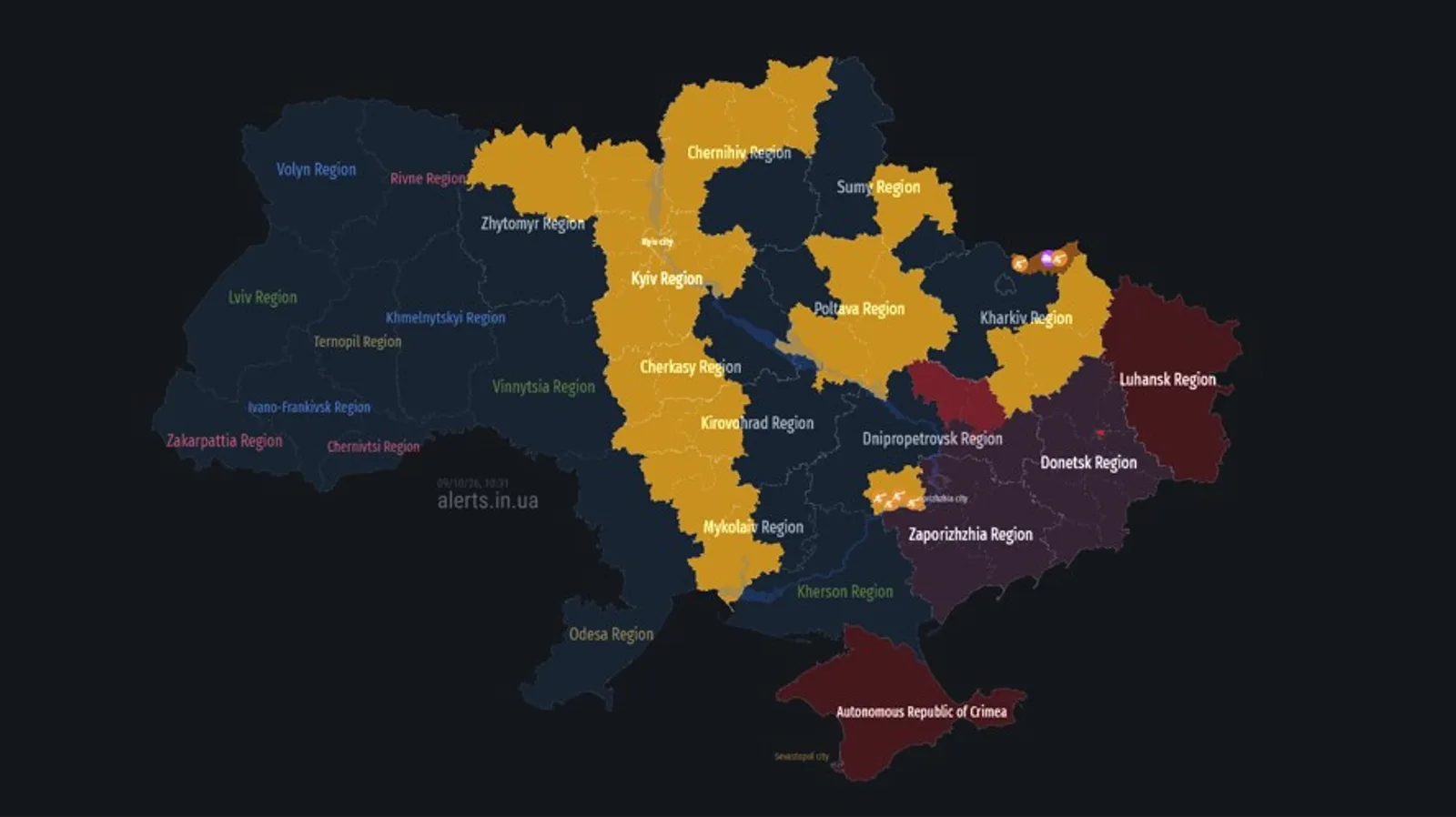
Recent policy measures to counteract the economic impact have included pushing back the nighttime curfew period by one hour and by changing the air raid alert system. Previously, any danger was announced by a single ‘red’ alert warning; in the case of a ballistic missile threat the entirety of Ukraine used to be put under alert. Now, in order to provide more flexibility for people, the system has changed into a ‘yellow and red’ alert system. Yellow alerts are for most types of Gerans; red alerts are for high-level threats, especially ballistic missiles. The former, though still unnerving, are tolerable for most; Gerans can be heard, are more likely to be intercepted and have a relatively small blast radius. Red alerts are by far the worse psychologically, not least because ballistic missiles are only heard when they explode and have the reputation of levelling entire apartment buildings if they hit them.
Finding a response
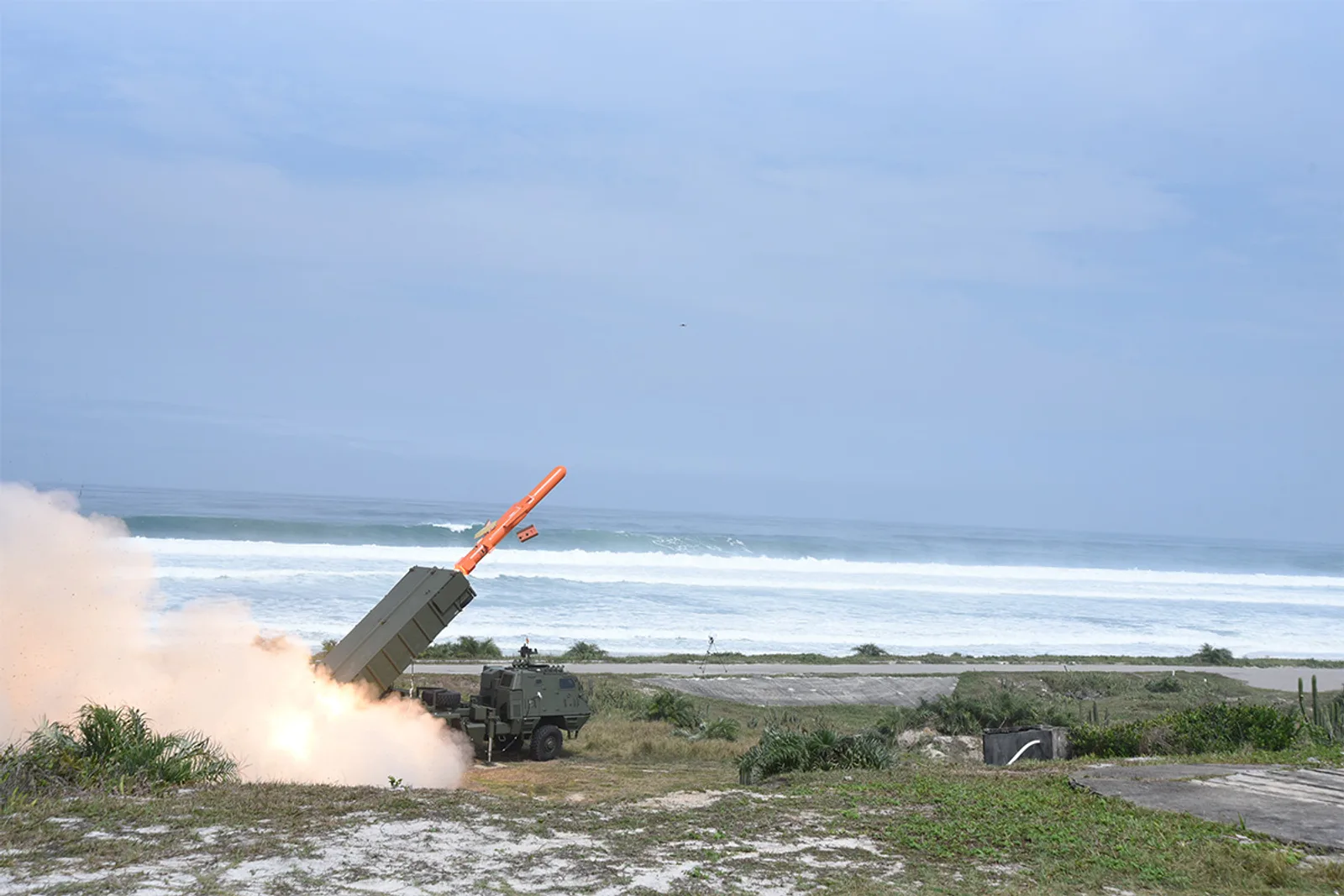
Ukrainian companies are racing to design and build enough new interceptors capable of defeating jet-powered Gerans. This includes designing new jet-powered interceptors but also modifying existing weaponry, for instance by increasing battery power or attaching rocket boosters to propeller-driven interceptors. Greater use of automation for point-defence machine guns is also being trialled. Opinions vary, but most analysts and industry representatives spoken to tentatively suggested that by the end of November 2026 Ukraine should be able to field enough effective interceptors to match the current Geran threat. However, all were quick to caveat that this merely meant another round in the cycle of weapon innovation: the Russians would consequently update their tactics and technology and the cycle would begin again.
While most experts were confident that Ukraine would match the new Geran threat, the ballistic missile threat remains an acute problem that cannot be solved over the short term. The only real options right now are US Patriot PAC-2 and especially PAC-3 air defence missiles, all of which are in desperately short supply following the US/Israeli war with Iran. This will become particularly noticeable over the winter and it is feared that the Russians are hoarding their ballistic missiles and higher-level cruise missiles to strike Ukrainian power and heating infrastructure during the cold months. Fear in relation to the coming winter is a recurring topic of conversation, despite hopes that it will be moderately warmer than last year due to the El Niño weather phenomenon. All are bracing for what will be an extremely unpleasant few months.
Yet despite the bombardment, life goes on in Kyiv. Ukrainians still work hard and go out in the evenings and weekends. Nevertheless, everyday life is distinctly more difficult and dangerous, both materially and psychologically. The next six months will be trying.