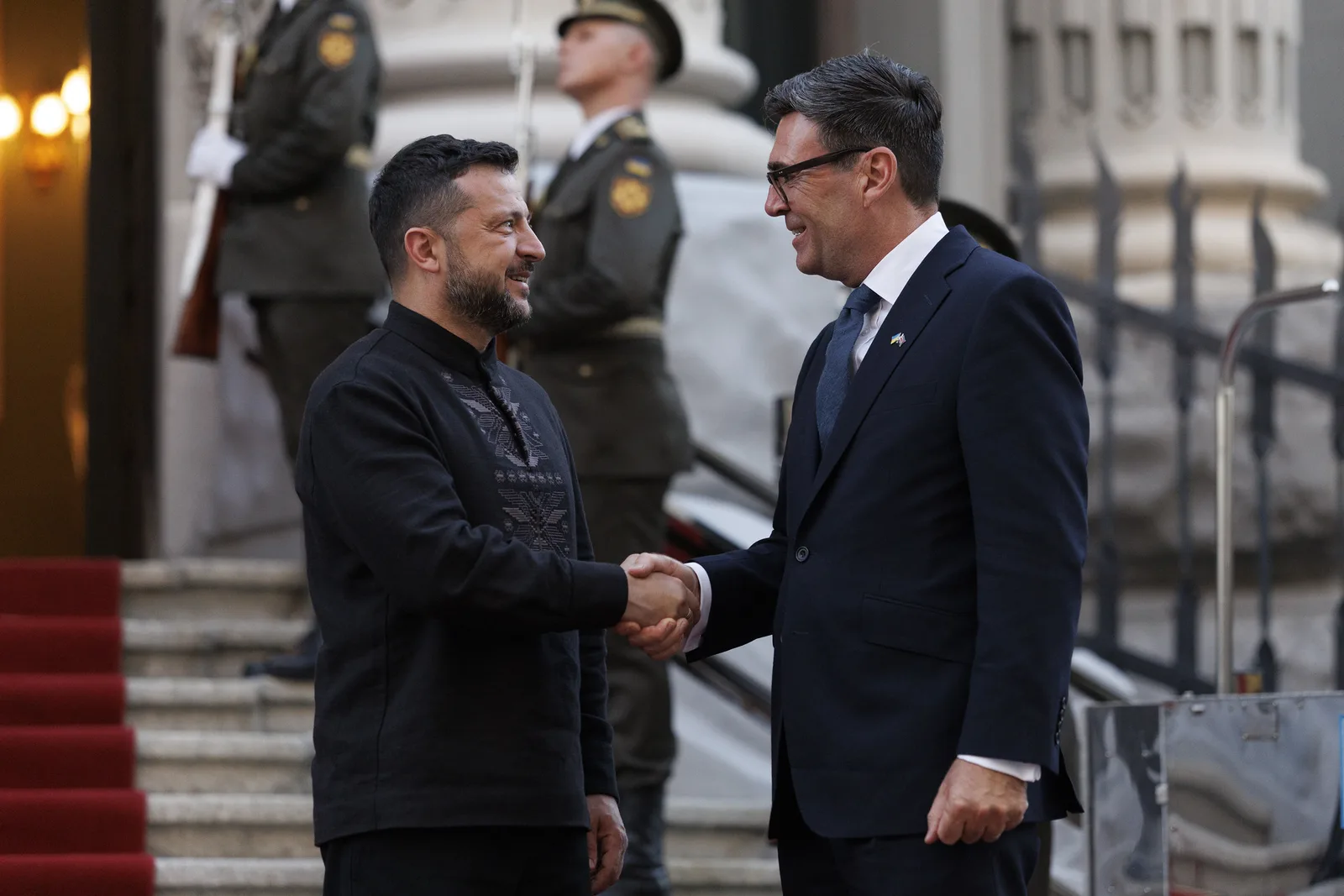
In a demonstration of the UK government’s unwavering commitment to the defence of Ukraine against Russia despite a change in political leadership, Prime Minister Andy Burnham travelled to Kyiv on 24 August 2026 – Ukraine’s 35th Independence Day – in his first international visit since assuming office.
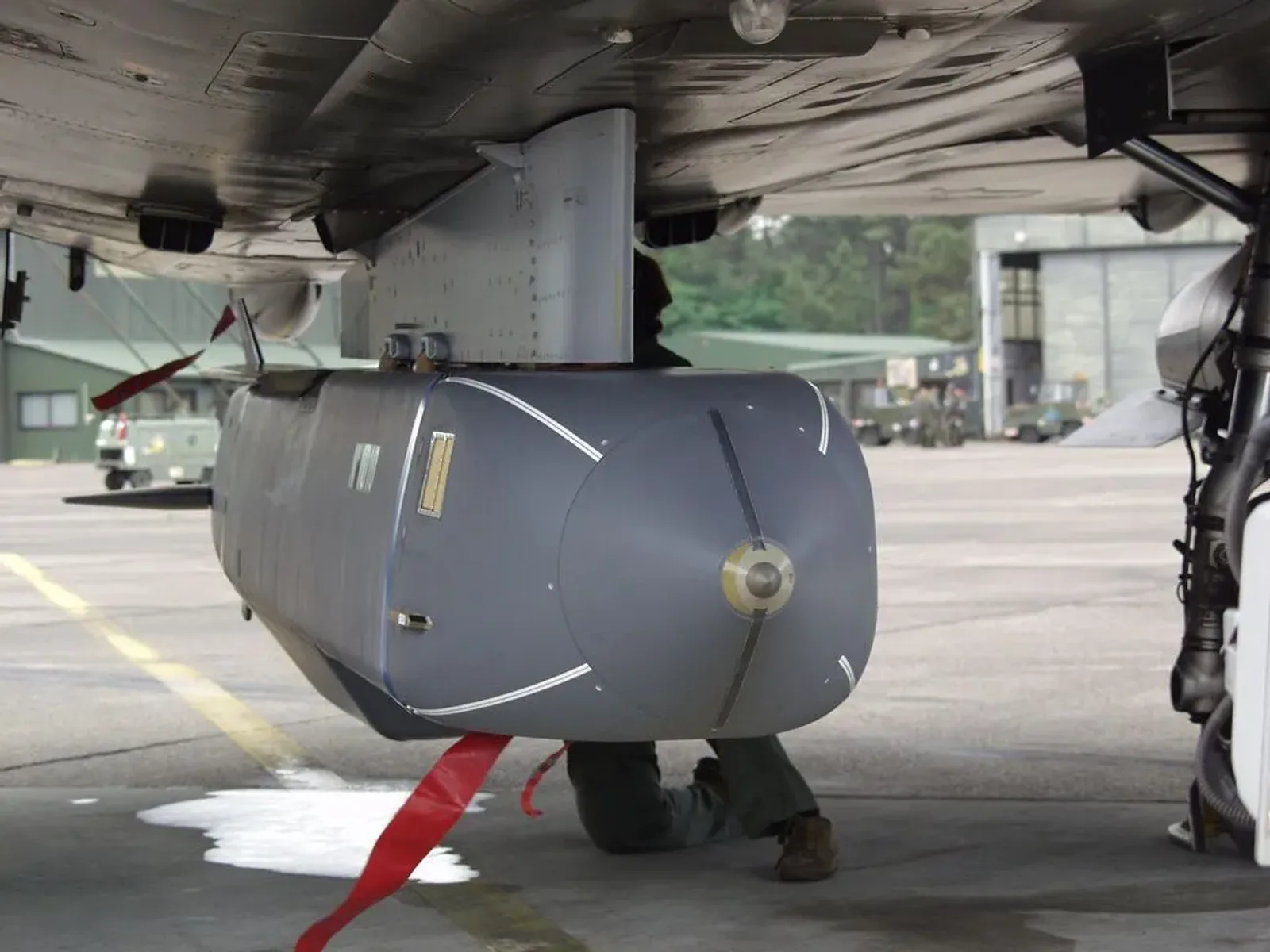
Rather than the visit being purely symbolic, Burnham used it to announce that the UK will share classified blueprints with Ukraine relating to UK components used in the Système de Croisière Autonome à Longue Portée (SCALP) air-launched cruise missile, known in the UK as Storm Shadow, manufactured by European missile house MBDA.
The move supports a French plan, initiated in June 2026, to set up licensed production of the turbojet-powered SCALP missile in Ukraine. Both the UK and France have previously provided Ukraine with SCALP/Storm Shadow missiles, which MBDA states have a range “in excess of 250 km” but are generally believed to have a range at least double that. These were provided by the UK from May 2023 and by France from July 2023 and were rapidly integrated onto Ukrainian Su-24М tactical bombers.
Burnham confirms UK resolve
Speaking to the BBC in Kyiv on 24 August, Burnham stated, “We’re unwavering in our support and that is why I am here, to send that very clear message to the Ukrainian people on their 35th Independence Day, and we are just continuing what we’ve done from the start, providing that back-up support.
“And this is technical support, going with what we’ve been doing from the very start, and we’ll continue to do that; nothing will change that.”
While in Kyiv, Burnham took part in Independence Day events and co-chaired his first meeting of the Coalition of the Willing: a group of 34 countries (plus Ukraine) that have pledged to support Ukraine’s efforts to counter the Russian invasion of that country that began on 24 February 2022.
The advantages of SCALP
While Ukraine has developed its own long-range weapons to strike Russian targets – the FP-5 Flamingo ground-launched cruise missile, for example, which entered serial production in August 2025, has a range of around 5,000 km – these are not particularly accurate or stealthy and are vulnerable to Russian air defences.
The SCALP missile, on the other hand, features a low-observable air vehicle that uses an advanced navigation system combining INS, GPS and terrain contour matching (TERCOM) technology, allowing it to maintain a low-level flight profile until it reaches its target and be much less vulnerable to hostile air defences. Its accuracy is further aided by an onboard infrared seeker that matches the target image with a stored picture to ensure a precision strike.