Hyundai Rotem’s K2 offer faces a challenging path in Brazil, amid competing proposals, budgetary constraints and questions over its suitability for the Army’s requirements.


Hyundai Rotem’s K2 offer faces a challenging path in Brazil, amid competing proposals, budgetary constraints and questions over its suitability for the Army’s requirements.
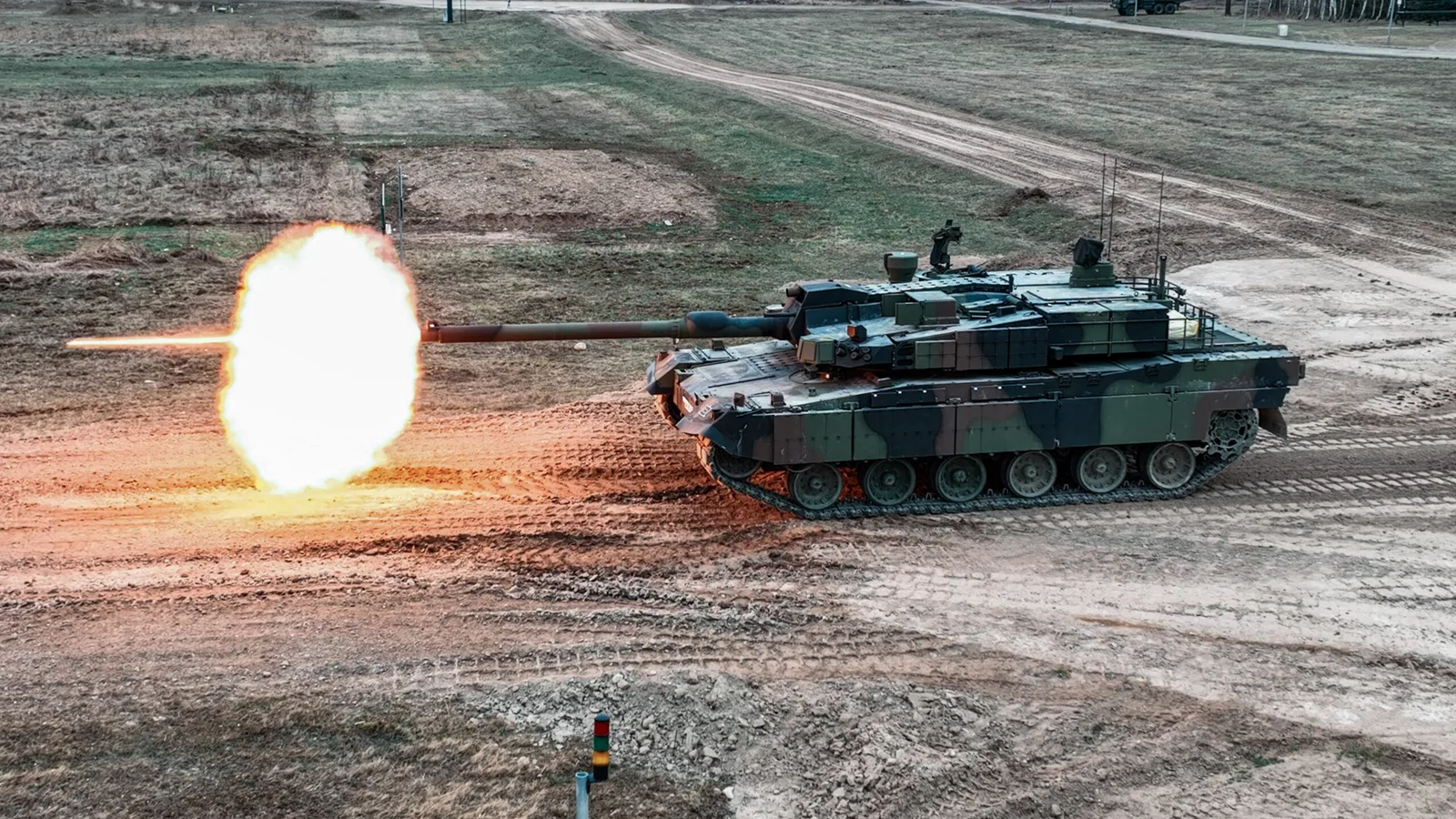
According to information published by the private intelligence agency Brazil Defense Briefing (BDB) on its LinkedIn page on 17 November 2026, Hyundai Rotem has begun holding meetings with the Brazilian Army to offer its K2 Black Panther main battle tank (MBT) for the force’s ongoing tracked armoured vehicle family programme, a subject Warsight has previously covered in depth.
The meetings began on 16 November, at the Duque de Caxias Palace, headquarters of the Eastern Military Command, in Rio de Janeiro. Further meetings are expected to take place throughout the week at the Brazilian Army Headquarters in Brasília.
According to Brazilian defence magazine Tecnologia & Defesa, Hyundai Rotem is expected to submit a formal, non-public proposal on 23 November 2026, at the South Korean Embassy in Brasília.
It is important to understand that, although the Brazilian Army establishes clearly defined technical requirements for its procurement programmes, these are not necessarily immutable.
As a public institution, the Army operates within a broader political, institutional and budgetary framework, meaning that programmes can be modified, suspended or cancelled as a result of changing priorities and political decisions. Consequently, decision-makers may influence procurement outcomes through legitimate institutional and political channels, potentially favouring alternative solutions over those initially envisaged.
A clear example was the Leopard 2 case in November 2025, when the German government reportedly offered the Brazilian Army 65 original Leopard 2A6 tanks, which would have undergone modernisation under a separate programme. Despite failing to meet several of the programme’s requirements, including the ≤50 tonne weight limit, considerable political efforts were reportedly made by decision-makers to pursue the potential acquisition.
However, the initiative ultimately failed for several reasons, including the fact that the vehicles were already ageing and would have required subsequent modernisation, further increasing the overall acquisition cost.
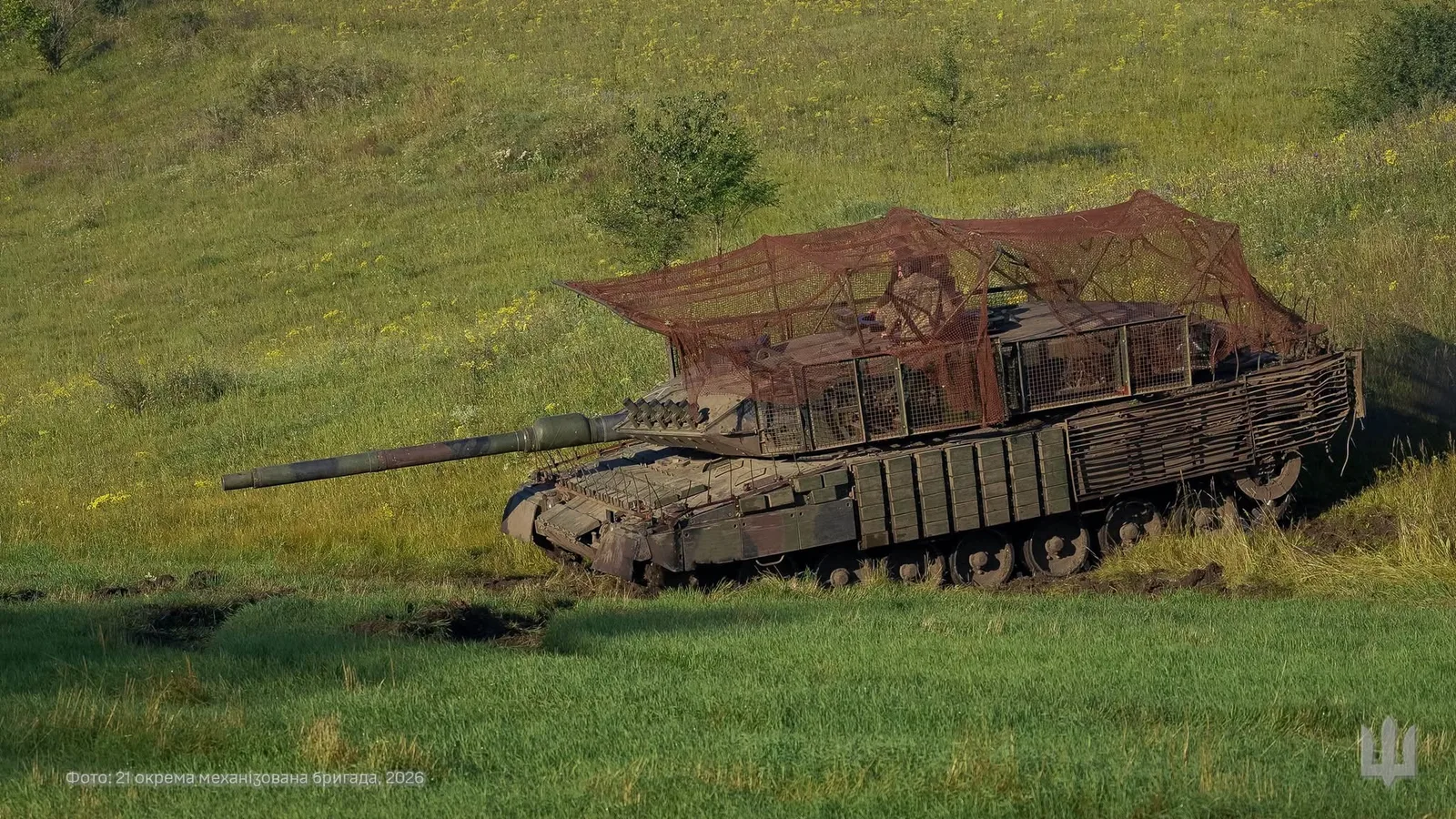
The South Korean K2 proposal, however, appears to have received a less favourable reception. According to Warsight sources with connections to decision-makers across various Brazilian Army units involved in procurement, development and manufacturing, the potential South Korean offer has, so far, failed to generate the same level of enthusiasm.
This may partly be because Brazil is not currently an operator of South Korean military equipment, while Hyundai Rotem’s prospective offer reportedly covers only the K2 MBT and does not include an infantry fighting vehicle (IFV). This contrasts with the German proposal, which also included 78 Marder 1A5 IFVs, or potentially other variants.
As a result, the Army would have to seek another supplier for the programme’s IFV requirement, potentially creating a more fragmented logistical structure than originally envisaged. This would add complexity to vehicle maintenance and sustainment, further undermining the programme’s original emphasis on common platforms to maximise fleet size while keeping acquisition costs under control.
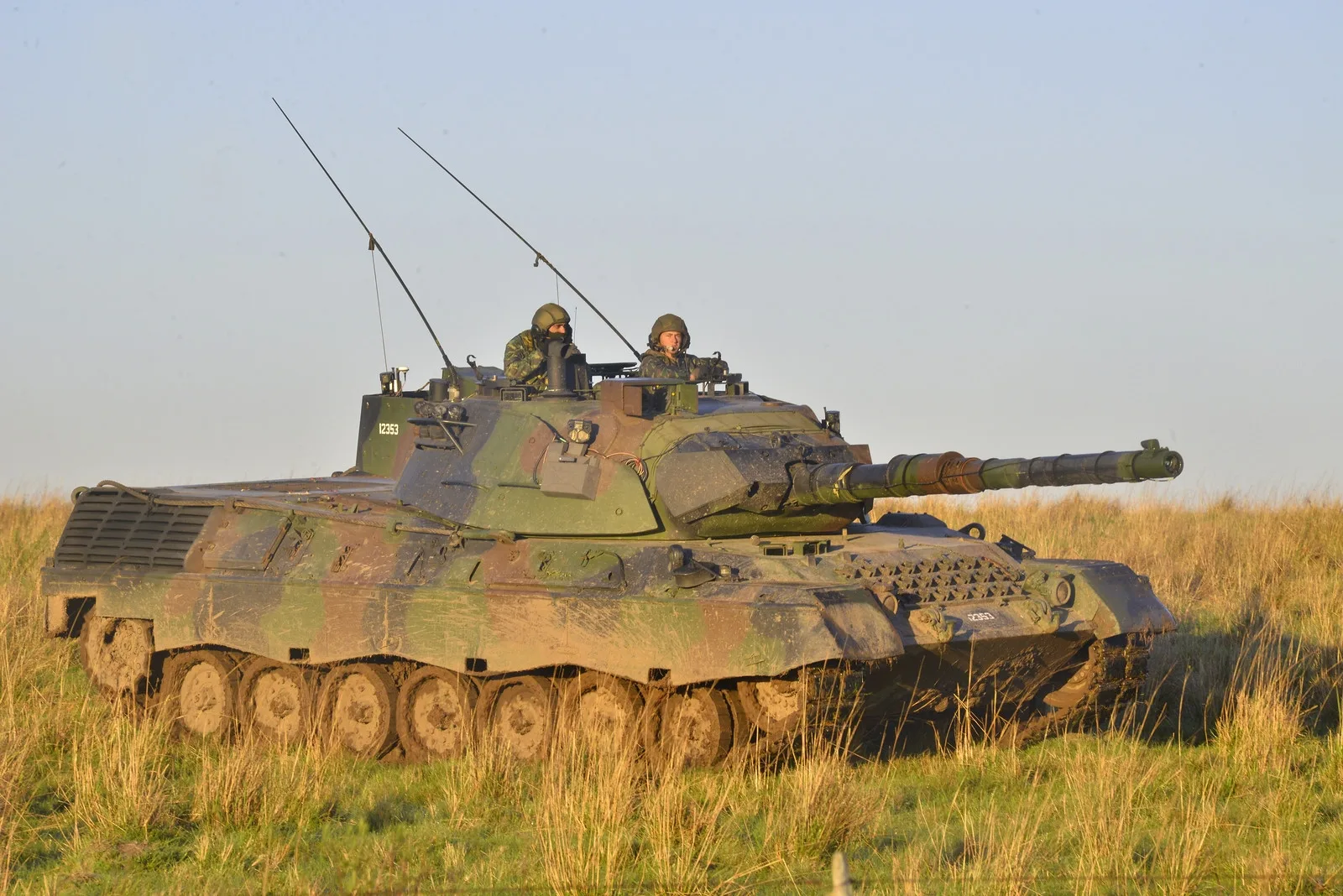
Furthermore, as Warsight previously reported, the introduction of a true modern MBT would require substantial changes to the infrastructure and support arrangements currently used to maintain and transport the Army’s Leopard 1A5 and M60A3 TTS fleets.
This could involve extensive upgrades or replacements to maintenance facilities and equipment, alongside the procurement of new heavy transport trucks and tank trailers. Such additional expenditure would place further pressure on the programme’s budget, potentially reducing the funds available for the acquisition of additional vehicles.
According to anonymous sources, several of the aforementioned military personnel believe that Hyundai may have approached Brazil with its K2 offer so close to the anticipated Request for Quotation (RFQ) stage, and under such unfavourable circumstances, as a move aimed at appeasing its shareholders.
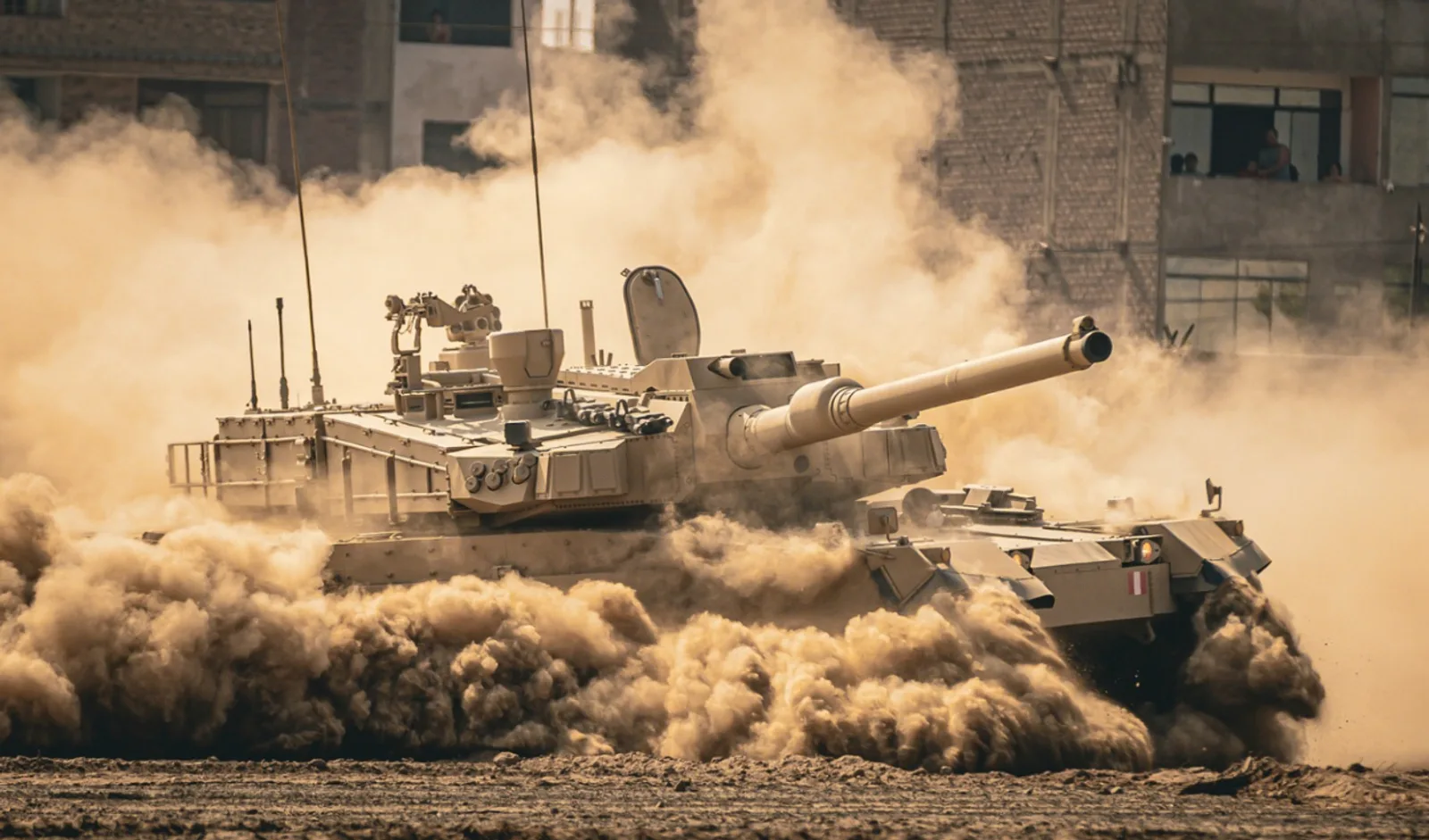
This line of reasoning follows from the Peruvian Ministry of Defence’s suspension of the planned contract signing for the acquisition of 54 K2 MBTs and 141 K808 6×6 armoured vehicles in October 2026, valued at approximately USD 1.4 billion (EUR 1.28 billion), due to a lack of funding. The impression, therefore, was that Hyundai Rotem needed to demonstrate growth prospects and export opportunities, even without an actual procurement taking place.
However, it is important to emphasise that these are merely opinions shared by several senior military officers, rather than confirmation of Hyundai Rotem’s intentions. This does not rule out the possibility of a highly competitive proposal that could bring the K2 into the spotlight within the Brazilian Army as early as 23 November. For the time being, however, its prospects of success currently appear limited.
This comes at a particularly challenging time for Brazil, which is facing severe budgetary constraints. Hyundai Rotem would also have to contend with competing proposals from established manufacturers, including Otokar’s Tulpar, offering 100% technology transfer and intellectual property rights for the Brazilian export version, and GDELS, with its ASCOD (Heavy).
Both of the aforementioned proposals envisage the integration of ARES’ UT-30 MK IIBR turret on their respective IFV variants, as well as the HITFACT II turret, armed with the 120 mm L/45 gun used on the Centauro IIBR. Both turret systems are intended to be manufactured in Brazil.