The pace of both uncrewed maritime technology development and its implementation is accelerating, as events in September 2026 demonstrate.


The pace of both uncrewed maritime technology development and its implementation is accelerating, as events in September 2026 demonstrate.
September 2026 was a busy month for uncrewed maritime systems: while the dual between uncrewed surface vessels (USVs) took place in the Black Sea, the Robotic Experimentation and Prototyping using Maritime Uncrewed Systems (REPMUS) exercise was also underway in Portugal, featuring plenty of uncrewed maritime technology being tested.
Like the aerial drone market, the uncrewed maritime systems market is becoming increasingly congested. This analysis summarises and discusses recent developments to understand where navies will sail from here.
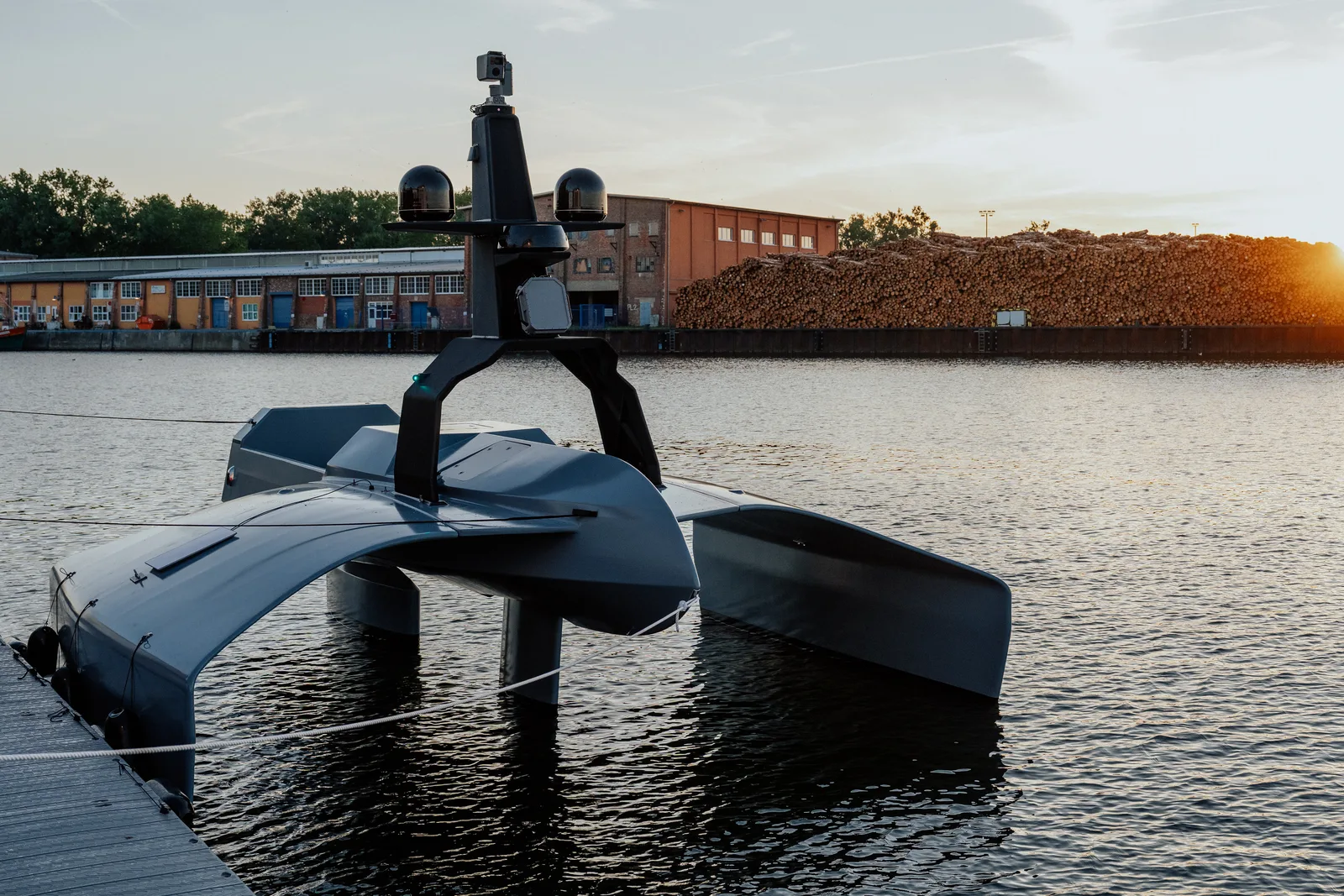
Two newcomers worth noting have entered the uncrewed maritime system market: Quantum Systems and Fassmer. Quantum is a well-known producer of uncrewed aerial systems (UASs). In Portugal, Quantum unveiled the Seavex and Subvex: two uncrewed platforms designed for “persistent surveillance, critical infrastructure protection and counter-UAS operations”. Described as a USV with “an endurance of up to two months”, the Seavex features a surveillance radar, a counter-drone radar and electro-optical sensors with onboard AI processing. More interestingly, Quantum explained that the Seavex can launch and recover uncrewed aerial vehicles: a useful capability. Meanwhile, the Subvex is an AI-enabled uncrewed underwater vehicle (UUV) “designed for autonomous ISR missions at depths of up to 6,000 m”.
Meanwhile, German shipyard Fassmer is already globally known for its portfolio of ships, both military and commercial. On 4 September in Hamburg, Fassmer and DNV signed a memorandum of understanding to develop and classify autonomous and remotely operated vessels jointly. The two companies will work together to review “operating concepts for autonomous vessels, test new supporting technologies, and build a roadmap toward certification”. No concepts or designs of potential USVs have been disclosed yet.
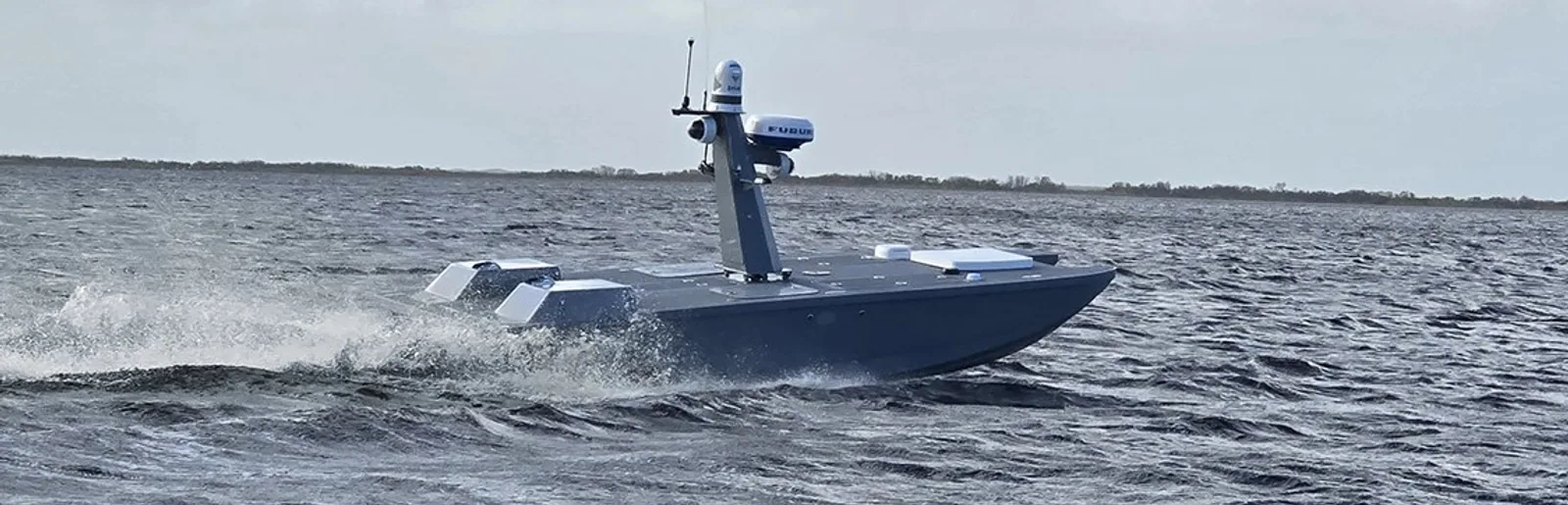
One company that already manufactures USVs but wants to increase production is Martac. In mid-September, the company announced a manufacturing partnership with Solace Boats, also based in Florida. According to a press release, this partnership will help Martac scale up production of its Devil Ray USV “by 100 vessels per year” to meet “increasing demand signals from US and allied-nation governments”.
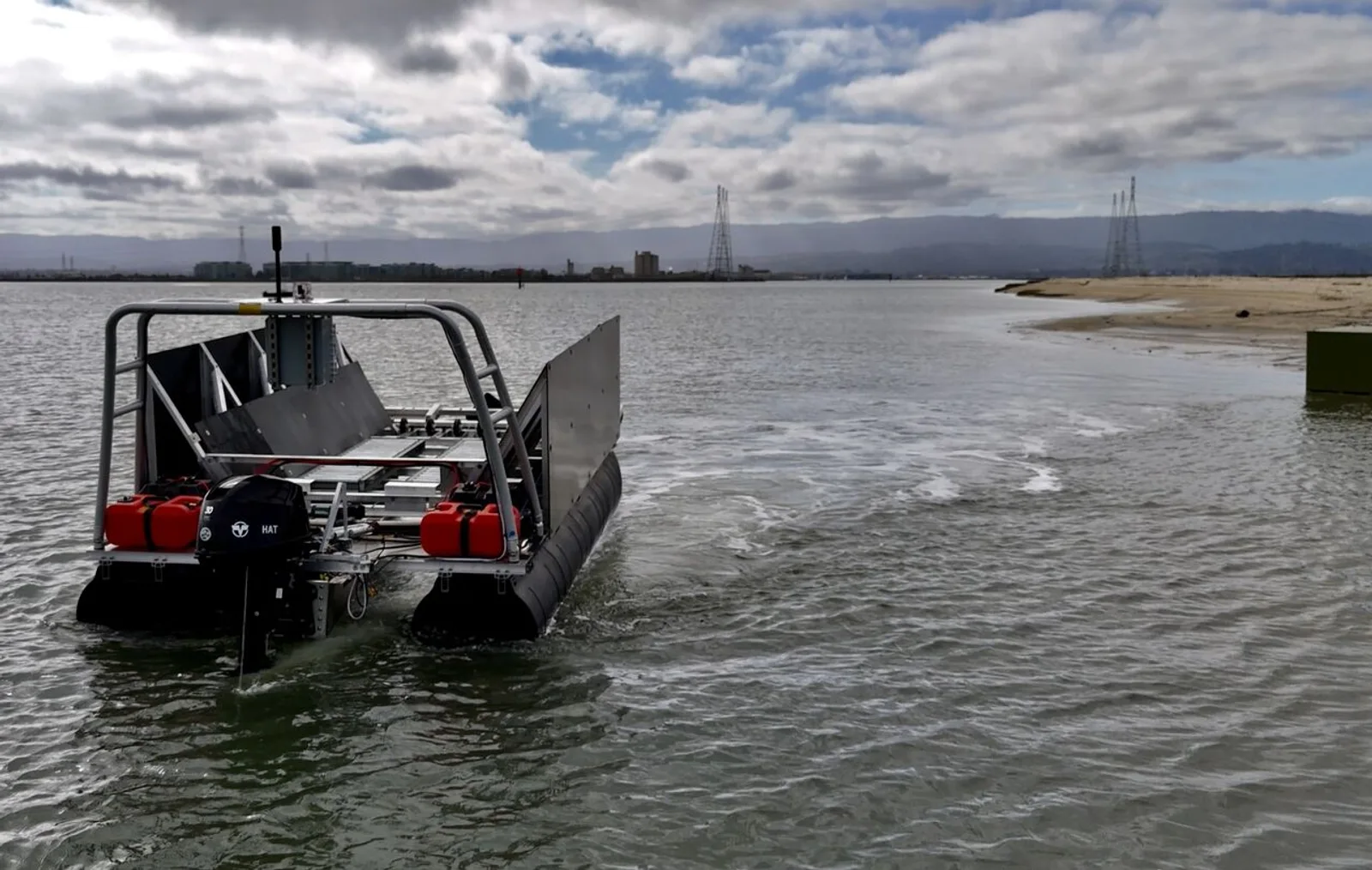
A final example is Bulwark Dynamics: a start-up manufacturing a very niche type of USV, called the Caravel, which is specifically designed to transport cargo for amphibious operations in contested environments. In September the company announced USD 6.8 million (EUR 6 million) in seed funding from investors including SBI US Gateway Fund LP, Archetype Ventures, Nēnē Ventures, and Japan’s Onomichi Dockyard. Moreover, Bulwark has reportedly signed a partnership with Onomichi for series production of the Caravel autonomous landing craft.
Partnerships are the optimal option for companies looking to enter the USV market and speed up development and testing, as well as production.
The waves of the future
Just like milestones in autonomous warfare have been achieved in the air and on the ground, it was inevitable that new milestones would be achieved in naval warfare as well. In June 2026, as the war between Iran and the United States continued, a US Army AH-64 Apache helicopter crashed during a patrol operation near the Strait of Hormuz. A USV called the Corsair, manufactured by Saronic and operated by the US Fifth Fleet’s Task Force 59, was deployed to pick up the crew from the sea. The operation has been described as the first publicised use of an uncrewed vessel deployed for a military search-and-rescue mission in a real combat situation. A few months later, meanwhile, came the highly publicised USV duel in the Black Sea.
While not as flashy as the two aforementioned examples, an additional milestone was also achieved this summer. The Pentagon has reported that in August the training support vessel USNS Vindicator refuelled a Martac Devil Ray T-38 USV at sea. Using a Sealartec Autonomous Replenishment at Sea (A-RAS) refuelling system, the US ship transferred a total of 400 gallons (1,818 litres) of fuel to the USV. The event took place in the waters off Joint Expeditionary Base Little Creek-Fort Story, Virginia, and was sponsored by US Fleet Forces Command, Naval Surface Warfare Center Dahlgren Division and Naval Surface Warfare Center Carderock Division. During the event the T-38 was captured via the Sealartec A-RAS system, refuelled and released.
Ronald Raymer, branch head for capability, innovation, science and technology integration at US Fleet Forces Command, explained the importance of this achievement. “This will allow us to have greater reliance on unmanned vessels … and we can push the USV into higher threat areas without risking manned vessels and personnel,” he said. Devil Ray developer Martac similarly praised the milestone, explaining in a press release that “the demonstration was achieved within seven months after the concept was first developed”.
There will always be a need for crewed hulls, both surface ships and submarines. However, several navies around the globe are heavily investing in uncrewed systems to develop hybrid fleets. The goal is for uncrewed vessels to take over some missions, freeing crews to focus on other activities. The Saronic USV deployed to rescue the helicopter crew is an example of a USV rescuing humans without putting other humans in danger.
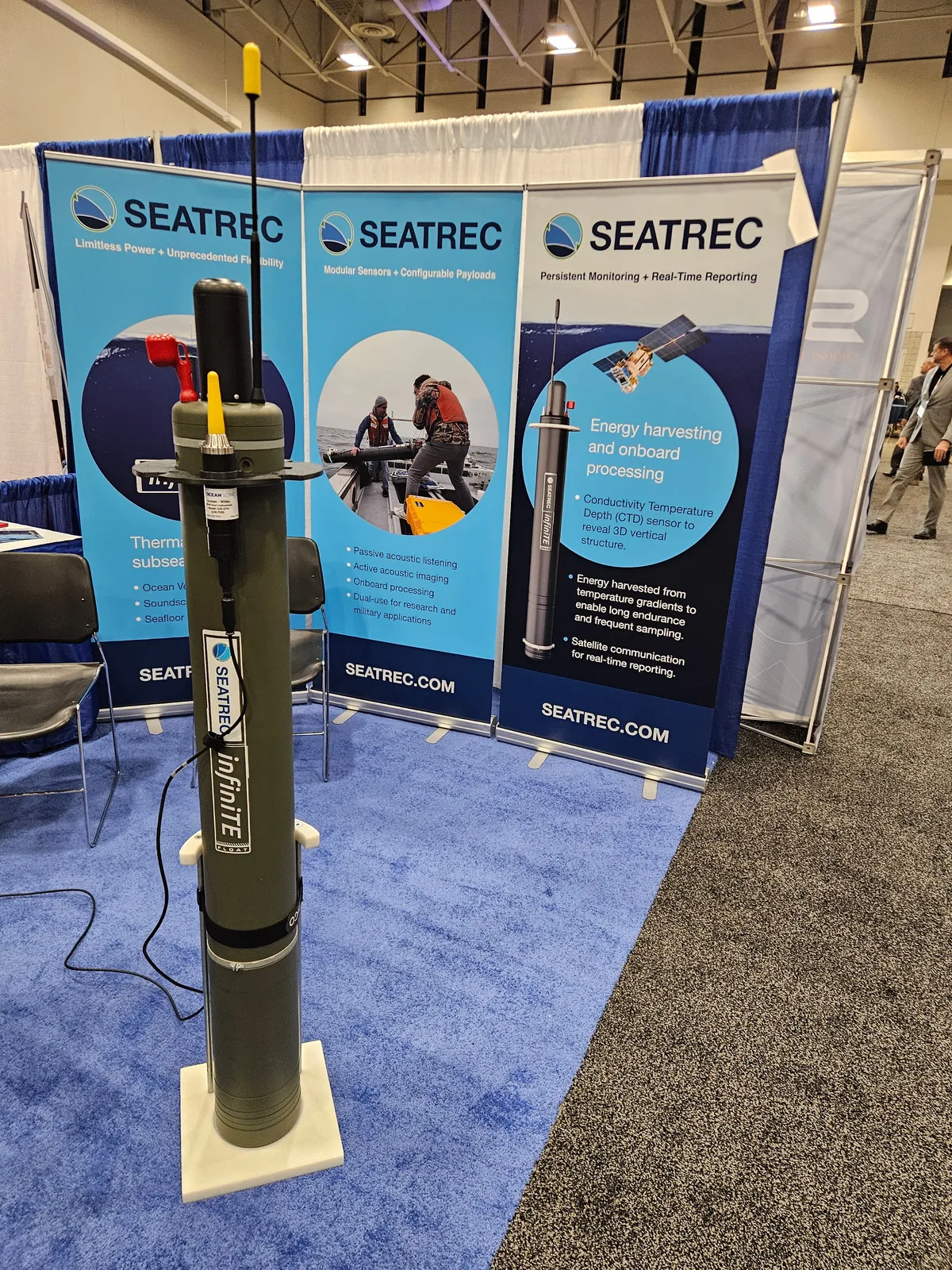
USVs like the Caravel, designed for cargo transport, can also be a game changer for supporting amphibious troops and ships in contested environments – for example, the island chains in the Asia Pacific during a conflict with China. However, these uncrewed vessels can also help in surveillance operations. For example, the company SeaTrec announced in July a USD 30.8 million award under the Accelerate the Procurement and Fielding of Innovative Technologies (APFIT) programme. The company manufactures the Persistent Subsea Autonomous Profiler (PSAP), which SeaTrec describes as an attritable subsea platform that delivers “persistent undersea domain awareness to US forces”. Essentially, the PSAP is a sensor that goes underwater and can be powered by ocean temperature gradients. The commercial version, the infiniTE float, can be launched by simply throwing it overboard.
During the Emerging Technologies for Defense Conference & Exhibition expo in September, SeaTrec President Dr Yi Chao discussed this new technology. In a conversation with Warsight at the expo the president confirmed that part of the contract with the US Navy involves exploring new methods to launch the PSAP, such as from a C-130 transport aircraft or UAV for rapid deployment. “We are trying to eliminate [crewed] ship operations because those are the high costs in a surface-denied environment,” Chao told Warsight. As for USVs, Chao confirmed, “We have already talked to USV companies. They [the USVs] could load 10 [PSAPs] on a platform and deploy them automatically, so you don’t need people on board.”
While recent developments demonstrate the uses and benefits of uncrewed platforms for navies, industry is similarly focused on designing a variety of USVs for multiple missions, along with technology and payloads that can be transported aboard uncrewed ships.
Another duel between USVs will certainly occur in the future, next time perhaps with a greater number of increasingly diverse assets.