Dynamic Mongoose 26: Portugal demonstrates building ASW layers

NATO Exercise Dynamic Mongoose 2026 off Norway generated a multi-layered anti-submarine warfare (ASW) challenge for participating navies, with three different submarine types present. One submarine was Portuguese, with the country sending a frigate and a maritime patrol aircraft (MPA) too.

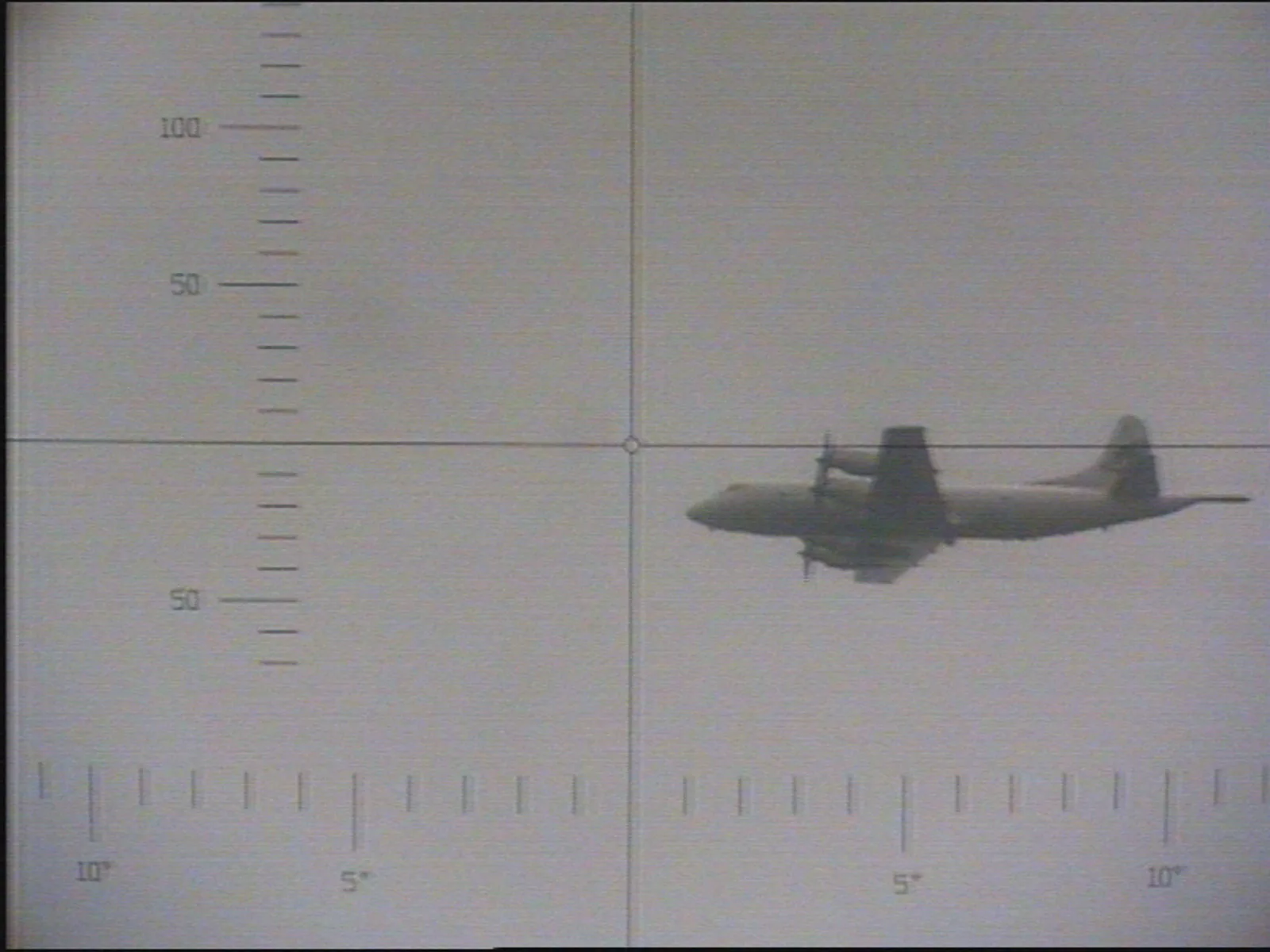
Portuguese Air Force P-3C on Exercise Dynamic Mongoose.
The presence of a Portuguese Air Force P-3C helped build, and demonstrate, Portugal’s contribution to layered ASW. (Portuguese Navy)
Dr Lee Willett

In mid-May 2026, submarines, surface ships, and maritime aircraft from nine NATO countries assembled in Norwegian waters for ‘Dynamic Mongoose’, the alliance’s annual North Atlantic-focused anti-submarine warfare (ASW) exercise.

In a statement released as ‘Mongoose’ got underway, NATO Allied Maritime Command (MARCOM) – the exercise lead, and the alliance’s theatre-level maritime component command – described the event as an advanced, multi-domain ASW activity designed to help NATO maintain a decisive sub-surface edge by challenging participating units in detecting, tracking, and countering threats.

The need for NATO ASW capability in the Norwegian Sea is real. In April 2026, the UK reported that alliance forces had detected and deterred Russian submarines targeting critical undersea infrastructure (CUI) broadly in the same waters ‘Mongoose’ covered. MARCOM has been sharpening the real-world operational relevance of its front-line exercises for some time. So, in terms of building ASW capability to demonstrate NATO deterrence and defence, ‘Dynamic Mongoose’ is an important activity occurring in an important region.

This was underlined by this year’s exercise being conducted within the framework of NATO’s ‘Arctic Sentry’ enhanced vigilance activity (eVA). This Greenland-Iceland-UK (GIUK) Gap-focused mission was established in January 2026, to enhance deterrence and defence – especially sub-surface – in Arctic and High North waters.

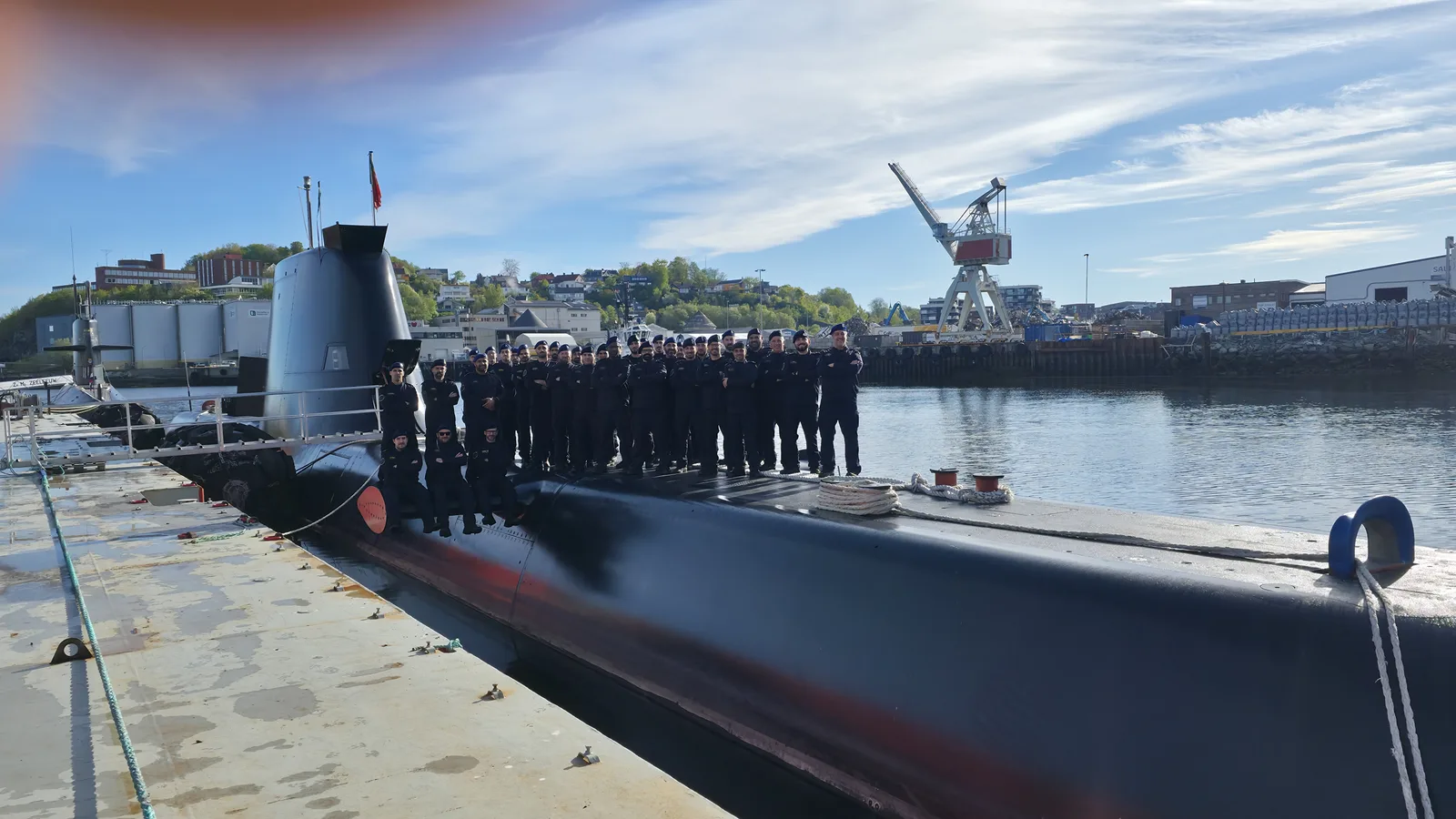
Given the requirement to deliver enhanced outputs in ‘real-world’ operational environments, NATO and its navies need greater complexity in exercises. ‘Dynamic Mongoose’ met this need, including through the presence of three different diesel-electric submarine (SSK) types – a German Navy Type 212A boat, a Royal Netherlands Navy Walrus class, and the Portuguese Navy’s lead Type 214 Tridente-class SSK.

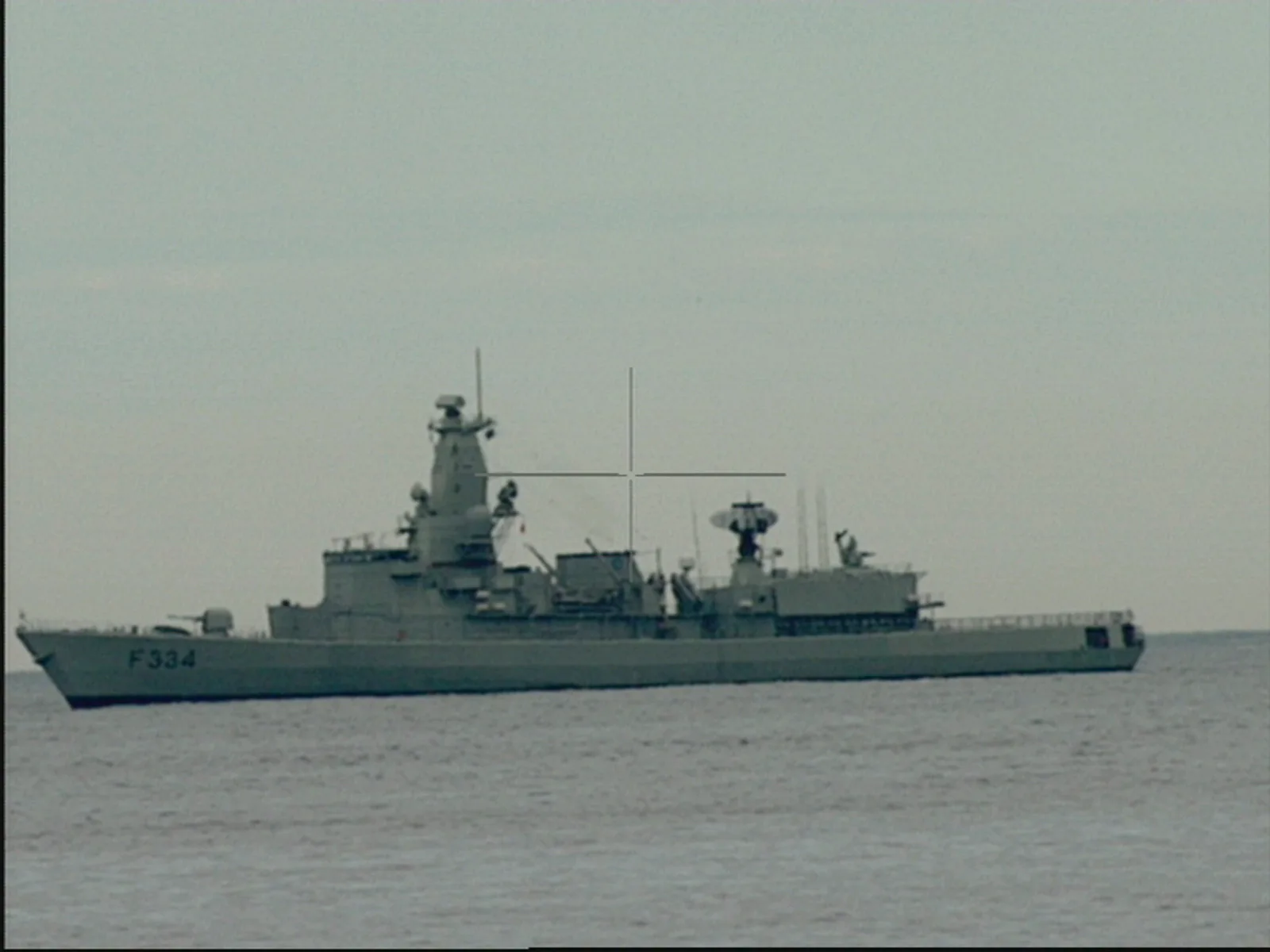
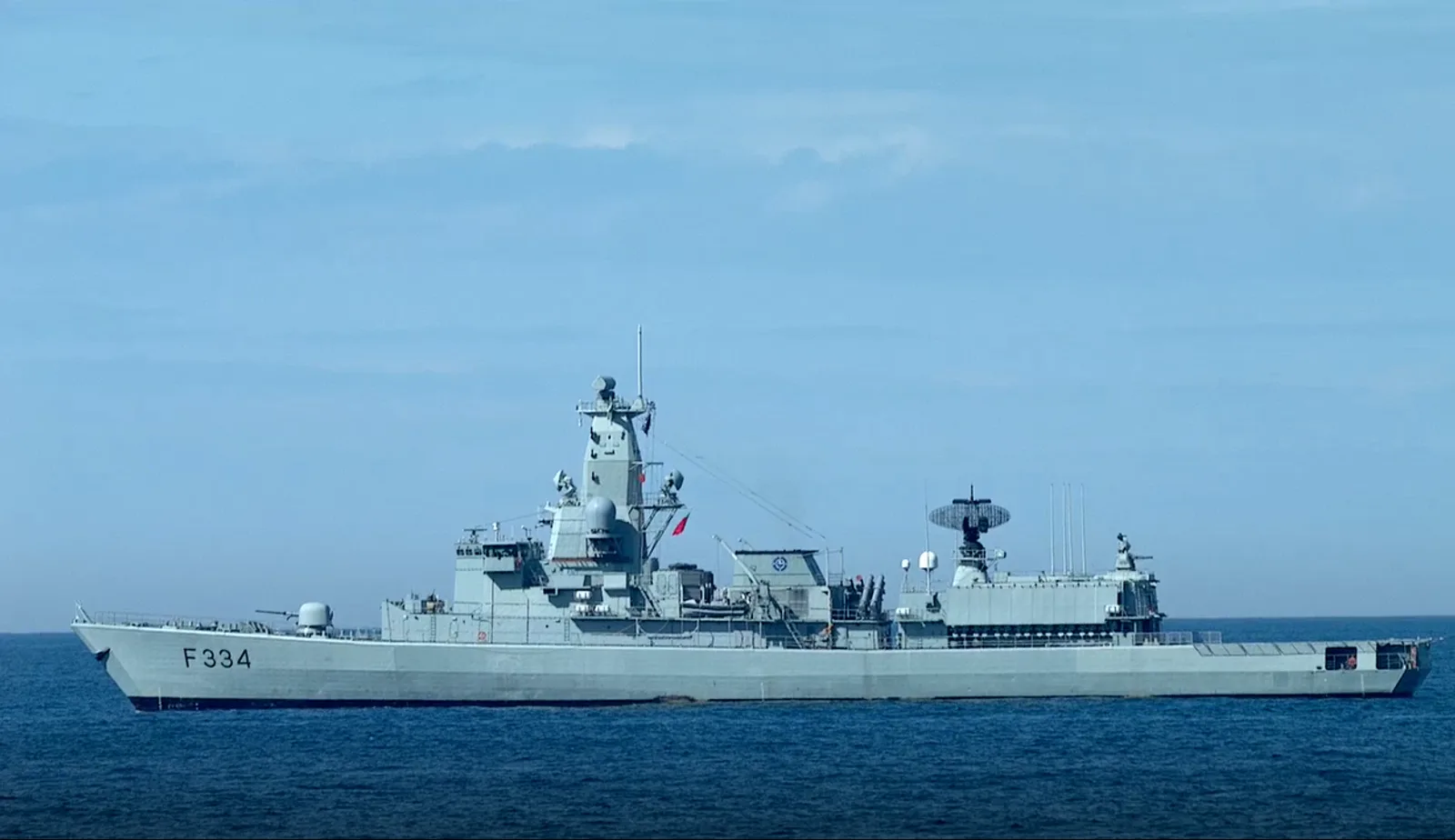
The Portuguese boat, NRP Tridente, was joined ‘up north’ by the navy’s Modernised M-class frigate NRP D. Francisco de Almeida, plus a Portuguese Air Force P-3 maritime patrol aircraft (MPA). This presence demonstrated Portugal’s national contribution to building NATO’s multi-domain ASW layers.

The Portuguese Navy’s M-class frigate NRP D. Francisco de Almeida and Type 214 submarine NRP Tridente work together on NATO’s ‘Dynamic Mongoose’ exercise. The two platforms’ presence helped build tactical-level anti-submarine warfare (ASW) skills and strategic-level deterrence.
The Portuguese Navy’s M-class frigate NRP D. Francisco de Almeida and Type 214 submarine NRP Tridente work together on NATO’s ‘Dynamic Mongoose’ exercise. The two platforms’ presence helped build tactical-level anti-submarine warfare (ASW) skills and strategic-level deterrence. (Portuguese Navy)

Complex ASW

“Maybe the biggest advantage of this edition of ‘Dynamic Mongoose’ was having three different submarines with three different technologies and characteristics,” Commander Nuno Agreiro, D. Francisco de Almeida’s commanding officer (CO), told Warsight in a roundtable interview in mid-July 2026, once the navy’s two platforms had returned home.

“From the surface unit perspective, it is very interesting to operate with three different platforms as targets, because the differences are quite [notable] between them,” Cdr Agreiro explained. “If we have to operate against a potential adversary submarine, this gave us indications about how our systems will perform against those real submarines.”

“As Western countries, we are used to operating and training against very well-trained submarine crews,” Cdr Agreiro continued. “If we are able to deal with the threat posed by NATO submarines, I would say we will be quite well prepared to deal with other platforms.”

The presence of the three different submarines brought tactical-level training benefit for surface ships and submarines alike. For example, all three boats operate with different tactics, techniques, and procedures (TTPs). Thus, Tridente’s CO Commander Paulo Macedo explained to Warsight, “Operating with three submarines [provides] a range of opportunities to train … not only the technical details of the platforms, but also how the crews operate those platforms.”

Such different TTPs are also shaped by the different platforms themselves, and their varying sensors and weapons, Cdr Macedo continued.

Cdr Agreiro added that such platform differences can include physical aspects like the submarines’ specific acoustic signatures, and tactical aspects like how the respective boat COs approach their mission and the detection risk they assume therein.

The use of different TTPs also applied to surface ships present. Even those carrying only hull-mounted sonar proved capable of evading, detecting, and attacking the submarines, Cdr Macedo added.

One such surface ship was D. Francisco de Almeida. Here, Cdr Agreiro explained, the frigate compensated for not having a towed-array sonar to help deny the submarines attack opportunities, by exploiting what it could do with its own hull-mounted sonar and by integrating its embarked Super Sea Lynx Mk95 helicopter with the Portuguese MPA.

Operating the helicopter and MPA together in the complex scenarios added a flavour to the exercise of how Portugal conducts ASW, Cdr Agreiro said.

It also enabled the assembled Portuguese forces to practise conducting ASW together at stand-off operational distances.

In turn, Tridente and its crew brought added training value for other participating assets through being proven on operations across NATO waters from the High North to the Mediterranean, Cdr Macedo said. Illustrating this point, sister submarine NRP Arpão has deployed on previous occasions down to the South Atlantic and up and under the Arctic ice.

The navy’s frigate D. Francisco de Almeida was able to build ASW skills by exercising against three different submarine types.
The navy’s frigate D. Francisco de Almeida was able to build ASW skills by exercising against three different submarine types. (Portuguese Navy)

Operational complexity

The large-scale, integrated nature of MARCOM’s ‘Dynamic’ series exercises like ‘Mongoose’ and ‘Manta’ (the Mediterranean-based, ASW-focused activity) provides the opportunity to train in complex serials against platform numbers and capabilities that a navy might not have, Cdr Macedo said.

The complexity in ‘Dynamic Mongoose’ was illustrated by the exercise vignettes themselves. For example, many surface ship serials were multidomain activities lasting up to 24 hours.

“Those were more interesting, in terms of sustainability and managing the crew to ensure we kept a very high readiness ASW state for long periods of time,” said Cdr Agreiro. “Transiting in a large area for a long period, and having three submarines as threats with different characteristics, was [both] very challenging and very beneficial in training terms.”

Sentry duty

Despite the routine high-profile nature of ‘Dynamic Mongoose’ itself, the two platforms’ deployment was built around opportunities to contribute to real-world operations – an approach that has become the navy’s priority in recent years. It now integrates exercise participation into wider operational deployments.

On departing from Lisbon in early Apri 2026l, D. Francisco de Almeida deployed into Standing NATO Maritime Group 1 (SNMG1), MARCOM’s North Atlantic-focused, escort ship-based standing naval force (SNF). SNMG1 then proceeded into the Baltic Sea, to patrol for around a month on NATO’s CUI security-focused ‘Baltic Sentry’ EVA mission. The group then sailed north for ‘Dynamic Mongoose’.

Tridente also sailed in April, supporting two NATO operations: first, participating in the North Atlantic/Baltic defence and crisis management activity, ‘Brilliant Shield’; and second, supporting ‘Arctic Sentry’, including while deployed on ‘Mongoose’. The boat then returned south to participate as an underwater training target for naval assets at the UK Royal Navy’s (RN’s) Fleet Operations and Standards Training (FOST) programme.

While participating in specific operations and exercises, the submarine – and frigate alike – will be constantly monitoring the surrounding seas and shipping. “Every time a submarine is at sea, we are supporting the maritime situational awareness activity or operations in the geographic area,” said Cdr Macedo.

For Cdr Agreiro and his frigate, deploying on ‘Baltic Sentry’ provided the opportunity to engage in and understand an operation and a region that does not always receive much attention in Portugal given its physical distance to the north, but from where the impacts on Portuguese interests are real. Cdr Agreiro highlighted not only, from a security perspective, the wider conflict risk for all NATO countries generated by events in the Baltic but, from an economic perspective, how security issues at sea there may impact Portuguese-flagged merchant shipping for example.

In this context, the frigate generated visible presence and conducted monitoring activities in the region. “It’s very important to show Portuguese presence, and Portugal’s commitment to [allies], particularly in the Baltic,” said Cdr Agreiro. “It’s very important to show our willingness and our commitment to their security, because this sends for sure a strong signal from the alliance in terms of deterrence and cohesion.”

The submarine Tridente conducted various activities while deployed, including supporting NATO’s ‘Arctic Sentry’ and ‘Brilliant Shield’ missions as well as ‘Dynamic Mongoose’, conducting FOST training with the Royal Navy, and undertaking port visits in Norway and the UK.
The submarine Tridente conducted various activities while deployed, including supporting NATO’s ‘Arctic Sentry’ and ‘Brilliant Shield’ missions as well as ‘Dynamic Mongoose’, conducting FOST training with the Royal Navy, and undertaking port visits in Norway and the UK. (Portuguese Navy)

Early-warning layer

Such forward presence helps build deterrence for national interests, too – for Portugal, at what might be termed ‘strategic distance’ from home.

At a national level, Portugal’s territorial waters and exclusive economic zone encompass a triangular area extending from Portugal, south to Madeira, and west to the Azores. This triangle overlays an area through which Russian naval and commercial fleet traffic likely will sail when transiting between northern waters and the Mediterranean.

Consequently, understanding what threats may be heading south from Arctic and North Atlantic waters underlines the importance of the navy’s forward presence up there.

“Patrolling that area of the globe enhanced our skills, in an area that can be seen as an early warning layer of deterrence for our Portuguese territories,” Cdr Macedo explained. Emphasising Portugal’s need to build layered deterrence and defence at distance to the north (and to the southeast, in the Mediterranean) while hoping such deterrence and defence is not needed, Cdr Macedo added “If you reach the fence, we’ll be near.”

Building forward presence to deter an adversary at distance in the Norwegian Sea requires the capability to operate and fight effectively in that region too, Cdr Agreiro added. “That is the main objective. To be able to fight in that region, we have to go there to practice that.”

With ‘Dynamic Mongoose’ occurring in a region where the navy wanted to have impact, “It made sense for us to be there, including with our highest capability,” Cdr Agreiro continued. “By assigning our units to the SNFs, NATO’s highest-readiness naval forces, we must be prepared to act within the NATO area of responsibility – which includes the Baltic and North Atlantic – and to understand and operate in those areas where not only the geography but also the weather and the sea state are changing, and are different from what we have here.”

Cdr Macedo noted some elements of the training undertaken with his submarine – both before and during the deployment – to prepare for maximising its operational output and impact. The crew focused on understanding the geophysical environment including the weather and water temperature – and how the former may shape the submarine’s endurance through determining optimum snort times (as a ‘diesel boat’), and how the latter may impact acoustic aspects like sound speed profiles. It focused too on understanding the operational environment in the waters the boat would be patrolling, including patterns of life (such as naval and commercial shipping movements) plus potential threats.

Underlining how understanding patterns of life in the Baltic and Norwegian seas can inform security closer to home, in February 2026 the Portuguese Navy deployed assets to monitor a Russian cargo ship, MV Sparta IV, off southern Portugal. A month later, the vessel sailed through the English Channel and North Sea, under observation by RN assets. According to RN reports, Sparta is a transport ship, one that has been escorted through UK waters on occasion by Russian naval vessels.

Share post

You may be interested in

Categories

All NewsOperationsSea

Used tags

anti-submarine warfare (ASW)ASWNATONorwayPortugalRussiaRussian shadow fleetUK

Similar posts