Trump remains immobile in Iranian quagmire of his own making

On 28 May US President Donald Trump claimed with regard to Iran, “We have all the cards because we’ve defeated them militarily.” A current analysis of the US/Israeli conflict with Iran suggests the opposite.

President Trump
US President Donald Trump speaks about the conflict with Iran at the White House on 6 April 2026, flanked by Defense Secretary Pete Hegseth. At the time a missing US Air Force F-15E weapon systems operator had just been rescued from potential captivity in Iran. (White House)
Pete Felstead

When US President Donald Trump unleashed Operation ‘Epic Fury’ against Iran, alongside Israel’s Operation ‘Roaring Lion’, on 28 February 2026, he initially stated that he expected the conflict to last for “four to five weeks”.

Yet he did not bargain for the kind of asymmetric conflict the war with Iran turned out to be.

Instead, the conflict, notwithstanding its ‘on and off’ nature, has now entered its sixth month, with still no sign that the Trump Administration has any coherent ideas about how to adequately resolve it in any way that could be positively spun. As Warsight has previously reported, Trump has found that successfully concluding a war is a lot more difficult than starting one.

The on again/off again war

Trump first declared victory over Iran on 7 March when, smarting from the refusal of the United States’ European allies to be drawn into the conflict, Trump wrote on his Truth Social media channel, “We don’t need people that join wars after we’ve already won!”

Yet by 9 March Trump was already saying that the war was “very complete, pretty much”, while stating of the Iranians “They have nothing left. There’s nothing left in a military sense.”

Thus, the pattern was set under which Trump would alternately declare victory over the Iranians and then threaten them with further military action – so much so that on 2 July Hunter Biden, son of former Democratic US President Joe Biden, took to the X social media channel to mockingly state that he was officially nominating Trump for the Nobel Peace Prize that he’s always unrealistically coveted.

“No President in history has ended the same war so many times,” Biden wrote. “Our Dear Leader has ended the war with Iran at least 38 times by CNN’s count. No President has ever done this before. And he is nowhere near finished ending it.”

By mid-June there appeared to be a breakthrough in peace talks that led to President Trump and Iranian President Masoud Pezeshkian remotely signing the Islamabad memorandum of understanding (MoU) between the two countries on 17 June that was meant to bring the conflict to a close.

By 26 June, however, US Central Command (CENTCOM) was back to launching strikes at Iranian targets in response to apparent Iranian ceasefire violations and the conflict resumed in earnest, including 13 consecutive nights of attacks on Iran by CENTCOM forces – and retaliations by Tehran. Then, on 26 July, Trump halted the military campaign again on the recommendation of CENTCOM chief Admiral Brad Cooper, who reportedly cautioned that US military operations against Iranian targets had largely reached the limits of their effectiveness unless Washington was prepared to notably escalate its military campaign. That said, Iranian missile and drones strikes and US retaliatory strikes have continued, as have attacks by the Yemen-based, pro-Iranian Houthi militia, which first entered the US/Israeli conflict with Iran with a ballistic missile attack on Beersheba on 28 March.

Holding all the cards

On 28 May, during an interview with Fox News, Trump claimed with regard to Iran, “We have all the cards because we’ve defeated them militarily.”

While Trump’s most ardent support might have taken that at face value, it is hard to see how any objective observer of the US conflict with Iran believes it. Indeed, it is Iran that holds a significant number of crucial cards, and increasingly so.

Choking off the strait

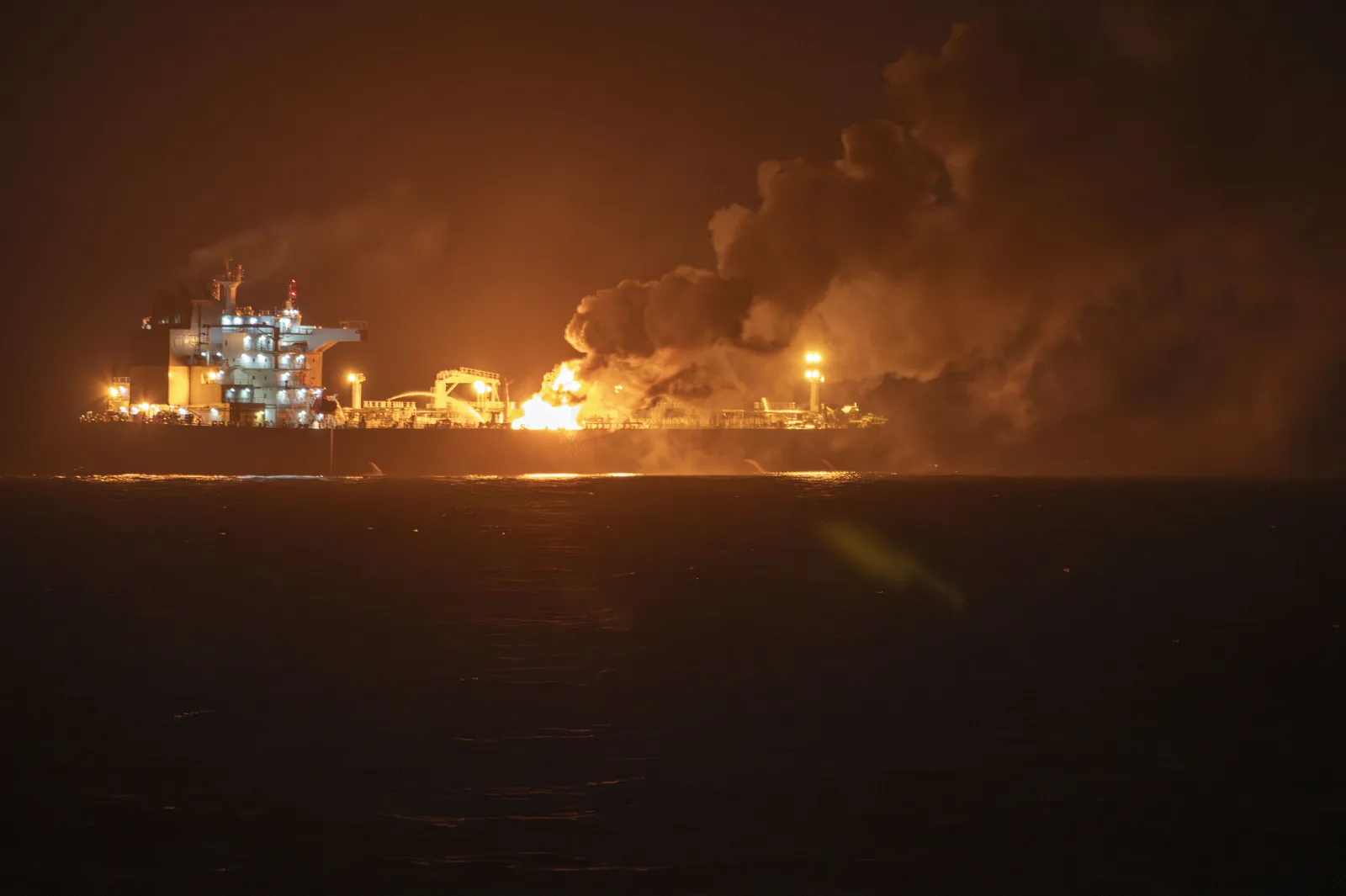
The most obvious ace up the sleeve that Iran holds is that, at any point, it retains the ability to choke off international shipping through the Strait of Hormuz with attacks against international shipping, quite regardless of how successful those attacks ultimately are. The effects of this are felt on a truly global scale, but most crucially by US oil-producing allies in the Gulf.

Before the US-Israeli attacks on Iran began on 28 February, the price of Brent crude traded at around USD 72.48-73.00 per barrel. Since then that price has yo-yo’d with the on again/off again nature of the conflict, peaking at almost USD 124 per barrel on 30 April while being pegged at almost USD 85 on 11 August.

Prior to the conflict about a fifth of global oil and liquefied natural gas freely flowed through the Strait of Hormuz. Tehran’s current position is that it is calling for sharing future management of the critical waterway with Oman, the territory of which includes the peninsula south of the strait as well as the coastline south of the approaches to the strait from the Arabian Sea.

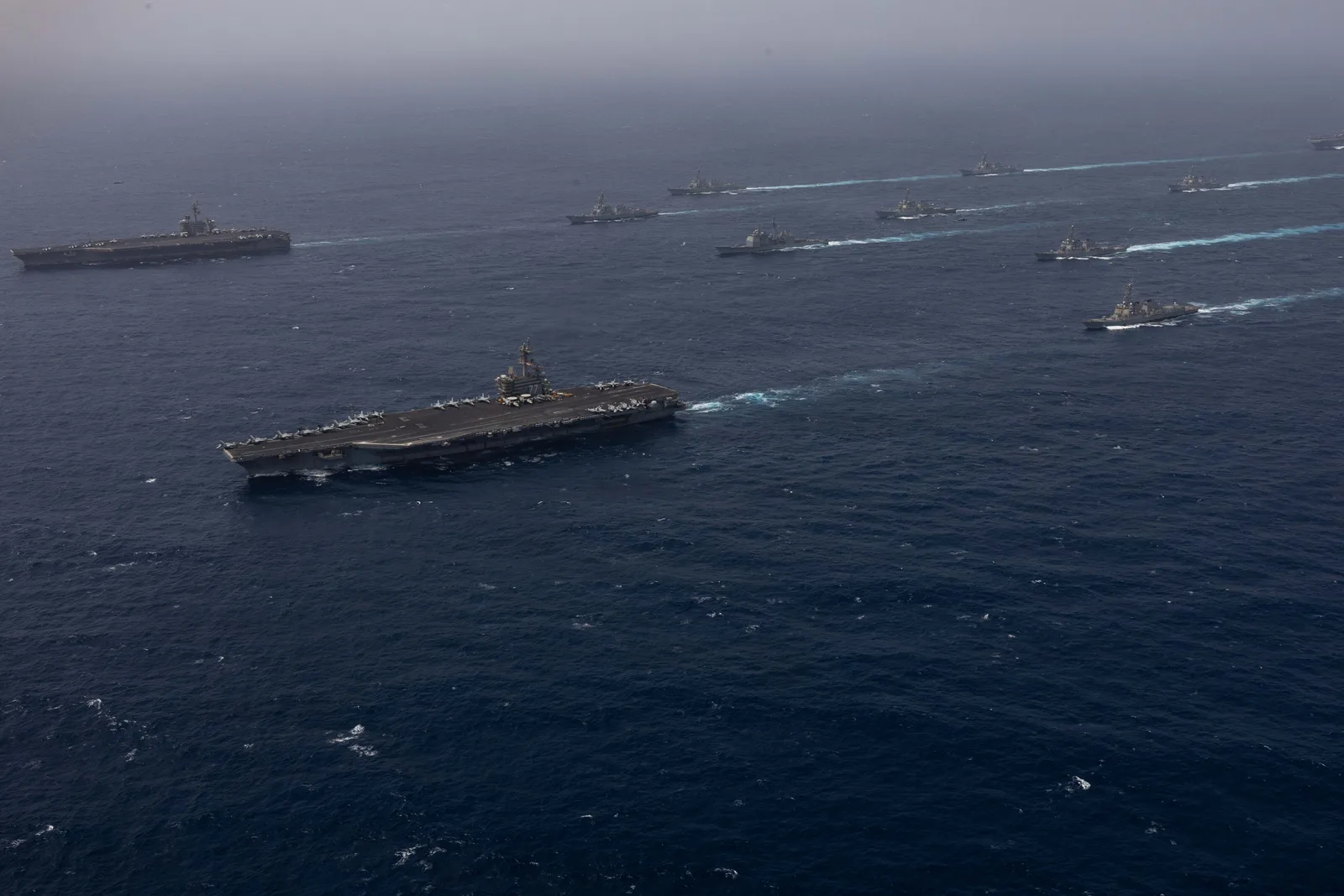
Flugzeugträger USS George H.W. Bush und ein weiterer Träger der Nimitz-Klasse mit Begleitschiffen im Flottenverband im Arabischen Meer
US Navy warships, including the Nimitz-class aircraft carriers USS George H W Bush (CVN-77) and USS Abraham Lincoln (CVN-72), transiting the Arabian Sea in close formation on 30 July 2026. Conventional US naval and air power, however, can only do so much against Iran. (US Navy)

Time: not on Trump’s side

The spikes in the cost of oil, which is having a resultant effect on gasoline and other commodity prices in the United States, is detrimentally affecting what US Democrats have termed the US ‘affordability crisis’. According to the US Energy Information Administration, average US retail gasoline prices jumped from under USD 3 per gallon in January 2026 to a peak of USD 4.6 in May before arriving in July at USD 4.06.

This and other US cost-of-living hardships are contributing to President Trump recording record lows in opinion polling. According to The Economist’s tracker of polling by international internet-based market research and data analytics firm YouGov, by 9 August Trump was at a record overall low net approval rating of -27, with Trump’s net approval rating for his handling of inflation and prices specifically (by far the most crucial issue for Americans according to polling) reaching -44 in August: the lowest it has ever been in his second term as president. By the same polling analysis, Trump was under water on his handling of foreign policy by around -25 in July (compared to around 0 just after his inauguration in January 2025).

All of this bodes ominously for Trump’s Republican Party as the United States heads towards the US mid-term elections in November. If the Republican Party were to lose one – or indeed possibly both – houses of Congress in November, then Trump will serve out the rest of his term as a ‘lame duck’ president. Under those circumstances Trump will likely be pressed into ending his Iran adventure on terms that will almost certainly be negative, both for Trump personally and for the United States more generally.

Iran, of course, knows this and will be in no hurry to come to terms favourable to Trump. While the Iranian economy continues to be pummelled by the war and a US naval blockade, the Islamic Revolutionary Guard Corps (IRGC) maintains considerable control over the Iranian economy and can direct it according to the country’s war needs.

The munitions crisis

Even before Trump’s military adventure regarding Iran, the Ukraine War had made it clear to the US military – and those of other Western nations – that their stocks of munitions, especially high-end missiles, were inadequate for anything other than a short, sharp military operation.

By the end of May 2027, however, it became clear that the shortage of complex US munitions was becoming a major concern. A primary issue is that the expenditure of such weapons against Iran could leave the US military vulnerable and understocked in other parts of the world, such as with those forces facing the Chinese military in the Asia-Pacific region.

While the Trump Administration had sought to underplay the issue in recent months, giving assurances that it had enough weapons stocks to secure US interests, more recently the issue has come more into the open.

In response to media reports from outlets like Reuters and The Washington Post, on 6 August Trump posted on Truth Social to claim that “The US has massive amounts of ‘munitions’, especially of certain types. Additionally, large amounts are being manufactured and shipped to the US as needed. … The ‘leakers’ of these treasonous statements are being hunted down. Long-term jail sentences will be sought!”

However, according to a report by the Washington Post, US Deputy Secretary of Defense Steve Feinberg had written to US defence primes on 5 August urging them to “drive significantly faster, more aggressive delivery schedules and/or increased production for critical capabilities”, adding that “Years-long development cycles are not acceptable” and that “We must dramatically accelerate our program schedules and expand our production capacity now.”

The Center for Strategic and International Studies (CSIS), the US national security think tank, reported on 31 July that the US military “has used about half of the initial inventory for three … munitions (Patriot, THAAD, and PrSM) and about one third of the initial inventory for the rest (JASSM, SM-2/3/6, and Tomahawk)”.

The CIS noted that, while “enough remains for any plausible scenario in the war against Iran”, the risk “comes from potential future wars, particularly with China – but potentially also with Russia or North Korea”, adding that Operation ‘Epic Fury’ “has exacerbated this munitions problem, and a multi-year rebuild now looms ahead”.

The shortage of air defence interceptors in particular has had tragic consequences for the civilian population of Ukraine, whose armed forces no longer have the kind of interceptors required to counter Russia’s high-end missile threat. Numerous civilian deaths have been incurred in recent weeks in Ukraine because Russian-fired ballistic missiles, including weapons supplied by North Korea, simply cannot be countered.

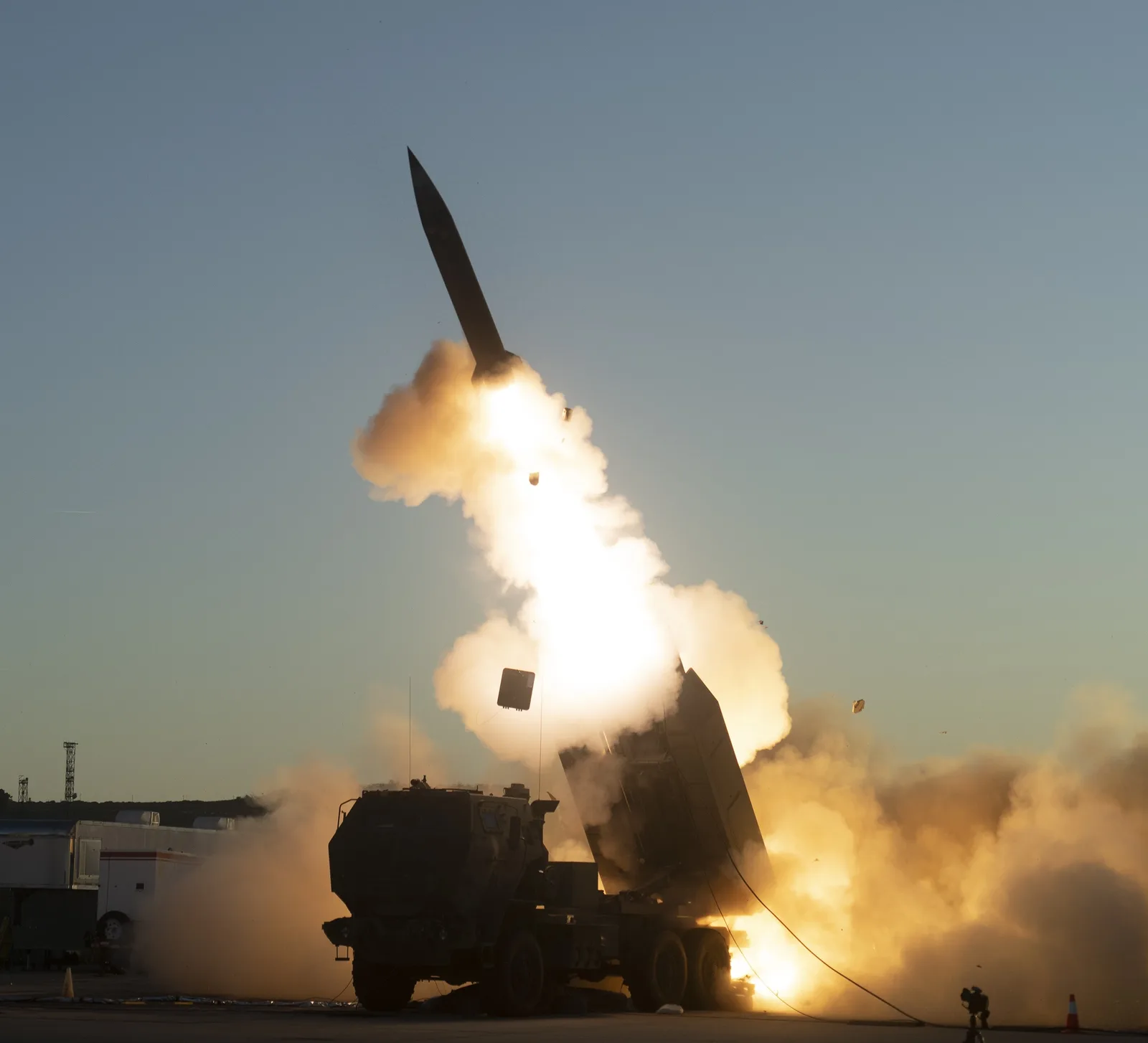
M142 HIMARS der US Army feuert eine Precision Strike Missile (PrSM) auf einem Testgelände ab
The test launch of a Precision Strike Missile (PrSM) from a US Army M142 High Mobility Artillery Rocket System at Vandenberg Space Force Base, California, on 19 March 2025. Because the PrSM is a relatively new munition and the US Army is still ramping up its PrSM stocks, the weapon’s use against targets in southern Iran has significantly depleted the PrSM inventory. (US Space Force/2Lt Andrew Taller)

Mounting casualties

While reports vary and cannot be verified, it has been estimated that Iran has suffered up to 6,000 deaths as a result of US/Israeli military operations against the country since 28 February. While that is a tragic death toll, it will, of course be absorbed by the regime in Tehran as it continues to defy the United States and Israel. Moreover, while prior to the war Iran was experiencing significant anti-regime protests in the weeks prior to the conflict, the Iranian population is effectively now resilenced, with little choice other than to endure the current situation.

In the United States, however, war casualties with regard to operations against Iran come at a greater political cost for the Trump Administration – particularly given how Trump had campaigned with his Make America Great Again (MAGA) movement with promises of keeping the United States out of futile, never-ending conflicts.

Official data from the Pentagon’s Defense Casualty Analysis System (DCAS) states that, as of 25 July, 18 US troops have been killed and 624 have been wounded since the Iran conflict began, with many of these casualties inflicted not on any front line but as a result of Iranian missiles and drone strikes on US bases in the wider Middle East region.

However, in a move criticised even by figures such as Republican congressman Thomas Massie and former commanding general of United States Army Europe Lieutenant General (rtd) Ben Hodges, the Trump Administration has disaggregated its Iran-related casualties; those killed or injured before 7 July are listed under Operation ‘Epic Fury’, while those listed from that date onwards (ie when the temporary ceasefire with Iran was deemed to be over) are listed under “Overseas Operations”.

Regardless of what categories the Pentagon decides to attribute its Iran-related casualties to, however, having them at all is not a good look for a president who had claimed he would keep the US military out of future wars.

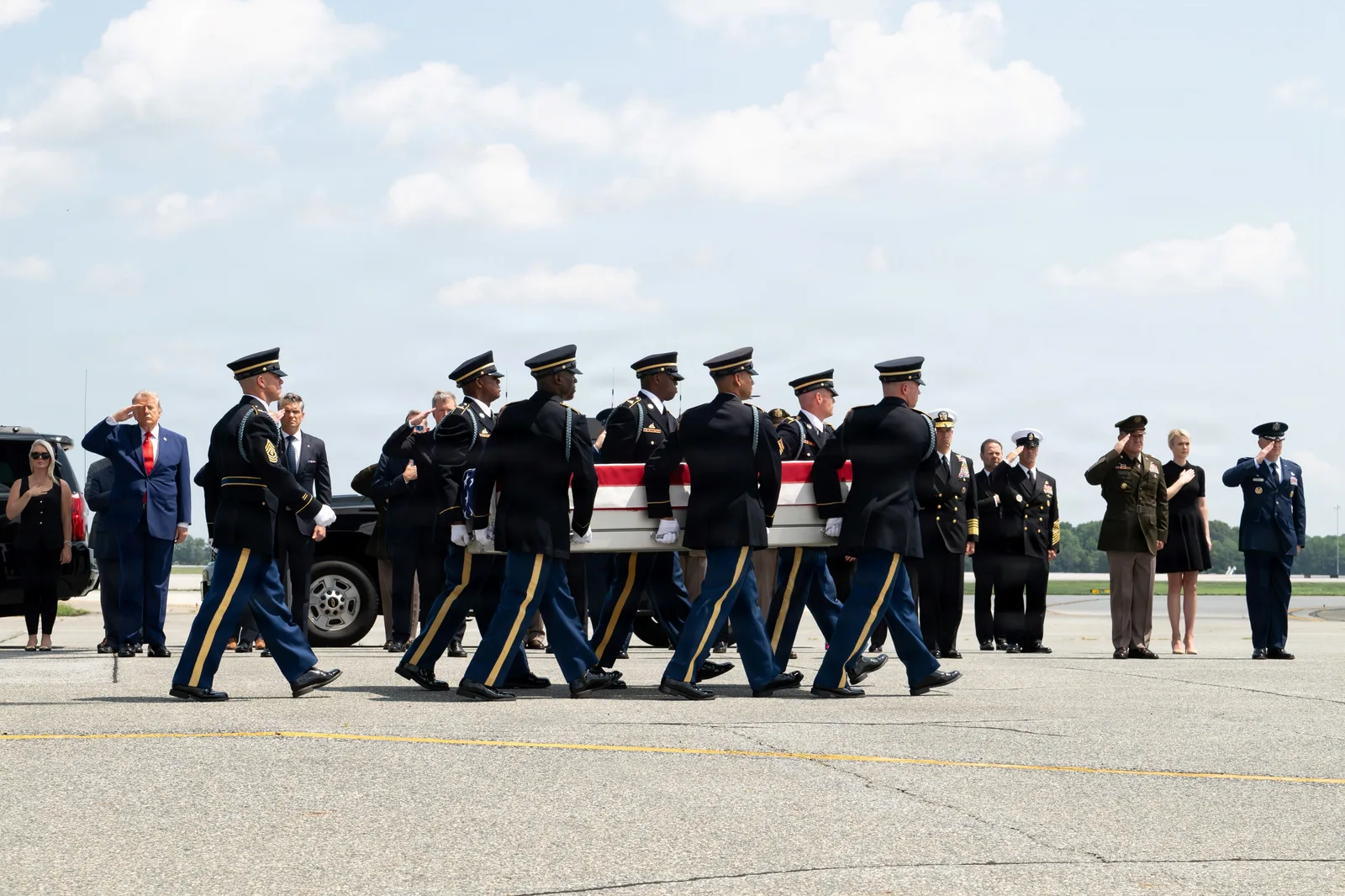
US-Ehrengarde trägt einen mit der US-Flagge bedeckten Sarg bei einer Zeremonie mit Donald Trump und Militärangehörigen auf einem Flugplatz
President Trump and members of his administration attending the dignified transfer of the remains of US Army Private Isabella Gonzales at Dover Air Force Base, Delaware, on 22 July 2026. Pvt Gonzales was killed on 17 July during an Iranian missile and drone strike on Muwaffaq Salti Air Base in Jordan. (USAF)

Israel: not under Trump’s control

On 20 May, while speaking to reporters before boarding Air Force One in Maryland, Trump said of Israeli Prime Minister Benjamin Netanyahu that he “will do whatever I want him to do”, yet by 7 June this was already being shown not to be the case, with Israel responding to Iranian ballistic missile attacks when Trump was urging restraint amid the attempted imposition of a ceasefire. Iran and Israel subsequently ended multipole exchanges of fire the following day.

The essential position of Netanyahu is that, having been indicted in 2019 on charges of bribery, fraud and breach of trust, he is fighting for his political life – and potentially his freedom from a jail sentence – while overseeing Israeli military operations against Iran as well as its regional proxies: Hamas in Gaza, Hezbollah in Lebanon and the Houthis in Yemen. Although Netanyahu’s trial was initiated in 2020, the Israel’s response to the Hamas terrorist attack of 7 October 2023 and also Operation ‘Roaring Lion’ against Iran since 28 February have significantly delayed legal proceedings. Moreover, if Netanyahu is perceived to have presided over successful military operations against Israel’s enemies, his chances of receiving a pardon from Israeli President Isaac Herzog are likely to improve, although there is no precedent for a pardon being issued mid-trial. Netanyahu has denied the allegations against him, while under Israeli law a prime minister is under no obligation to stand down unless convicted.

Thus, given his predicament, Netanyahu has priorities that are more urgent than trying to keep Trump happy. The Israeli prime minister’s most recent rejection of compliance with Trump came on 9 August, when Netanyahu announced that Israel has rejected Trump’s 15-point peace plan for Gaza. The plan was contingent on Israel ending “all forms of aggression” and withdrawing its forces from Gaza, but Netanyahu made it clear that the Israel Defence Force “will not carry out any withdrawal until Hamas is genuinely disarmed and will continue to thwart threats against our forces and our citizens”.

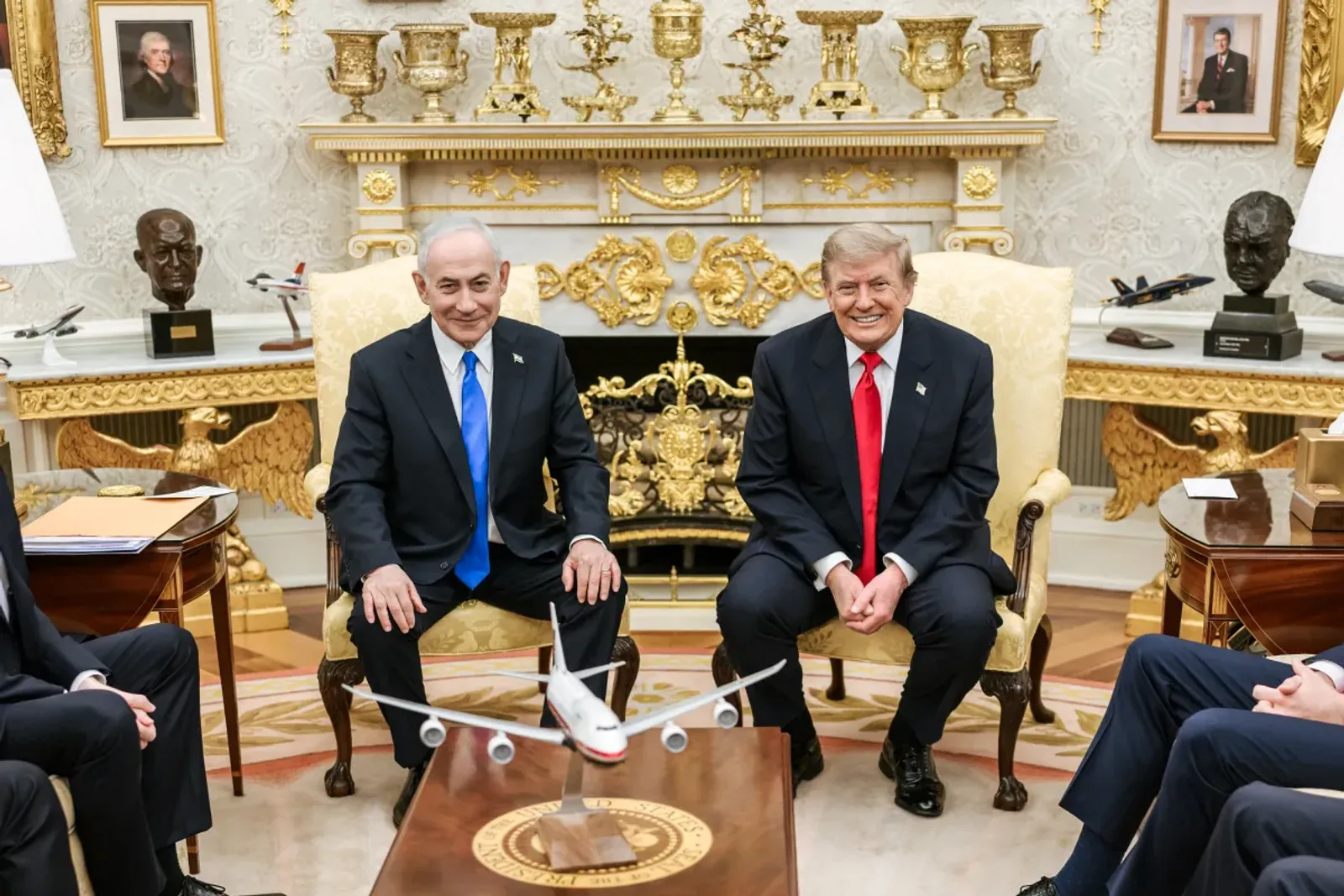
Benjamin Netanjahu und Donald Trump sitzen bei einem Treffen im Oval Office des Weißen Hauses vor einem Modell der Air Force One
President Trump and Israeli Prime Minister Benjamin Netanyahu are all smiles during a meeting in the Oval Office on 28 July 2026. Despite Trump’s claims that Netanyahu “will do whatever I want him to do”, that is clearly not the case. (White House)

A temperament not built for strategy

Infamous for being almost exclusively focused on the next 24-hour news cycle, President Trump is singularly ill-equipped to navigate through a military campaign and foreign policy initiative stretching out over several months. Yet, of course, this is not what Trump thought he was signing up for in the first place when agreeing to join Israel in a military operation against Iran. It is perhaps hard to recall now, but in the opening days of Operations ‘Epic Fury’ and ‘Roaring Lion’ there was open talk from the Trump Administration about regime change in Tehran before the realities of the conflict ultimately dawned.

Trump is also hampered by being no student of history, as evidenced by the fact that he saw no issue when invited by French President Emmanuel Macron in signing the US-Iranian MoU in the Palace of Versailles, despite it being a venue synonymous with failed peace plans; the Treaty of Versailles was signed there on 28 June 1919, which formally ended the First World War but ultimately led to the rise of Nazi Germany.

Donald Trump, Emmanuel Macron und Brigitte Macron gehen gemeinsam durch den Spiegelsaal im Schloss Versailles
President Trump touring the Palace of Versailles on 17 June 2026 with French President Emmanuel Macron and his wife Brigitte, on the day he signed the Islamabad MoU between Iran and the United States. Trump will have appreciated the sumptuous décor but not have been aware that the Palace of Versailles has a bad track record in terms of the signing of peace documents. (White House)

A president under threat

Beyond his political problems, meanwhile, President Trump has recently appeared to be subject to the prospect of an Iranian assassination attempt.

On 10 August the US progressive media company MeidasTouch posted video footage on X showing Trump playing golf at his Bedminster club the previous weekend where in the background could be seen what appeared to be an AN/TWQ-1 Avenger short-range air defence (SHORAD) system and an associated AN/MPQ-64 Sentinel SHORAD radar.

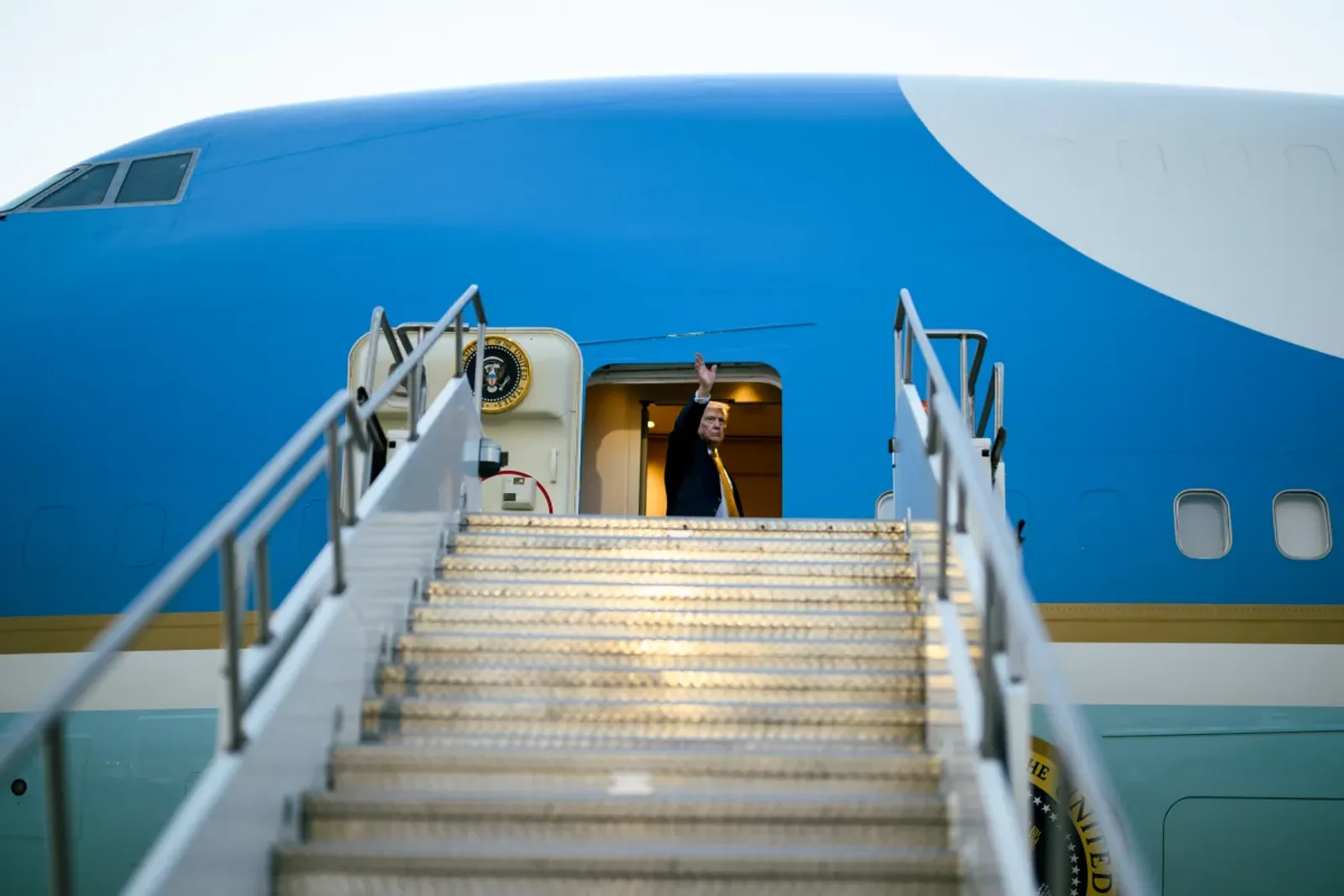
Around this time news also emerged through a report in the Washington Post that, when President Trump flew back home from the NATO summit in Ankara, Turkey, on 8 July 2026, a catering truck was used to secretly spirit him off the legacy Air Force One jet he had boarded in front of TV cameras and that instead he flew back to RAF Mildenhall in the UK on a US Air Force C-32A, which is a military transport aircraft derived from the Boeing 757-200 airliner. US media outlets reported that the clandestine moves, which were made leaving White House staff and journalists on Air Force One none the wiser, were made in response to a credible threat of an Iranian missile attack. According to The New York Times, US intelligence had received information about a person near the NATO summit who had been seen with a manportable surface-to-air missile (SAM).

Addressing reporters at Joint Base Andrews on 11 August, Trump confirmed that he swapped aircraft on his return from Ankara as per instructions from the Secret Service.

Donald Trump winkt aus der Tür der Air Force One, einer Boeing VC-25, auf einer Passagiertreppe
President Trump waves to the cameras on 8 July 2026 as he boards Air Force One in Ankara after the NATO summit. It has since emerged that Trump was then secreted onto a nearby US Air Force C-32A for his flight back to RAF Mildenhall in the UK due to intelligence suggesting that Air Force One could have been targeted with a manportable SAM. (White House)

The ghosts of Iran operations past

On 4 November 1979 52 US diplomats and citizens were taken hostage in the US Embassy in Tehran by a group of armed Iranian college students who were avid supporters of the Iranian Revolution that had begun the previous year.

During a 6 October 1980 interview with NBC’s Rona Barrett, Trump severely criticised the handing of the hostage crisis by the US Administration of President Jimmy Carter.

“That they hold our hostages is just absolutely and totally ridiculous,” Trump said at the time. “That this country sits back and allows a country such as Iran to hold our hostages to my way of thinking is a horror.”

Trump unequivocally agreed with the option of sending US troops into Iran to retrieve the hostages.

Yet on 24-25 April that year the US military had, indeed, mounted a special forces mission into Iran to recue the hostages under the orders of President Carter. This was the ill-fated Operation ‘Eagle Claw’, which cost the lives of eight US servicemen when one of the mission’s RH-53D Sea Stallion helicopters crashed into a EC-130 transport aircraft on the ground while trying to manoeuvre for a refuelling operation. The mission was ultimately aborted with both the RH-53D and EC-130 destroyed and six other RH-53Ds abandoned.

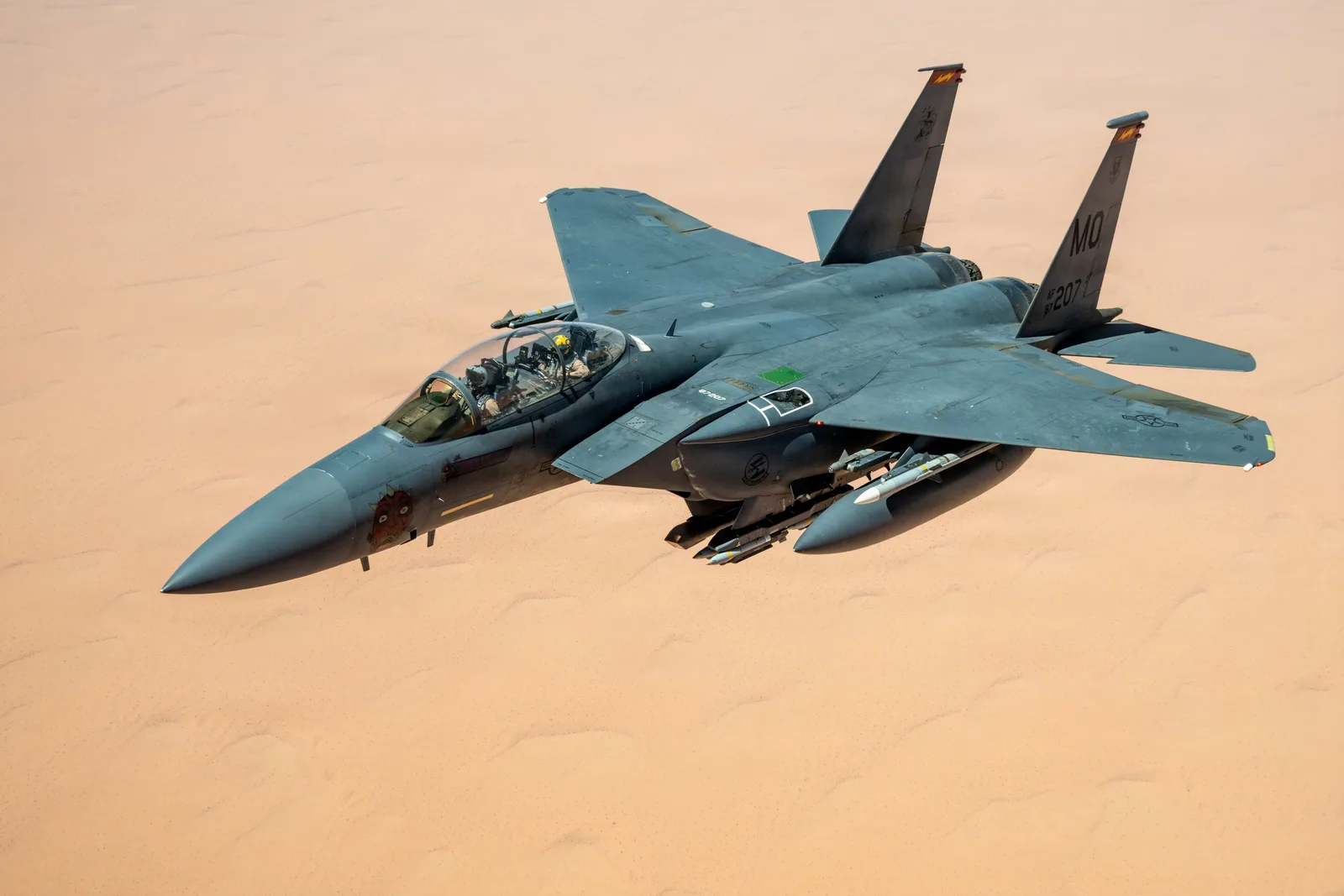
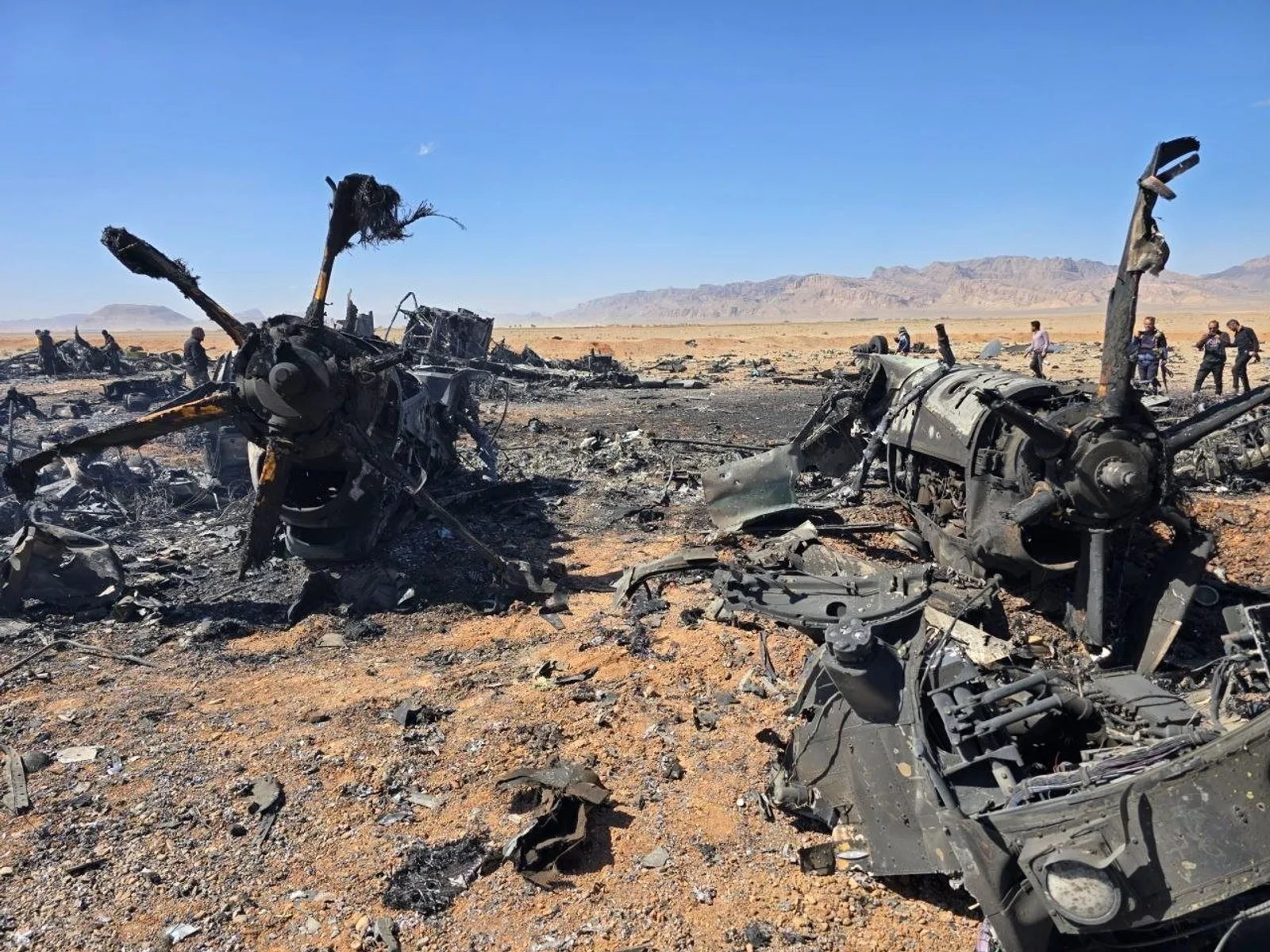
Trump has recently certainly shown an awareness of this US military failure in Iran and the optics of US military personnel being taken hostage. On 3 April, when a US F-15E Strike Eagle was shot down over Iran by a manportable SAM and the crew had to eject over Iranian territory, Trump was clearly concerned over the potential political embarrassment when only the pilot was initially recovered. In an article on 18 April the Wall Street Journal reported how Trump apparently panicked over the prospect of the F-15E’s weapon systems operator (WSO) being taken hostage and “screamed at aides for hours”, to the point where military officials barred him from the situation room from where the rescue operation was being conducted. The WSO was ultimately rescued by a special forces extraction team on 5 April, with Trump elatedly posted “WE GOT HIM!” on Truth Social. However, in a faint echo of Operation ‘Eagle Claw’, two US Air Force Special Operations Command (AFSOC) MC-130J transport aircraft had to be deliberately destroyed after getting bogged down on the makeshift airstrip being used for the rescue mission, while four AH/MH-6 Little Bird helicopters were also left behind and deliberately destroyed.

Meanwhile, on 4 June, in explaining why he did not order a special forces operation to seize Iranian nuclear material from its underground sites, Trump stated, “I didn’t want to be Jimmy Carter.”

While the Trump Administration has thus avoided a singular, high-profile failure in Iran like Operation ‘Eagle Claw’, from which Carter’s presidency never recovered, the cumulative effects of Trump’s own military adventure in Iran, now spread over several months, could yet have a similar effect.

US Air Force F-15E Strike Eagle mit externen Tanks und Lenkwaffen im Flug über einer Wüstenlandschaft
A US Air Force F-15E Strike Eagle operating in the US Central Command area of responsibility on 15 July 2026. When an F-15E crew were forced to eject over Iran on 3 April 2026, President Trump faced the possibility of US military personnel being taken hostage by Iran. (USAF)
Zwei ausgebrannte Hubschrauberwracks in einer Wüstenlandschaft im Iran mit Soldaten an der Absturzstelle vor einer Bergkette
Some of the wreckage from the two MC-130Js and four AH/MH-6 Little Bird helicopters deliberately destroyed in Iran following the extraction on 5 April 2026 of an F-15E WSO forced to eject over Iran. Although this mission was ultimately a success, images of the destroyed US aircraft was eerily reminiscent of the failed Operation ‘Eagle Claw’ in Iran on 24-25 April 1980. (Iranian state media)

Share post

You may be interested in

Categories

All NewsOperations

Used tags

IranIsraeli Prime Minister Benjamin NetanyahuOperation ‘Eagle Claw’Operation ‘Epic Fury’US Air Force (USAF)US Defense Secretary Pete HegsethUS President Donald Trump
Ad

Similar posts