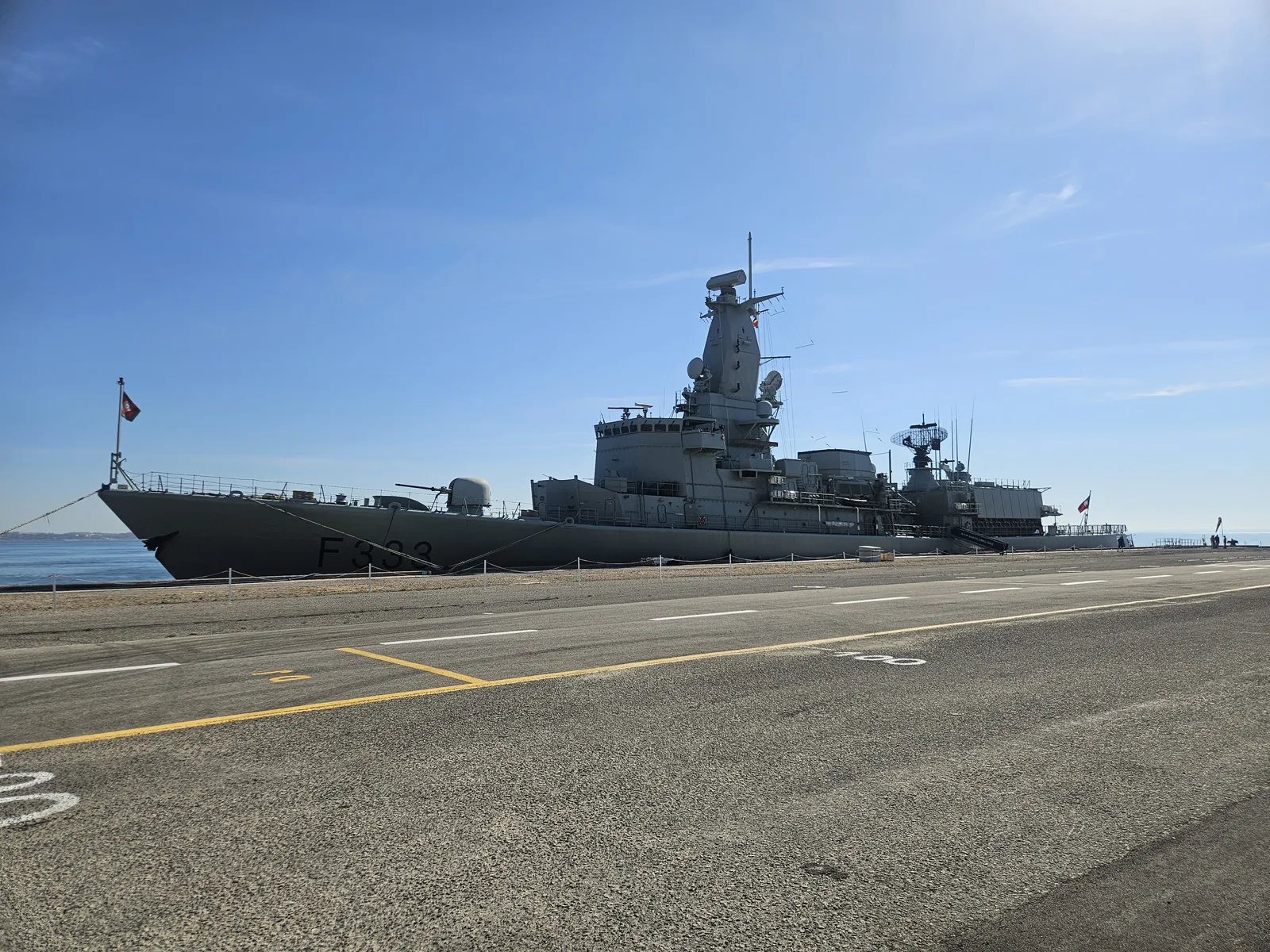
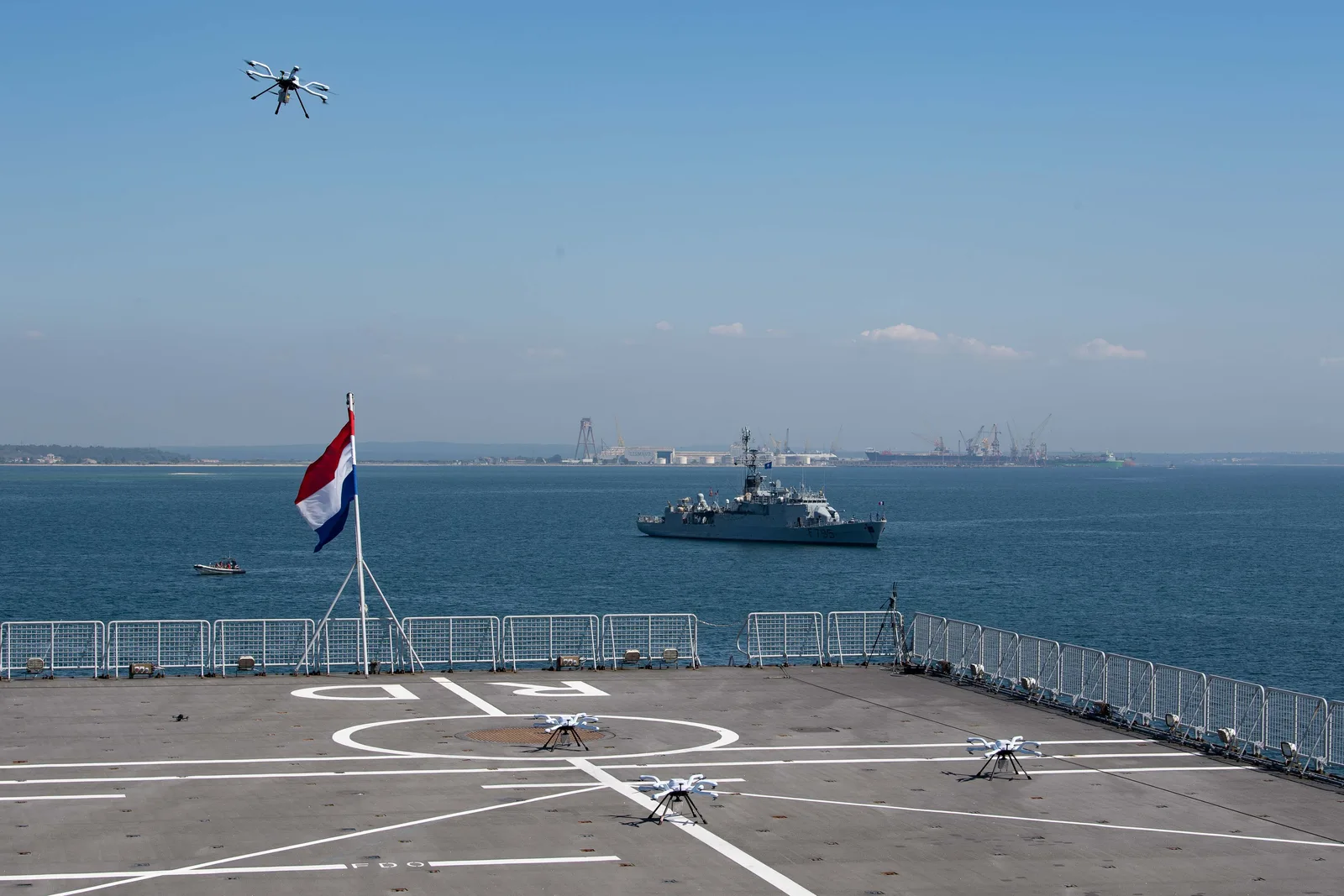
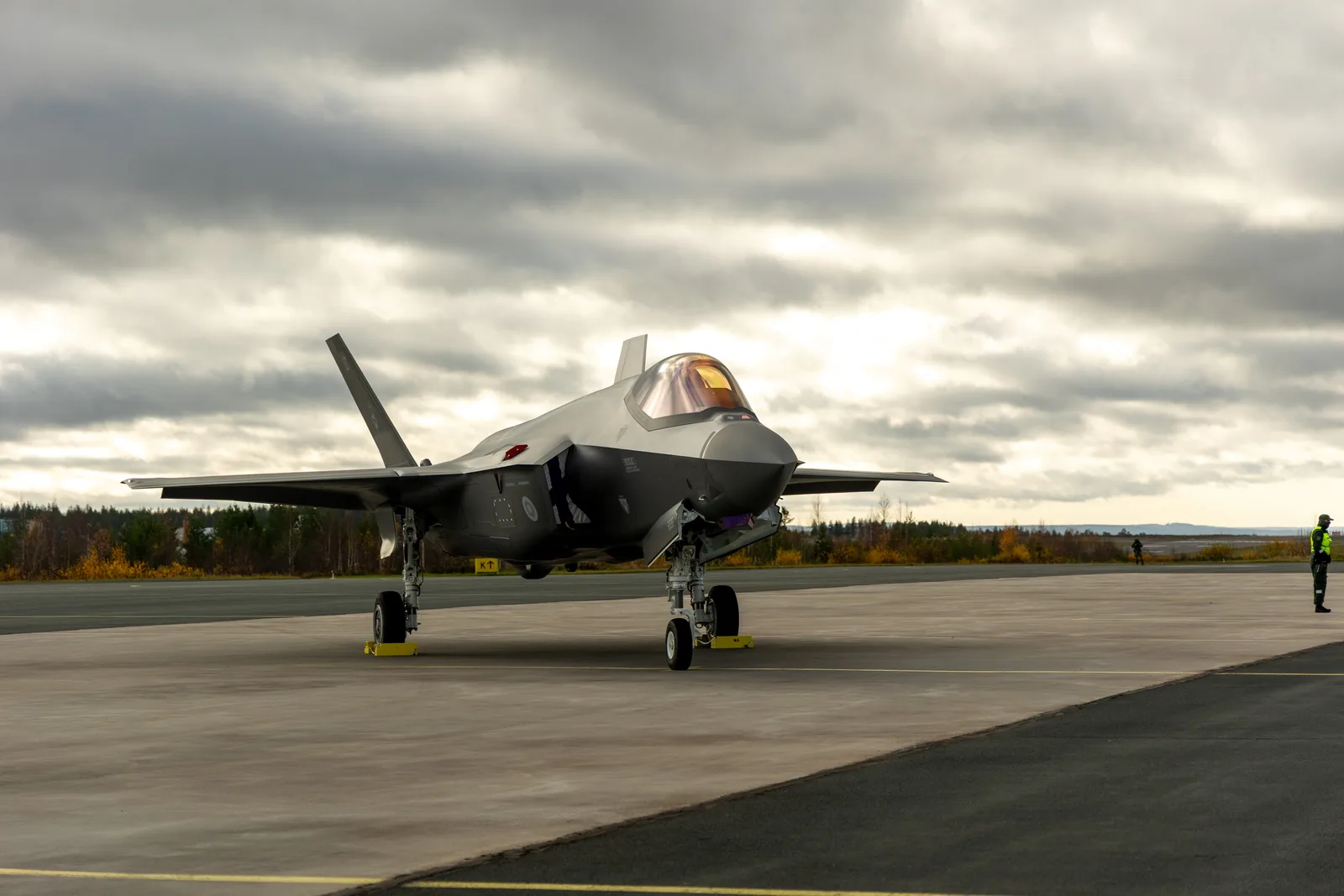
The JEF is continuing to develop as a major North Atlantic maritime security actor, providing deterrence presence against sub-conflict-threshold threats, including asymmetric, hybrid, ‘grey zone’ activities conducted by Russia in the region.
Such development was illustrated in a JEF leaders’ joint statement, released following a meeting in Helsinki, Finland on 26 March 2026.
The statement reiterated JEF’s collective commitment to European security, continued support for Ukraine in its war with Russia, and ongoing efforts to respond to regional security challenges. Underlining JEF’s particular contribution to regional maritime matters, the statement reiterated member countries’ commitment: to leverage JEF’s specific geographic focus and collective operational expertise across the Baltic, North Atlantic, and Arctic/High North, to strengthen NATO’s northern flank; and to increase its deterrence and peacetime activity.
The 10-member JEF – with the UK as framework country, alongside Denmark, Estonia, Finland, Iceland, Latvia, Lithuania, The Netherlands, Norway, and Sweden – emerged from the 2014 NATO Wales Summit, and conducted its first maritime operational deployment in 2019 (‘Baltic Protector’). Its evolution from a NATO summit illustrates its role: although not a NATO organisation, with membership consisting wholly of NATO states based in the same region, its purpose is to support NATO deterrence outputs. It does this particularly through focusing on sub-threshold threats.
The Helsinki statement was released at a time of continuing concern about North Atlantic insecurity, particularly when – right now – political focus may be falling on the Gulf despite the ongoing security risks across Europe caused by Russia’s ongoing war in Ukraine.
As regards strengthening NATO’s northern flank, the statement said “The JEF countries will increase awareness, understanding, and co-ordination of activities and efforts across the whole JEF region.”
“Special attention is given to JEF’s significance in the Arctic, North Atlantic, and Baltic Sea regions, including [its] contribution to NATO’s developing posture in the region, its role in the European burden shifting effort, and [its] role as a bridge between national and NATO operations, as well as its function in the transition from crisis to conflict,” the statement added.
It is worth noting here that, in debates surrounding NATO’s establishment of its ‘Arctic Sentry’ activity, following alliance concerns about the security of Greenland and NATO territories further north, JEF was mentioned as one structure upon which to build enhanced NATO member state presence in those regions.
As regards building JEF deterrence and other outputs, the statement said “The JEF countries are committed to contributing to credible deterrence in peacetime, and to reacting quickly and flexibly in close co-ordination with NATO in a crisis situation, especially in response to security threats that do not meet the threshold of NATO’s Article V.”
Here, it added, the JEF countries will bolster efforts to counter hybrid activities, including through sharing best practice and developing common approaches to deliver greater cumulative effect.