As NATO gears up for the annual ‘Steadfast Noon’ nuclear exercise, winds of change are sweeping through Europe’s nuclear deterrence strategies.

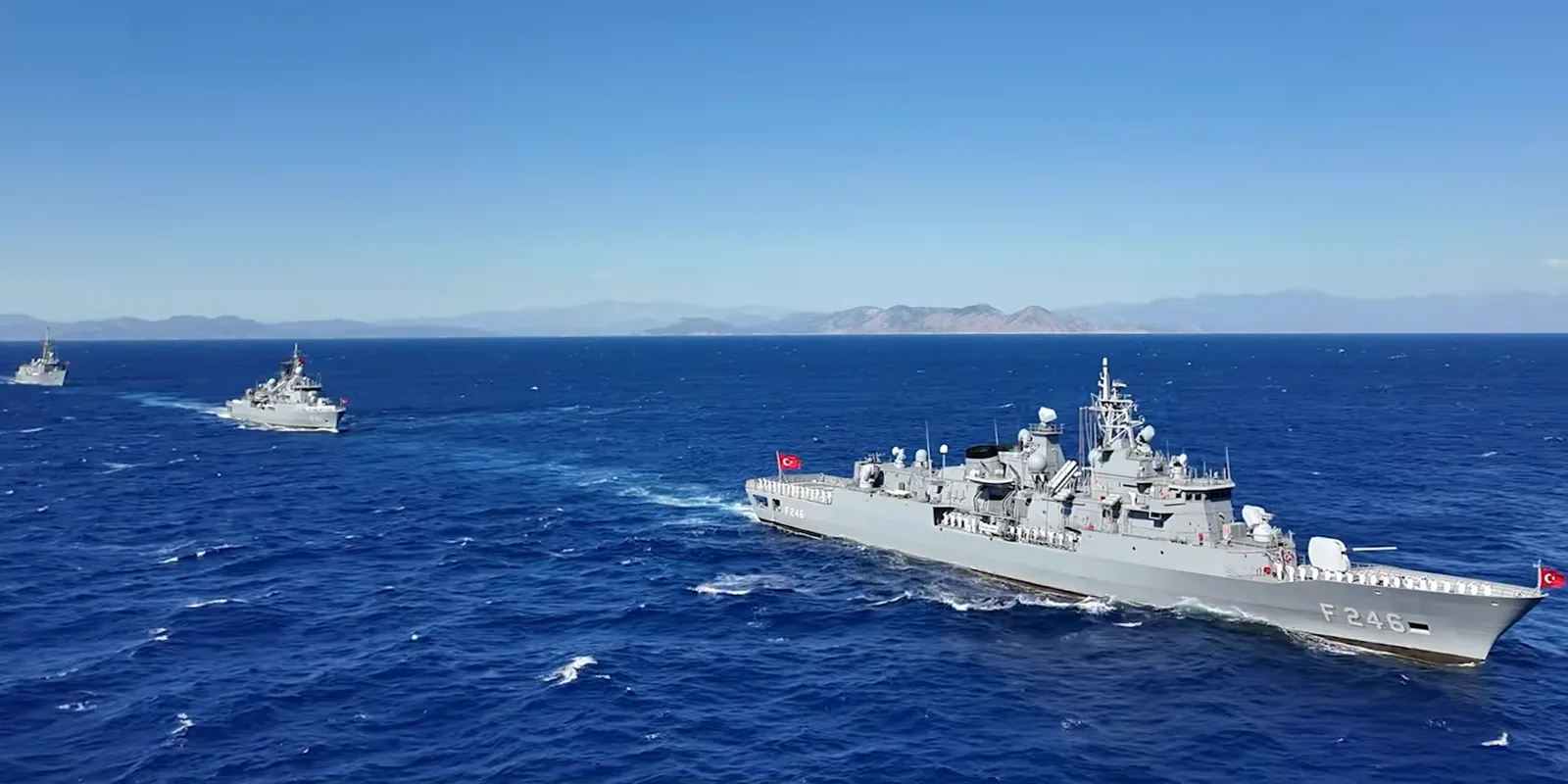

As NATO gears up for the annual ‘Steadfast Noon’ nuclear exercise, winds of change are sweeping through Europe’s nuclear deterrence strategies.
The strategic and security picture in Europe has changed significantly since 2014, and political efforts to stave off and shape behaviours through negotiations, sanctions and multilateral international agreements have only succeeded to a point. The redefining, or withdrawal from, nuclear security and missile control treaties has meant that a more unstable strategic environment continues. The ultimate security guarantee – nuclear deterrence – has also been shaken in Europe, as US commitment to the region comes under question.
French nuclear doctrine and policy has remained separate from NATO’s planning processes since the 1960s, over France’s desire to pursue its own national interests and independence. However, changes since 2020 have led to a more European-oriented approach to the French nuclear deterrence and umbrella, creating an additional guarantor for national security within Europe. The increased uptake on France’s Forward Deterrence policy by European states shows that new nuclear deterrence ideals are taking hold.
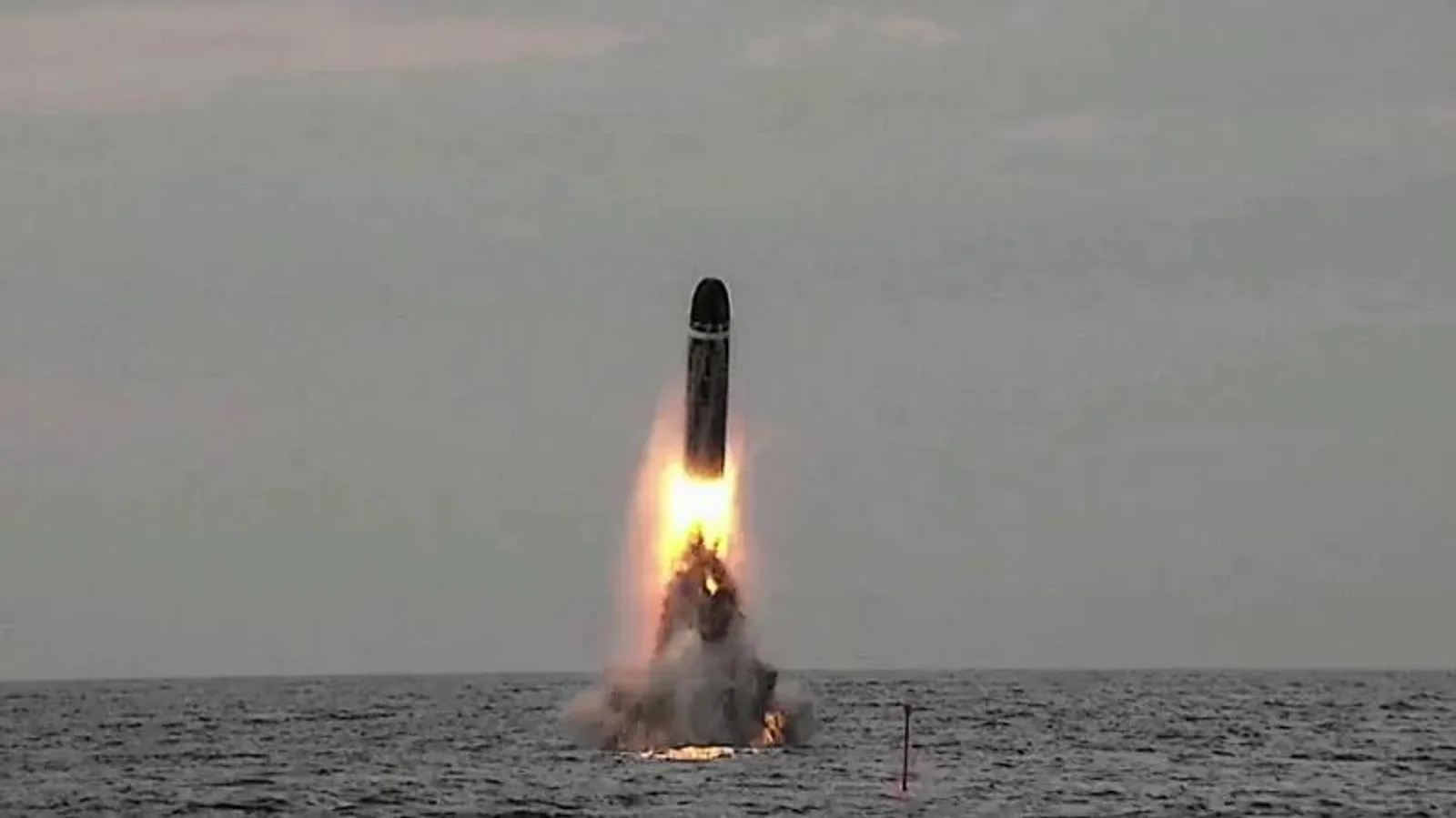
The new doctrine came as France is continuing to build up its sovereign nuclear capabilities. As part of the announcement of the Forward Deterrence policy in March 2026, President Emmanuel Macron stated the country would be increasing the number of nuclear warheads in its arsenal, with the modernisation and renewal of its wider nuclear capability by 2035. As part of this, France is now developing air-launched strategic hypersonic and manoeuvring nuclear missiles for deployment by the French Air and Space Force and the French Navy, and successfully tested the M51.3 submarine launched ballistic missile on 6 October 2026. France has also undertaken a programme to increase its tritium supply, used to increase the yield of hydrogen bombs, reportedly through a civilian reactor.
The recent expansion of NATO’s membership to include Sweden and Finland has come with a corresponding need for these states to re-evaluate their approaches to the use of nuclear weapons. As countries that have eschewed nuclear weapons on the international stage, they are now having to face a changing security paradigm where nuclear weapons may be needed to protect their own values, securities, and interests – potentially by an allied state on their own soil.
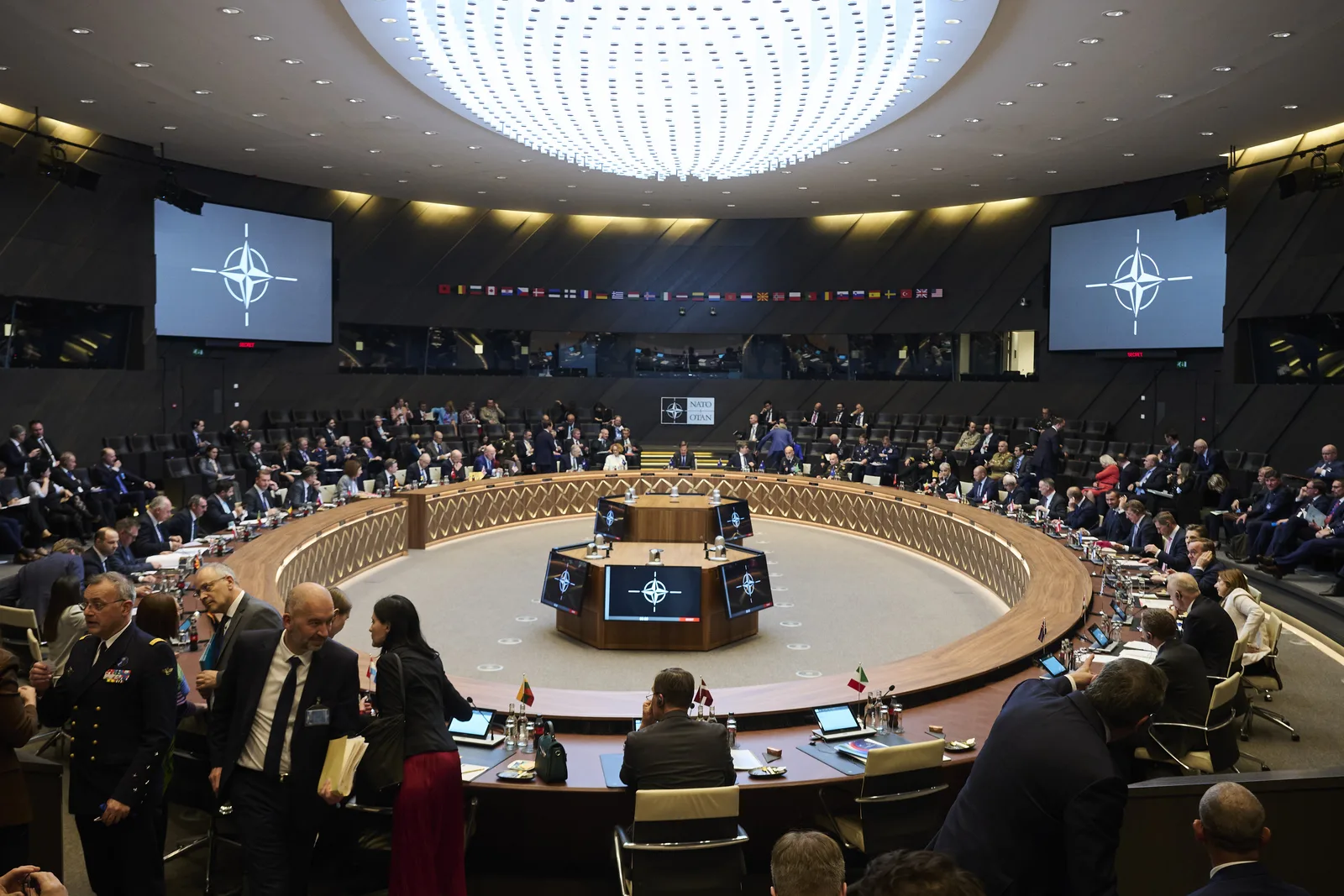
Planning for the deployment and release of nuclear weapons for NATO nations has been a co-ordinated function since the formation of the Nuclear Planning Group (NPG) in 1966. The NPG is chaired by the NATO Secretary General and is comprised of the defence ministers of member states. Under the initial framework of the organisation the United States, United Kingdom, Italy and West Germany served as permanent members of the group, with three rotating members from other NATO nations. The rotating mechanism was scrapped in1979, however, from which point all NATO members were represented at the group.
Within the NPG the High Level Group (HLG) acts as the senior advisory body to the NPG. Representatives from all 31 member states, excluding France, participate in the HLG, with the United States as its permanent chair. With the United States being the main holder of nuclear weaponry within the alliance, NATO’s deterrence credibility lies in both the missile shield possessed by the US as well as its forward-deployed weaponry.
Following the establishment of the NPG, the French president at the time, Charles de Gaulle, withdrew France from NATO’s integrated command structure and expressed a need for military independence from the alliance. Key to this was the French refusal to integrate its nuclear deterrent into the NATO command structure and planning processes. Since the country’s return to NATO in 2009, France has continued to keep its nuclear planning separate from the NATO chain of command and continues to sit outside the NPG.
French nuclear policy has remained as a defensive deterrent capacity, maintaining a triad capability of nuclear weapons deployment from land bases, at sea on submarines, and in the air from naval and land-based aircraft until 1996. Following its signing of the Nuclear Non-Proliferation Treaty in 1992, the country worked to reduce its nuclear stockpile and undertook confidence-building measures such as de-targeting and reducing its alert level. These efforts included the dismantling of the land-based intermediate-range ballistic missile site at the Air Base 200 Apt–Saint-Christol in Provence and the reduction of its nuclear arsenal to less than 300 warheads in 2008.
In 2020 President Macron began to establish the groundwork for a new nuclear framework doctrine, recognising the growth of multilateralism in the world and its need to be developed effectively, strategic partnership development, the need for European autonomy in the use of nuclear weapons, and the reinforcement of French national sovereignty in the sphere of nuclear deterrence. The concept of Forward Deterrence was thus created, bringing in a new concept around the European need for nuclear protection that was centred on the continent, but remained rooted in French sovereign control of its nuclear weapons.
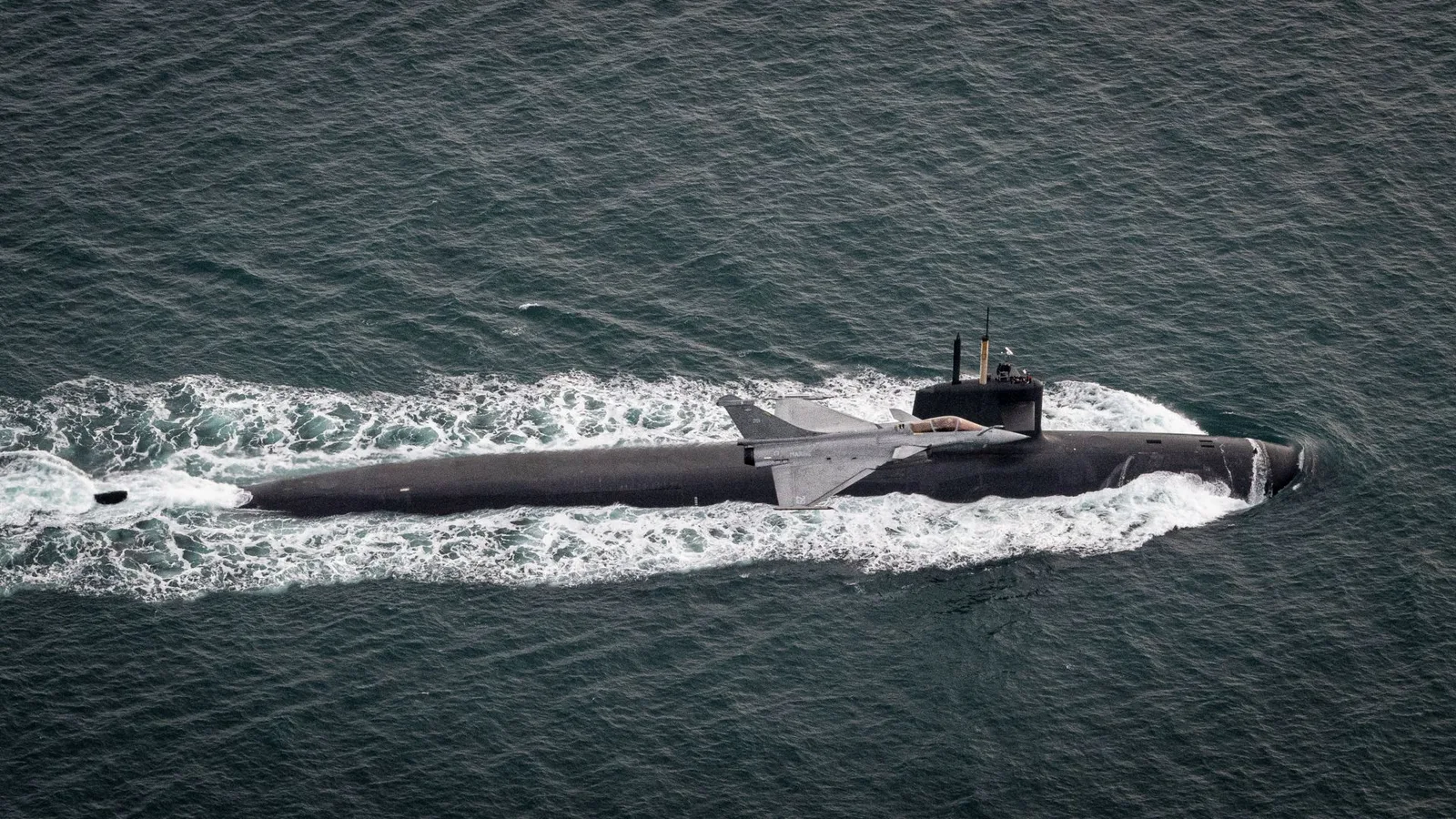
Forward Deterrence received a more formalised roadmap in March 2026 when President Macron delivered a speech at the Île Longue submarine base in Brittany. There remained some continuation of existing policies, notably the need to be operating under the ambiguous restrictions of “defending French national interests” and French sovereign control of its nuclear weapons.
The new policy of Forward Deterrence involved a shifting of French nuclear deterrence requirements from the sole protection of French borders to protecting the wider interests of the country, signalling a shift to a more European outlook. Cold War NATO policies had focused on the protection of the European continent, but remained tied to US intentions, war plans and approvals – as well as those of partner countries where a weapon might be released.
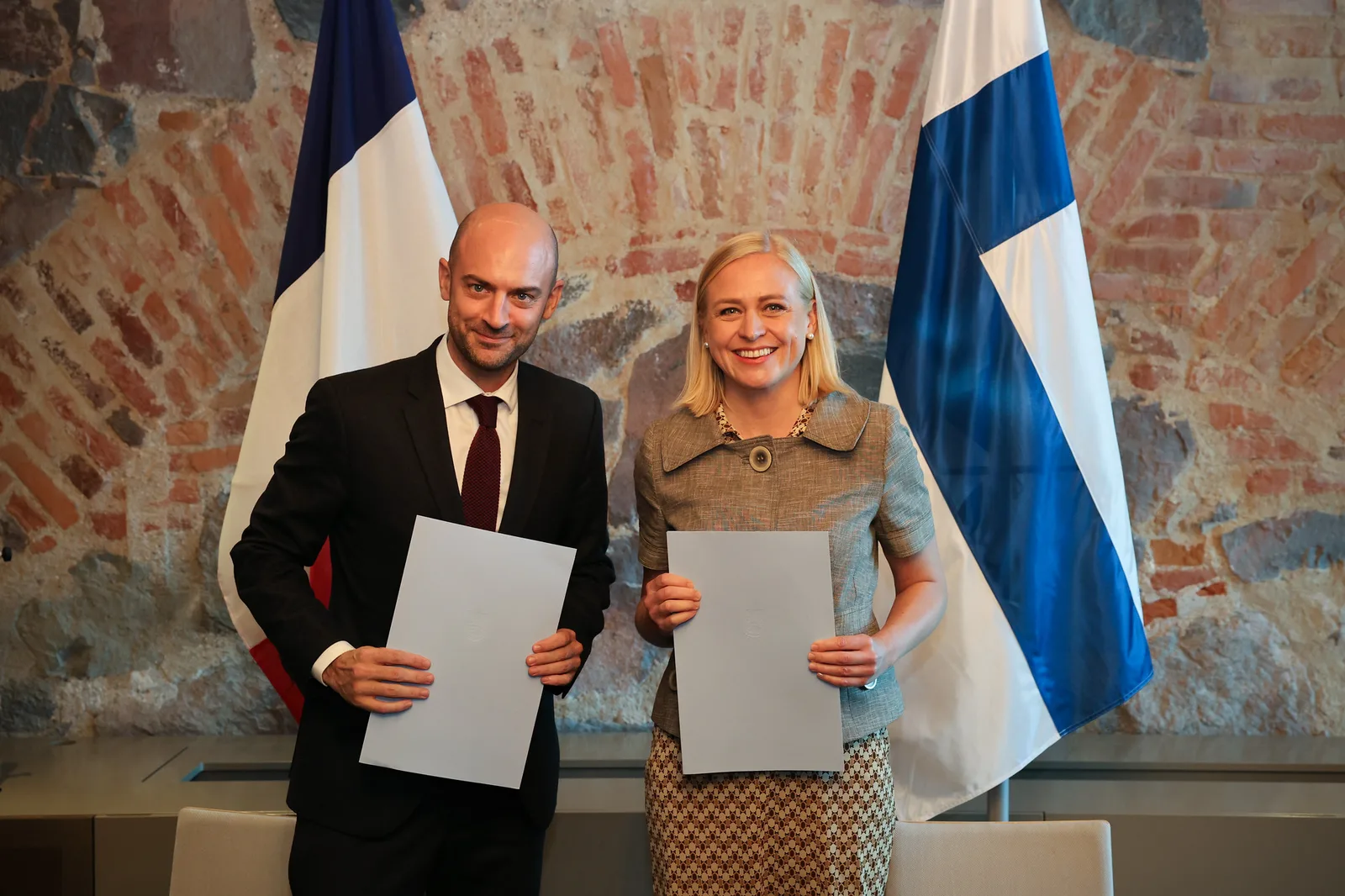
As a result of France’s new nuclear diplomacy, countries including Germany, Poland, Norway, Sweden, Denmark, Greece, the Netherlands and Belgium have signed up to the initiative with France to enhance their nuclear deterrence through a partnership. Finland became the latest country to join the Forward Deterrence initiative, issuing a joint statement on 14 September 2026 with the French government. Other countries, such as Estonia, are reportedly in discussions with France on participation in the project.
For European members of NATO the US domination of the NPG and HLG have led to concerns around their ability to condemn or condone the deployment of nuclear weapons on the continent. As US foreign and defence policy has become increasingly unilateral under the Trump administration there is now a perception of a fracturing of the alliance. When dealing with the potential employment of nuclear weapons within, or near, their borders, the ability of NATO’s European allies to influence the US through the NATO structures becomes moot.
New NATO members are also having to contend with changing national norms in the approach to nuclear weapons. For example, Finland’s support of the NATO alliance’s nuclear posture and French Forward Deterrence doctrine has required the country to enact a number of legislative amendments to domestic policy relating to nuclear weapons. Despite the country’s wide use of nuclear energy the 1987 Nuclear Energy Act and Criminal Code prohibited the transport, supply, and possession of nuclear weapons on Finnish soil, including during wartime. In order to meet its new obligations, amendments were passed to modernise the legislation, but provisions on criminal legislation covering the acquisition, manufacture, development and detonation of nuclear devices would remain.
The role of nuclear weapons and nuclear disarmament have routinely featured in political discourse in European nations, with weapon basing and possible use on national soil becoming a politically charged issue. The move away from tactical nuclear weapons to air- and submarine-launched munitions has reduced some of the arguments around the ethical nature of nuclear deployment and the risk that they engender. However, geostrategic necessities have meant that countries within the NATO alliance need to stay engaged on the nuclear issue.
Despite these constraints, NATO members do have the ability to voluntarily support the US nuclear force. For the most part the basing and storing of nuclear weapons on national soil can be a significant commitment for a country’s political establishment. For others, the ability to support the employment of nuclear weapons becomes part of their own deterrence strategies.
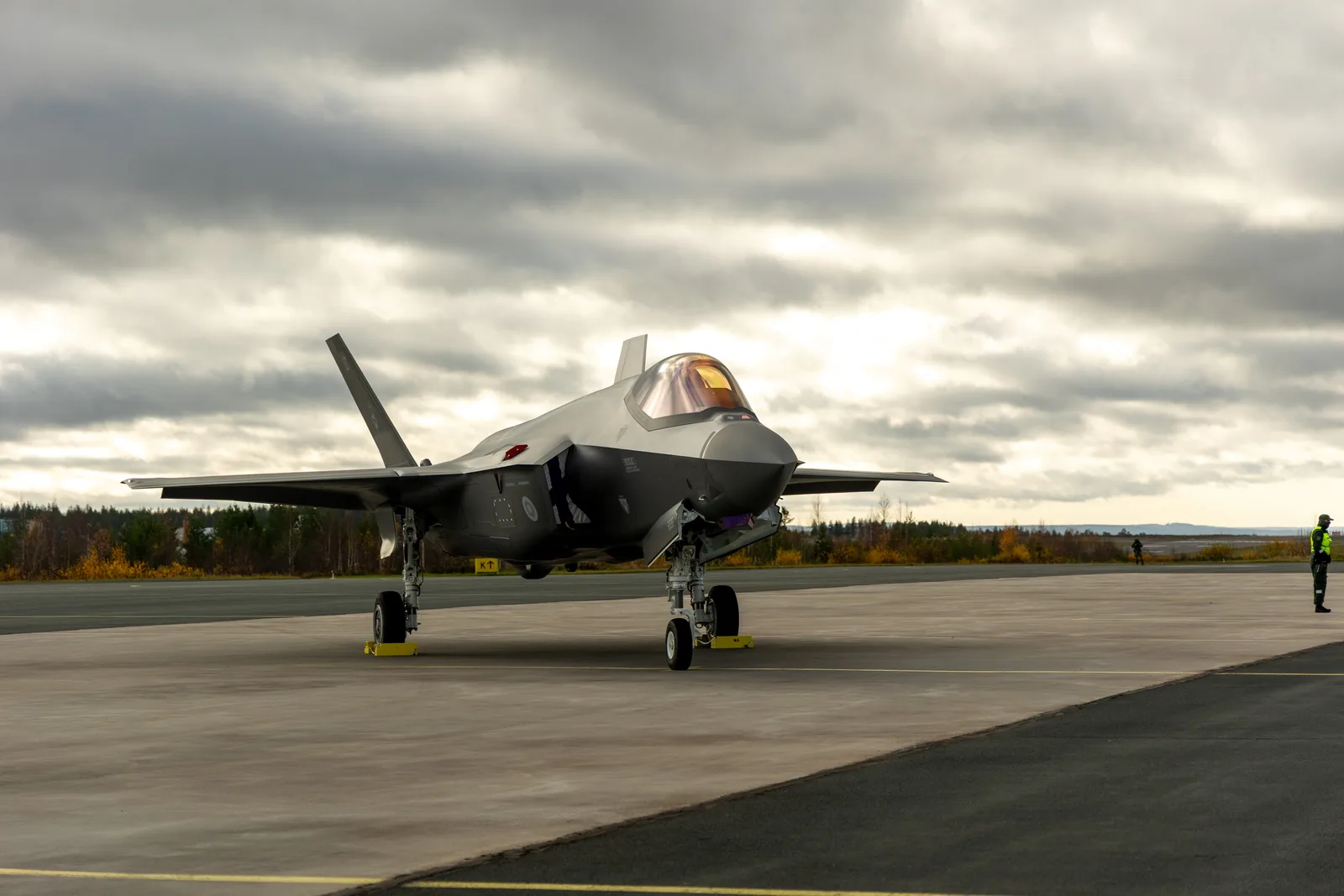
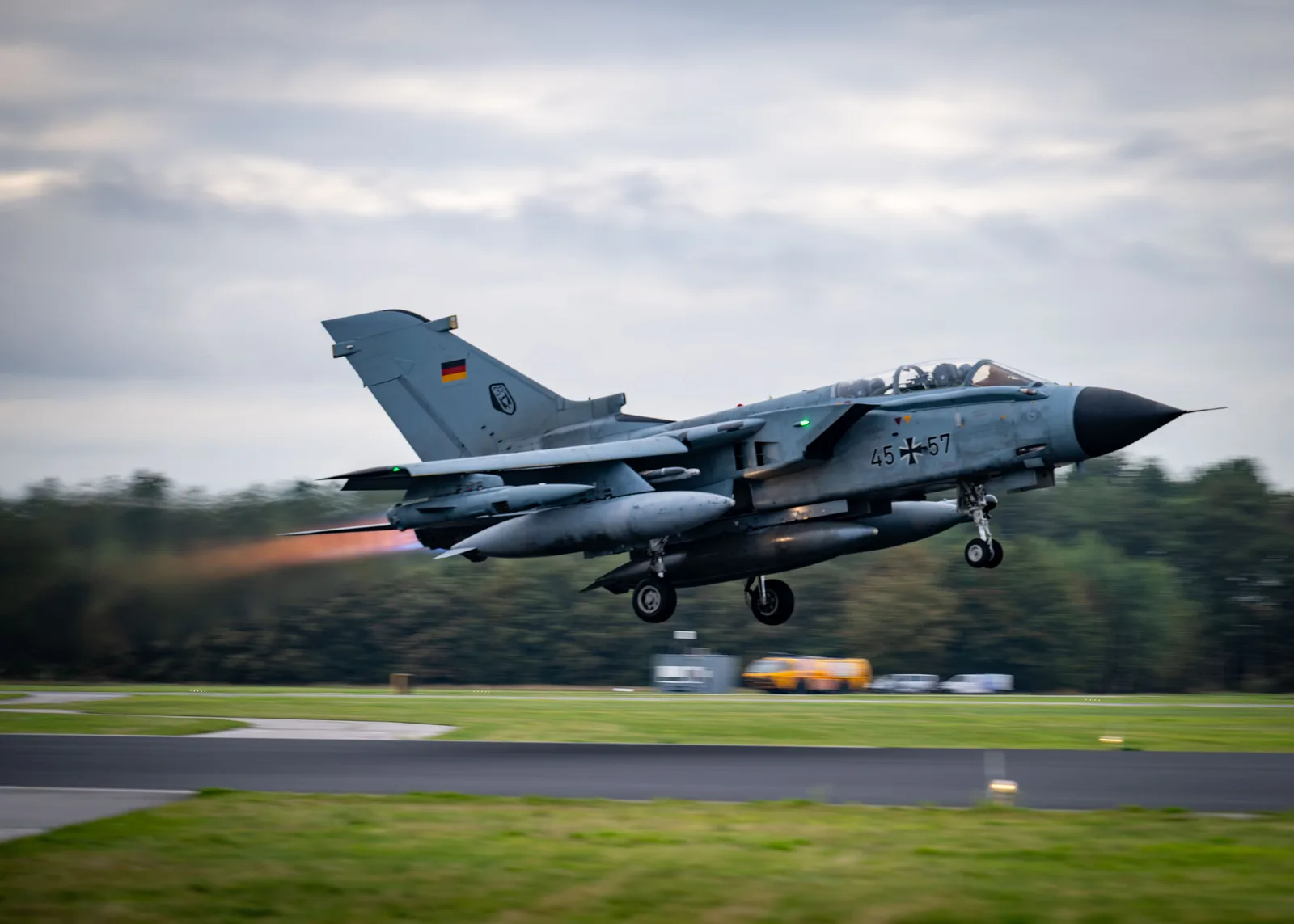
Under the nuclear sharing arrangements within the NATO structure, countries can choose to support the alliance’s nuclear deterrence through the delivery of the US air-launched B61 gravity bomb. Volunteer nations – currently Belgium, Italy, the Netherlands and Türkiye – can choose to operate dual-capable aircraft (DCA) that are cleared to carry and deploy the B61. The United Kingdom also chose to rejoin the DCA programme in 2026 and Poland is in negotiations to join the programme.
However, participation in the nuclear sharing and DCA mission is intrinsically linked to US controls. The US must authorise the deployment of the nuclear weapon and the nation conducting the mission using DCA aircraft must also agree. In terms of practicality, however, the US has sought to also control the types of aircraft that from which the B61 can be deployed.
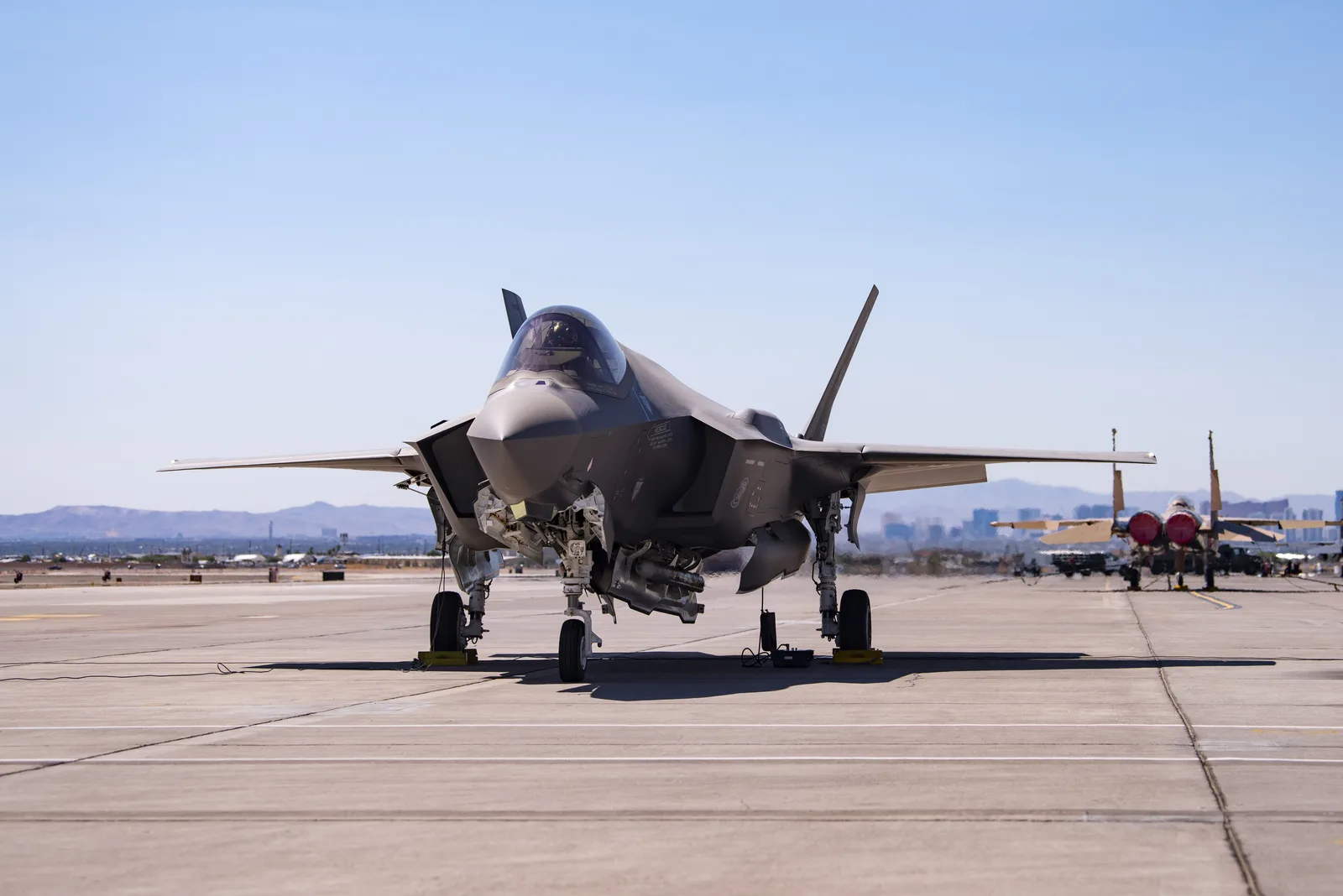
Certification of aircraft to carry the B61 has been hamstrung by the US, with the Eurofighter Typhoon not being cleared for integration. This has had a corresponding knock-on effect for fleet modernisation and expansion in Europe. Germany has had to retain its Panavia Tornado aircraft until 2030 to ensure it can meet the DCA commitments until the Lockheed Martin F-35A reaches full operational capability with Germany in 2029. Belgium’s fighter procurement in 2018 also saw the country opt for the F-35A over the Typhoon, with DCA commitments being factored into the decision.
For states that are seeking to reduce their exposure to the ethical conundrum of nuclear weapons, or do not have the military capacity to engage with broader nuclear operations, multinational exercises and operations can still help them to demonstrate a willingness to engage with nuclear deterrence.
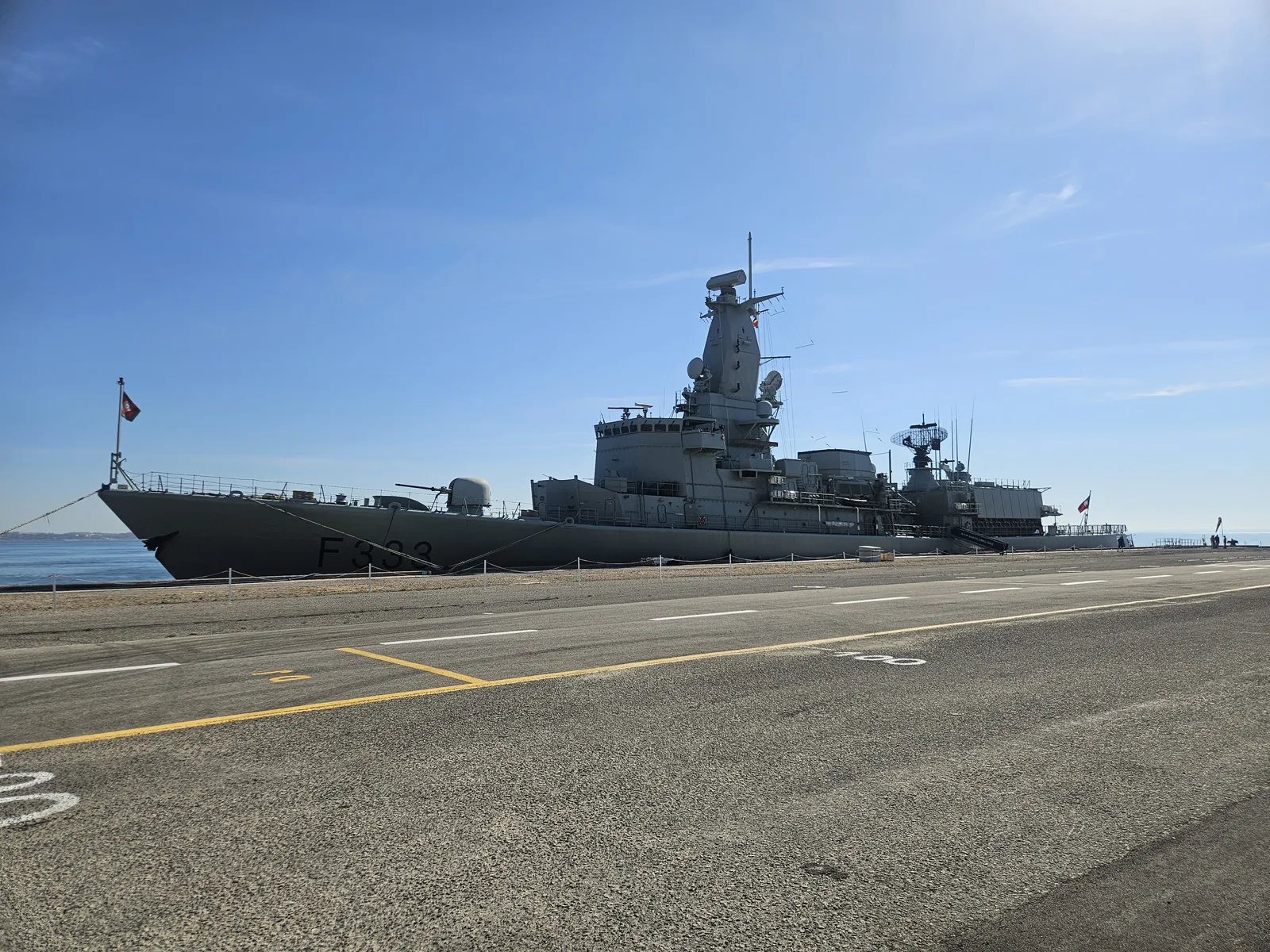
The annual NATO ‘Steadfast Noon’ exercise in mid-October allows non-nuclear NATO member countries to support nuclear weapon procedures and handling drills. Capabilities known as Conventional Support for Nuclear Operations (CSNO, formerly known as SNOWCAT – Support for Nuclear Operations with Conventional Air Tactics) are tested to support both the deployment of nuclear weapons from Boeing B-52 Stratofortress strategic bombers through to tactical aircraft such as the Lockheed Martin F-16 Fighting Falcon and F-35. Supporting operations, such as the suppression of enemy air defences (SEAD), are also exercised to ensure that the potential delivery of nuclear weapons can be performed in the most hostile conditions.
As the US seeks to further separate itself from European security interests and pursue its own unilateral agenda in the Middle East and South America, leaders in Europe are increasingly concerned about US support for NATO’s Article V commitment to mutual assistance and collective defence. US President Donald Trump’s avaricious moves to acquire Greenland, moverover, further alienated the US from its European partners and led to a sense of unease within the alliance.
The French Forward Deterrence programme will act as a useful assurance for participating states as an alternative deterrence partner to the US. Despite not having a ‘dual key’ permissions system that the NATO and US policies feature, the desire to push France’s national interests beyond its borders and into a European defence approach will provide some assurance to European partners.
Continued bilateral and multilateral discussions will help to enhance Forward Deterrence, as well as provide partners with multiple levels of nuclear deterrence for their own security needs. The dual-track approach to nuclear deterrence will, particularly with a Euro-centric underpinning, ensure that there is an additional layer of protection for the continent.