Washington has always been a rumour mill. With the Trump administration running low on both ideas and in some cases options, commentary about the possible use of tactical nuclear weapons to achieve various wartime aims seems to be bubbling around.
Although rumours of US tactical nuclear weapons use in the current Iranian conflict are unfounded in reality (largely due to the general lack of them in the US arsenal), multiple sources have reported that the Pentagon is studying the issue for future conflicts. It should also be noted that similar commentary has occasionally percolated to the surface with regard to Russia’s invasion of Ukraine and possible Russian use of tactical nuclear weapons in conflict.
This issue is a complex one and it will take longer than a single brief story to explore this topic in sufficient detail. In this first part, we will look at what had been in the US tactical nuclear arsenal. Part II will discuss the actual effects of tactical nuclear weapons, Part III will discuss whether they are even a practical solution on any modern battlefield, and Part IV will describe the pathways and efforts needed if the USA decided to re-enter this business in any serious way. All of this is US-centric but could, in more generic sense also apply to the UK nuclear arsenal.
Looking at the USA’s former tactical nuclear arsenal
The first part of this equation is to look at what Washington actually has and does not have in its cupboards. The primary observation here is that the overwhelming majority of the US nuclear stockpile comprises strategic rather than tactical weapons. Because Russia retains a wide variety of tactical nuclear weapons designed for a variety of purposes, it is sometimes assumed that the United States has attempted to keep a sort of parity. This is pretty much not the case.
The general situation is that the USA has, since early 1990s, largely abolished its ability to use tactical nuclear weapons. President George Bush Sr. started the process in 1991 and the Clinton administration carried it forward. Over a period of several years, the USA removed many nuclear weapons systems from the inventory, decommissioned and dismantled thousands of warheads, and demolished many delivery systems. The Army and Marine Corps completely got out of the nuclear weapon business, and the Navy got away from all but submarine launched strategic nuclear missiles.
What did the US have in its tactical stockpile before? If we look at what the US had at the time of the collapse of the Soviet Union in 1991, there were thousands of tactical nuclear weapons in active service or in reserve stockpiles. The majority were in US Army service. US Army systems retired included 155 mm artillery shells, 203 mm (8-inch) artillery shells, and the Lance missile system. Although the US military retains a large number of 155 mm artillery systems, the Lance and the 8-inch howitzer were retired in 1992 and 1993 respectively.
Decommissioning reports give some idea of the numbers, though strategic nuclear weapons had always had more transparent public reporting of numbers due to arms control treaties. Dismantling of US nuclear weapons has been described in a document released through Freedom of Information requests. About 1280 W-70 Lance missile warheads had been produced over the lifetime of the programme, and all were destroyed. The last W-70 was destroyed at the Y-12 plant at Oak Ridge Tennessee in 2011.
Lance’s accuracy was poor. It allegedly had a ±150m CEP (circular error probable), which does not sound like much, but at the bottom end of its explosive yield (0.5 kilotons [kt]) that’s very much the difference between destroying a command post and merely inconveniencing it.
About 2000 W-33 artillery shells for the 8-inch howitzer had been produced between 1957 and 1965, and kept in service until 1991. By October 1992, the US Department of Energy had dismantled all of them. 550 of the more modern W-79 8-inch artillery shell were demolished on a slower timetable, with the last one being destroyed at the Pantex plant in Texas in 2002. The very small 155 mm W48 artillery shell (with a yield of 0.1 kt) had been made in the 1960s and never replaced. All 1060 had been dismantled by 1996.
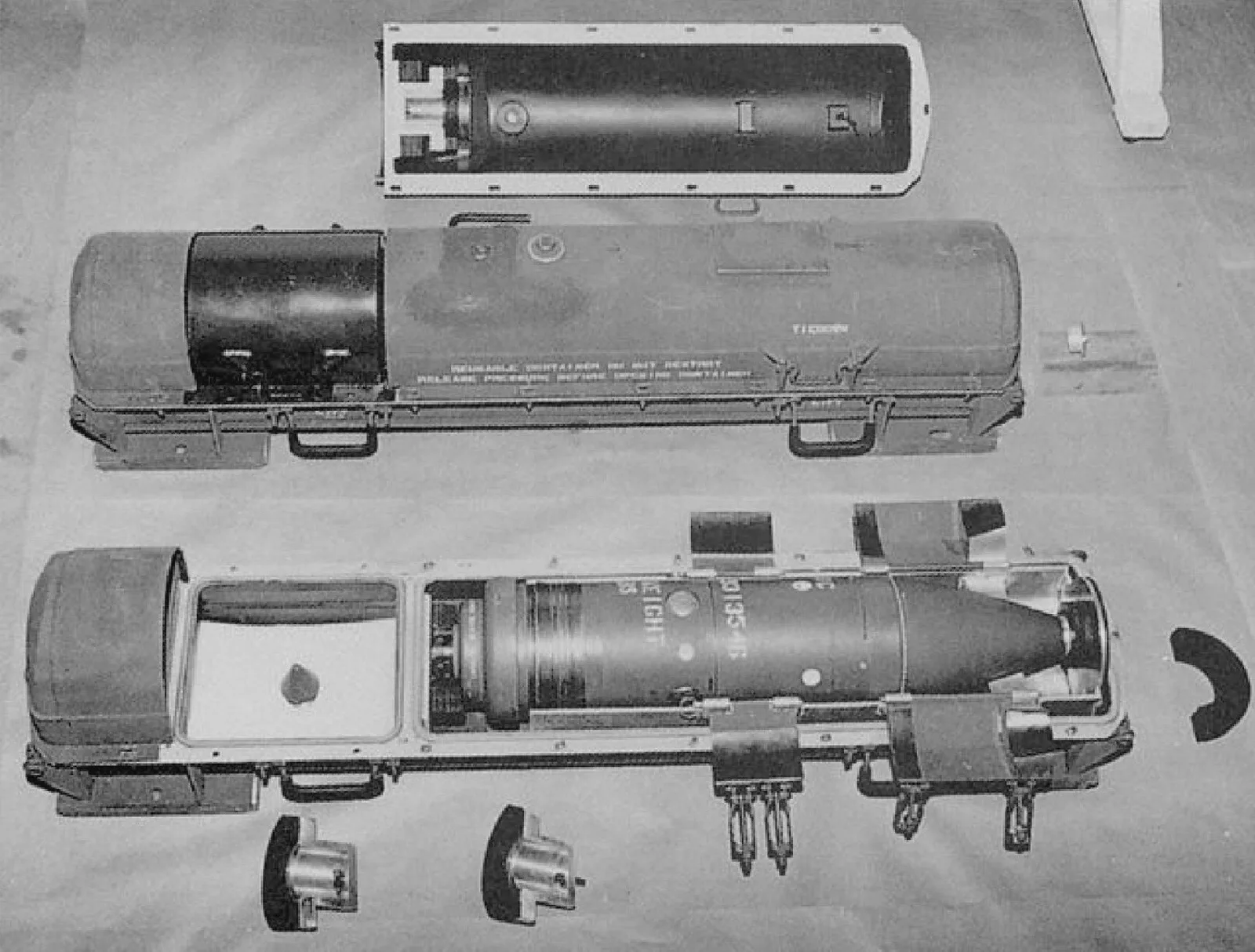
In the decade prior to 1991, a number of other tactical nuclear weapons had already been withdrawn from service. These include the US Army’s Pershing missiles (a theatre-level system and not tactical), Nike-Hercules air defence missiles (which could be fitted with either nuclear or conventional warheads), and Atomic Demolition Munitions (basically backpack bombs for demolition) had been withdrawn and destroyed. Even older systems such as the Honest John and Sergeant missiles, and the much-discussed Davy Crockett tactical recoilless rifle round (with a maximum yield of 20 tonnes of TNT equivalent, or 0.02 kt, very small indeed for a nuclear weapon) had been retired even earlier.
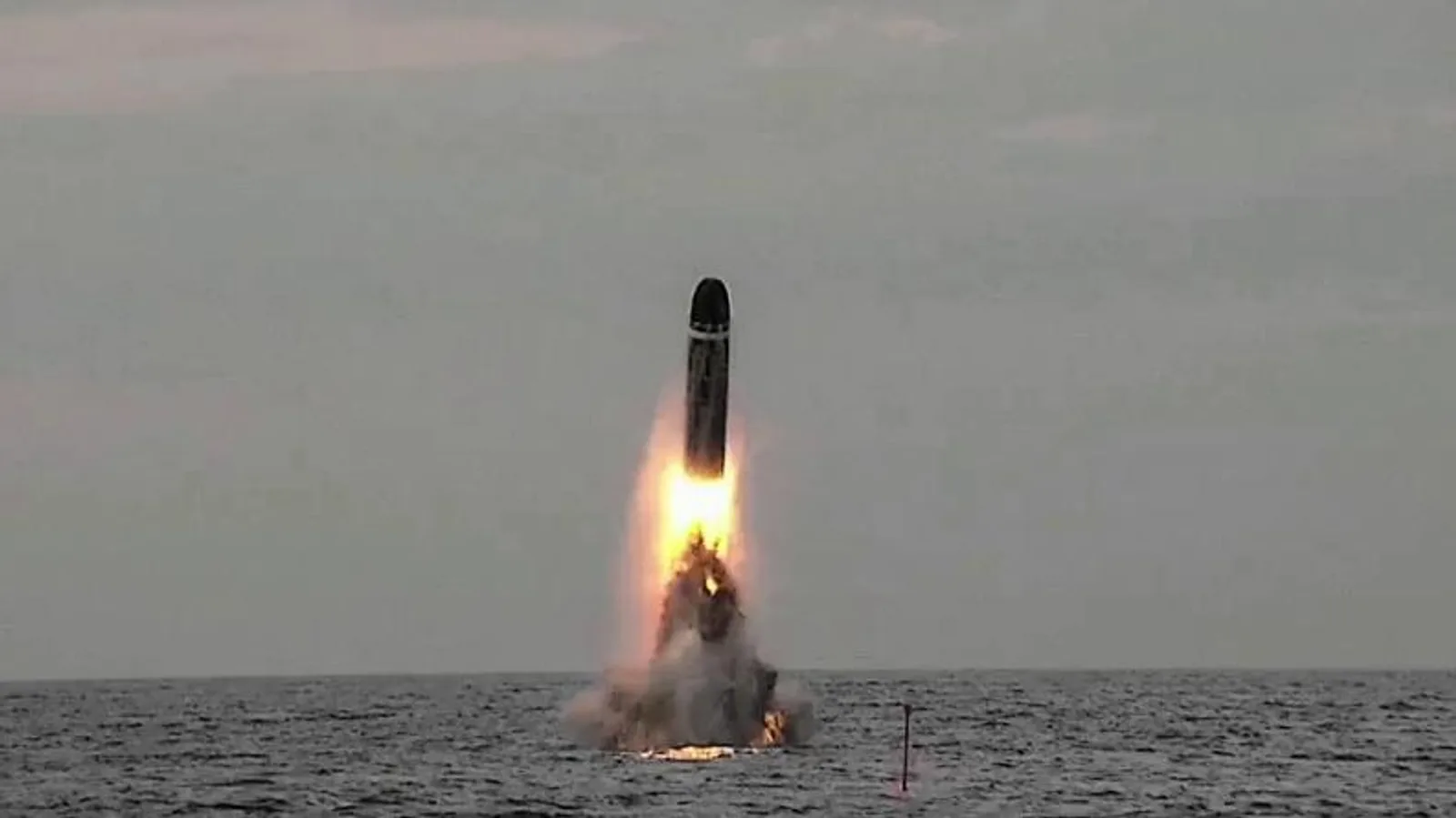
The US Navy withdrew its tactical weapons as well. These included several different gravity bombs for use by carrier-borne aircraft, the ASROC (anti-submarine rocket), SUBROC (submarine rocket), a nuclear torpedo (ASTOR – retired in 1977), and some depth charges for anti-submarine warfare. ASROC is an anti-submarine missile, which delivers either a conventional guided torpedo (as it still does) or a W44 nuclear depth charge. The W44 was retired in 1989 and all 575 were destroyed. The SUBROC was similar, but launched by submarine. All 285 of its W55 warheads were destroyed by 1997. The Navy also withdrew nuclear weapons from the Tomahawk cruise missile. Significantly, the Navy also reassigned the marines who secured the weapons and refitted the secure storage spaces on its ships that protected the nuclear weapons while deployed. Now, the navy’s only nuclear weapons are strategic systems on nuclear ballistic missile submarines (SSBNs).
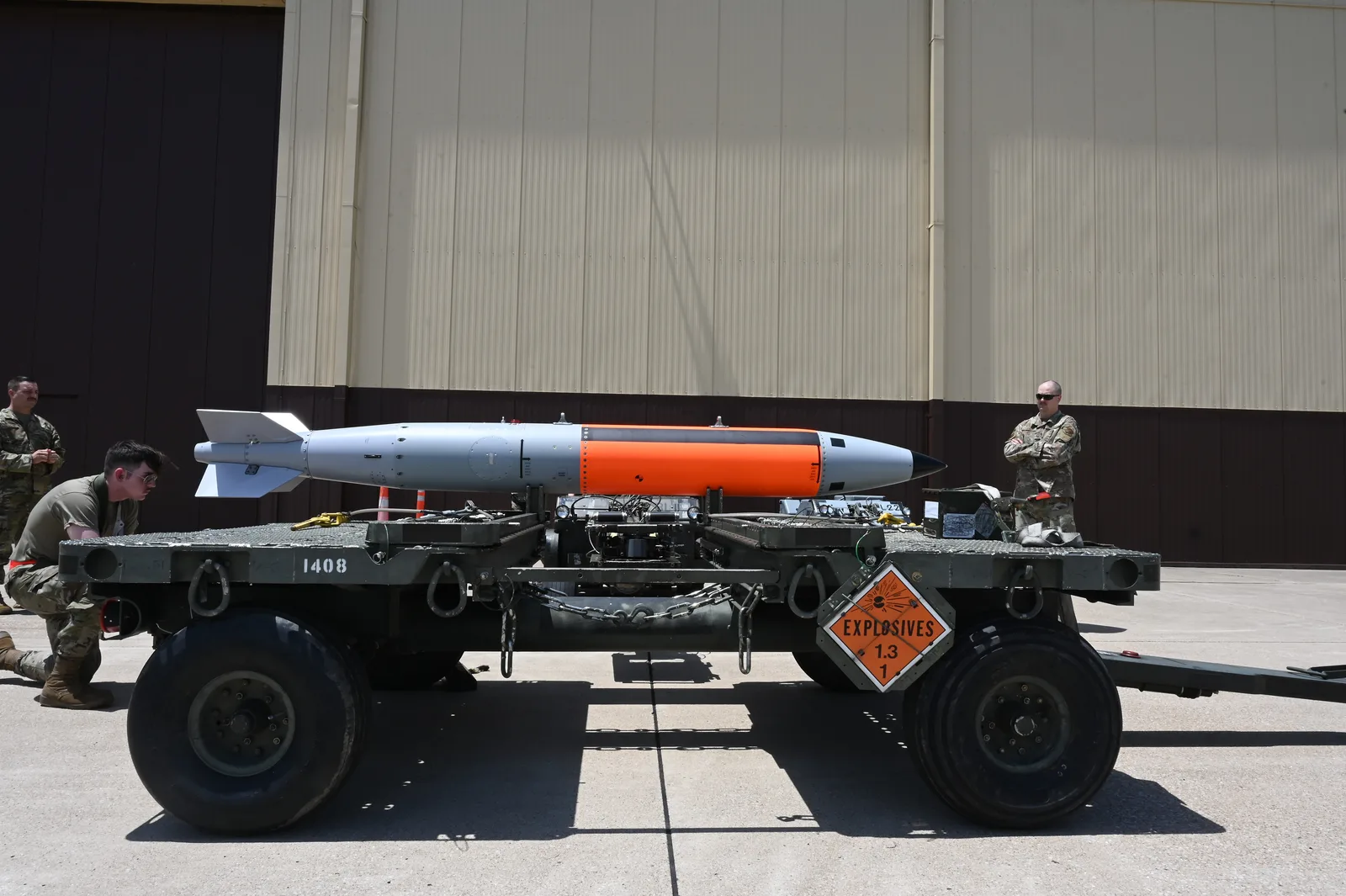
The US Air Force greatly downsized its inventory of smaller nuclear gravity bombs, decommissioned the Gryphon ground-launched cruise missile (like the Pershing, this was not really a tactical system) in 1991, and retired the Genie air-to-air missile in 1988. The only fragment of the tactical nuclear capability that was retained by the US Air Force is a residual inventory of 200 of the B61-12 air-dropped bomb.