The Houthi rebel movement in Yemen has announced a blockade-for-blockade operation against Saudi vessels, and those calling at Saudi ports. As a result, the threat to the global economy is now higher due to the ongoing conflict in the Strait of Hormuz.
Houthi escalations raise risk of global economic crisis
Security in the Red Sea has been an ongoing challenge for the international community, with new threats to security compounding an already fragile global economy. The constriction of the Strait of Hormuz due to the Iran-US-Israel conflict has meant that deliveries of oil to world markets has been inhibited, and alternative transport routes for Gulf oil have been difficult to implement.
The Red Sea and Suez Canal represent a major international trade route that facilitates fast links between Europe and Asia, but access to this route has been troubled in recent years. At the end of 2023, attacks by the Houthi movement in Yemen against shipping in the Red Sea increased in solidarity with the Palestinians in Gaza, and led to a multinational force being assembled to protect shipping transiting through the Bab el-Mandeb strait at the southern end of the Red Sea.
However, recent events in the Gulf are also driving efforts at continuing economic pressure on other fronts. Yemen’s Houthi movement, which controls the capital Sanaa and around a third of the country, has strong links to Iran, and has acted as a proxy in a long-running conflict with Saudi Arabia. An intervention by a Saudi-led coalition in 2015 led to a bitter conflict, which only reached a truce in 2022. This conflict is now expected to be reignited, as Iran looks for other ways to damage the economies of the Gulf states.
Hans Grundberg, UN Special Envoy of the Secretary-General for Yemen, told the UN Security Council on 13 August 2026 that “Yemen today faces a more serious risk of return to large-scale conflict than at any point since the 2022 UN-mediated truce.” The warning came as Yemen’s Houthi movement announced on 20 July that it would begin targeting Saudi ships and those calling at Saudi Arabian ports in a “blockade-for-blockade” action.
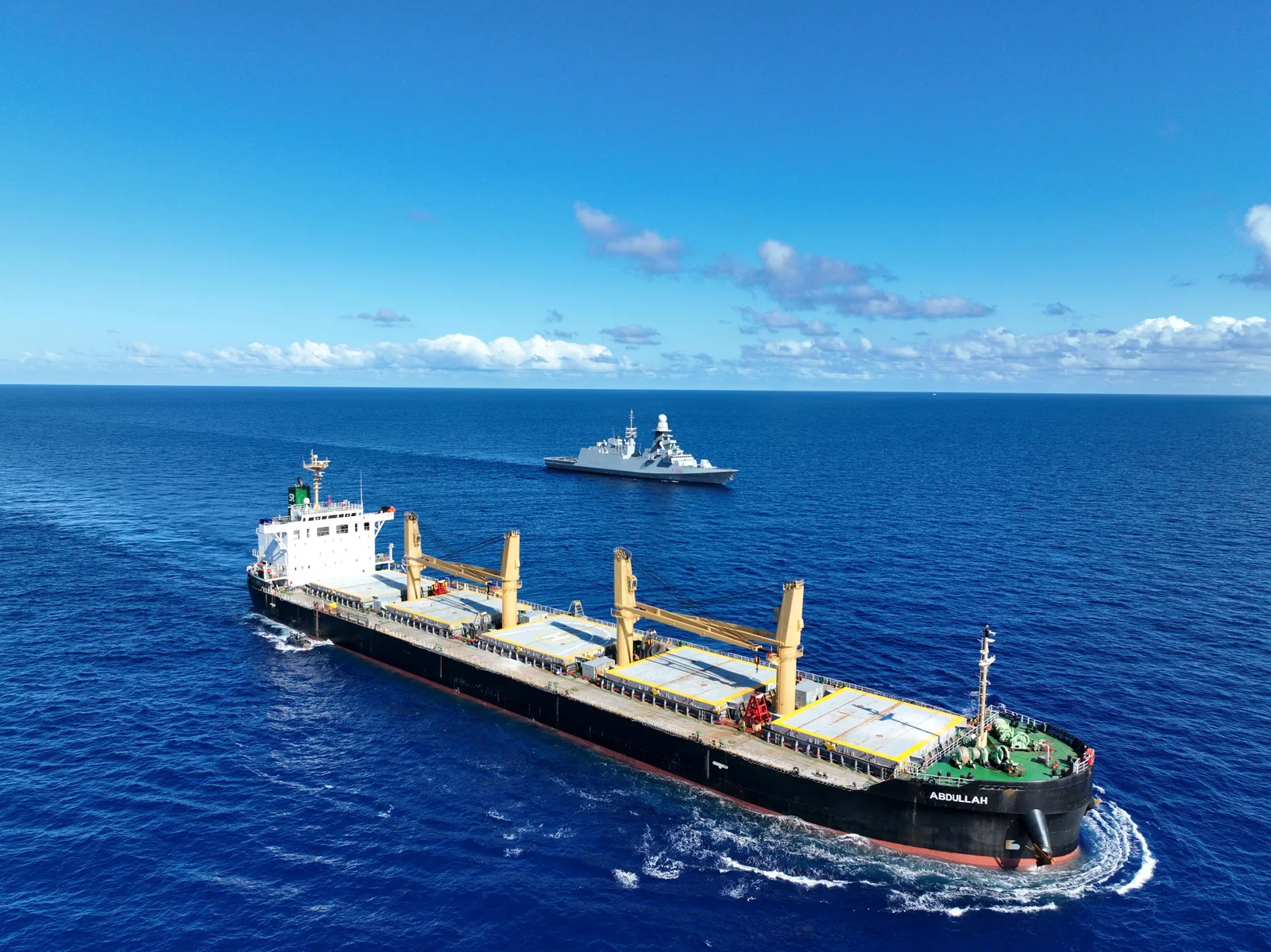
In addition to the Houthi threat to the Bab el-Mandeb, piracy off the coast of Somalia has also returned. On 24 August, the International Maritime Organisation (IMO) called for the release of 90 seafarers being held by pirates off the Somali coast after six ships had been hijacked in recent months.

A return to conflict in Yemen
The trigger for the most recent stand-off came following Saudi airstrikes on Sanaa airport in Houthi-controlled north Yemen on 13 July 2026. The attack came as a Houthi delegation was returning from Iran on an unauthorised flight, with the Houthis claiming the aircraft was carrying medical patients and citizens stranded in Iran following the outbreak of hostilities with the US and Israel. The Houthis responded to the airstrikes with ballistic missile and UAV attacks against targets in southern Saudi Arabia.
Houthi officials in Sanaa announced a maritime blockade against Saudi Arabia on 20 July, justifying it as “an eye for an eye” in response to Saudi Arabia’s long-running maritime blockade of Houth-controlled ports and shipping. The boundaries of the blockade were “Saudi-linked vessels,” leaving some leeway between the potential targeting being either Saudi-owned vessels, or those that had taken on oil at Saudi Arabia’s main Red Sea oil terminal at Yanbu.
On 21 July, the Bahrain-based Joint Maritime Information Centre circulated an advisory note stating that “the Houthis have completed preparations to attack shipping, including the deployment of missiles and drones positioned near Bab el-Mandeb.” The note further claimed that Iran had instructed the group to close the strait if Iranian power infrastructure was targeted by the US.
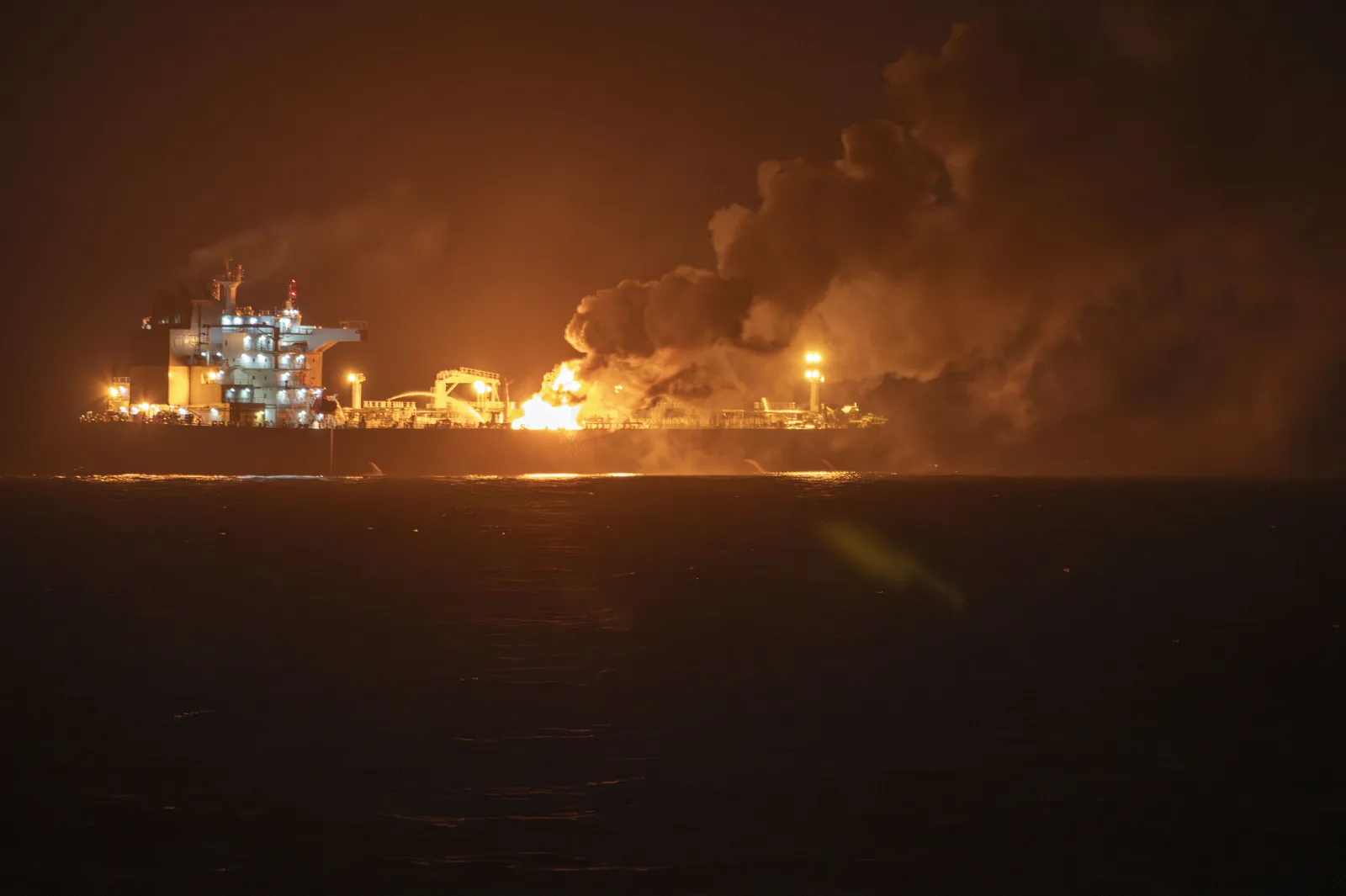
The first attack against Saudi shipping was reported on 22 July, with the Saudi-flagged Encilia and Layla targeted and receiving damage from missile fire. Further attacks against Saudi vessels, including the NCC Masa and NCC Wafa caused damage to the former, with the latter turning back from the Bab el-Mandeb. Most notably, the Indian-flagged vessel Faize Noore Oliya was attacked and sunk by unmanned surface vessels off the Houthi-controlled port of Hodeidah. The Egyptian-owned Tihama was attacked on 11 August near the Yemeni port of Mokha, killing four of the crew and injuring a further four, with a Yemeni Coast Guard rescue vessel being hit with the loss of two crew. A ballistic missile attack against the very large crude carrier Amzan was conducted on 24 August, with the vessel located off the coast of Yanbu. Other Houthi attacks have included missile attacks against Aramco facilities in the southern Saudi city of Najran, as well as against Yemeni-government operated facilities in the port of al-Makha, and military formations in southern Saudi Arabia.
Saudi Arabia launched airstrikes against the Houthi-controlled port of Hodeidah, as well as telecommunications installations on Kamaran Island, on 24 July in response to the attacks. It is anticipated, however, that Saudi Arabia will be considering another ground offensive in the coming weeks in an attempt to remove the Houthi threat.

Macroeconomic pressure continues
The conflicts between Israel and the US against Iran has continued to push oil prices up, with each potential ceasefire helping to temporarily cool prices. While oil production capacity in the Gulf states remains strong, the overarching challenge is transporting it to markets in Europe and Asia. Oil pipelines in the region are built to support national outputs, with transport infrastructure not being built to transport hydrocarbons through neighbouring third countries before shipment abroad. The reduced traffic through the Strait of Hormuz – as long as it stays open – is constraining oil deliveries from the eastern Gulf States, while the closure of the Bab el-Mandeb prevents these vessels from easily accessing European markets.
Global energy supplies are further hindered by political currents. Russian supplies have been excluded from Western markets over sanctions due to the War in Ukraine, while Iranian supplies to China – the world’s second-largest global consumer of oil – have been restricted by the US blockade of ports in Iran. When combined with restrictions and potential closure of the Bab el-Mandeb, supplying major energy consumers will be a challenge that will have broader implications for the global economic outlook.
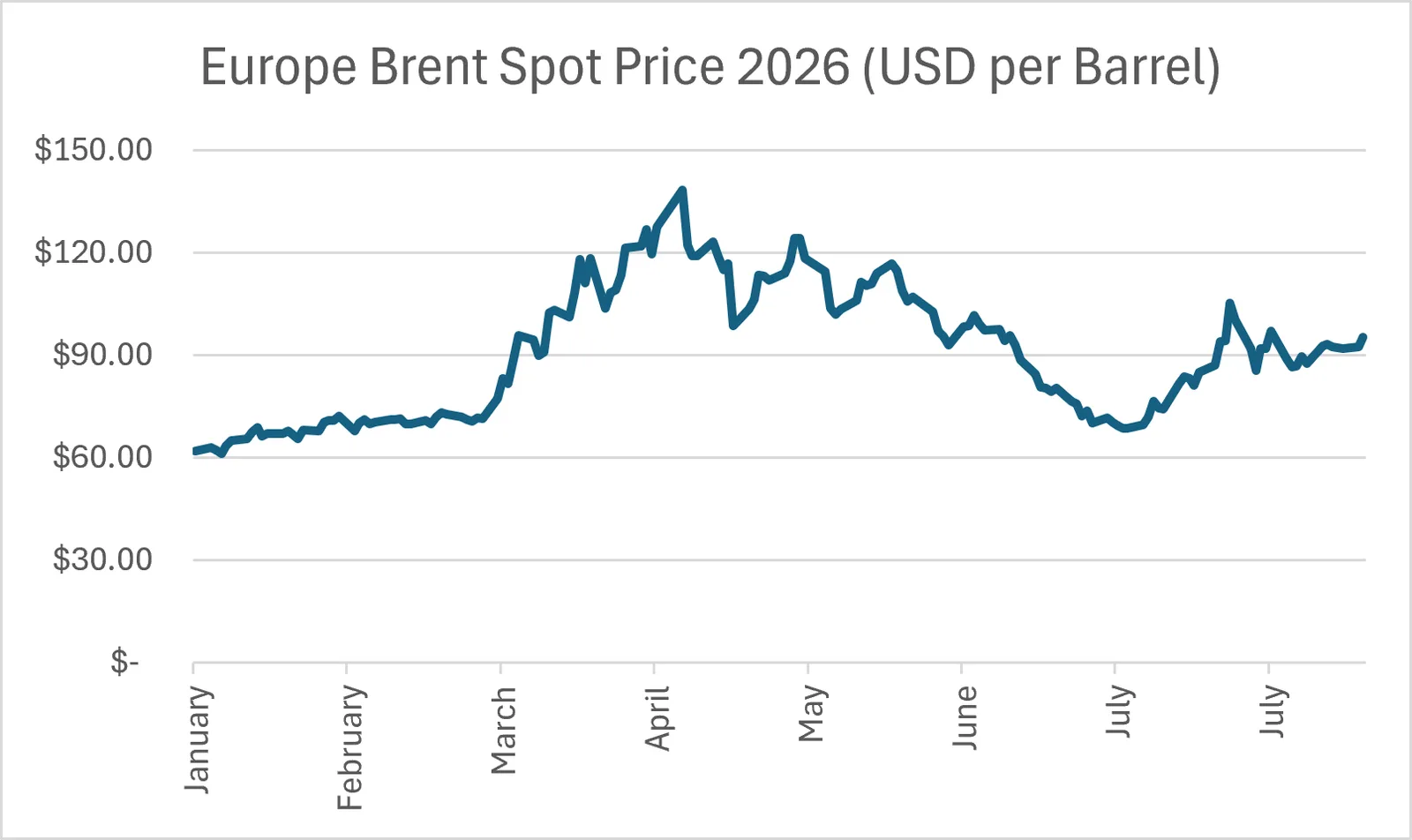
Oil prices continue to remain high, up from USD 61.98 a barrel in January 2026 to USD 95.29 in mid-August. This remains down on the peak of USD 138.21 on 7 April, but has been on an upward trend since July when prices bottomed out at USD 68.53. Following the announcement of the Houthi blockade, prices spiked from USD 94.12 on 22 July to USD 105.32 on 23 July, before returning to USD 91.82 on 27 July. Further conflicts in Iran and Yemen have the potential to push for a return to sustained higher prices, which will be compounded by delivery problems should Gulf suppliers be unable to deliver on contracts.
Transits through the Bab el-Mandeb remain below pre-blockade levels, with 252 vessels crossing through the strait in the week of 17 August 2026, down from an average of 296 per week in the six months before the blockade. According to Lloyd’s List Intelligence, tanker transits of the strait have, however, dropped significantly on July levels. Overall transit levels are still significantly down from over 500 transits in October 2023, prior to the 2024 closing of the straits by the Houthis that led to the deployment of multinational naval forces.
Some shipping companies, notably MSC and Maersk, have begun to resume transits between Europe and Asia via the Red Sea to reduce the longer transit via the Cape of Good Hope. With the conflict looking likely to escalate, the Cape of Good Hope route may again become the main transit route between Asia and Europe, as insurers pull back on coverage in an area of conflict.

Houthi power projection
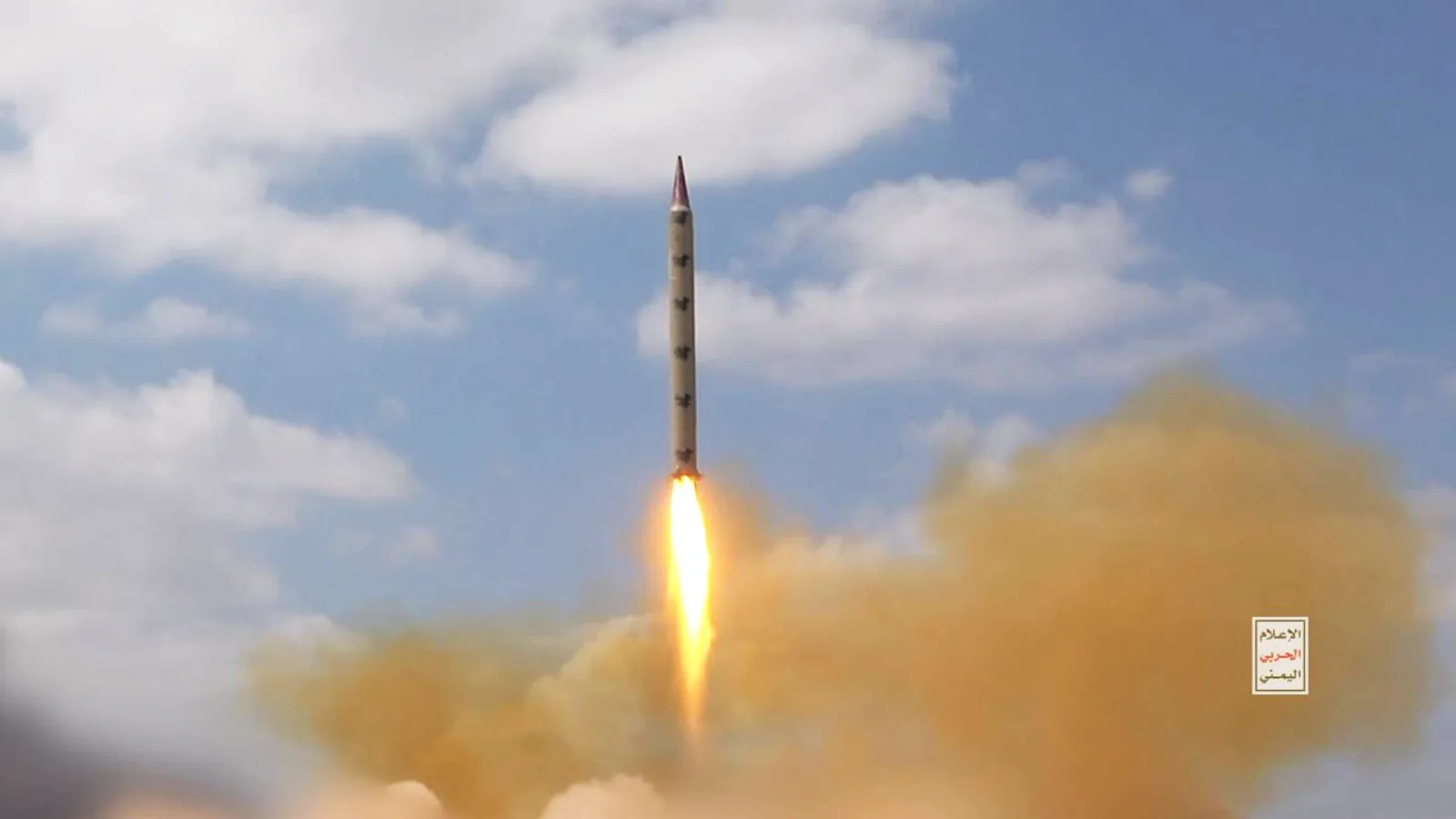
The Houthi threat to shipping in the region has been demonstrated through their targeting of vessels as distant as Yanbu, while targets closer to Yemeni shores have also been hit by shorter-range weapons. A most notable facet of these attacks has been the use of ballistic missiles to attack shipping. The trajectories of these weapons, combined with accuracy that is measured in metres, shows some significant improvement in weapons capabilities and targeting. Previous attacks against shipping in the Red Sea, as well as long-distance attacks against Israeli targets, have heavily relied on one-way attack (OWA) unmanned aerial vehicles (UAVs) and cruise missiles. One notable attack in 2023 involved Houthi troops being landed on the Galaxy Leader, which was then taken to the port of Hodeidah and later sunk.
The ability to deliver a stand-off attack capability, in addition to strategic weapons systems to disrupt or deny Saudi oil exports, supports the Houthis in acquiring a greater asymmetrical advantage against both its regional competitors as well as countries from outside the region. The threat of widening the target list against vessels from other countries, or those servicing select ports, means that there is an ongoing challenge to regional security with a global impact.

Limitations for military operations
Despite a resumption of hostilities, all parties in a conflict in the Red Sea are approaching exhaustion point. Missile defence systems have been heavily used during the 2026 war with Iran, with reports emerging around the low availability of interceptors in both the Gulf states and in Western nations. Similarly, Saudi stocks of AIM-120C advanced medium-range air-to-air missiles (AMRAAMs) were severely depleted in 2021 from their use in defeating Houthi air and missile attacks, and are likely also to be depleted after the 2026 Iranian attacks against the country.
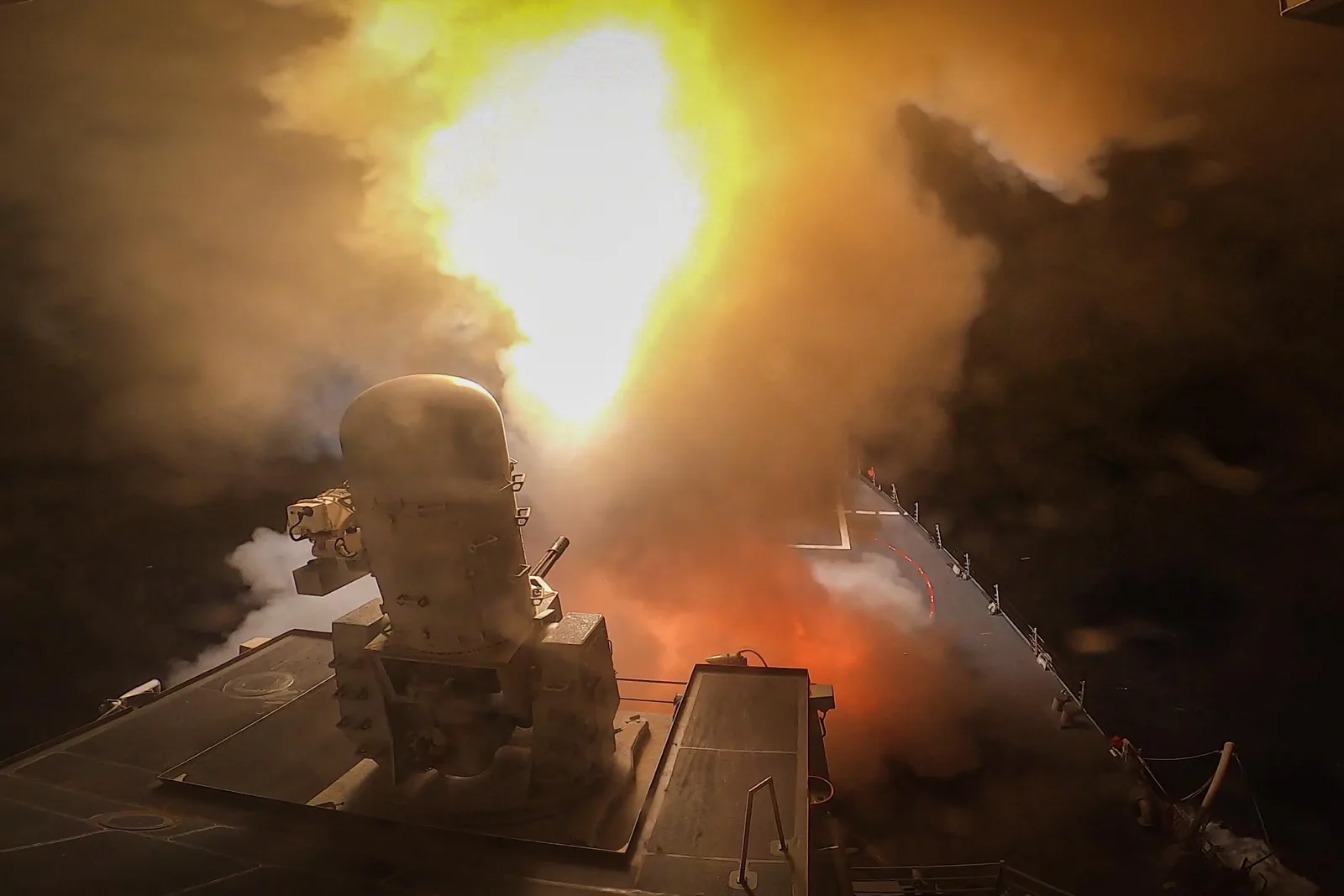
When Western naval forces deployed to the Red Sea in late 2023 under the US-led Operation Prosperity Guardian, a shortage of interceptors became apparent due to the volume of air and missile threats from Houthi attacks. Defending against renewed Houthi actions in the Red Sea will be difficult to achieve, particularly if more sophisticated ballistic missiles are used.
The Houthis, however, face a similar munitions issue. Weapons supplies from Iran have been effectively closed off as supply lines to Iran are closed due to the actions in the Strait of Hormuz. There is, ultimately, a ceiling in their supply of more capable offensive systems approaching, which will limit the Houthis’ effectiveness in denying the Red Sea to Saudi Arabia and other nations.
Outlook
Despite efforts to degrade Houthi offensive capabilities against targets in the Red Sea through supporting airstrikes under Operation Prosperity Guardian, international efforts have ultimately resulted in a temporary halting of Houthi offensive capabilities. The Houthis’ explicit ‘blockade-for-blockade’ political signals are designed to prevent a wider conflict with other countries, but still risks pulling in Saudi allies from Europe and beyond. The language around “Saudi-linked vessels” gives the Houthis the potential to expand their target list to foreign-flagged vessels that have called at a Saudi port.
The potential makeup of an anti-Houthi operation will drive how the near-term future of the conflict in Yemen will continue. Saudi Arabia has the most pressing need for security from the Houthi threat, as the threat to shipping will significantly hamper the country’s economy. An Arab-led force, such as the one that began operations against the Houthis in 2014, is unlikely. The continued threat over a conflict with Iran is ensuring that potential partners in the Gulf are prioritising their home defence over expeditionary operations.
International participation in security operations – from China and Japan to the European Union – will be critical to supporting safe transit through the Bab el-Mandeb. However, the ongoing supply challenges for interceptors, caused by the war with Iran and war in Ukraine, will limit the ability to defeat attacks by Houthi forces. Similarly, operations to protect allies and facilities in the Gulf against the Iranian threat are taking priority.
When combined with an uptick in Somali piracy, maritime security forces are spread thin when trying to support commercial shipping. As a result, it is likely that the security situation in the Red Sea and Arabian Sea will deteriorate in the near-term with a corresponding impact on global supply chains and economies.

Share post