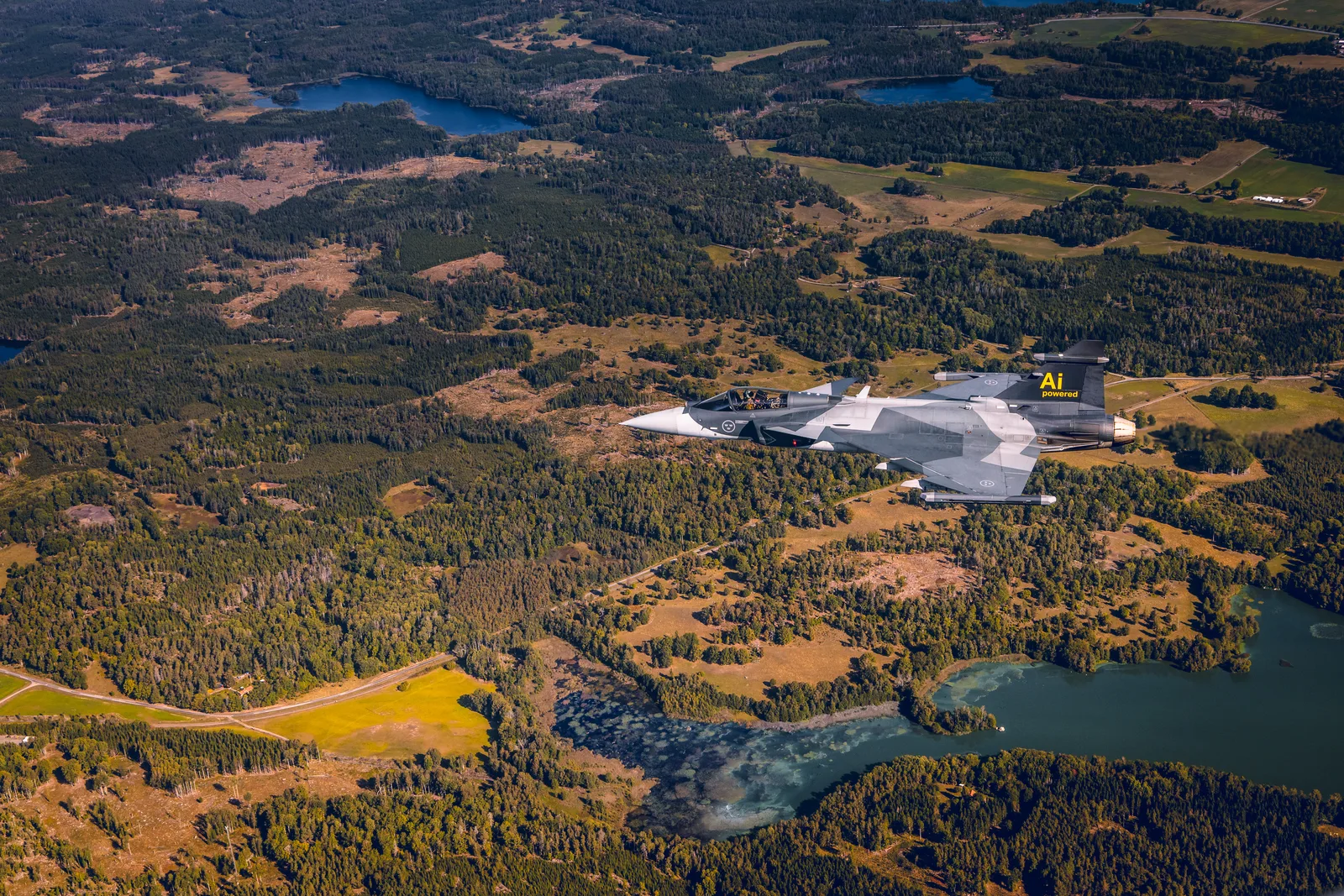
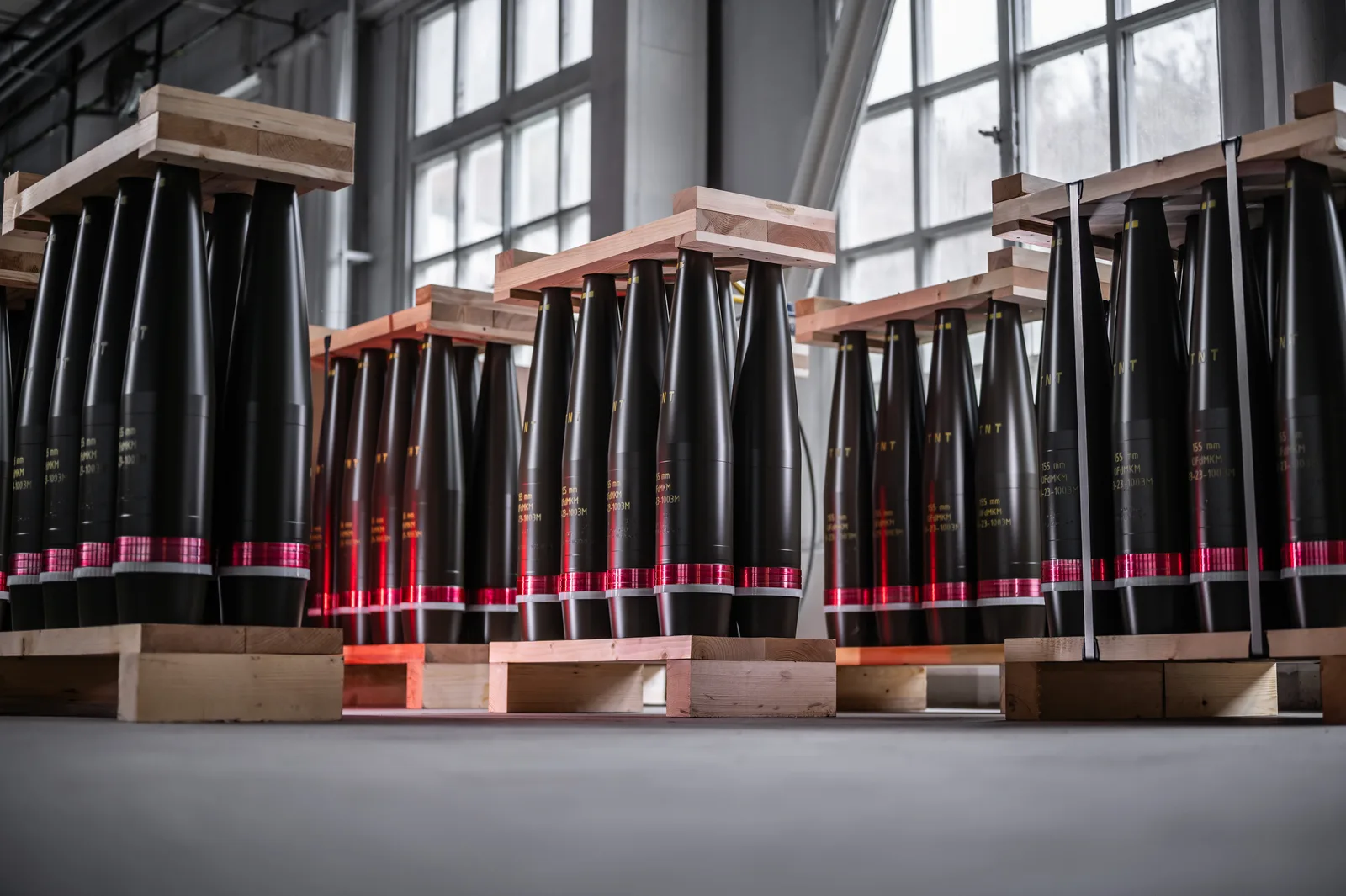
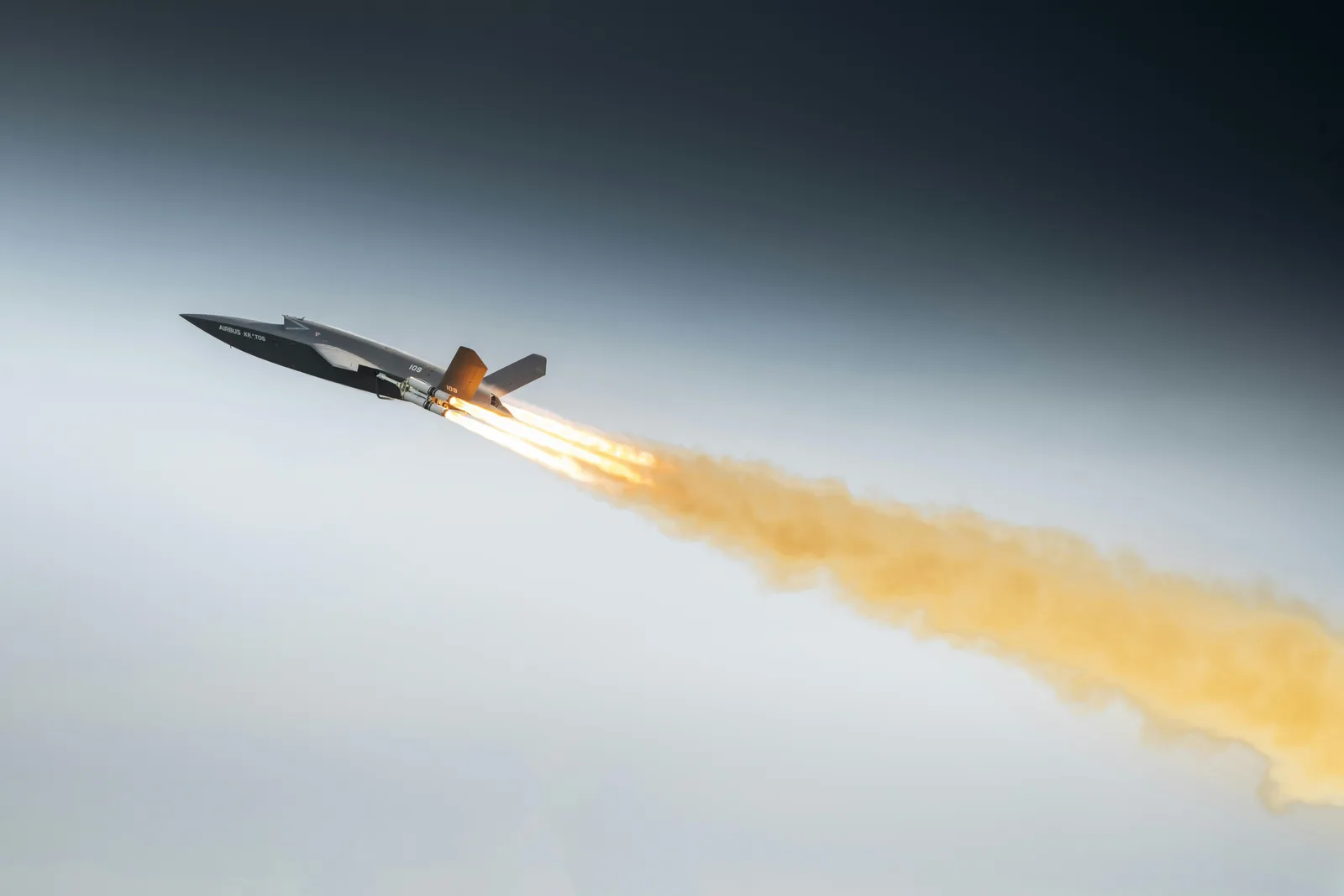
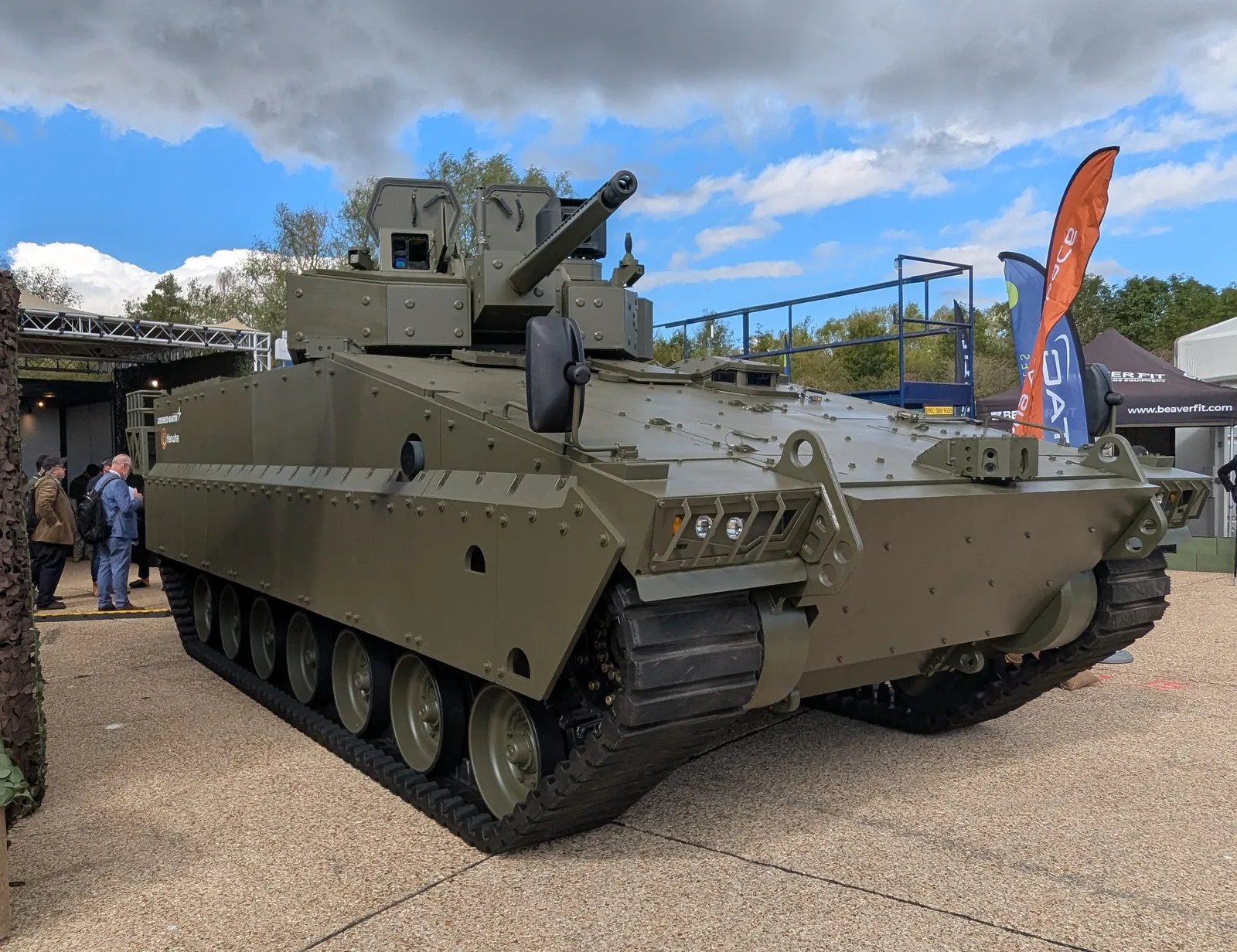
Northern European defence-industrial collaboration received a further boost at the Nordic Compass Summit on 5 November 2026, with the leaders from Saab, Ericsson, Kongsberg, Nokia, Patria and Terma announcing new shared development work on defence technology.
The new agreement will see the companies develop and build out federated space capabilities covering: secure communications; Arctic intelligence, surveillance, and reconnaissance; and a space-based missile warning system. Other projects will target the communications sector, with a trusted multi-carrier secure digital backbone developed to enhance – and seabed security to support — critical national infrastructure protection.
Critically, the national governments represented by the companies committed to supporting faster procurement processes and mutual recognition of standards certification. Such a policy will ensure that the demand signals and investments in major new projects are clear, with a purchase intent to support onward development and manufacture.
New military alliances, new opportunities
This new move at regional industrial collaboration comes at a time when political and military approaches to defence co-operation are unrecognisable from a decade ago.
The Scandinavian/Nordic nations have long had mutual support and collaboration at heart, but have lacked a core framework to work within. Collaboration through the Nordic Defence Cooperation (NORDEFCO) structure began in 2009 to facilitate co-operation between member nations’ defence ministries and armed forces, with membership consisting of Denmark, Finland, Iceland, Norway and Sweden. While accession to NATO has helped to bring the member nations together into a single organisation, NORDEFCO continues to serve as a useful forum to align military and political policies that remain core to the region’s stakeholders.
From a defence-industrial perspective these changes in Nordic and Scandinavian alliances have helped to open doors to more collaborative funding opportunities that support national, regional and European technological ambitions. Access to funding is not uniform, however, as nations have been excluded or have opted out of major regional funding opportunities.
The European Defence Agency’s (EDA’s) European Defence Fund supports access to over EUR 8 billion in research and development opportunities, but Norway is an associated partner country with limitations placed on unilateral project funding. Norway is, additionally, excluded from the EDA’s Permanent Structured Cooperation (PESCO) funding mechanism that supports joint planning, development, and investment in defence technology. Denmark only joined the EDA in 2023, meaning that development funding for new technology opportunities will only have started in earnest from 2024. Sweden, for its part, opted out of the EU’s SAFE (Security Action for Europe) defence funding programme for economic reasons resulting from the country’s low debt-to-GDP ratio.
Finland has, however, been able to make significant inroads into the European defence-industrial ecosystem that have been accelerated by its NATO membership. Defence technology development and funding opportunities, such as those with the NATO DIANA (Defence Innovation Accelerator) organisation, have allowed for new collaboration and partnership opportunities within the alliance. Finland is also currently leading the EDA’s Quantum Enablers for Strategic Advantage (QUEST) project, funded through the PESCO process, to improve positioning, navigation and timing capabilities using quantum technology.
Northern European joint leverage
The new agreement will help to sharpen bids from the bloc for funding on new European defence projects that were announced earlier this year. Support for these, as reported by Warsight in October, include the development of maritime and seabed defence, space-based technologies, and air and missile defence systems.
The Scandinavian countries bordering the Baltic Sea have become more focused on seabed security following cable-cutting incidents caused by merchant vessels dragging anchors along the seafloor. Ongoing joint operations, such as Baltic Sentry, are working to enhance monitoring and response to this threat, with new technology to enhance monitoring, responsiveness and domain awareness. Maritime and seabed security is set to receive EUR 43-72 billion from the European Defence Project of Common Interest (EDPCI) funding over the next 20 years, although Denmark is excluded from the planned investment programme.
Similarly, the delivery of space systems at scale in Europe is being spearheaded by the Scandinavian countries. Finland’s ICEYE, for example, has been advancing in the synthetic aperture radar (SAR) domain, launching a growing constellation of satellites to support all-weather surveillance.
Outlook
The ability to leverage broader funding pools will be one support pillar for this initiative, but the political signalling from the Nordic Compass participating states will ensure that there is an investment intent even if the companies miss out on the larger pot.
While Europe is focusing on regional sovereignty of equipment, operations and supply chains, the impetus for the Scandinavian/Nordic states to pursue their own collaborative approach is greater. The bloc is reliant on subsea infrastructure to support its links with continental Europe, while also possessing the single longest European border with Russia. As hybrid warfare threats increase, the capacity for the bloc to act in unity to detect and respond to provocations in defence of their own interests will enhance their own national security – and ultimately NATO’s.