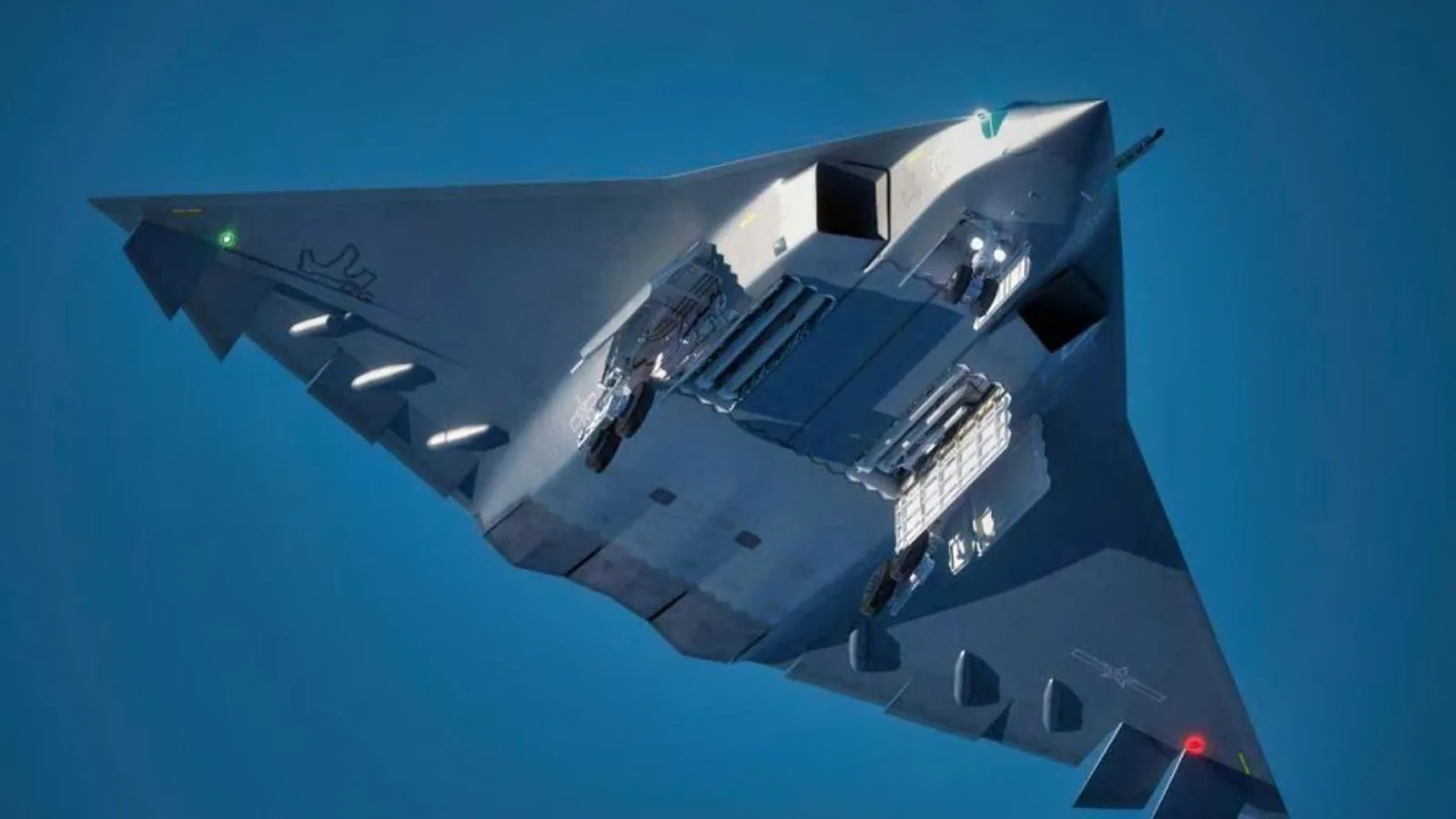
Warsight summarises some of the more salient defence news emerging over the week to 24 April.

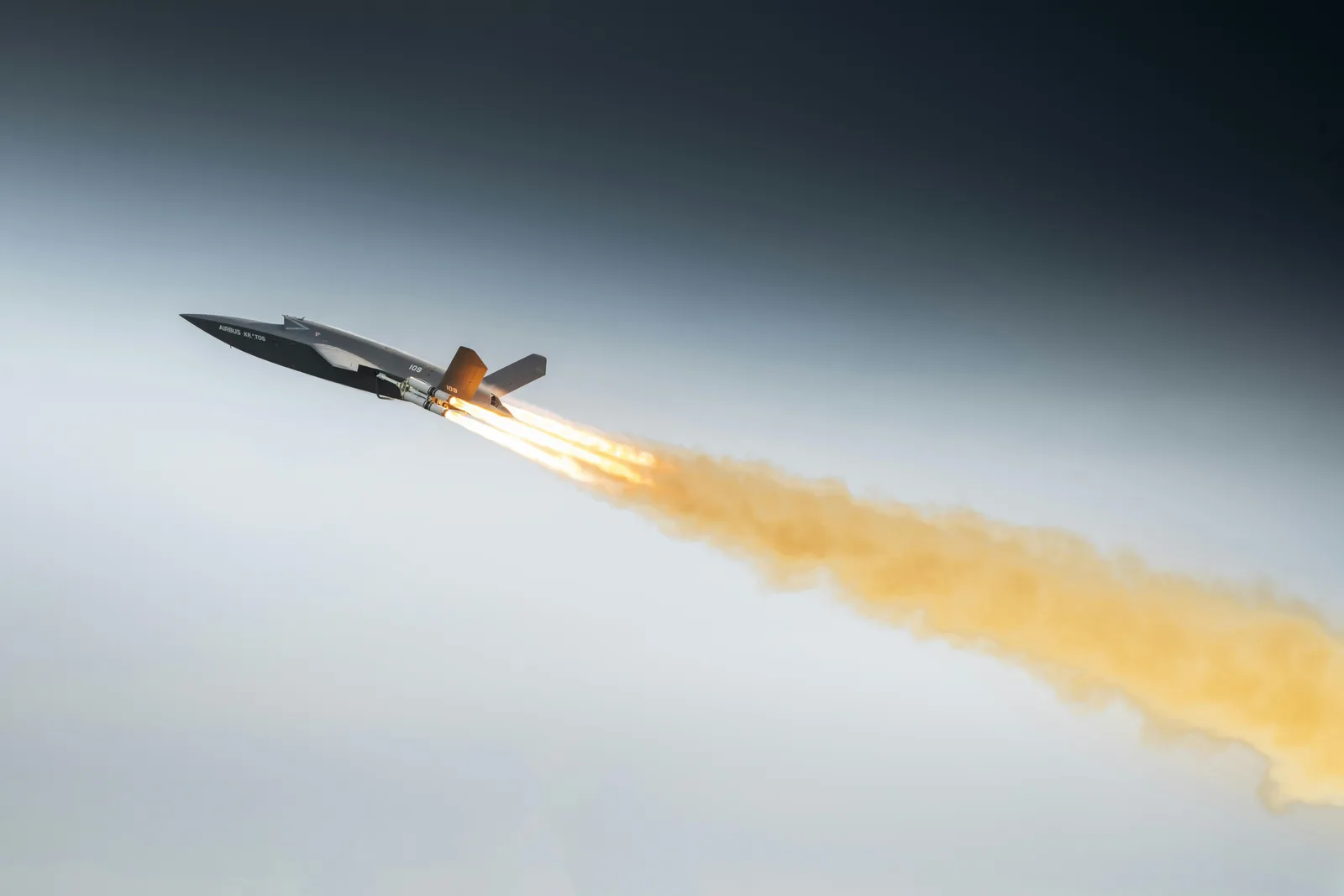

Warsight summarises some of the more salient defence news emerging over the week to 24 April.

Embraer’s KC-390 Millennium tanker-transport aircraft (see image above) has completed a global demonstration tour in which it flew more than 47,000 nautical miles (87,044 km), completed 54 flights and operated across 11 countries over a period of more than 70 days, the Brazilian manufacturer announced on 20 April 2026.
Throughout the tour the KC-390 accumulated approximately 140 flight hours, Embraer noted, adding that the aircraft achieved a 100% mission accomplishment rate and operated under extreme conditions ranging from the severe cold of the Arctic to the hot and humid climate of Asia.
You can read the press release here.
Tiberius Aerospace announced on 21 April 2026 that it has successfully
demonstrated, for the first time, that a liquid-fuelled ramjet projectile can be launched from a NATO-standard 155 mm howitzer, achieve ramjet ignition and perform as intended in flight.
The breakthrough was achieved during recent test firings of its Sceptre system in New Mexico, representing what the company calls “a fundamental shift in what artillery systems are capable of delivering on the modern battlefield.”
Sceptre is a 155 mm precision-guided munition designed for full compatibility with current NATO-standard artillery systems. The latest round of testing confirmed that it can reach ranges of up to 150 km, travel at speeds of around Mach 3.5 and operate at altitudes exceeding 65,000 ft (19,812 m), putting it beyond typical jamming range. It delivers a 5.2 kg payload with a circular error probability (CEP) of less than 5 m, even in GPS-contested environments, and requires no modifications to current artillery platforms.
You can read the press release here.

The US Navy is seeking USD 1 billion (EUR 0.85 billion) in advance procurement funding in its FY 2027 budget submission, released on 21 April 2026, to build the first Trump-class battleship. The schedule is designed allow the service to make the purchase before President Donald Trump leaves office.
Plans for the 30,000-ton battleship, known as BBG(X), are somewhat controversial, given that the US Navy last operated such large surface combatants 35 years ago and most navies that previously operated battleship fleets retired them shortly after the Second World War.
The first Trump-class battleship is projected to cost USD 17 billion.

US Secretary of the Navy John Phelan was abruptly fired on 22 April 2026, even as the US Navy was fully engaged in imposing a naval blockade or Iran.
CNN reporting on Phelan’s ousting pointed to months-long tensions between him and US Secretary of War Pete Hegseth, who believed Phelan was moving too slowly on implementing US shipbuilding reforms and resented Phelan’s direct communications with US President Donald Trump, which Hegseth saw as an attempt to bypass him.
Phelan, a businessman with no prior military service, was a major fundraiser for Trump’s campaign before he was confirmed as navy secretary in 2025.
Undersecretary Hung Cao is now Acting Secretary of the Navy.

Babcock International announced on 22 April 2026 that it has returned the Royal Navy aircraft carrier HMS Queen Elizabeth to operational readiness following completion of a planned maintenance programme at Rosyth.
The programme involved thousands of hours of engineering work to inspect, maintain and enhance the ship’s critical systems, including propulsion, stabilisation and wider repair and renewal activity.
HMS Queen Elizabeth will shortly begin a period of sea trials before returning to front-line duties with the Royal Navy.
You can read the press release here.

Airbus has entered into an agreement o acquire French cyber-security company Quarkslab, Airbus announced on 21 April 2026.
The move is designed to reinforce Airbus’ position as a trusted, sovereign partner for French authorities while strengthening its presence in the European cyber security landscape.
Quarkslab is a privately owned French cyber security company founded in 2011, with approximately 100 employees, primarily based in Paris and Rennes. The company delivers cyber security solutions to help organisations protect critical assets, data and users from cyber attacks. It also markets QShield: a comprehensive solution for software providers to protect software against AI threats; to safeguard data, secrets and code; and to secure edge components, namely in the defence and aerospace industries, from being reverse engineered by attackers or AI.
You can read the press release here.

Rheinmetall signed a major framework contract with the Bundeswehr on 22 April 2026 to supply a large number of FV-014 loitering munition systems.
The framework contract is worth billions of euros, with the first call-off amounting to approximately EUR 300 million gross. The order will be booked in April 2026, with initial deliveries scheduled to begin in the first half of 2027.
The FV-014 loitering munition has a range of up to 100 km and is equipped with a 4 kg warhead and detonator mechanism. It can remain airborne for up to 70 minutes, monitoring targets before engaging them.
You can read the press release here.
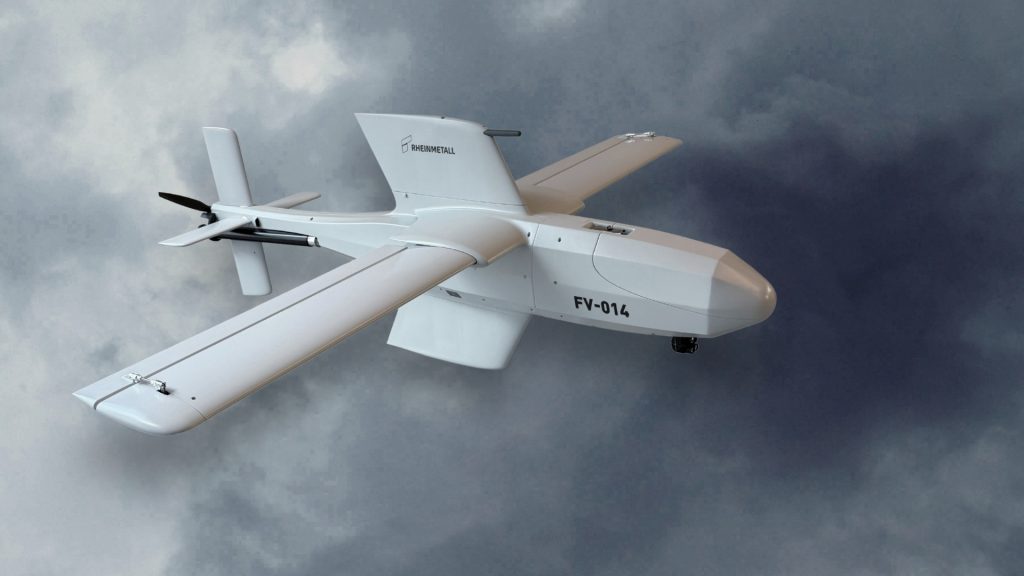
General Atomics Aeronautical Systems Inc (GA-ASI) has been selected by the US Naval Air Systems Command’s Strike Planning and Execution Systems program office (PMA-281) for its Collaborative Autonomy Mission Planning and Debrief (CAMP) project, GA-ASI announced on 20 April 2026.
The initiative, which will demonstrate key capabilities on GA-ASI’s MQ-20 Avenger unmanned aerial vehicle, will advance mission planning capabilities, AI model management and autonomy workflows for autonomous combat platforms, culminating in a government-sponsored demonstration targeting a 2026 fleet exercise.
The project will demonstrate the potential for extending PMA-281’s Mission Planning Software framework to support advanced autonomy operations, including behavioural tasking, rules of engagement (ROE) configuration, AI decision thresholds and comprehensive mission debrief capabilities.
You can read the press release here.
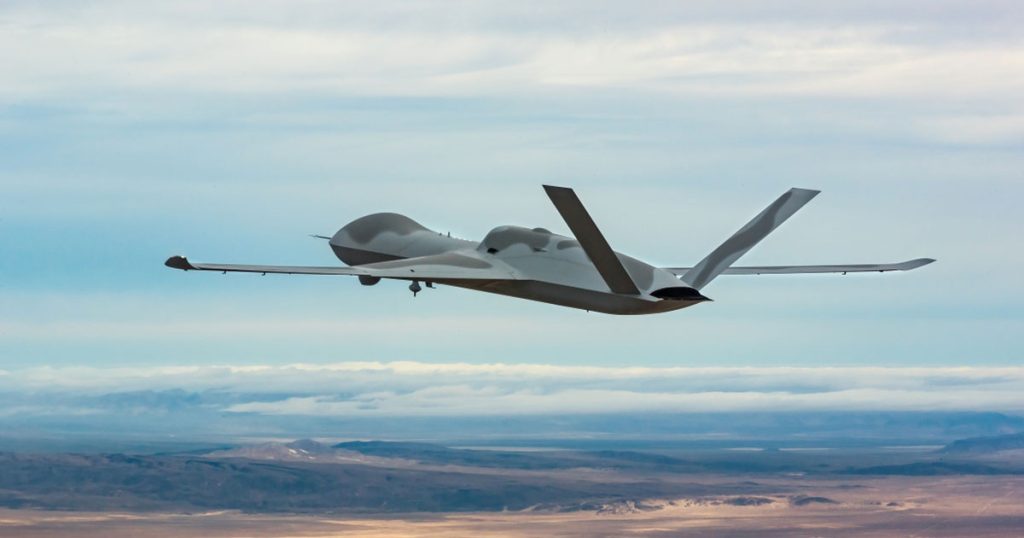
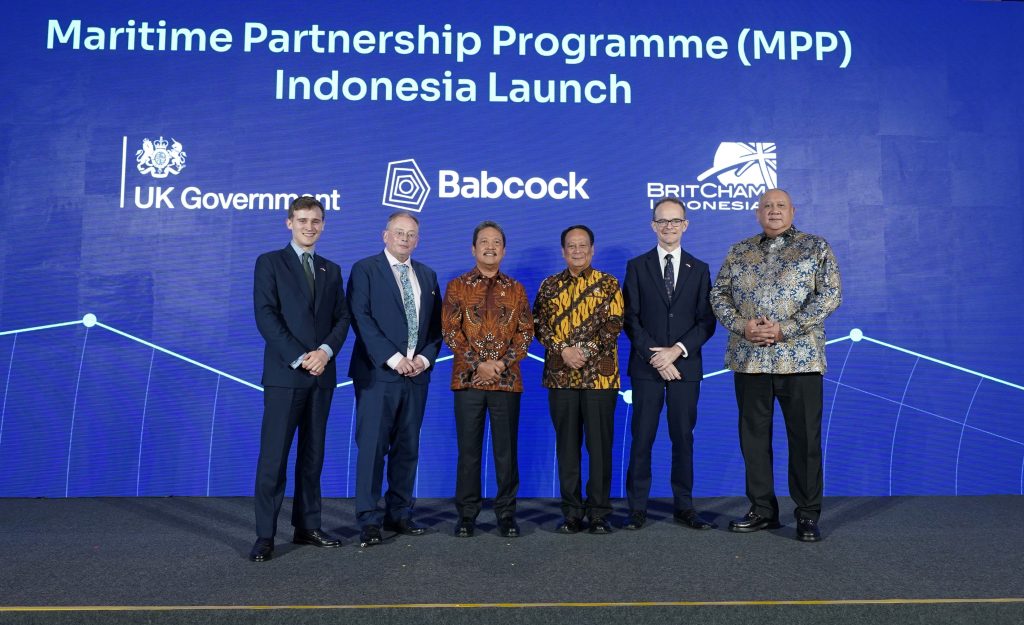
Babcock International Group, together with the British Embassy in Jakarta, British Chamber of Commerce and Indonesian partners, have formally launched the Maritime Partnership Programme (MPP): a flagship agreement to deepen UK–Indonesian co-operation across maritime defence, fisheries, industrial capability and skills development, Babcock announced on 23 April 2026.
Babcock signed four memoranda of understanding (MOUs) with leading universities, industry partners and key programme stakeholders. The MOUs reflect a deliberate strategy to invest across the full spectrum of Indonesia’s maritime industry and build on the GBP 4 billion UK-Indonesia maritime deal signed in November 2025, reinforcing commitments under the UK-Indonesia Strategic Partnership launched by Indonesian President Prabowo Subianto and UK Prime Minister Sir Keir Starmer in London on 20 January 2026.
You can read the press release here.