The Baltic states, as part of NATO’s frontier facing onto Russia, have existential concerns about Russia’s intentions in the region. In particular, they are keen observers of the ongoing war in Ukraine.
One defining aspect of the war is the ongoing and ubiquitous use of unmanned aerial vehicles (UAVs) for numerous uses, including strike, reconnaissance, supply, and more recently, even casualty evacuation. Estimates vary, but figures of 100,000 drone sorties per month on both sides of the conflict have circulated.
The Baltic states in general and Lithuania in particular, have confronted the spectre of drone incursion. A number of incidents involving suspicious drones have been reported in Lithuania. As one example, a drone alert was issue to residents of several regions of Lithuania in October 2026.
As part of a broader increase in defence spending across the Baltic states, Estonia, Lithuania, and Latvia are increasing their ability to detect and counter hostile UAVs. It should also be noted that Ukrainian drones have allegedly occasionally turned up in Lithuanian airspace, having been confused or diverted by Russian electronic warfare (EW) efforts.
Many aspects of the air defences of the Baltic states are rightly sensitive, but observers can occasionally catch a glimpse. A 2 October 2026 press release by the Lithuanian Ministry of Defence (MoD) is a notable example. The Lithuanians are fielding a Ukrainian made system called ‘Sky Fortress’ to detect both UAVs and cruise missiles.
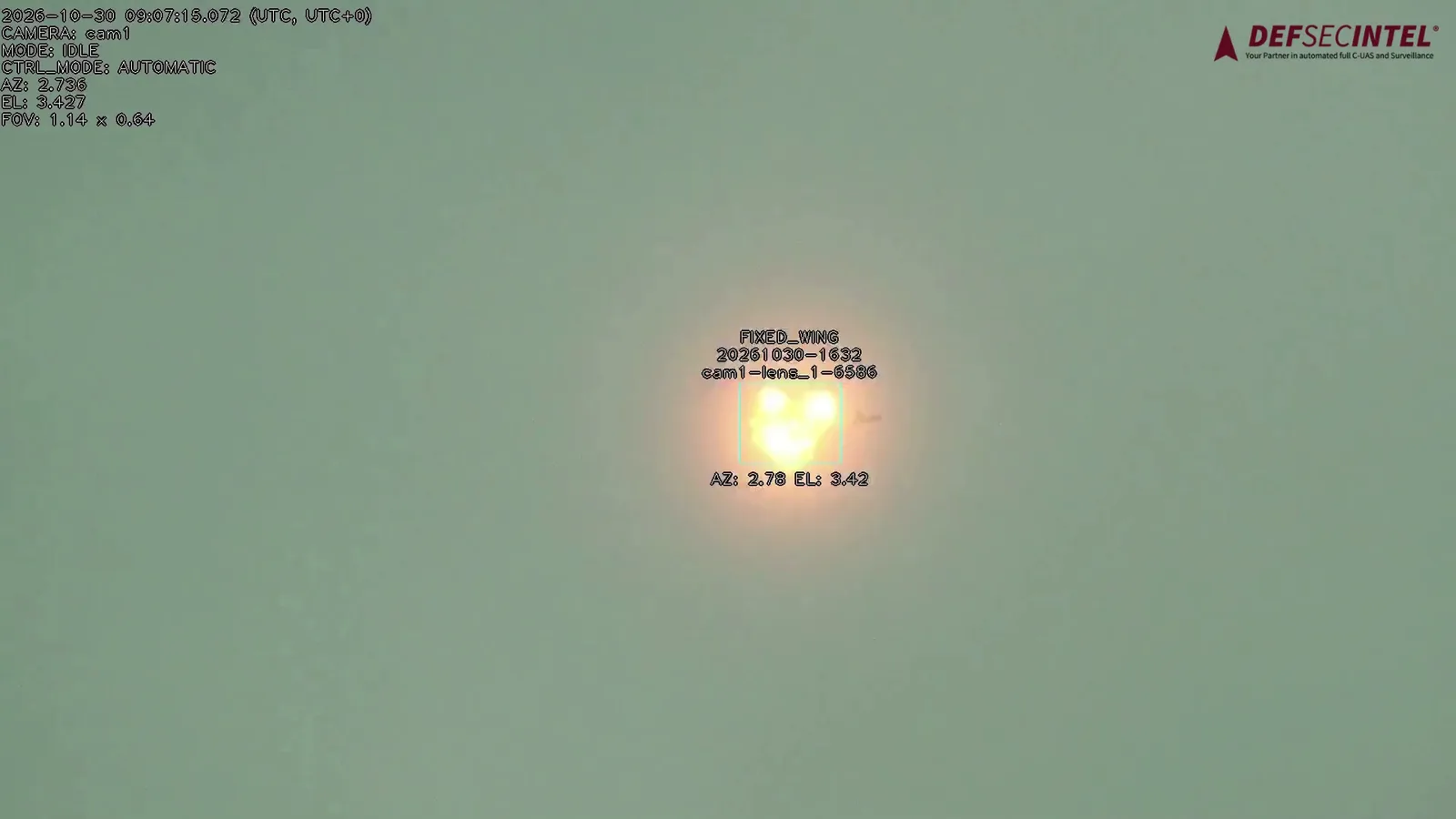
UAVs, particularly those low-flying and very small models, have proven to be difficult to detect by traditional air defence radar systems, particularly at longer ranges. In the case of low-flying UAVs and cruise missiles, this is due to the curvature of the Earth setting the radar horizon. In the case of small UAVs, this is due to their small surface area and materials providing insufficient energy return for detection at greater distances.
Enter Sky Fortress
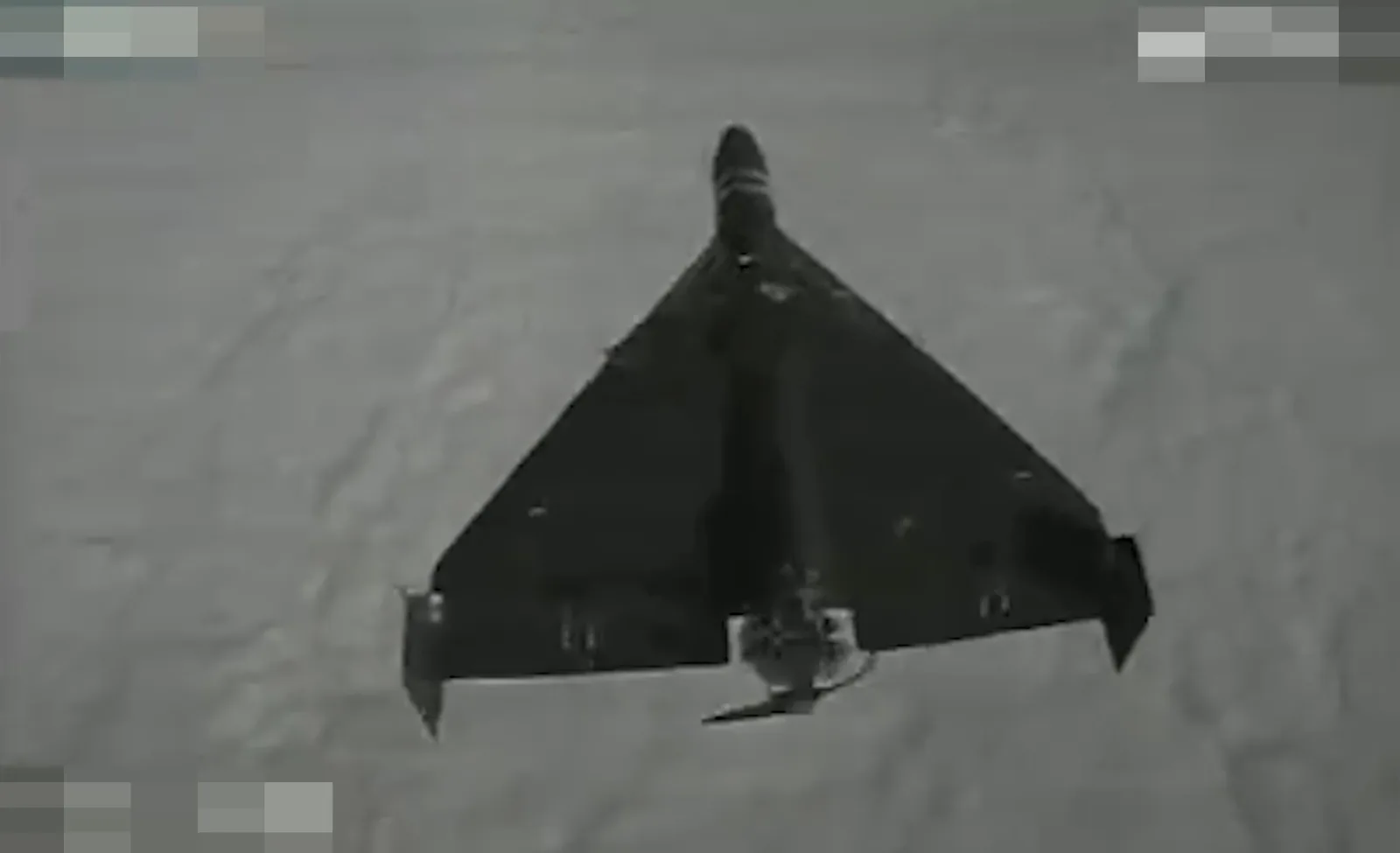
Sky Fortress, produced in Ukraine, was reportedly originally developed to detect Iranian Shahed-type one-way attack (OWA) drones, and by extension, their Russian Geran-series derivatives. Exact details of the origin of Sky Fortress are scant.
[CORRECTION 10/11/2026: An earlier version of this article mistakenly claimed that Sky Fortress was a renaming of an earlier effort called ‘Zvook’, based on an article in a US military journal. A Zvook representative reached out to clarify that the two companies are distinct Ukrainian producers of acoustic detection systems. The article has been updated to reflect this.]
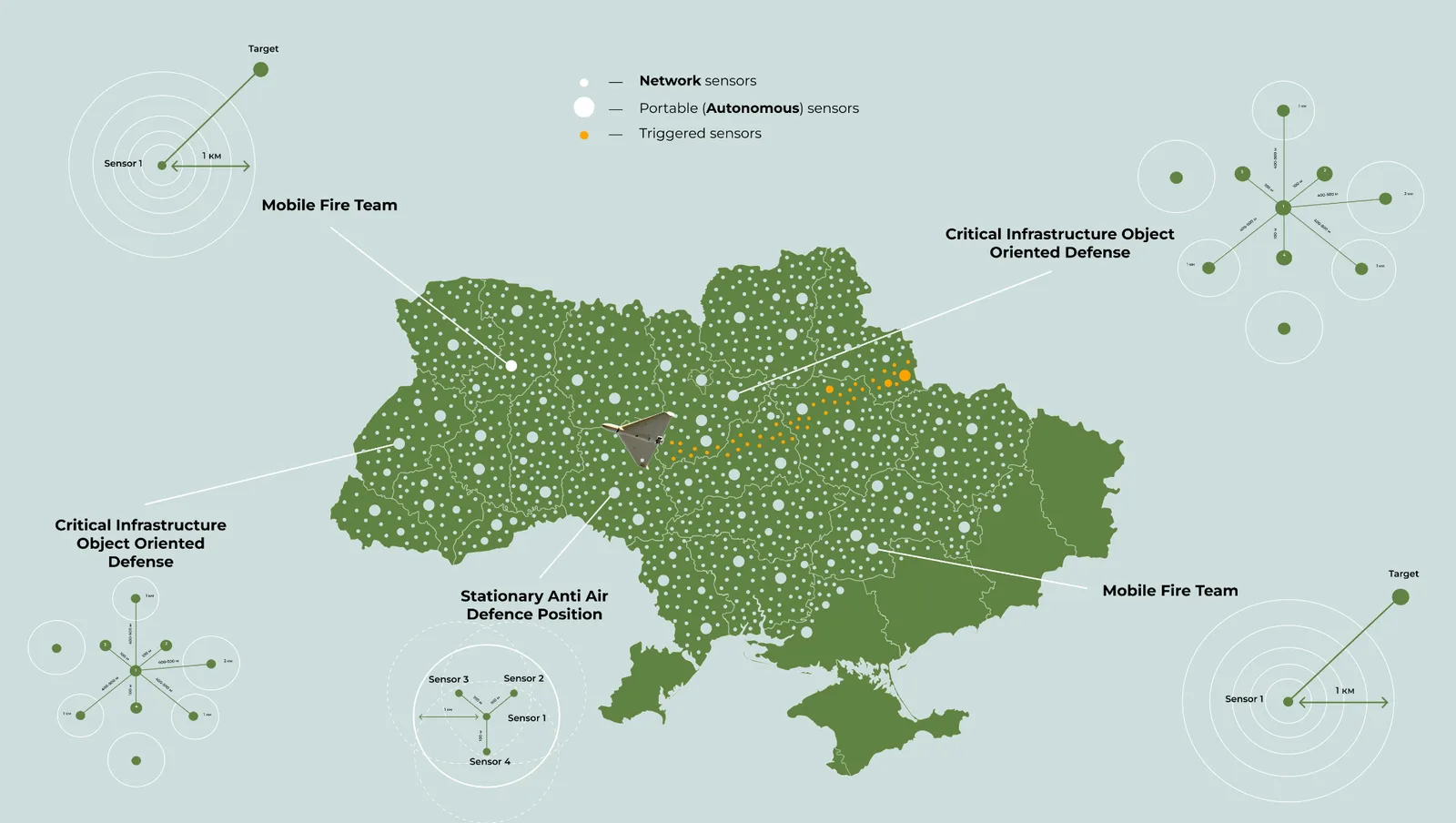
The Sky Fortress system works by acoustic means. A widely dispersed network of detectors uses electronic microphones installed in parabolic acoustic mirrors to increase their fidelity and sensitivity, tied to a central processing unit (CPU) and sound card. These parabolic mirrors are, in fact, small replicas of acoustic sensors used in the pre-radar era. The networked sensors use machine learning to detect and locate possible drone threats.
Earlier systems used Android cell phones as the CPU for each sensor, but dedicated hardware has been developed. The first generation sensors units were approximate 30 cm x 30 cm x 5 cm, and were believed to be less than USD 1,000 each. The sensors are mounted on existing radio towers, telephone poles, and similar vantage points. The command and control platform is called SkyMap.
Allegedly, a network of 14,000 to 15,000 Sky Fortress sensors covers Ukraine. The system appears to be cheap enough to allow for widely proliferated sensor coverage. Since the unoccupied parts of Ukraine are approximately 7.5 times larger than Lithuania, a reasonable estimate is that 2,000 systems would be needed for the Lithuanians to have similar coverage. A particular advantage is that these small sensors are quite passive compared to radar, particularly if they communicate by wire. Even ones that use the cell phone system to communicate are likely to be indistinguishable from routine mobile phone background signals.