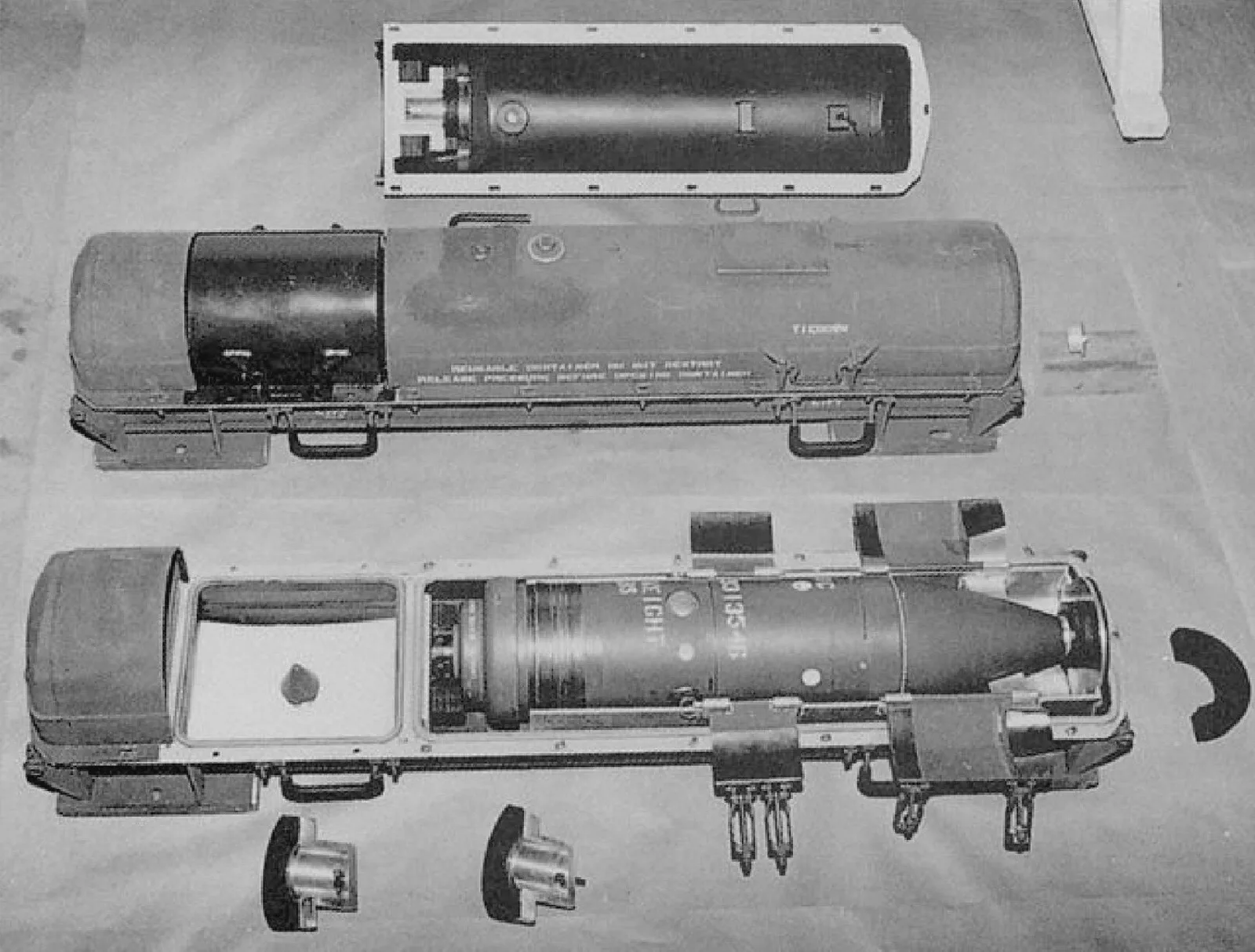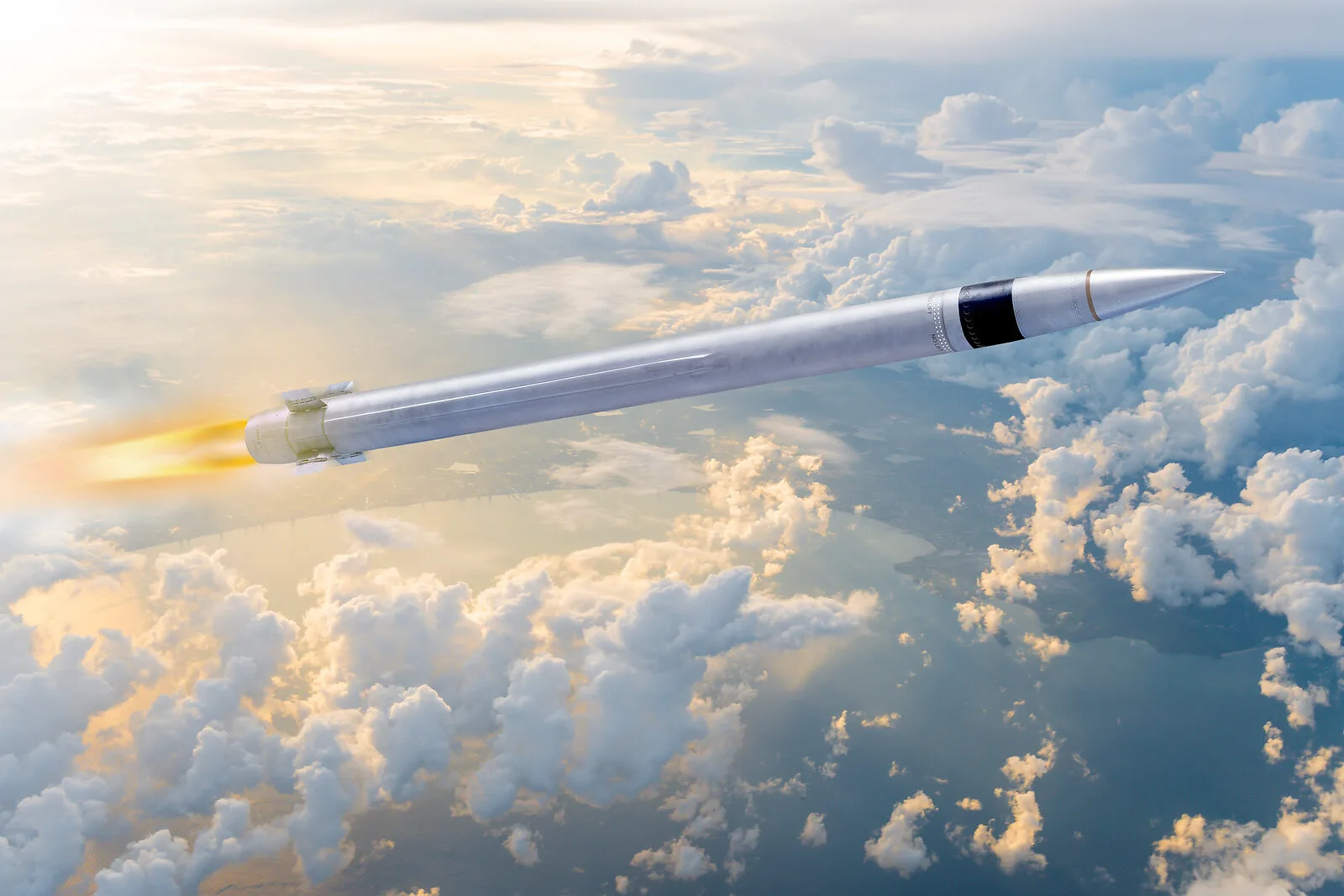
US defence manufacturer Lockheed Martin announced the launch of the PAC-3 Edge air defence missile on 9 October 2026 as part of the ongoing development of the Patriot missile system.
According to the company, the PAC-3 Edge features a new seeker developed by the company’s new Florida-based Strigo Product Centre, as well as a multi-pulse solid rocket motor developed by Northrop Grumman. The PAC-3 Edge builds on the company’s existing PAC-3 MSE (Missile Segment Enhancement) effector that entered service with the US Army in 2015.
Lockheed Martin’s Strigo Product Centre, officially opened in August 2026, specialises in radio-frequency (RF) sensors, missile datalinks and missile seeker technologies. The Strigo concept is the company’s new effort to develop and deliver reconfigurable missile systems using a common baseline architecture, following on from US government directions to deliver open-architecture systems.
The announcement comes shortly after the company unveiled the PAC-3 ACE (Adapted Capability Effector) at the Farnborough Air Show in July 2026. The PAC-3 ACE is billed as a lower-cost variant of the Patriot missile family, while using the existing PAC-3 software and Integrated Battle Command System (IBCS) used by the Patriot system.
Competition for US Army requirement
Lockheed Martin said in its announcement that it is targeting the US Army’s Future Interceptor programme, which is currently in competition to deliver new integrated air and missile defence capabilities. Incumbency may, however, not be a guarantee to the successful bidding of the PAC-3 Edge into the US Army’s requirements.
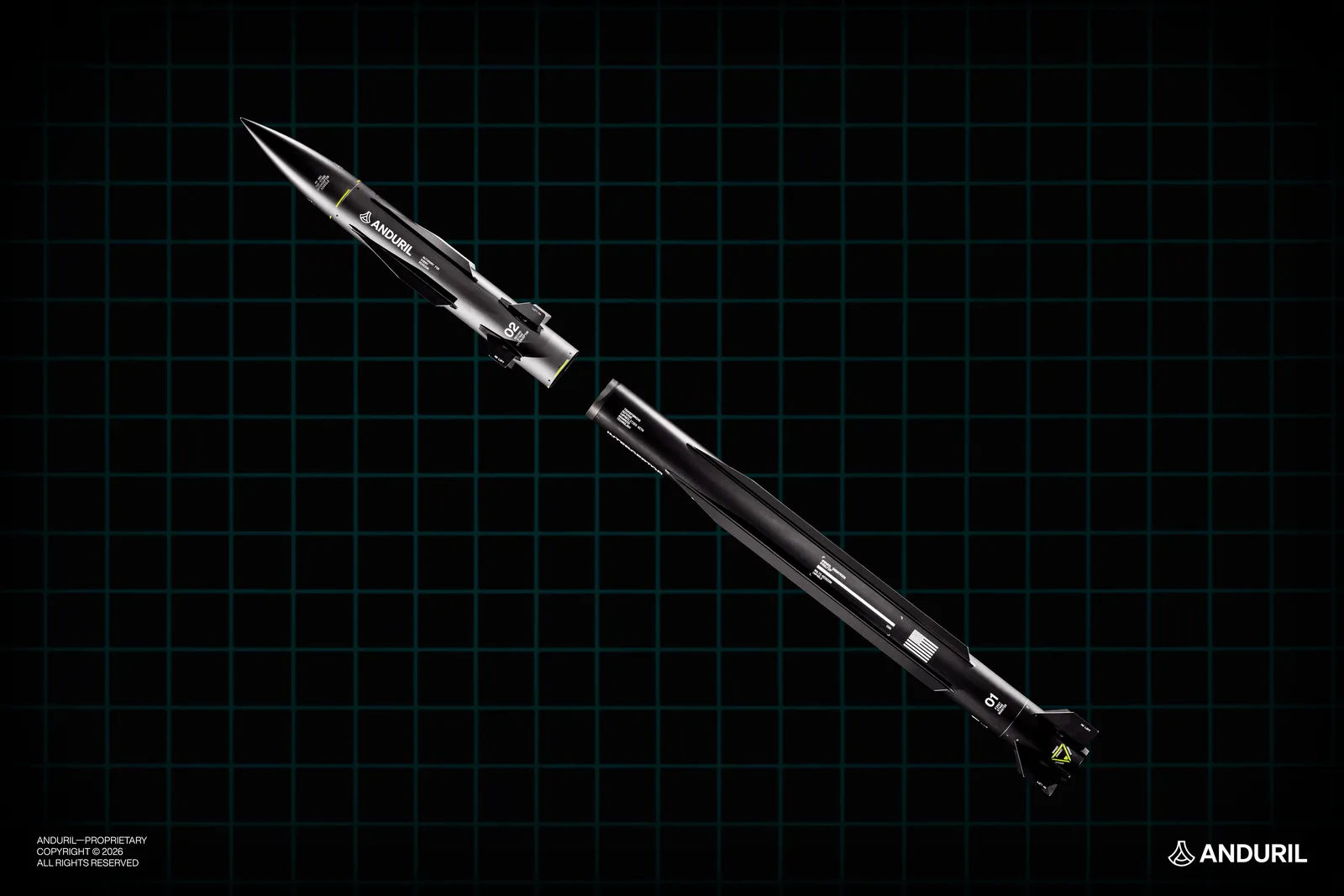
Anduril Industries announced the launch of its Steelfin family of surface-to-air missiles at the Asssociation of the US Army 2026 exposition on 12 October. This two-stage missile system features a first-stage solid rocket motor booster, while the second stage uses a common terminal interceptor architecture that can be modified to accommodate different seekers, mission systems or other components. The company argues that the modular architecture of its new effector system allows for the rapid re-roling of missiles to address changing threat and interceptor requirements.
The Steelfin can also be launched from systems including the M903A2 ground launcher used by the Patriot missile system, the Mk 41 Vertical Launch System and the Typhon system. It can also be integrated into the IBCS.
Supply chain pressure
Subsystem supplies for the PAC-3 family are beginning to show significant strain before new variants can start to be processed through the test and evaluation phases for a potential sale.
On 12 October the Polish Land Forces’ operational commander, General Ireneusz Nowak, said that the delivery of Patriot PAC-3 MSE systems and interceptors to Poland were to be delayed, with other countries such as Estonia and Lithuania also reporting delays in deliveries caused by the ongoing war with Iran.
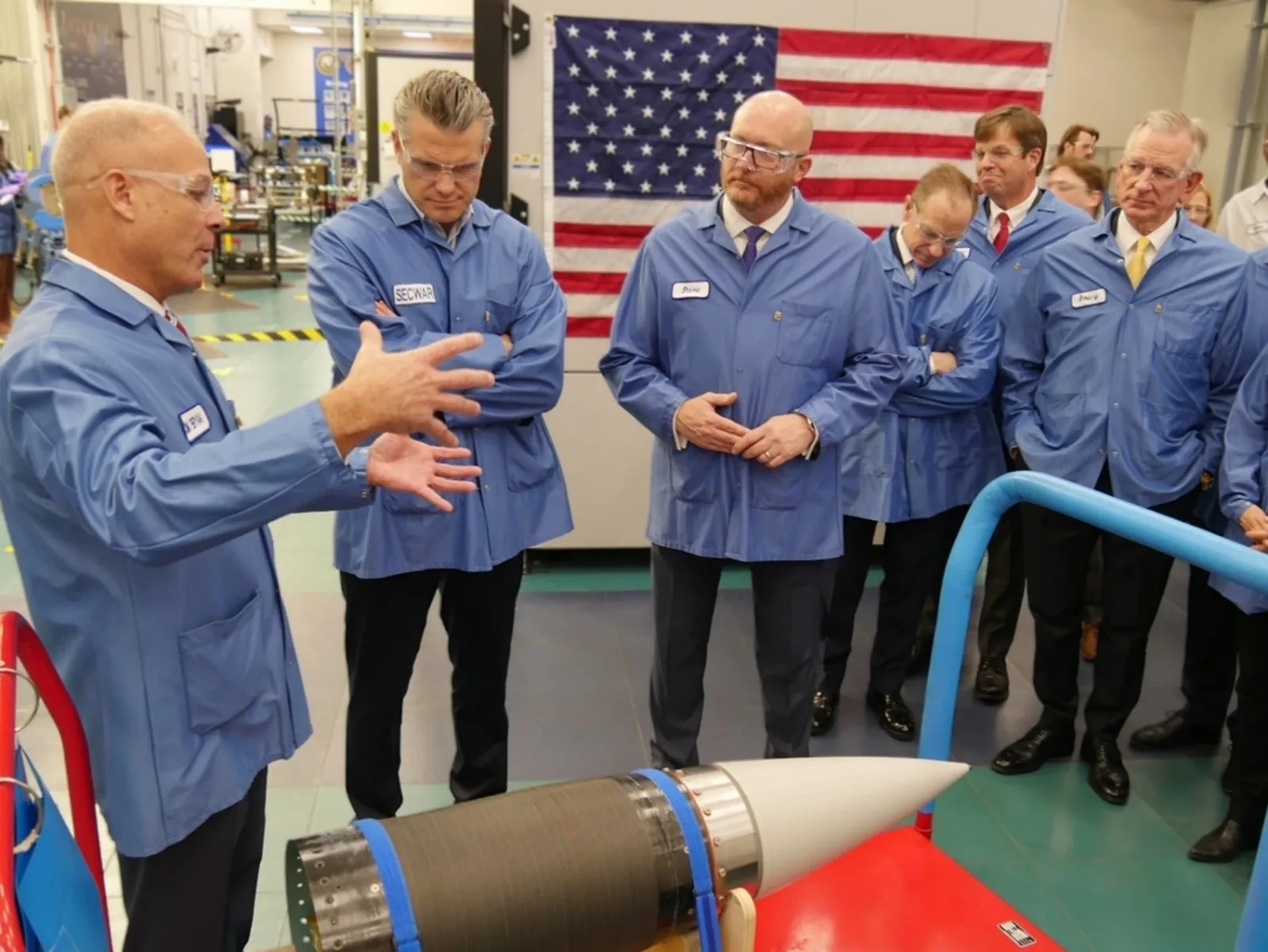
US efforts to increase production in the face of a diminishing magazine has also led to greater investment in the supply chain. A seven-year framework contract, worth USD 53.9 billion (EUR 48.5 billion), was awarded to Lockheed Martin by the US Army in April, aimed at more than tripling production to 2,000 missiles per year. Corresponding supply chain contracts have been awarded, with Boeing receiving a USD 14.7 billion contract for seekers, Northrop Grumman receiving USD 2 billion for rocket motors and automotive manufacturer GM Defense being contracted to produce PAC-3 MSE housing components.
Over the past year Lockheed Martin has begun exploring the manufacture in Europe and Ukraine of PAC-3 MSE effectors as part of efforts to increase production closer to suppliers. An initial step to creating a Patriot PAC-3 MSE and CRI (Cost Reduction Initiative) interceptor maintenance facility in Europe was announced in July, to be performed in collaboration with Germany, the Netherlands, Poland and Sweden. Given the current expenditure rates of missiles, however, the need for missile maintenance facilities may be moot.
Subcomponent supply contracts in Europe have also been signed. Poland’s PGZ Group is in line for a production contract covering PAC-3 MSE attitude control systems, while WZE was awarded a purchase order for Enhanced Launcher Electronic Station (ELES) and J-Box systems for use in Polish production orders.
Outlook
For the Anduril Steelfin system, integration into a software and hardware infrastructure that is dominated by Lockheed Martin will undoubtedly require significant data and intellectual property sharing between the two companies. The level of competition between the two firms will likely mean that significant customer involvement will be required to ensure that development and deployment run smoothly.
Increasing manufacturing output will be a significant way that Lockheed Martin can maintain its position in the US integrated air and missile defence ecosystem. For Anduril, starting production from zero and scaling up will require them a robust supply chain to be in place that can meet ever-growing demands.
Signals to Europe on PAC-3 production and support are promising, particularly as European-manufactured systems are not able to scale to the same extent that the US supply chain can. However, with more customers placing demands on the Patriot missile production lines, maintaining adequate supplies could still be a challenge.