Published on 4 September 2026, the US Congressional Research Service report entitled Air Force Fighter Force Structure: Background and Issues for Congress has raised some serious issues concerning US Air Force (USAF) capability and its force projection capacity.
As part of its responsibility in overseeing the funding and composition of the US Air Force under Title 10 of the US Code Statute, US Congress is tasked with ensuring the Secretary of the Air Force maintains ‘a total primary mission aircraft inventory of not less than 1,145 fighter aircraft’, those aircraft that are designated with a F or A prefix. These so-called ‘combat coded’ aircraft conduct air-to-air, air-to-ground, SEAD, reconnaissance, CAS, CSAR support or airborne FAC missions.
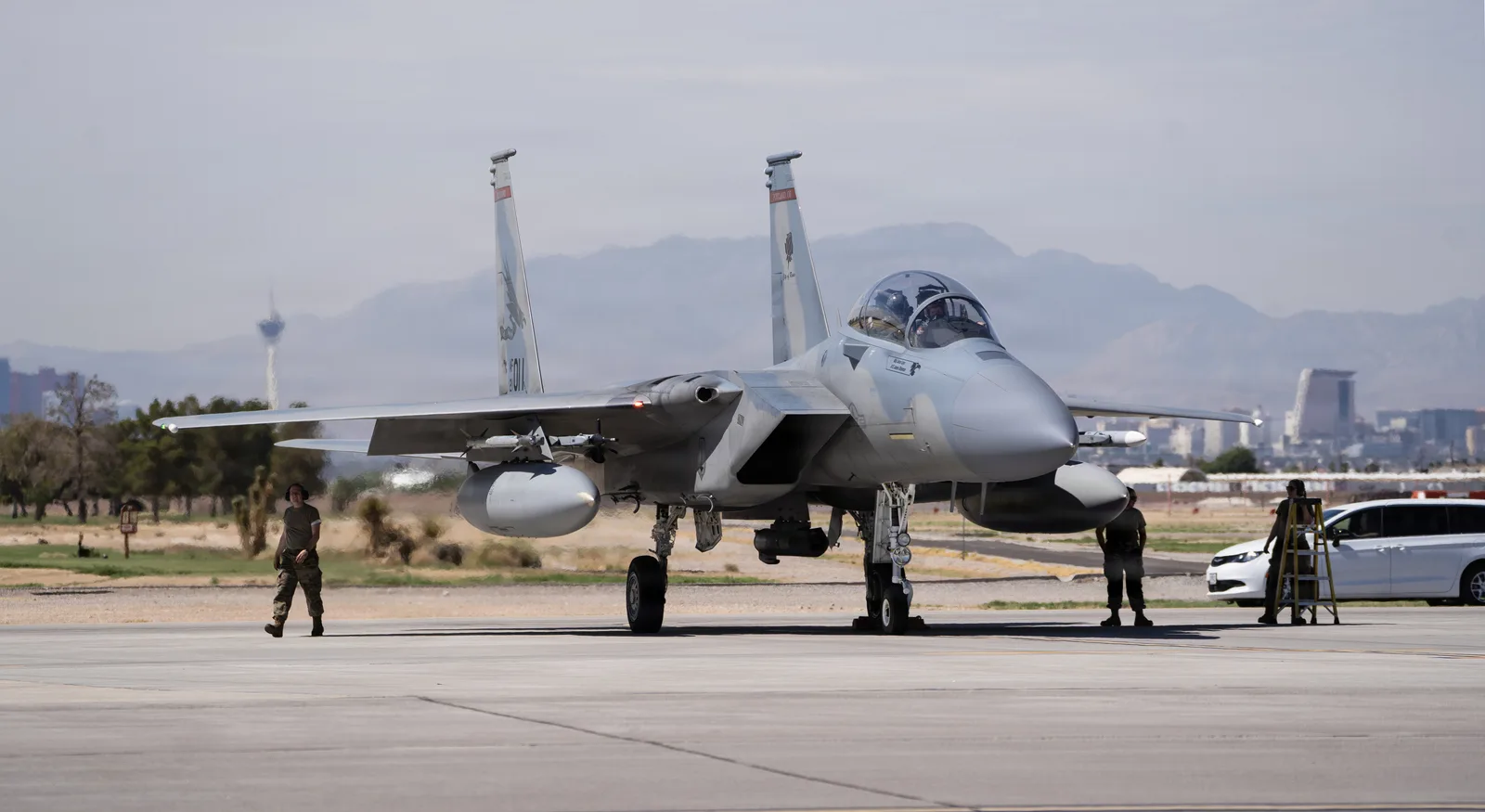
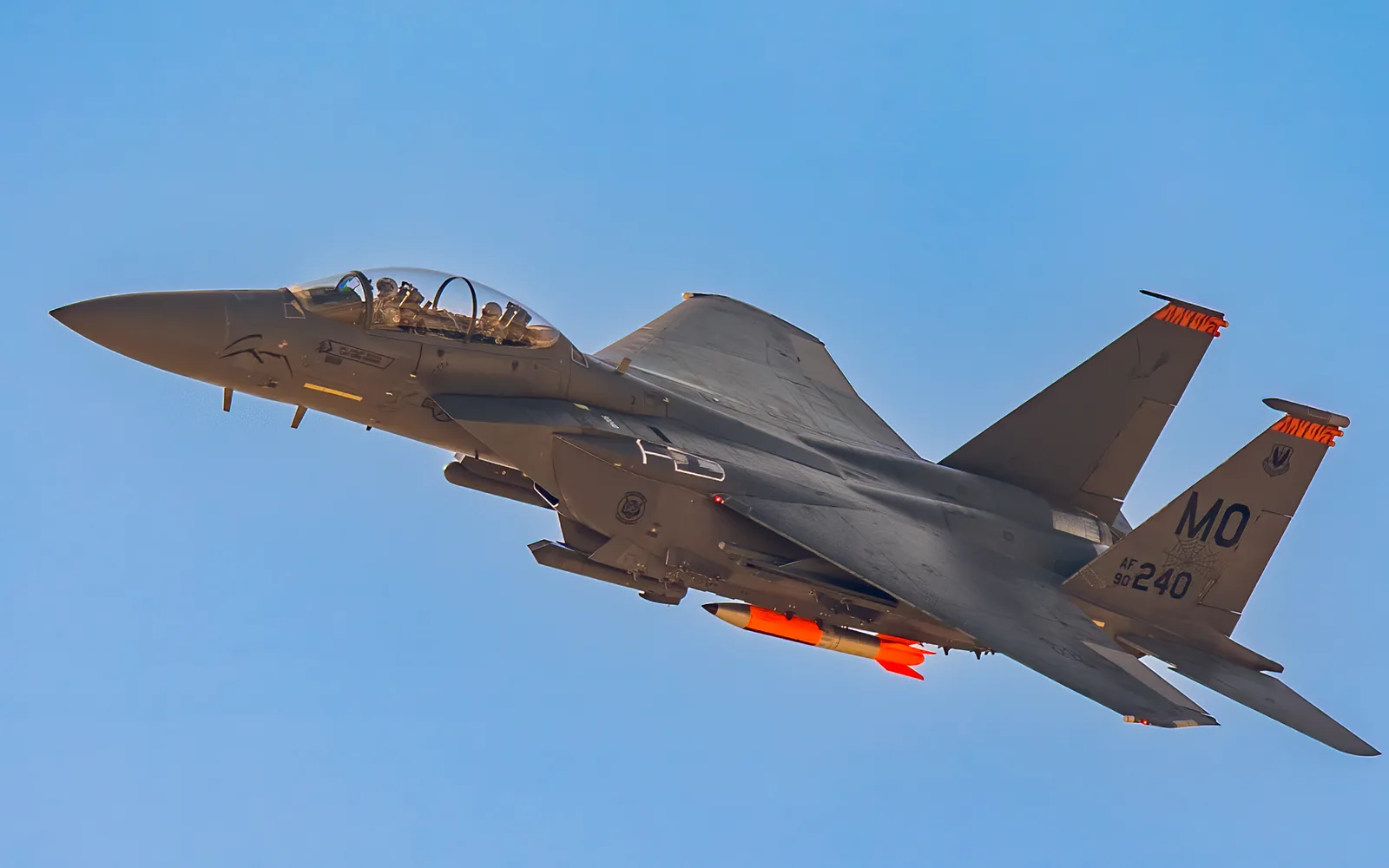
As of 5 May 2026, the USAF had 1,098 ‘primary mission aircraft’ to call upon although the accuracy of that figure is open to question. On 9 September for example, one A-10C Thunderbolt was written-off and eight F-15E Strike Eagles were damaged following an Iranian missile strike on Muwaffaq Salti AB in Jordan. These losses must be balanced against deliveries of F-35As, estimated at six since May.
The USAF sees the reason for this overall shortfall in platforms as complex. In a classified annex to its October 2025 report to the Congressional Defense Committee, Long-Term USAF Fighter Force Structure, the Department of the Air Force (DAF) said that it was unlikely to meet this target of 1,145 aircraft due to a number of factors. These included the maintainability and reliability of a combat fleet with an average age of 27.4 years, and that it was also facing ‘constraints’ on ‘production capacity, readiness, sustainment and with its ‘workforce’.
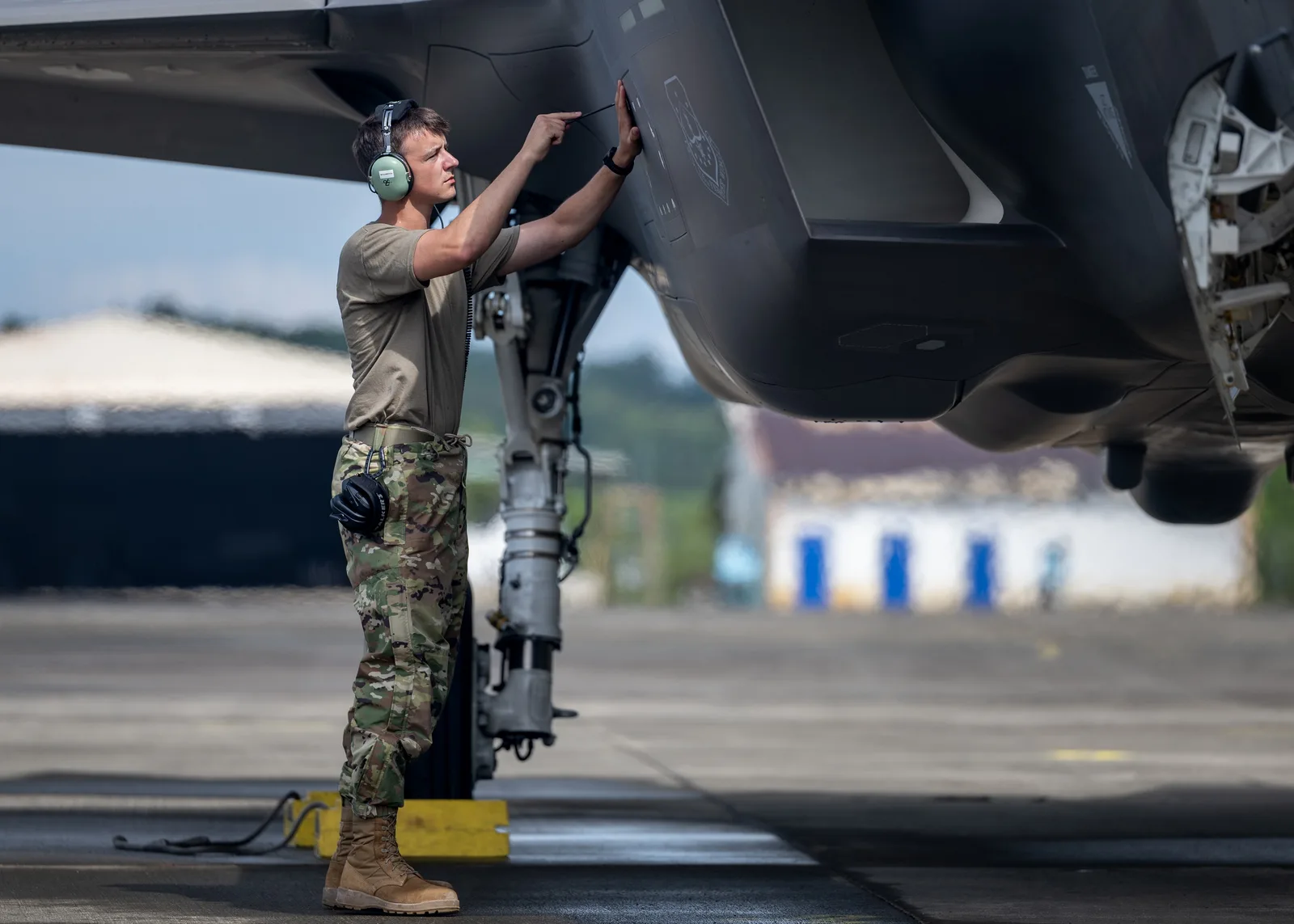
These workforce issues include shortages of pilots and maintenance technicians while those already in the system are provided with ‘limited training’ while also facing ‘bottlenecks’ between courses. This would indicate that simply providing more aircraft will not automatically increase combat capability as trained personnel resources must be added to match the increase in airframes.
USAF targets: Beyond reach?
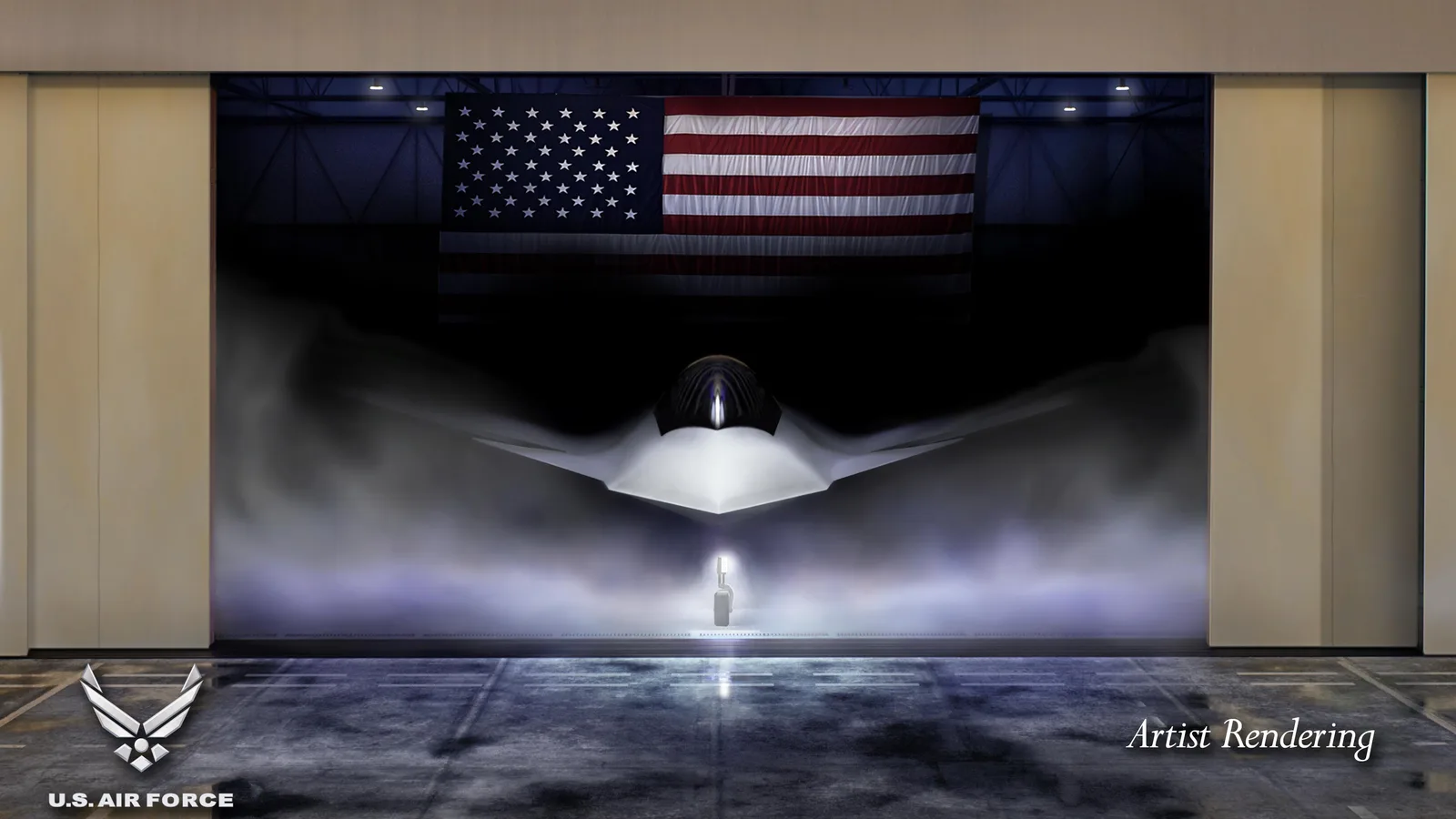
Although stating that it is unlikely to meet the 1,145 figure, rather counter-intuitively the USAF plans to have 1,558 fighters in service by 2035, with an interim objective of 1,369 aircraft by 2030, primarily by retiring older F-16s and replacing them with more F-35s and F-15EXs alongside the Boeing F-47 that is currently under development. The USAF has said that collaborative combat aircraft (CCA) will ‘enhance [the] operation of…manned fighter aircraft’ but their number will not be counted in the overall primary mission aircraft total. The question is, how will these increased numbers be achieved?
The current desired shop window of 1,145 aircraft is accounted for under the banner of the Primary Mission Aircraft Inventory (PMAI) but the USAF want to change this nomenclature to Combat Coded Total Aircraft Inventory (CC TAI). The new term includes the USAF ‘back-up aircraft inventory’ and ‘attrition reserve aircraft’. This slight-of-hand adds more aircraft but they do not provide additional combat capability due to factors such as the shortage of pilots and maintenance technicians. But it is not all about numbers of aircraft on the ramp.
The other concern centres on aircraft availability. In June 2026, the US General Accountability Office (GAO) issued a report on F-35 sustainment. The results were concerning showing that the F-35 was Mission Capable (able to undertake some aspects of a mission) and Fully Mission Capable (able to carry out the full mission spectrum) on only 44% and 25% of flights respectively. [see Warsight, F-35 Fleet Mired in Readiness Issues]. Congress is currently reviewing the USAF submission alongside its own report with an emphasis on whether current operations in Iran ‘support or challenge the assumptions’ in the DAF report.
The question about aircraft availability to conduct operational missions is often overlooked. For example, in 2024 the overall USAF fleet had an average age of 31.7 years and was ‘available for 53.9% of the time’. As the current F-35 availability issues highlight, modern airframes with their complex systems and software do not automatically result in better availability and therefore the ability to inflict combat effect is reduced. Will the F-47 fare any better?
Perhaps the final factor to consider concerns the US aerospace industry and its ability to develop the new F-47 and deliver it and extant platforms such as the F-35 and F-15EX. The Congressional Report refers to these issues as ‘Industrial Constraints’ and these include difficulties in hiring and retaining engineers and quotes the American Industries Association, the body representing US aircraft manufacturers, predicting ‘that aerospace assembly lines may experience workforce shortages in the next decade’.
Closing thoughts
As a technologically advanced nation, the US leads the world in scientifically inspired innovation. This often results in the military being seduced by technology and the promise of its untold military effectiveness without addressing the cold hard facts of the logistics, training and sustainment that underpin airframe availability and that are vital in creating military effect.
This problem is a national one in that it also concerns the US aerospace industry and its ability to support military requirements. The US is already addressing a more coordinated approach to its ship building industry. Perhaps it is time to shine a light on the country’s aerospace sector and its relationship with the military?