The programme to provide the Royal Canadian Air Force (RCAF) with a new fighter aircraft, which has already gone through 16 years of messy machinations, has been thrown into further disarray by an all-out trade war breaking out between the United States and Canada.
Such is the acrimony behind the situation that, although Canada officially has 18 Lockheed Martin F-35A Lightning II Joint Strike Fighters on order, what the RCAF will ultimately end up with is far from clear, with the prospect of a mixed F-35A/Gripen E fleet looking increasingly likely as a result of a belligerent US trade policy.
Economic breakdown
Trade negotiators from the two countries had been engaged in intense talks in recent weeks after US President Donald Trump threatened to impose a 50% tariff on nearly CAD 28 billion (EUR 17.34 billion) of Canadian imports by 19 August 2026. While the imposition of those tariffs had been paused amid reports that the negotiations were going well, on the evening of 21 August Canadian Prime Minister Mark Carney had clearly seen enough of US attempts to dictate Canadian economic policy.
“In recent weeks we made important progress toward improving Canada’s position as having the best deal in the world with the US,” Carney stated. “However, that progress has not been enough to meet our objectives for Canadians. As a result, this evening, I have decided to suspend trade negotiations with the US and have directed Canada’s negotiators to return to Ottawa. They have worked hard, in good faith, to defend the interests of Canadians throughout these negotiations up until the very last minute. However, last-minute changes in the US proposed terms were unfair, uneconomic and called into question the reliability of any deal.”
Ever since a remarkable speech at the World Economic Forum in Davos on 20 January 2026, in which he argued that “the middle powers must act together, because if we’re not at the table, we’re on the menu”, Carney has been the one world leader prepared to stand up to the coercion that characterises the Trump Administration’s foreign policy. However, while the majority of Canadians support him in that, despite the economic hardships it might bring them, it presents a particular problem for the RCAF.
A much-troubled procurement
In July 2010 the Conservative government of Canadian Prime Minister Stephen Harper announced plans to procure 65 F-35As to replace the RCAF’s ageing CF-188 Hornet fleet, but this decision soon ran into trouble for having never seriously considered any alternatives. Thus, when the Liberal Party’s Justin Trudeau became prime minister in November 2015, it was announced that Canada would seek alternatives, leading to the launch of the Future Fighter Capability Project (FFCP) in 2017.
While a number of manufacturers initially made bids under the FFCP, that field of competitors soon began to be whittled down. Dassault, which had bid its Rafale, withdrew in November 2018, stating that the RCAF’s interoperability, security and intelligence-sharing constraints under the US-Canadian North American Aerospace Defense Command (NORAD) were too difficult and costly to overcome. Less than a year later, in August 2019, the Eurofighter Typhoon was withdrawn from the FFCP contest, with Airbus Defence and Space and the UK Ministry of Defence also citing issues with complying with NORAD intelligence-sharing requirements as well as unviable requirements under the required Canadian industrial technological benefits (ITB) framework.
Then, in December 2021, the Canadian government eliminated the Boeing F/A-18 Block III Super Hornet from the FFCP competition, with Public Services and Procurement Canada (PSPC) in effect stating that the Super Hornet had not met programme requirements on grounds of capability, cost, and economic benefits.
Thus, by March 2022 the field of FFCP candidates had narrowed to just two options: the Lockheed Martin F-35A and the Saab Gripen E. On 28 March 2022 the Canadian government announced that it had again selected the F-35A for the RCAF’s 88-aircraft requirement, with first deliveries planned for 2025.
However, by March 2025, with Trump having begun his second presidential term in January of that year with the zealous imposition of tariffs worldwide, economic tensions between Ottawa and Washington, DC, were building. That came alongside reports of additional delays and rising costs in the F-35 programme, with the result being that on 14 March 2025 Canadian Defense Minister Bill Blair initiated another review into Canada’s F-35 procurement: a review that effectively continues to this day.
On 3 September 2025 the US Government Accountability Office issued a report on the F-35 programme stating that the costs related to the latest Block 4 versions of the aircraft were USD 6 billion over budget and that the programme was at least five years behind schedule, primarily driven by issues with the F-35’s Technology Refresh 3 (TR-3) effort, which covers a suite of hardware and software upgrades that are critical to the Block 4 aircraft.
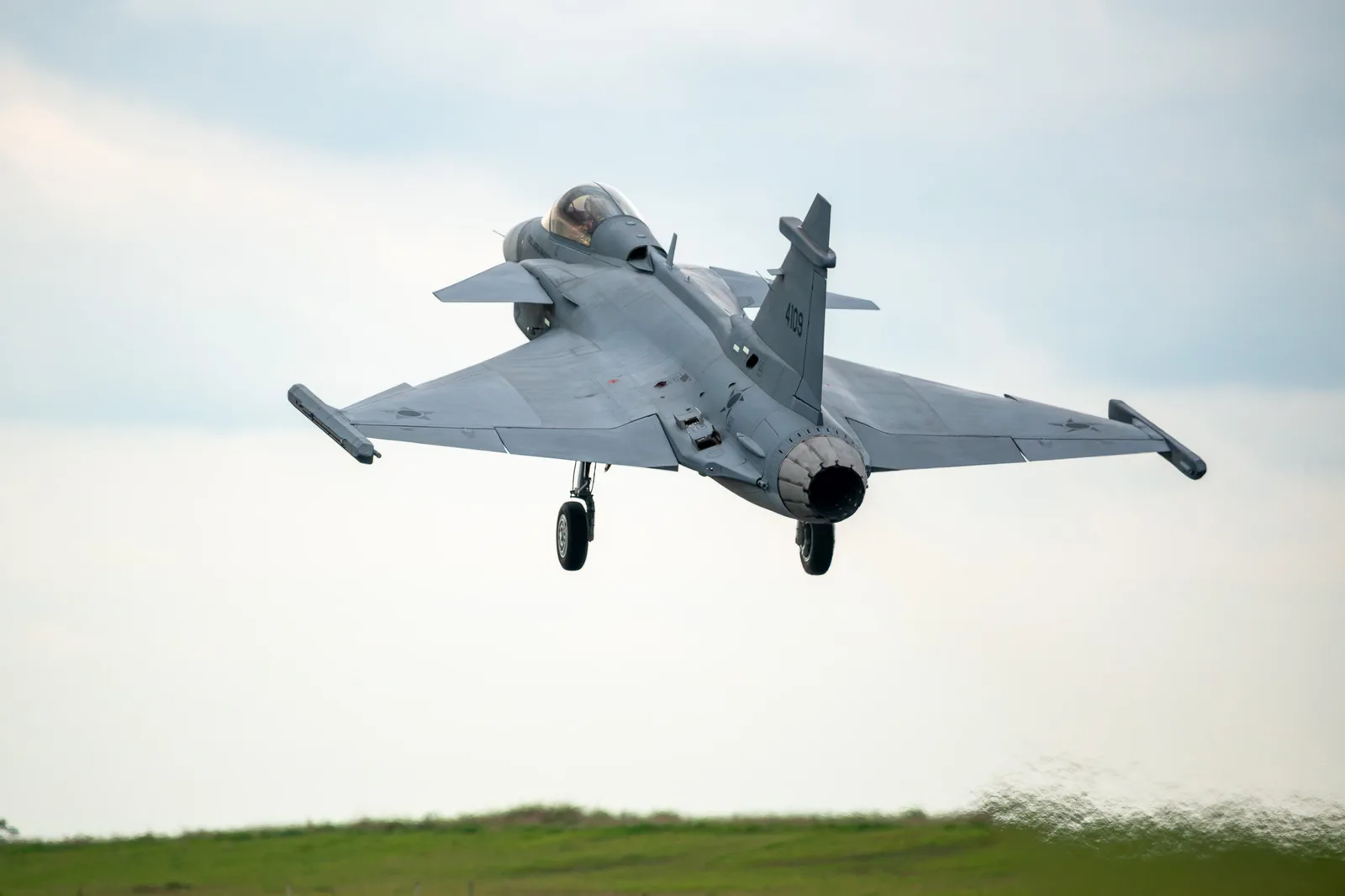
Meanwhile, Saab has continued to maintain a Gripen E campaign in Canada, despite having complained – like Dassault and Airbus – that Canada’s fighter contest has always been tilted unfairly in favour of the F-35. Saab has promised to set up an in-country Gripen E final assembly line if awarded a procurement contract and to work with Canadian industry to ensure that the aircraft can be locally maintained.
The prospect of a mixed fleet
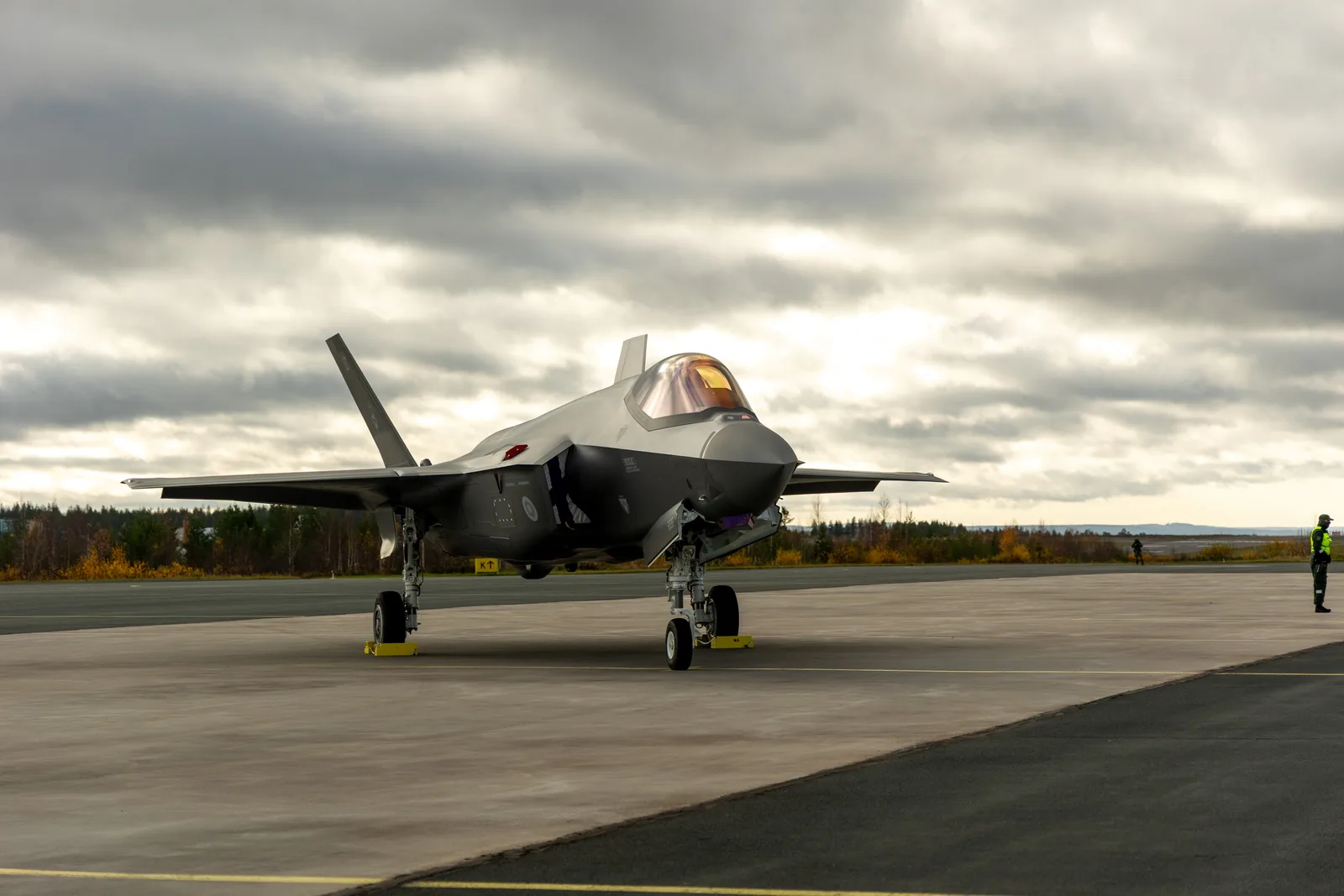
As it stands the Canadian government has ordered and paid for 16 Block 4 F-35As, although none of these aircraft have been delivered, including to Luke Air Force Base in Arizona for training purposes. Further to this, Canada has made advance payments for long-lead parts for 14 additional aircraft, which would represent a total commitment to 30 F-35As.
While the Canadian government has issued no official indication that it is considering a mixed F-35A/Gripen E fleet, its ongoing review of the F-35 procurement is a tacit indication that a mixed fleet is certainly a possible outcome.
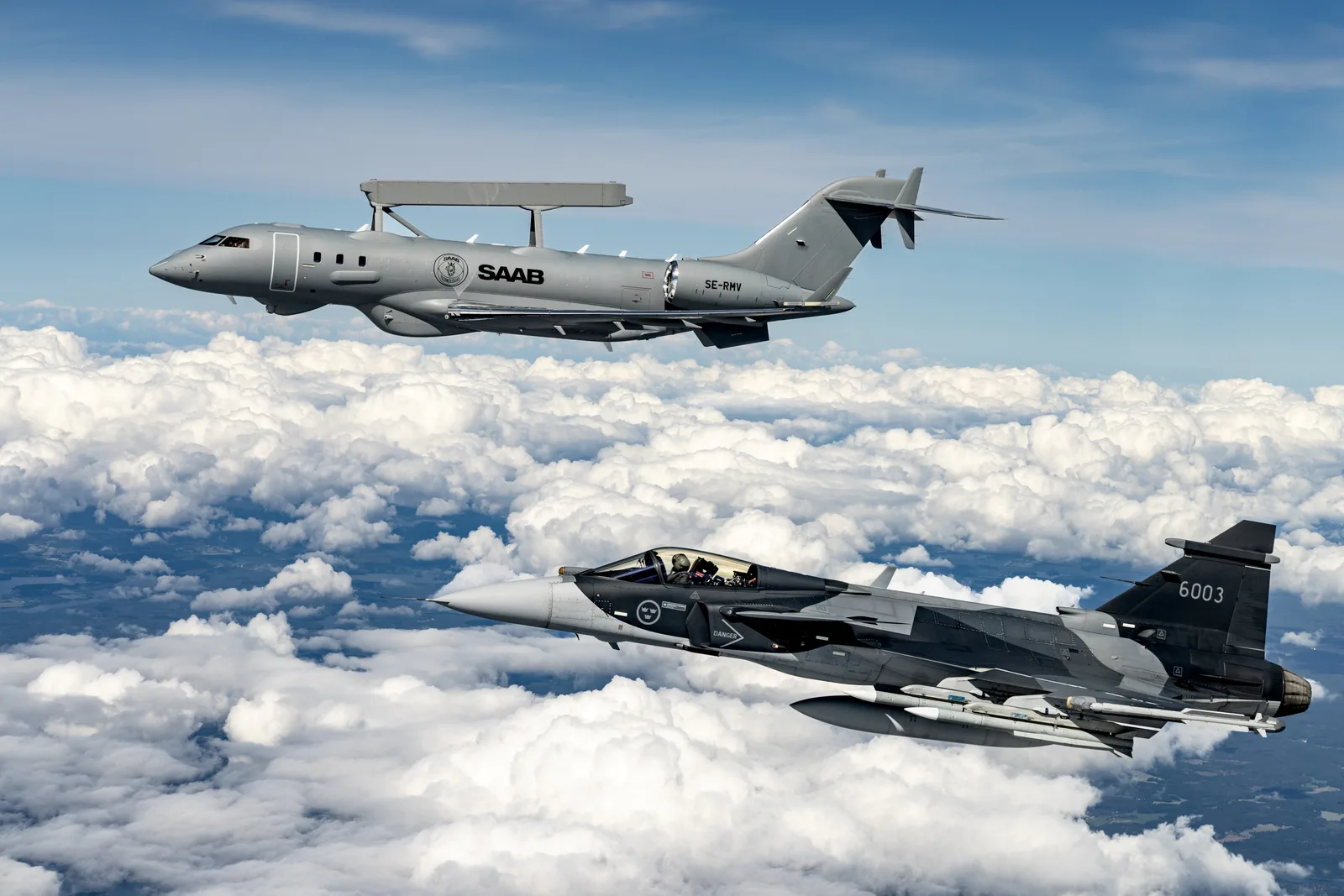
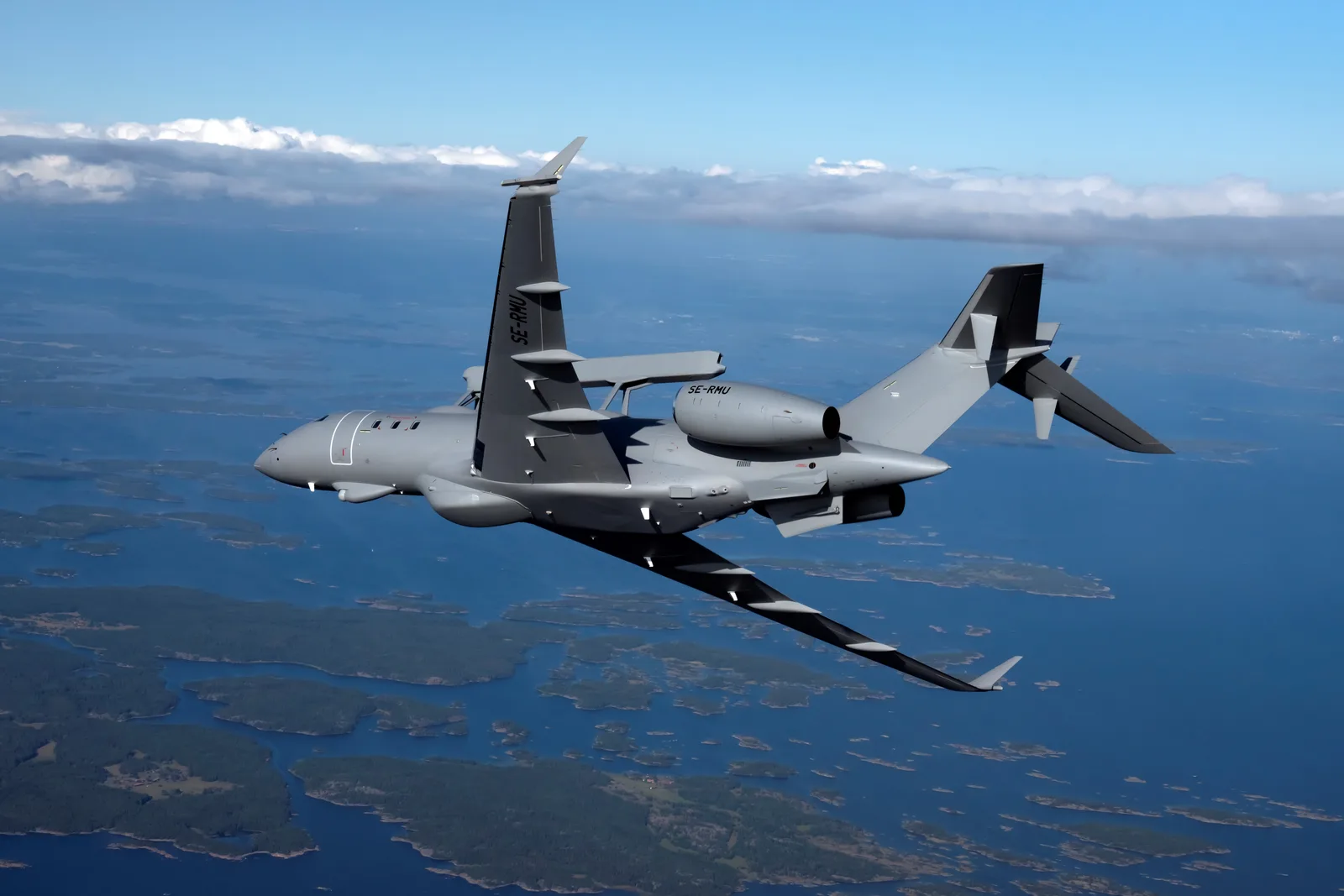
Meanwhile, the 27 May 2026 announcement by Carney that Canada has selected Saab’s GlobalEye platform as the preferred solution to its airborne early warning and control (AEW&C) requirement gives further impetus to the prospect of a future Gripen E/F purchase.