Following a visit to the United Kingdom on 16 September 2026, Canadian Prime Minister Mark Carney announced Canada’s formal request to join the UK-led Joint Expeditionary Force (JEF): a military coalition of 10 Northern European nations – including the United Kingdom, the Netherlands, the Scandinavian countries (including Iceland) and the Baltic states – that was established at the NATO 2014 Summit in Wales.
Though sometimes compared to NATO, the JEF works very differently. Rather than requiring consensus among all members, if the UK (as framework nation) and at least one other member nation agree to joint military action, the JEF headquarters can be activated to co-ordinate, cohere and, if necessary, command it. This makes it a far more agile and flexible organisation than NATO, capable of rapid response to crises, especially those that are ‘sub threshold’.
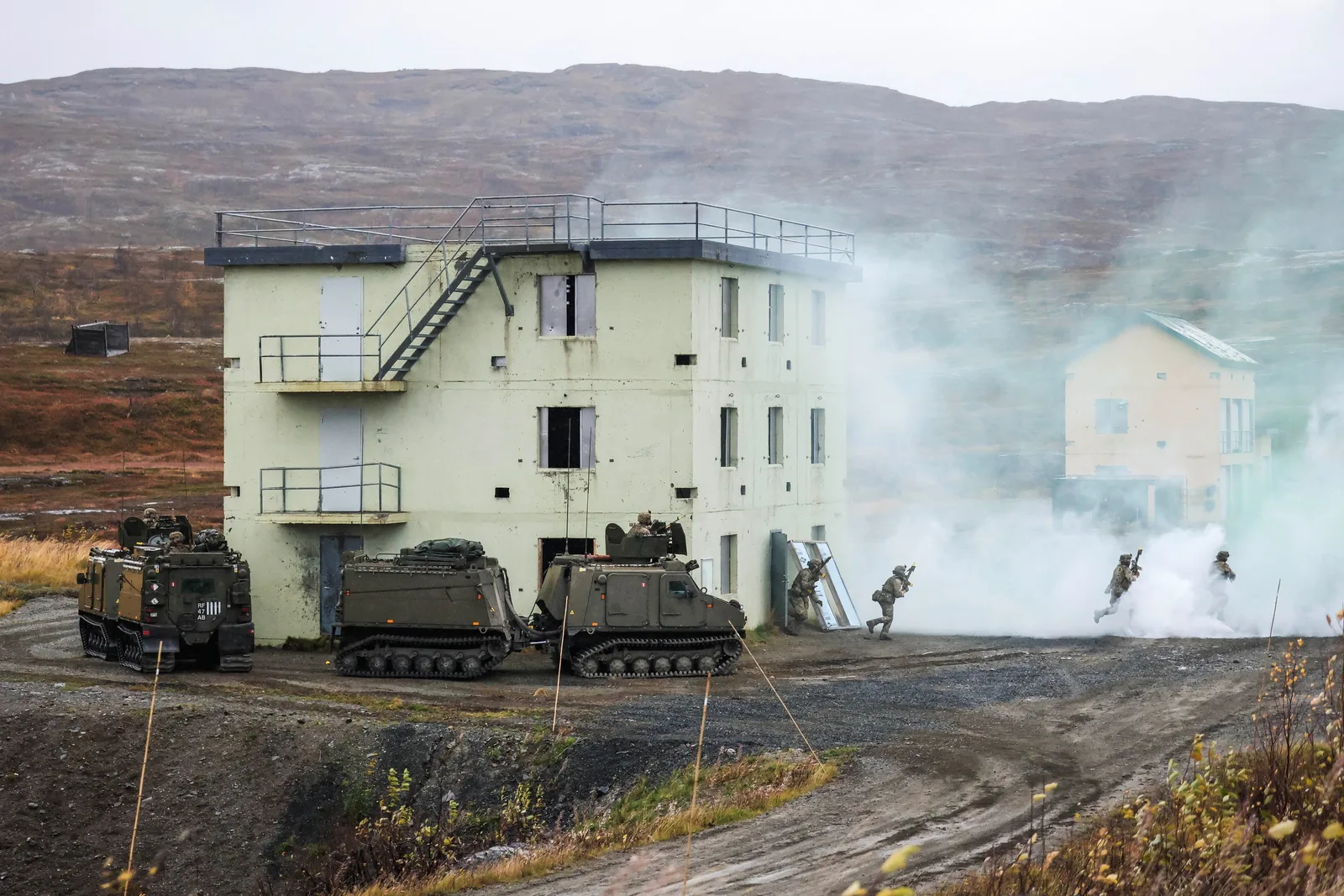
This flexibility has made it an attractive option for its Northern European members, especially since Russia’s full-scale invasion of Ukraine. Indeed, the JEF has been activated several times since 2022 to co-ordinate military activity through ‘JEF Response Options’, including to deter Russian attacks on maritime infrastructure. Due to this structure, in the case of a confrontation to Russia it is generally accepted that the JEF would handle the initial crisis in Northern Europe before handing over to NATO if the conflict went fully ‘hot’.
As such, the JEF should not be seen as a ‘mini-NATO’ or a replacement for the alliance. It is at heart a two-star joint headquarters, consisting of less than 200 full-time personnel, with no permanently assigned forces. The JEF is run through the UK’s Standing Joint Force Headquarters and the vast majority of the staff are British, including the commander. This gives the UK, as the framework nation and ‘primus inter pares’, significant influence over the day-to-day operation of the JEF, but also makes the organisation highly susceptible to the vagaries of British politics and defence policy.
The JEF also has an Enhanced Partnership with Ukraine; Kyiv sees the Northern European JEF nations as the bulwark of its support in Europe. Indeed, in early 2026 participants from the JEF nations and Canada were hosted in Kyiv for conferences aimed at fostering stronger relations between Ukraine and Northern Europe through the structure of the JEF.
Enter Canada
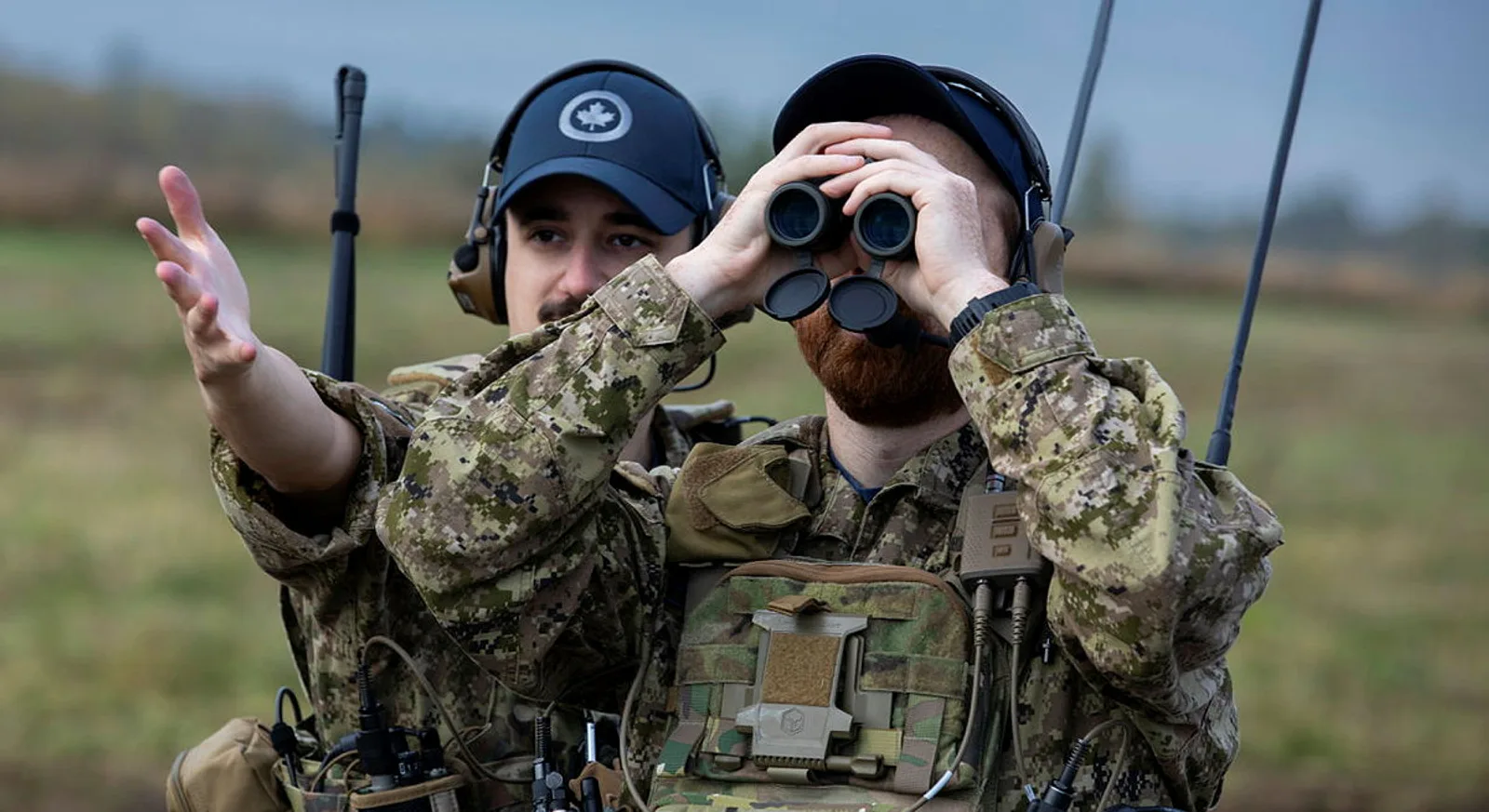
Canada’s membership would bring both great advantages to the JEF and potential challenges. The advantages include the addition of Canadian military resources – now expanding after years of comparative neglect – and expertise, especially in the Arctic or ‘High North’: an area in which the JEF is increasingly involved. Canada already has significant forces deployed to Northern Europe, which would be increasingly co-ordinated under a JEF banner.
However, the likely accession of Canada also offers potential challenges. Firstly, although the JEF is structured to be inherently flexible, the addition of more members will inevitably lead to more complicated co-ordination and bureaucracy at the political level, especially if the JEF conducts larger combined operations.
Furthermore, Canada’s accession could lead to an increase of the JEF’s focus on the ‘High North’. This might also draw the JEF’s area of operations even further west across the Atlantic, particularly if relations between Canada and the United States remain fraught. There is a danger that this will come at the expense of activity in the Baltic region, which is unlikely to be popular with the Baltic JEF nations, although the significant Canadian military presence in the Baltic might help to dispel these concerns.
Canadian accession could also lead to some political friction, especially regarding the UK’s leadership position. At times, the UK’s relatively cautious leadership of the JEF has been a source of irritation among other nations desiring bolder activity from the grouping. This could now be challenged by Canada – with sizeable economic resources and dedicated to rearming – under its dynamic prime minister, Mark Carney. Ottawa may also use the JEF as a vehicle to promote its leadership of the new Defence Security and Resilience Bank (DSRB): a defence finance mechanism that was rejected by the UK’s Treasury. Although there are recent indications that the UK, with a new defence-minded chancellor, is now considering joining the DSRB, Canadian leadership on this matter could remain a point of contention between the two states.
The future of the JEF
Canada’s membership will open the question of further entrants to the JEF. Germany and Poland are sometimes touted as potential members, primarily due to geography. However, this is unlikely; both are large, powerful and rapidly rearming nations that will be unwilling to accept subordinate status to the UK in its role as framework nation, especially within the Baltic region.
By comparison, the most likely potential candidate is considered to be Ireland, at least for collaboration under a ‘JEF+’ format. Deeper engagement with the JEF, a grouping that is officially independent of NATO but still linked to the alliance, could offer a suitable option that meets Ireland’s maritime security requirements in the North Atlantic.
The JEF’s lifespan has been marked by bursts of activity interspersed with periods of languishing neglect. Canada’s request for membership indicates that the grouping is increasingly considered a serious pillar of Northern European and Atlantic security, but time will tell as to whether this will lead to a significant change in the JEF’s operating model and the scale of its operations.