Brazil’s Centauro IIBR is intended to replace the ageing EE-9 Cascavel in the mechanised cavalry role. Now, the Phase II production contract has been signed after a 20-month delay.


Brazil’s Centauro IIBR is intended to replace the ageing EE-9 Cascavel in the mechanised cavalry role. Now, the Phase II production contract has been signed after a 20-month delay.
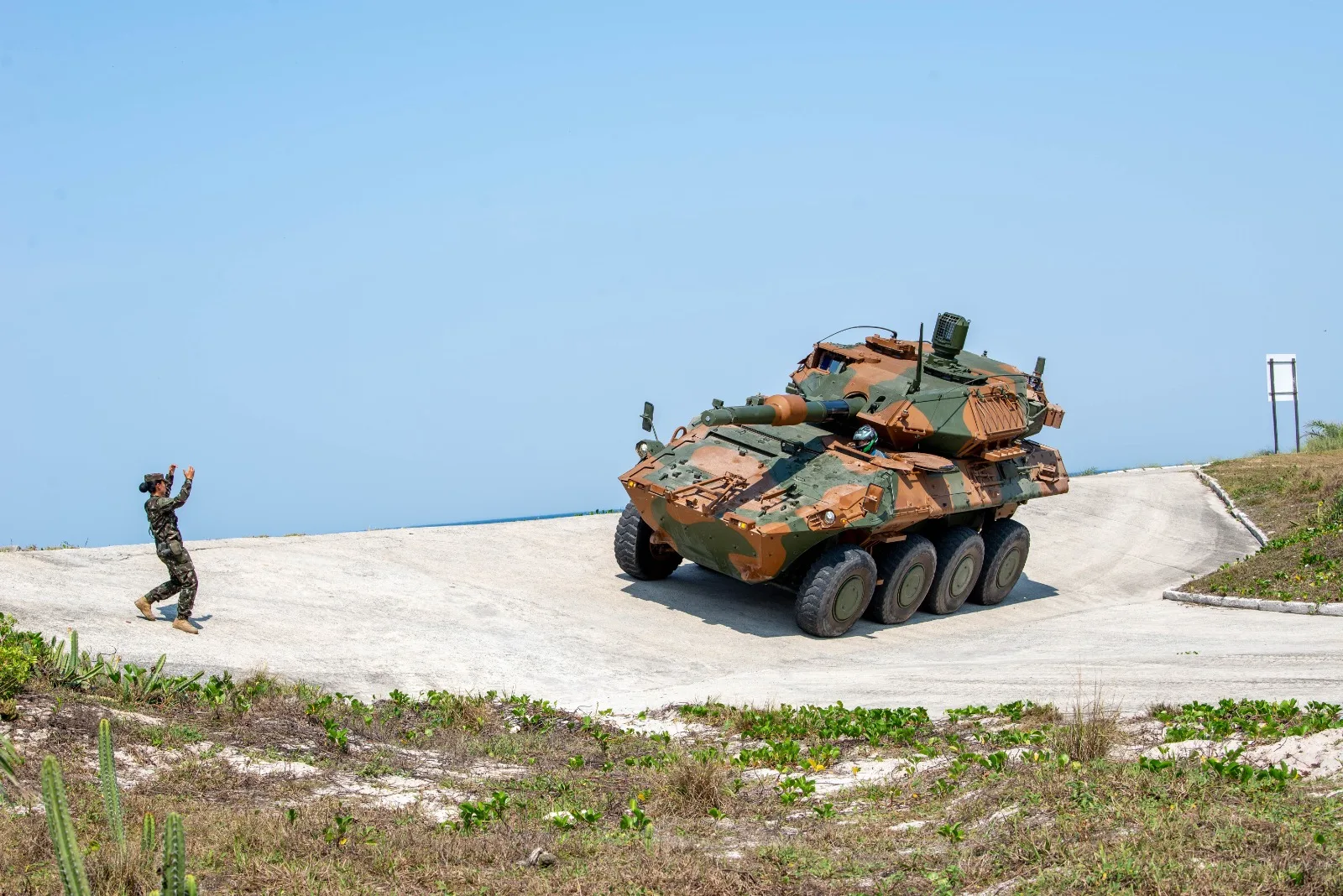
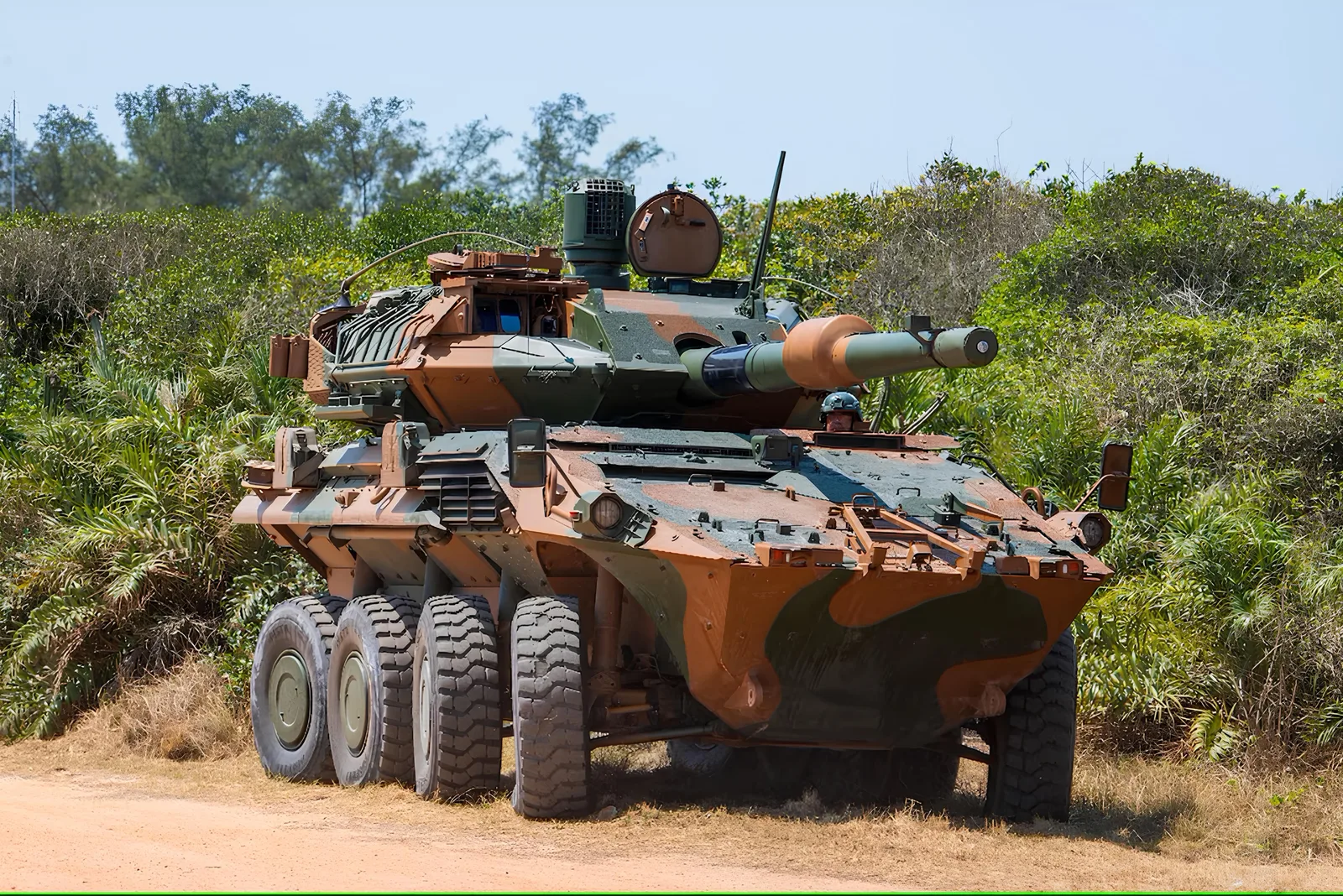
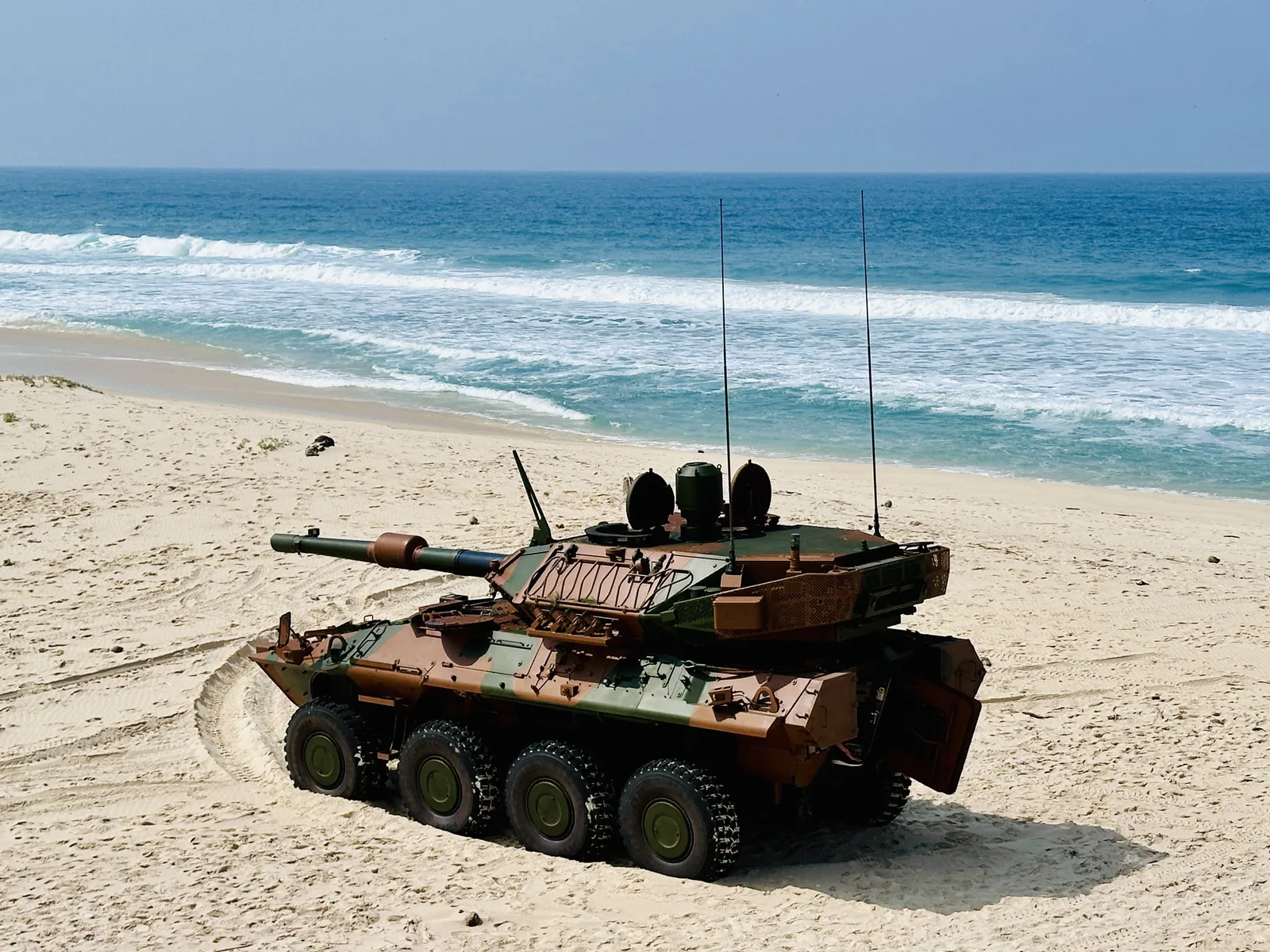
On 31 August 2026 the Brazilian Army signed a contract with the CIO (IDV-OTO Melara) consortium to deliver seven Centauro IIBR 8×8 wheeled fire support vehicles. Brazil has previously received two vehicles for trials, and has a total requirement for 98 vehicles.
The Centauro IIBR is one of the Brazilian Army’s most important modernisation programmes for its mechanised cavalry. The vehicle was selected in November 2022 to replace the ageing EE-9 Cascavel 6×6 and provide the Army with a modern Viatura Blindada de Combate de Cavalaria (VBC Cav; ENG: Armoured Cavalry Combat Vehicle).
Yet despite the programme’s operational importance, its implementation has faced significant delays. The delivery of the first two vehicles under Phase I and the completion of trials took longer than originally planned, and the 31 August 2026 signing of Phase II of the contract took place 20 months beyond the original December 2024 target.
The idea of a modern 8×8 armoured vehicle equipped with a high-pressure gun for the Brazilian Army’s mechanised cavalry dates back to the Nova Família de Blindados sobre Rodas (NFBR; New Wheeled Armoured Family) programme, launched in 2006. This would give rise to the Guarani armoured personnel carrier (APC) and the Guaicurus (local name for the Iveco LMV-BR/BR2). It also envisaged a stretched version of the Guarani APC with an additional axle equipped with a 105 mm high-pressure gun intended to replace the EE-9 Cascavel. This stretched 8×8 Guarani concept was ultimately deleted from the programme due to anticipated stability issues with such an armament.
A renewed gun-armed wheeled concept only began to take shape with the Viatura Blindada de Combate Anticarro – Média Sobre Rodas (VBC AC-MSR; Wheeled Medium Anti-Tank Armoured Combat Vehicle) project unveiled 2020, which aimed to acquire a new platform to complement rather than replace the EE-9 Cascavel armoured reconnaissance vehicle. At the time, budget constraints prevented the complete replacement of the Cascavel fleet.
This would however again change when the project was later restructured into the Viatura Blindada de Combate de Cavalaria (VBC Cav) programme in December 2020. Unlike its predecessor, the VBC Cav was now intended to fully replace the original versions of the EE-9 Cascavel in both reconnaissance and fire-support missions. To complement the Centauro II, filling a temporary operational gap until the arrival of all vehicles, the modernisation of the EE-9 Cascavel, called ‘Cascavel NG’ was also ordered.
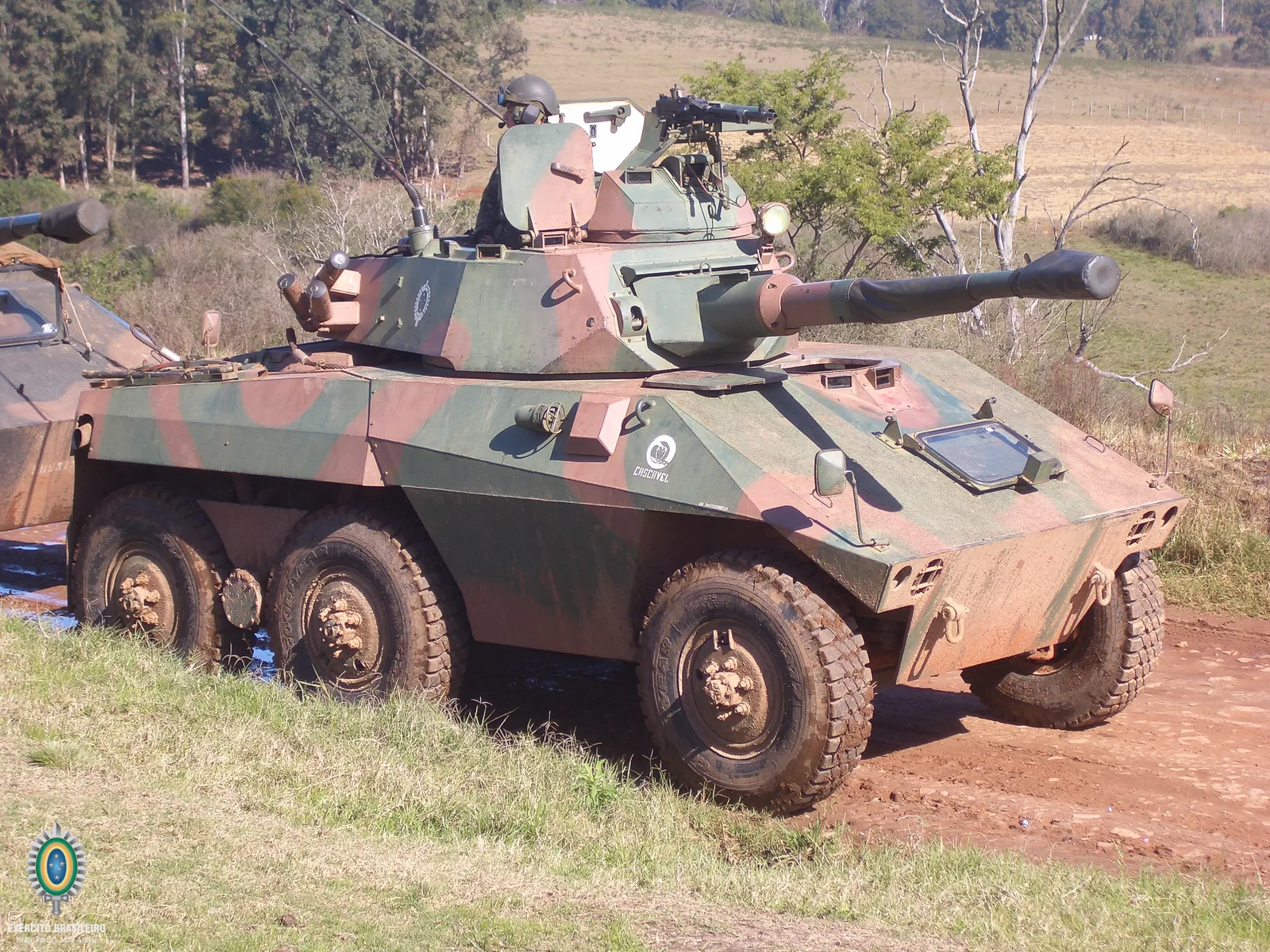
The VBC Cav programme had its first public consultation in March 2021, with 28 vehicles being offered during consultations. The shortlist was announced in October 2022, with the finalists being the Iveco Centauro IIBR from the Iveco–Oto Melara (CIO) consortium, the General Dynamics Land Systems (GDLS) LAV-700AG, and the Norinco ST-1BR.
The Brazilian Army selected the Centauro II on 25 November 2022 for an initial requirement of 98 vehicles and according to Informex, the Army’s internal newsletter, it would cost BRL 3.3 billion (approximately EUR 610 million at the time) and last 15 years. However, since these figures date from late 2022 ago, the cost has likely changed since.
The contract signed on 15 December 2022 initially provided for two sample vehicles for evaluation. One of the benefits to be gained from the Centauro IIBR was the considerable degree of 28.5% commonality with the Guarani APC. In addition, CIO offered technology transfer and local manufacturing of components such as the HITFACT II turret and vehicle hull as part of its offset programme.
The Phase I of the programme involved the procurement of an initial batch of two vehicles for testing, while under Phase II the army planned to procure a further seven production vehicles for doctrinal experimentation. This was to be followed by annual orders forming subsequent batches until the total order reached 98 units.
Brazilian industry would also be involved through future offset agreements for the domestic production of 120 mm ammunition, initially focusing on training rounds before expanding to live ammunition. This would however be realised in a separate agreement outside of the main programme.
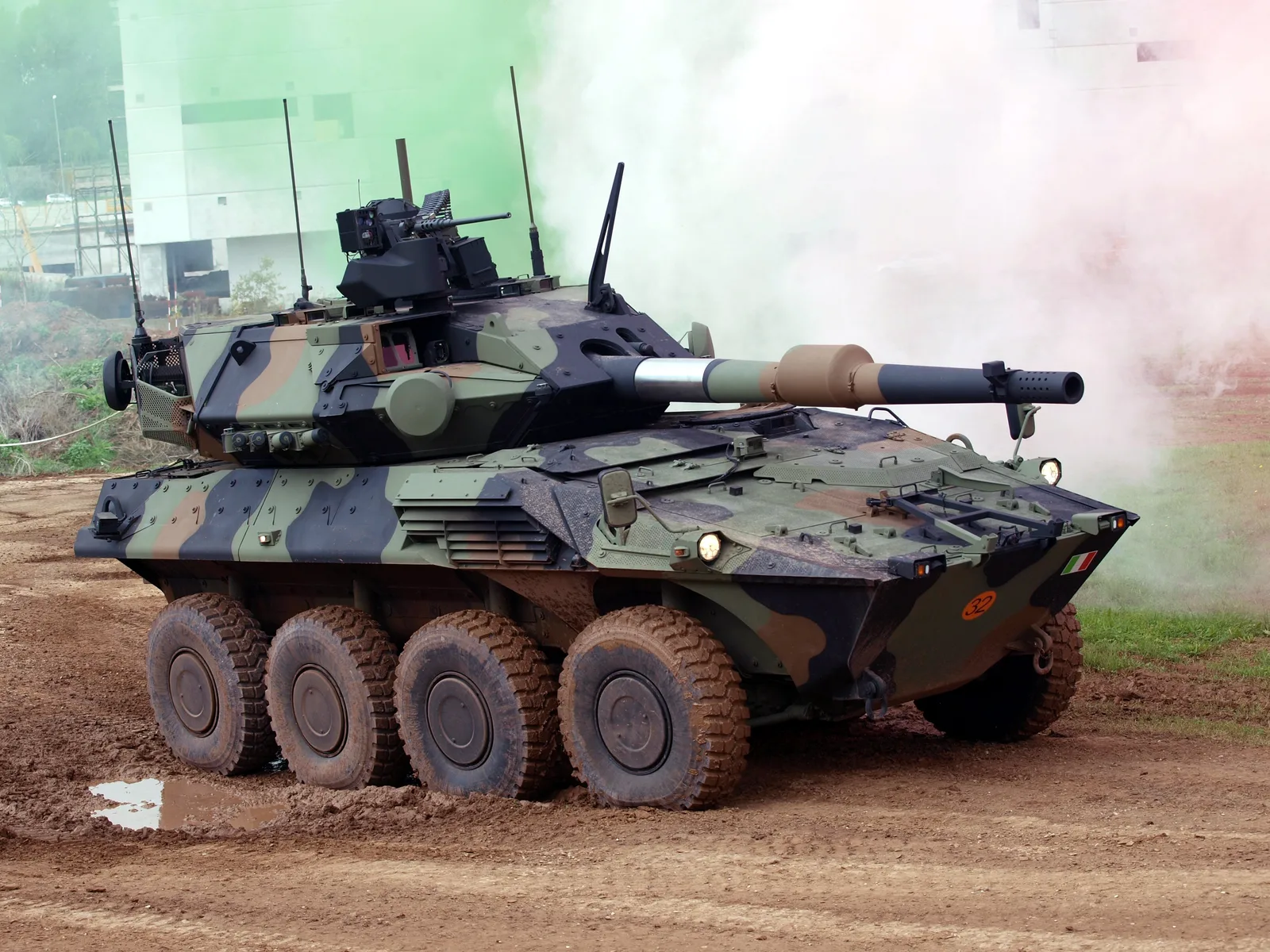
On 30 January 2023, two vehicles from the pilot batch, part of phase one of the programme, were delivered to La Spezia, Italy. However, the first Centauro IIBR only arrived in Brazil on 17 August 2024, after transit issues in Germany that had delayed its shipment by sea were resolved. The second vehicle arrived at the port of Rio de Janeiro on 2 September 2024.
After arriving in Brazil, the vehicles underwent extensive testing at the Brazilian Army’s Evaluation Centre until December 2024. The trials included mobility and live-fire tests, during which a total of 200 rounds were fired in daytime and night-time conditions, both while stationary and on the move.
The two vehicles were assigned to the 6th Armoured Infantry Brigade on 21 May 2025, receiving the registration numbers EB54659 (S/N 009) and EB54660 (S/N 010), as well as the names ‘Santa Maria’ and ‘Osorio’.
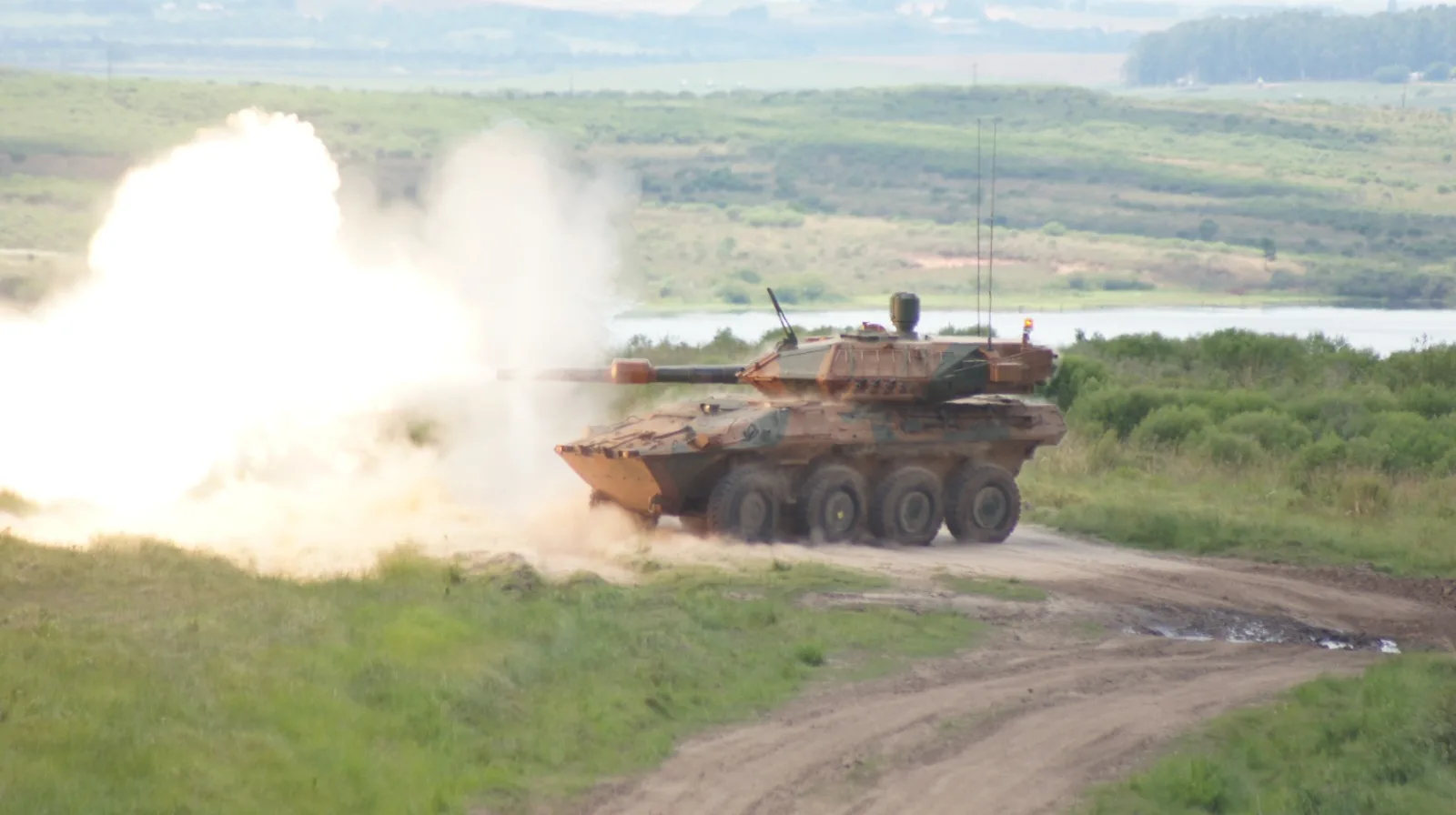
The Brazilian Centauro IIBR differs significantly from the standard Italian Centauro II. One of its primary differences is it does not feature an autoloader, relying solely on manual loading. This decision was made for doctrinal reasons, as the absence of an autoloader was both cheaper and reduced maintenance demands.
In the Italian Centauro II, the vehicle features a hybrid loading system, with six rounds in an autoloader located in the turret’s bustle and another six in a ready rack. The loader may also serve as the remote weapon station (RWS) and radio operator. Retaining a four-person crew also provides an additional crew member who can assist with vehicle maintenance and other duties.
The Italian Centauro II is equipped with Leonardo Electronics’ SWave VQ-1 four-channel wideband software-defined radio (SDR), a modular architecture composed of five modules. Four modules are dedicated to communications, covering the 2 MHz to 2 GHz spectrum (HF/VHF/UHF), with one module assigned to each frequency band. A fifth module is dedicated to tactical satellite communications (TACSAT), together with the Leonardo UIS-379/D digital intercom system.
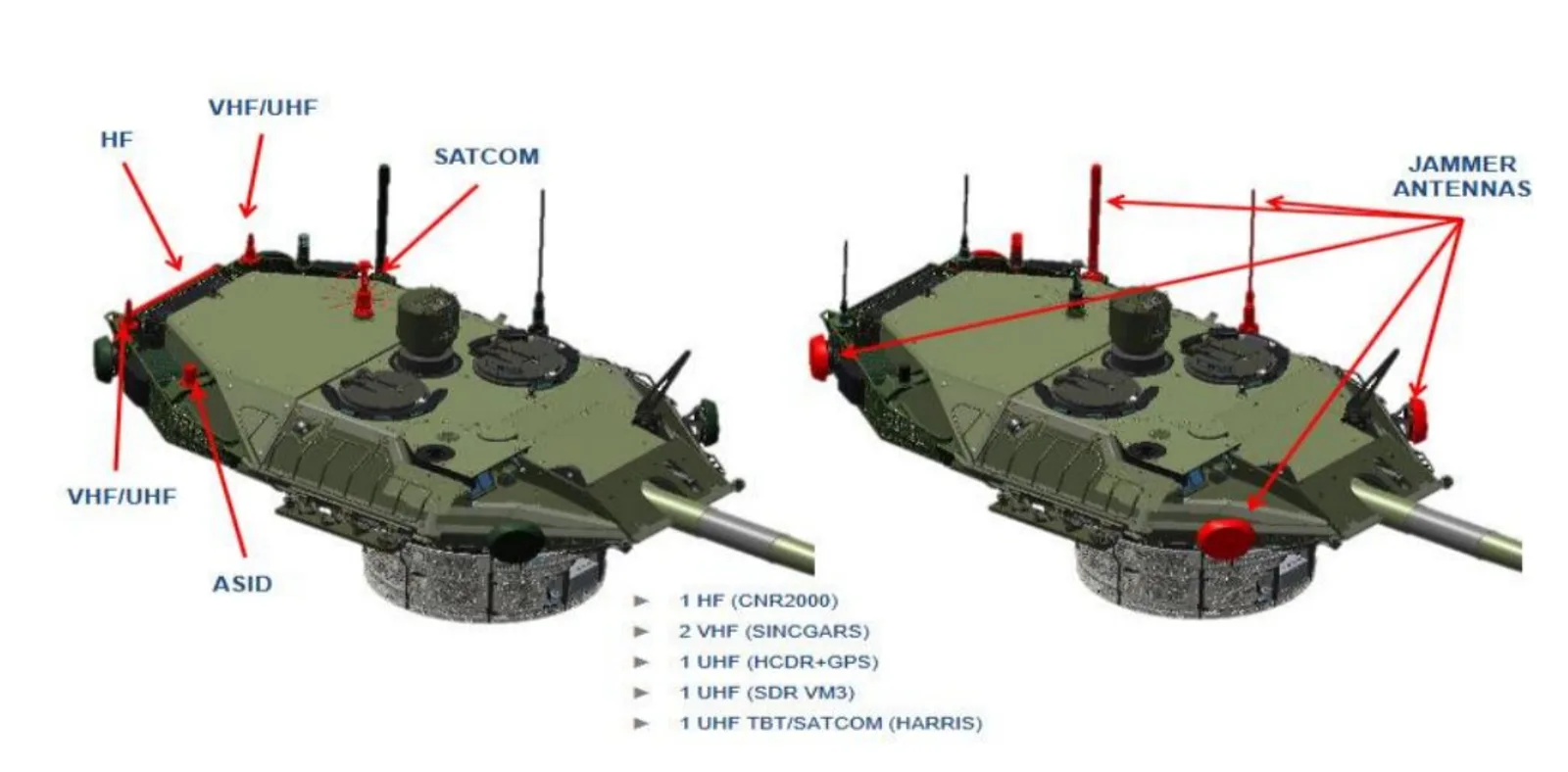
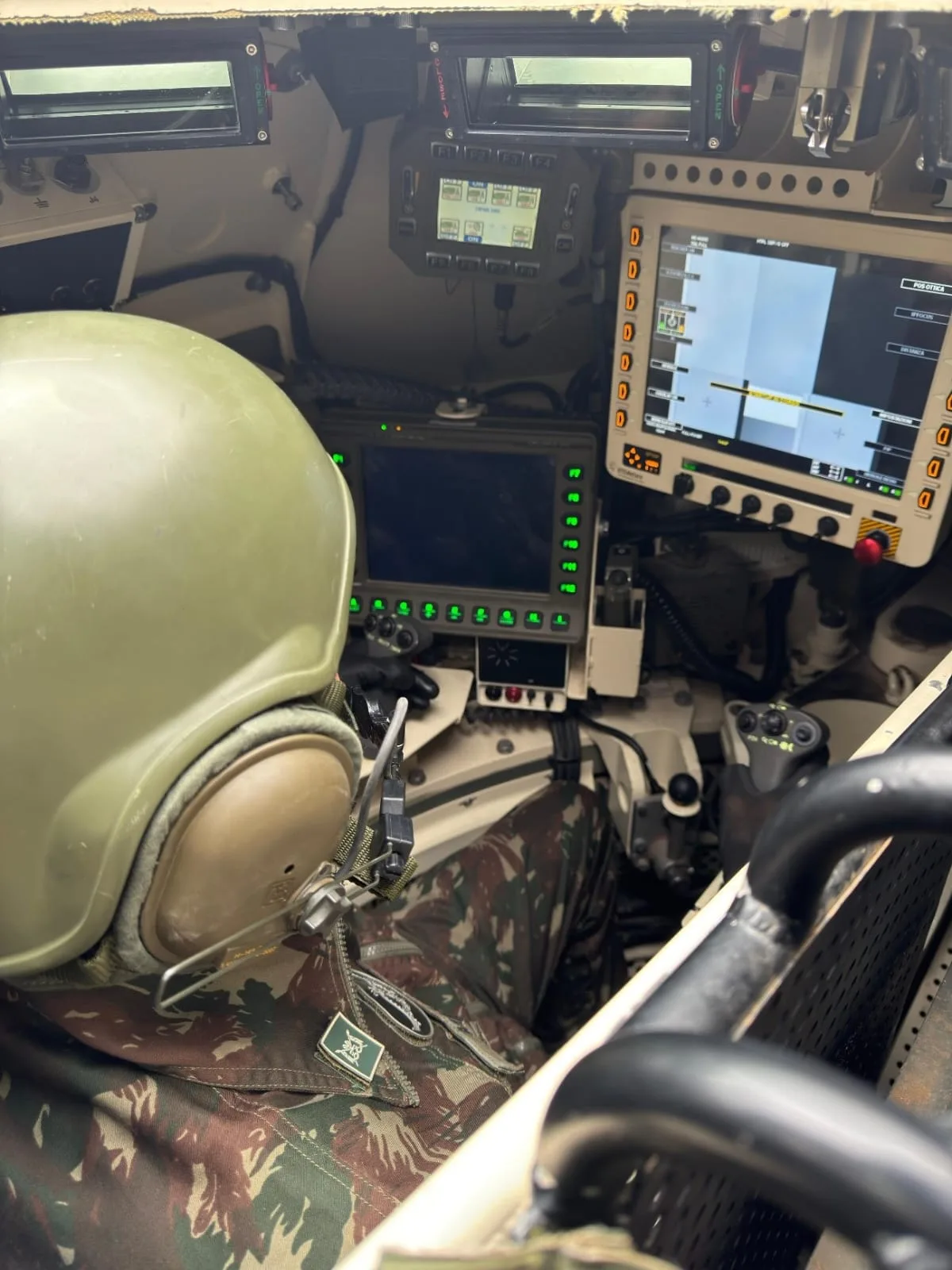
The Brazilian Centauro IIBR will use the L3Harris Falcon III RF-7800V-V560 VHF radios dedicated to encrypted voice communications and transmission of data to the battlefield management system, including GPS. The intercom system used in these vehicles is the Thales SOTAS M3; a common system used by the Brazilian Army.
In theory, the software-defined radios of Brazil’s RDS-Rondon Defesa could provide similar capabilities, with the company offering a family of radios in the HF, VHF, and UHF bands, as well as the SCALHEETDS X-band satellite communication (SATCOM) module. However these radios remain in development as of August 2026.
The Brazilian Army’s battle management system, (known as Gerenciamento do Campo de Batalha; GCB) has been continuously upgraded over the years, and the two test batch Centauro IIBRs appear to be using the latest version of the system software.
The Centauro IIBR also does not appear to come equipped with any external type of jammer antenna, as have been offered for the Centauro II.
The initial contract signing for Phase II was scheduled for 2024, with the vehicles expected to be tested and approved by December, and the contract for Phase II signed in the same month. This did not happen, and vehicle approval instead took place in March 2025.
On May 26, Tecnologia & Defesa magazine reported that the Phase II contract, which covered the seven vehicles from the production batch, was expected to be signed in December 2025. However, the contract then faced more delays. CNN Brasil later reported that the new target dates were February or May of 2026, but both deadlines passed without a signing.
In May 2025, however, a bilateral meeting was held between the Comando Logístico (COLOG; Logistics Command) and the Italian Direzione Nazionale degli Armamenti – Segretariato Generale della Difesa at Brazilian Army Headquarters in Brasília. During the meeting, Phase II of the programme was discussed.
Meanwhile, the Brazilian Army continued to send personnel to Italy to attend technical courses and had established its own domestic vehicle operation and maintenance courses, which are scheduled to begin in 2027. These preparations indicated that the Army continued to plan for a larger Centauro IIBR fleet despite the delay to the production contract. The two vehicles currently in Brazil’s inventory had no ammunition left during this period, as all available rounds were expended during testing.
Finally, on 27 April 2026, the Centro de Comunicação Social do Exército Brasileiro (CCOMSEx: Brazilian Army Social Communication Centre) announced to the press that the signing of Phase II of the programme was scheduled to take place on 31 August 2026, at the Quartel-General do Exército (QGEx; ENG: Army Headquarters), the ‘Forte Caxias’, in Brasília, after a long and uncomfortable 20-month wait.
To gain further insight into the contract and the Brazilian Army’s objectives for the Centauro II programme, Warsight contacted CCOMSEx by email on 28 August. In response, the Army provided a statement: “The Brazilian Army and CIO (IVECO–Oto Melara Consortium) have announced the signing of a contract for the acquisition of the Experimental Doctrine Lot (LED) of the Centauro II 8×8 VBC Cav, as part of the Army’s Strategic Armoured Forces Programme.”
“The strategic partnership between the institutions reinforces international cooperation and technology transfer, with plans for domestic production and the nationalisation of components, thereby strengthening Brazil’s Defence Industrial Base and supporting national technological development,” the statement added.
With the support of Tecnologia & Difesa author Paulo Roberto Bastos, who followed the ceremony remotely, Warsight was also able to confirm that, in the early afternoon of 31 August, the contract was officially signed between the Brazilian Army and representatives of Leonardo’s CIO consortium.
The initial forecast is for the first of the seven vehicles to be delivered in early 2028, with no information regarding the contract’s value disclosed at the time of signing.
Giovanni Luisi, SVP Sales and Marketing at Leonardo’s CIO Consortium said of the signing: “Now, serial deliveries will begin! In close collaboration with the Brazilian Army, we are laying the foundations for increasingly solid long-term cooperation.”
Delays to Brazilian Army’s modernisation plans have not been limited to the Centauro IIBR. The VBR Cascavel NG programme, which aims to modernise between 98 to 201 EE-9 Cascavels to complement the Centauro, has also experienced delays. The initial plan called for the delivery of five vehicles at the beginning of 2026. However, the prototype has not yet completed its trials and only recently received thermal sights for the commander and gunner.
The Cascavel modernisation process consists of a complete refurbishment of the hull, turret, and gun, as well as the integration of new radios, a command-and-control (C2) system, a digital fire-control system (FCS), an electric steering and aiming system, 360° situational awareness cameras for the driver, a Brazilian MWM 6.12TCE 220 hp diesel engine paired with an Allison SP 3000 automatic transmission, air conditioning, a central tyre inflation system (CTIS), and independent, stabilised panoramic sight for the commander, equipped with thermal imagers, laser rangefinder, and a day camera. A duplicate, non-stabilised sight is provided for the gunner. Anti-tank guided missiles (ATGMs) will also be installed on part of the fleet, either the Spike LR2 or the Brazilian MAX 1.2 AC.
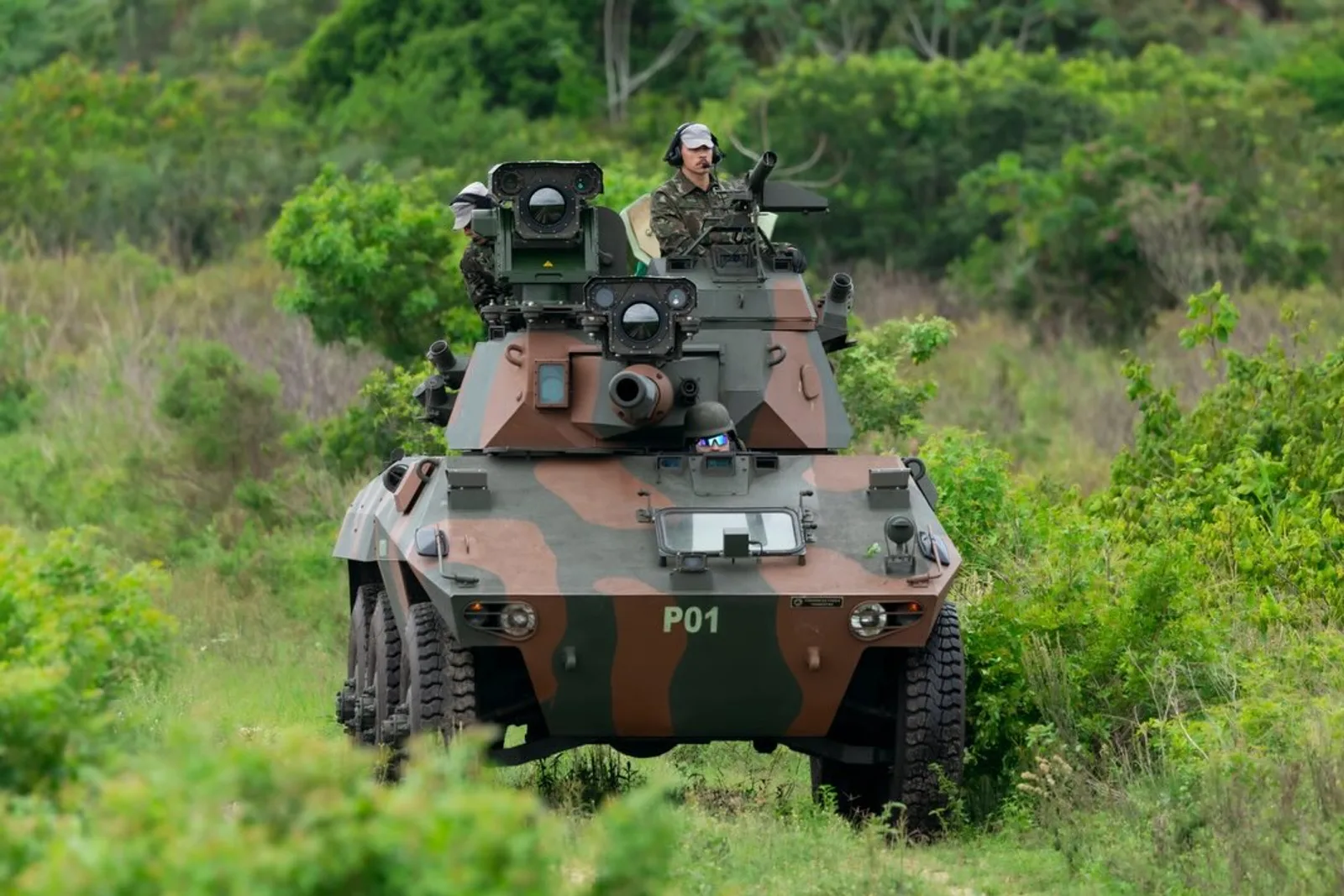
Although it is one of the most important programmes in the modernisation of the Brazilian Army, the VBC Cav has faced considerable delays, the reasons for which have not been publicly disclosed. However, the scheduled signing of the Phase II contract represents a concrete step towards moving the programme forward.
The situation reflects a long-standing trend. Although Brazil has the largest economy in Latin America, its armed forces continue to face budget uncertainty and significant funding cuts. As a result, it is extremely difficult for modernisation programmes to be completed on schedule. This situation puts national programmes and security on a constant tightrope.
The VBC Cav programme is an extremely complex undertaking, involving a new vehicle with modern capabilities, as well as a complex process of technology transfer and local manufacturing. At the same time, the Brazilian Armed Forces are facing significant cuts to their defence budget, making the timely implementation of major modernisation programmes increasingly difficult. As a result, the Brazilian Army remains equipped with obsolete vehicles in an unpredictable geopolitical environment, while modern warfare is increasingly shaped by connectivity, firepower and protection.