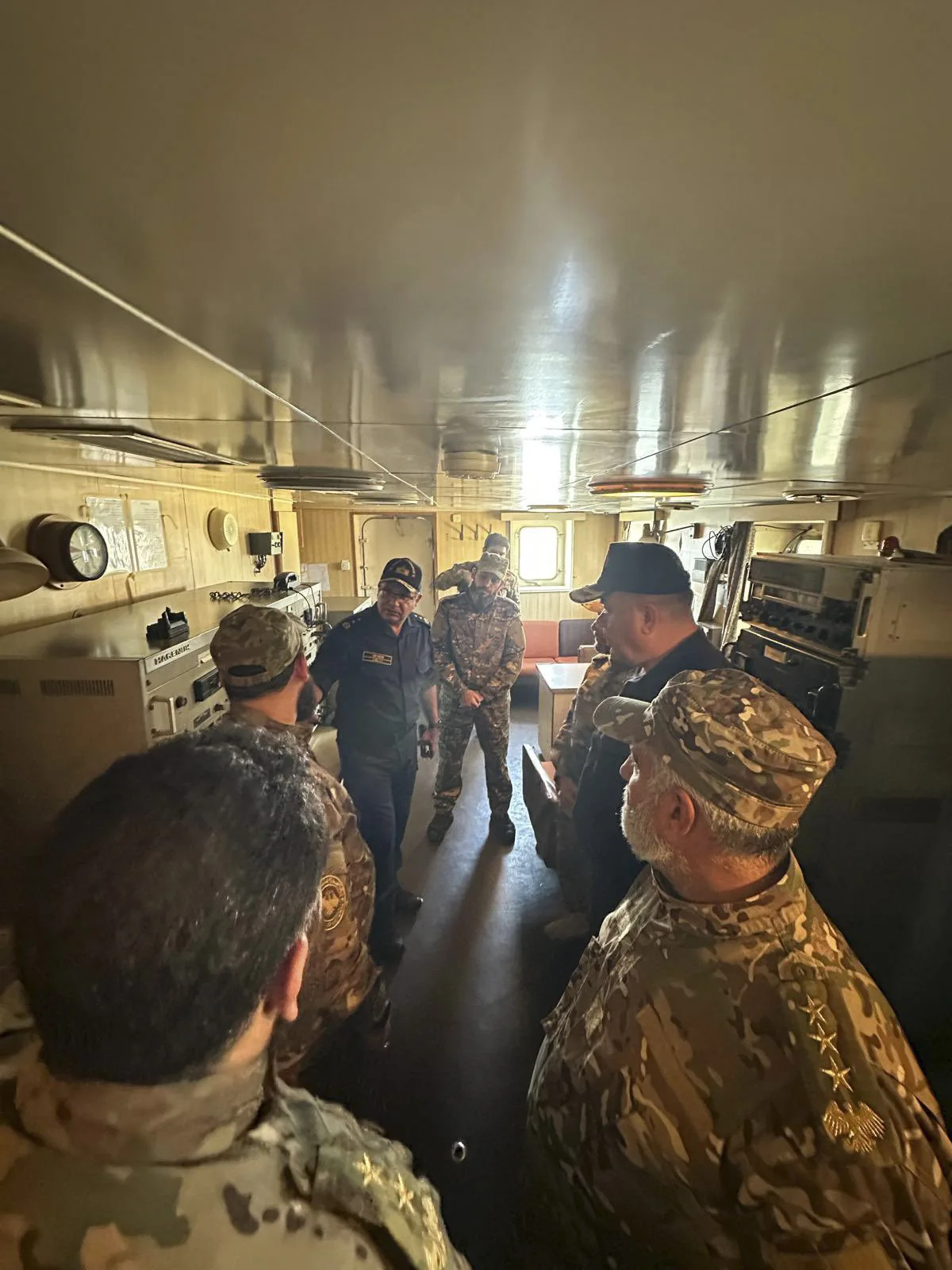
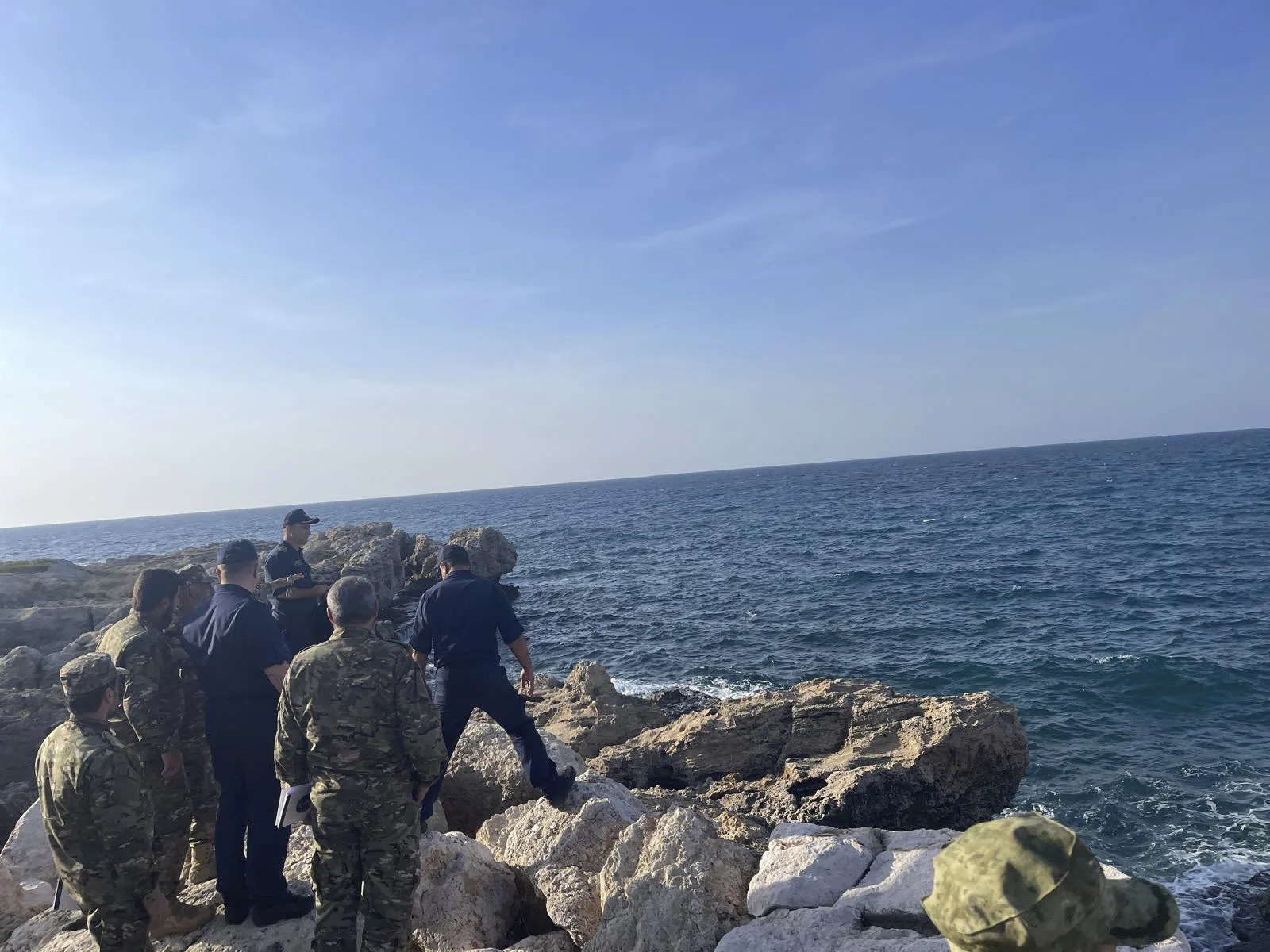
Türkiye and Syria have agreed on a roadmap to strengthen the Syrian Navy, following a Turkish delegation’s visit to the Syrian port city of Latakia on 23 October 2026. The planned areas of co-operation include ship maintenance, repairs, modernisation, new ship construction, personnel training and port infrastructure.
According to a short statement released by the Turkish Naval Forces, the visit took place as part of bilateral military relations with the Syrian Naval Forces Command. The delegation inspected requirements in Latakia and the two sides reached an understanding on the work and established a roadmap.
The Turkish delegation included Rear Admiral Erdinç Yetkin, commander of Istanbul Shipyard; Rear Admiral Timur Yılmaz, head of logistics at the Turkish Naval Forces Command; and Rear Admiral Yücel Darcan, commander of naval training and education. Representatives of Turkish defence company ASFAT, a prominent defence contractor affiliated to the Turkish Defence Ministry, also took part.
The make-up of the delegation points to a practical assessment of what rebuilding the Syrian Navy will require. The shipyard commander’s participation brings ship repair and construction as well as infrastructure needs expertise to the discussions. The logistics chief’s presence is relevant to the support needed to maintain vessels and develop the facilities along with supply arrangements required to keep them operational.
The participation of the naval training and education commander also places crew preparation among the central issues. The roadmap includes both individual and team training: areas that will require the Syrian Navy to identify personnel needs and the skills required for its future operations.
ASFAT’s involvement connects the discussions to Türkiye’s defence industry. The company is a potential partner for co-ordinating technical work in areas such as shipbuilding, maintenance and repair. Its participation, alongside senior naval officers, brings both military and industrial expertise to the assessment.
The release sets out broad areas for co-operation. The next step is to translate them into specific projects, with decisions on priorities, schedules and resources. The public announcement gives no project-by-project timetable or funding details.
Restoring Syrian naval capabilities
Syria faces a major task in restoring its naval capabilities after years of conflict. Israeli strikes in December 2024 hit naval assets at Latakia and Baniyas, destroying much of the fleet and sharply reducing the country’s ability to operate at sea.
The roadmap addresses several of the requirements involved in rebuilding a navy: vessels, trained crews and the facilities needed to support operations. Existing ships may require maintenance, repairs or modernisation, while new construction could help replace lost capacity. The announcement does not identify particular vessels or specify what types of ships could be built, however.
Port infrastructure is also included in the discussions. The facilities that support a navy are essential for carrying out repairs, maintaining ships and providing logistical support. The assessment in Latakia gives the two sides an opportunity to consider those requirements alongside work on the vessels themselves.
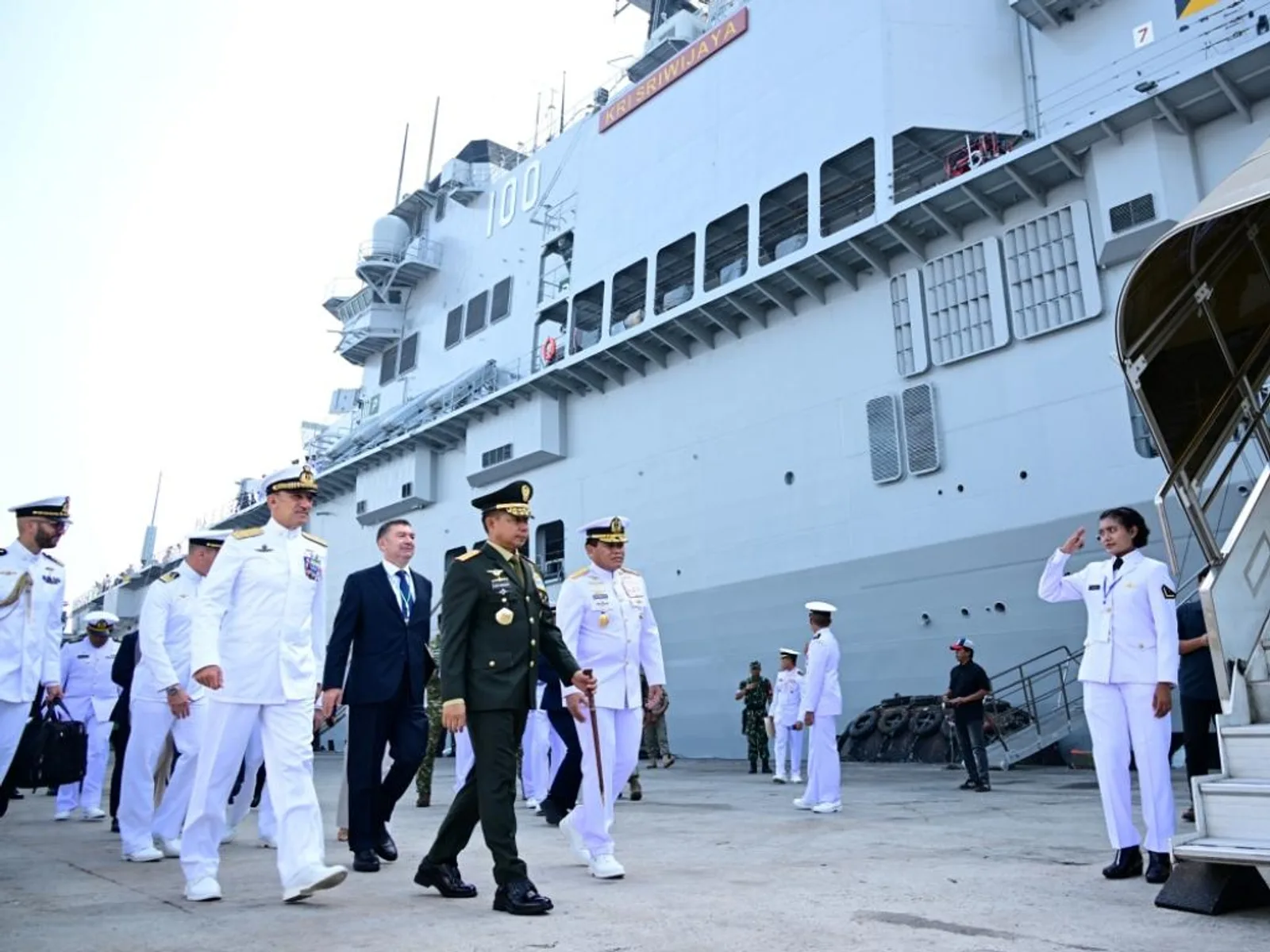
The latest visit follows a Turkish naval port call to Latakia in July. Turkish Naval Forces Commander Admiral Ercüment Tatlıoğlu was aboard the frigate TCG Istanbul at the time: one of the Turkish vessels that visited the Syrian port. It was the first visit by Turkish naval vessels to Latakia since the Syrian civil war began in 2011.
During the July visit, Adm Tatlıoğlu met Syrian Navy Commander Brigadier General Mohammed al-Saud. The port call restored direct contact between the two navies. The October visit, meanwhile, moved the focus towards practical requirements, with officers responsible for shipyard operations, logistics and training taking part.
The roadmap marks a further step in Türkiye-Syria military co-operation. Its implementation will depend on how the assessment is turned into defined maintenance, training, infrastructure and construction projects. The Turkish Naval Forces’ announcement provides the framework; further details will show how the work is organised and what will be delivered.